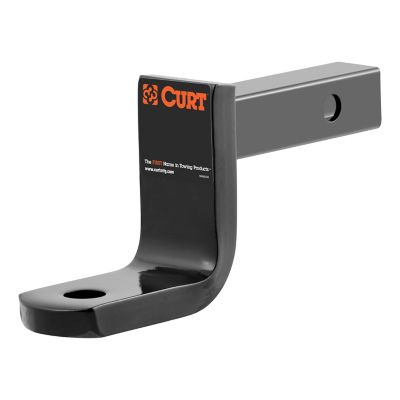
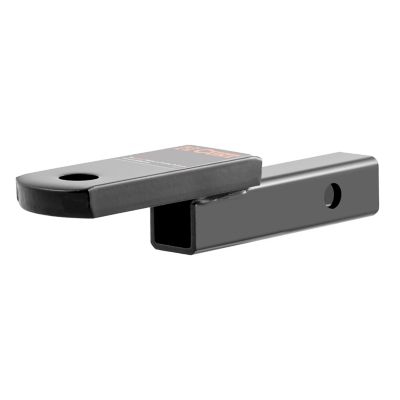
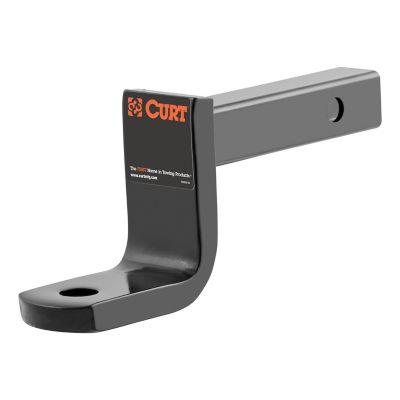
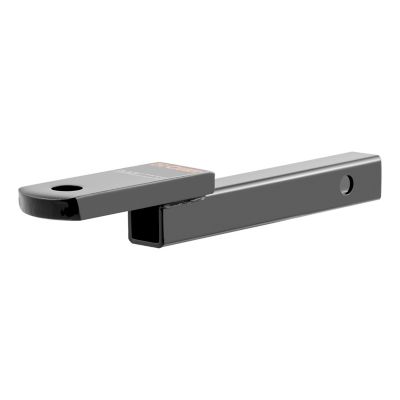
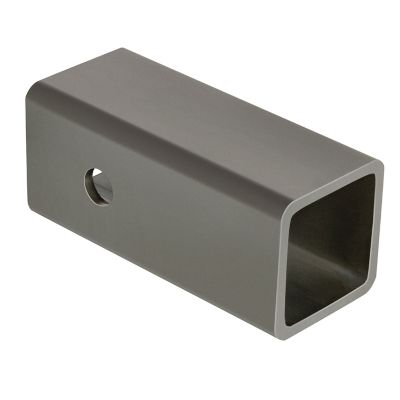
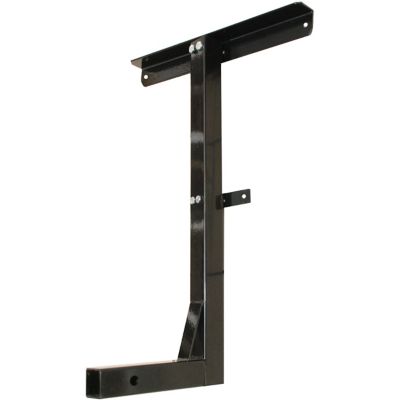
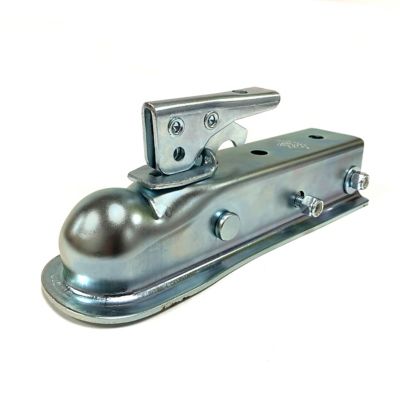
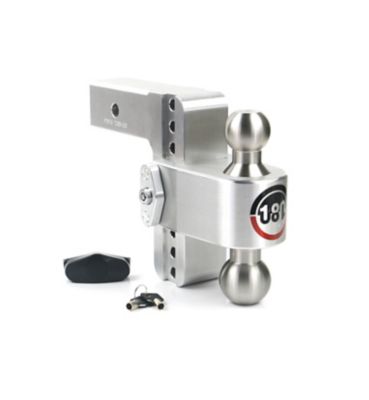
A 1-1/4-inch hitch is a light-duty receiver made for smaller vehicles and modest hauling jobs. The receiver opening measures 1-1/4 inches by 1-1/4 inches square, so any rack, carrier, ball mount, or other accessory must have a matching shank size. These hitches are often found on sedans, compact SUVs, crossovers, and some ATVs, giving drivers a way to carry gear without moving up to a larger receiver. Common applications include a hitch-mounted bike rack for one or two standard bicycles, a compact cargo carrier for bags and camping equipment, or a small utility trailer for light loads around the farm, home, or campsite. Some setups may also suit a small personal watercraft trailer or a lightweight teardrop camper, provided the vehicle and hitch ratings allow it. A 1-1/4-inch receiver is not a one-size-fits-all towing solution, and the right choice starts with the vehicle’s year, make, model, trim, engine, and factory tow rating. Fitment can vary even between vehicles that look nearly identical, so check the manufacturer’s application details before placing an order. The hitch, vehicle, trailer, ball mount, coupler, wiring, and accessories all need to work together, with the lowest rated part setting the practical limit. For shoppers comparing receiver sizes, larger options such as
Class IV Hitches are intended for substantially heavier towing and are not a direct substitute for a 1-1/4-inch receiver.
Class 1 and Class 2 hitches are the ratings most often associated with a 1-1/4-inch opening. A Class 1 hitch commonly supports up to 2,000 pounds of gross trailer weight, while a Class 2 hitch may support up to 3,500 pounds, though the actual limit depends on the specific hitch and vehicle. Tongue weight, which is the downward force placed on the hitch by the trailer or carrier, is also important. Many 1-1/4-inch setups fall in the range of 200 to 350 pounds of tongue weight, but that number should always be confirmed in the product details and the vehicle owner’s manual. A trailer that stays within the gross weight rating can still handle poorly if too much of its load sits toward the front or rear. Keep heavier items low and centered, distribute cargo from side to side, and make sure the coupler, safety chains, lights, and tires are ready for the trip. When using a cargo carrier, leave room for the tailgate, hatch, exhaust outlet, and license plate as appropriate for the vehicle. A hitch-mounted bike rack also deserves a quick check before every drive: confirm the rack is fully seated, the retaining pin is in place, the bikes are tied down, and nothing can swing into the vehicle. On gravel lanes or rutted ground, take corners slowly and allow extra room for the rack or trailer behind you. Those small habits help make a light-duty hitch setup easier to live with from the first load to the last mile.
Shopping for a 1-1/4 hitch often comes down to matching the hitch to the job you do most. A cyclist who heads to local trails may want a compact rack that keeps bikes off the roof and leaves the vehicle interior open for helmets, coolers, and muddy shoes. A homeowner might choose a small cargo carrier when extra room is needed for folded chairs, gardening supplies, or camping totes, while a landowner may need a receiver for occasional trips with a light utility trailer. During the cooler months, a hitch-mounted carrier can help keep bulky outdoor gear out of the passenger area, but weight still needs to stay within the carrier and hitch limits. If the hitch is being given as a practical gift, find out the recipient’s exact vehicle information and the accessory they plan to carry before making a selection. A rack intended for a 2-inch receiver will not fit a 1-1/4-inch opening without the right approved adapter, and an adapter may change the available capacity or clearance. It is also worth checking whether the vehicle needs a wiring harness, ball mount, trailer ball, locking pin, or other installation parts. Some hitches bolt into existing mounting points, while others may call for additional steps or tools, so review the installation instructions and seek help from a qualified installer when needed. With the correct fit, sensible loading, and attention to the vehicle’s limits, 1-1/4 hitches offer a straightforward way to carry bikes, gear, and light trailers on everyday trips from the driveway to the back roads.