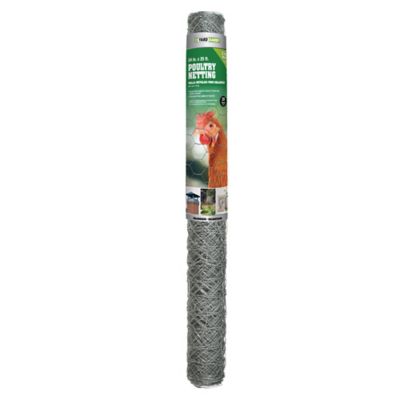
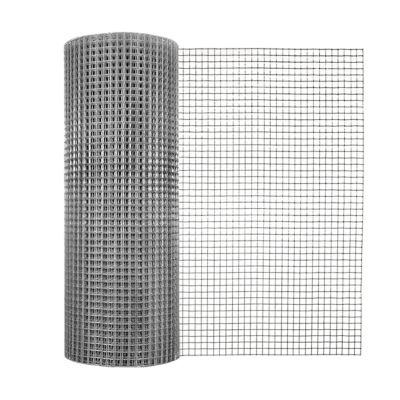
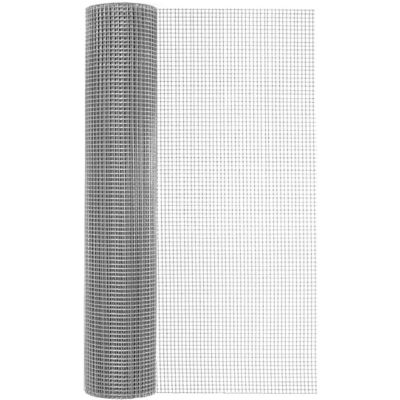
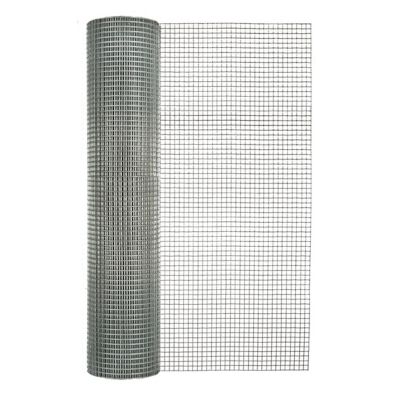
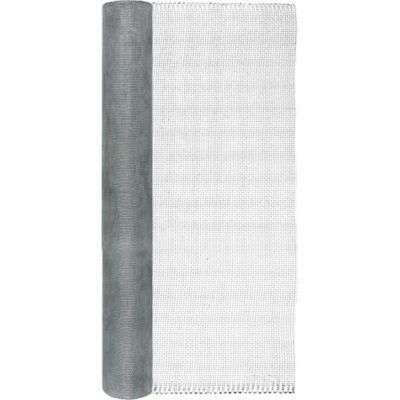
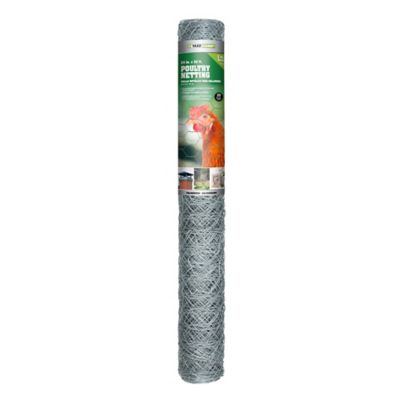
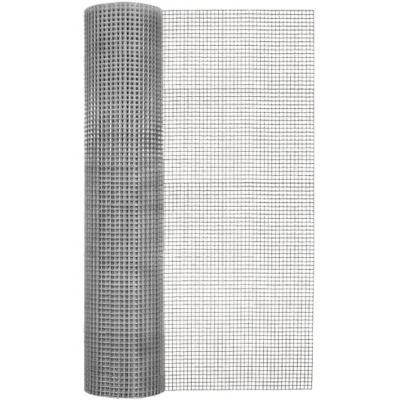
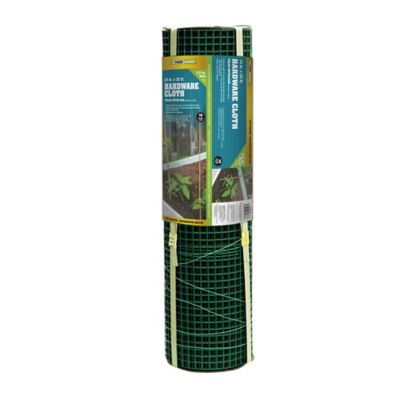
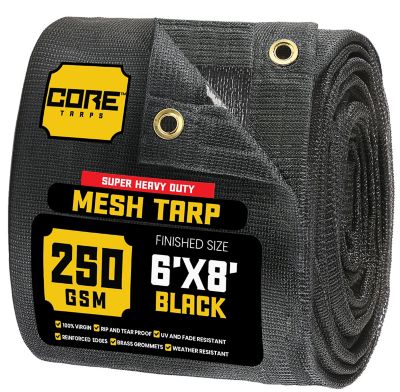
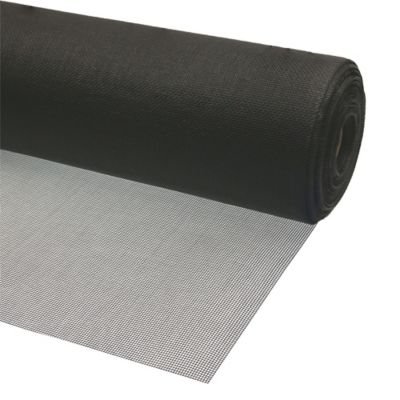
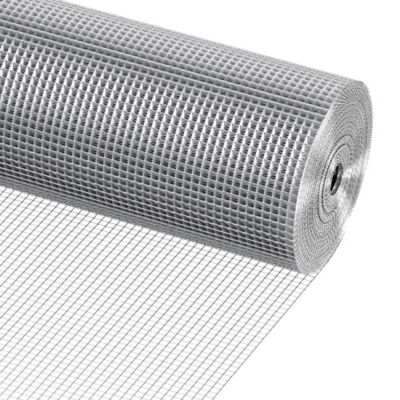
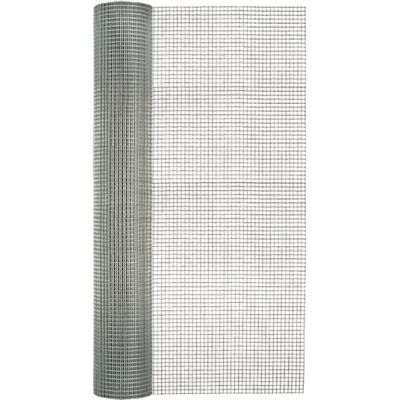
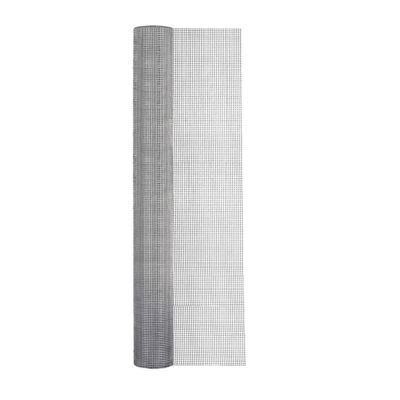
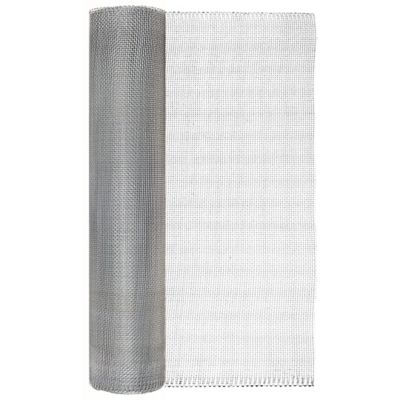
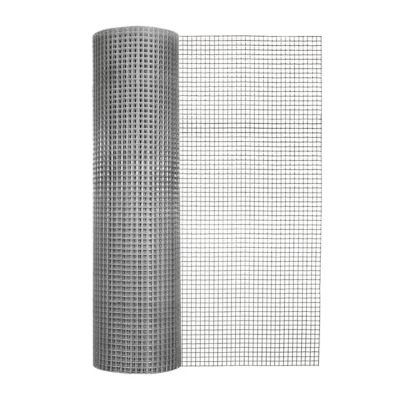
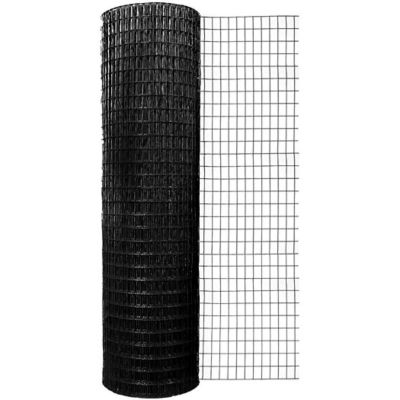
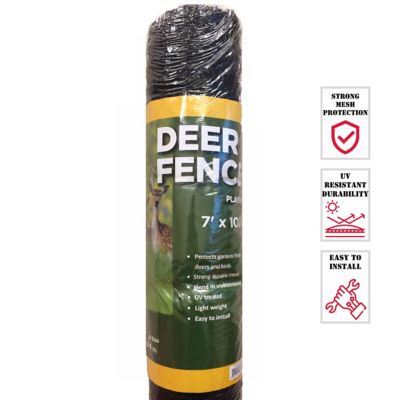
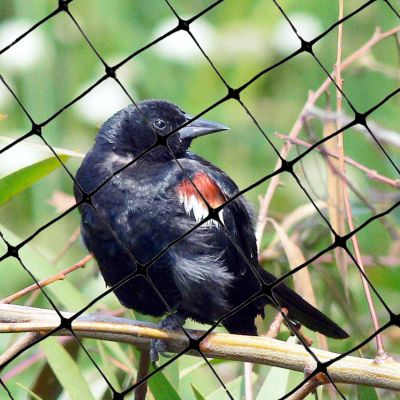
Out here where the land stretches wide and the work never really stops, mesh rolls are one of those handy supplies you’ll find in just about every barn, shed, or workshop. Folks use them for all sorts of jobs—whether it’s keeping chickens safe from prowling critters, fencing off the veggie patch from curious deer, or patching up gaps in a fence line that’s seen better days. This time of year, with spring just waking up and everything starting to green, it’s prime season for repairs and new projects. Maybe you’re getting ready to bring in some new chicks, or you’ve decided this is the year to finally build that rabbit hutch you’ve been talking about. With mesh rolls, you’ve got the flexibility to tackle big and small projects alike, from reinforcing gates to covering windows in the coop for extra ventilation without letting in unwelcome guests.
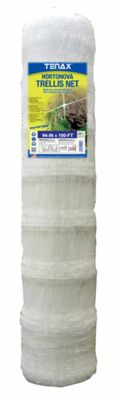
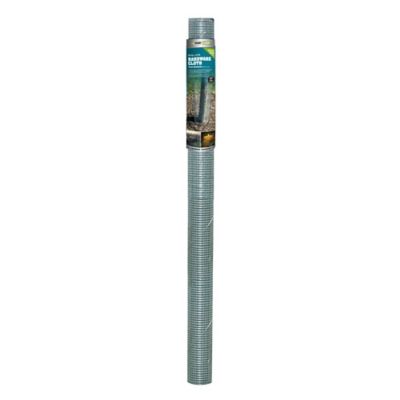
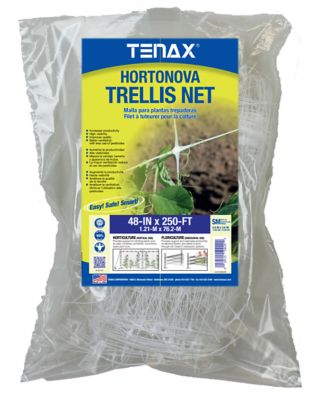
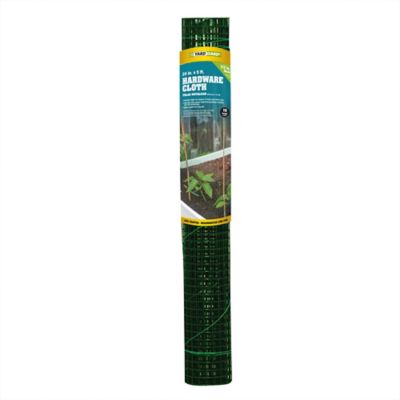
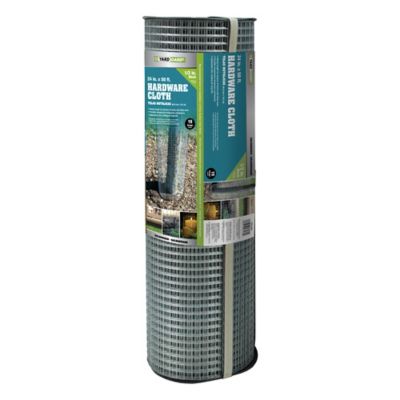
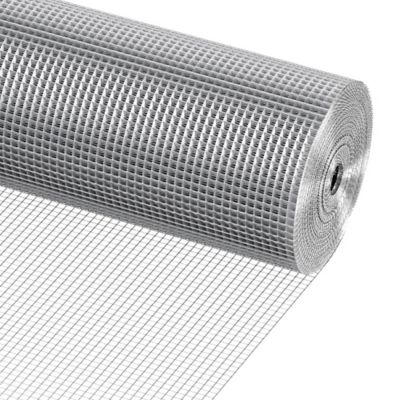
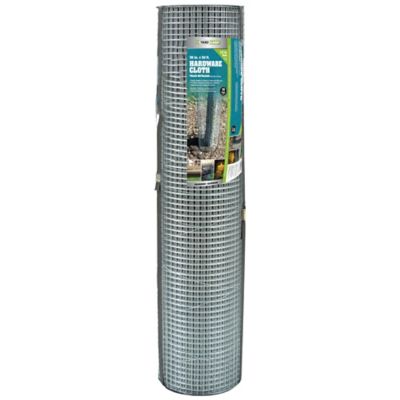
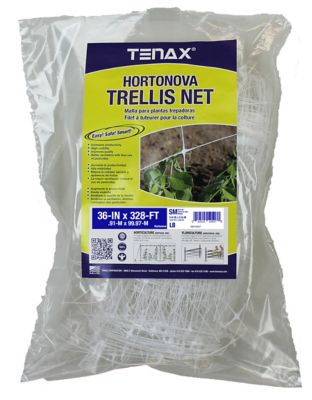
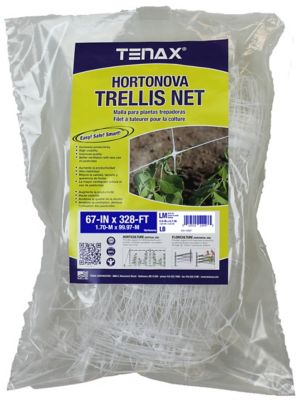
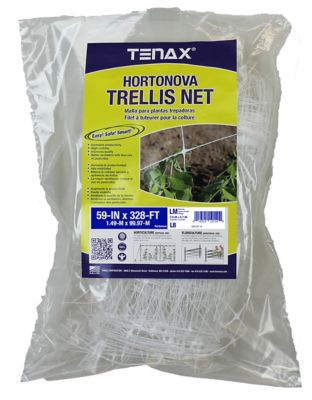
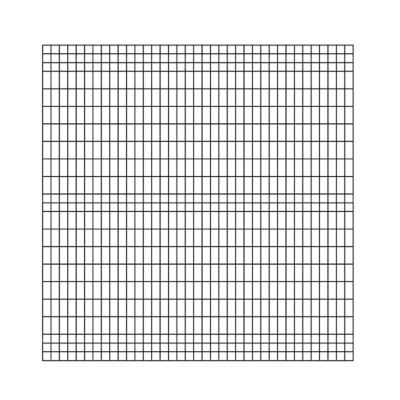
When you’re picking out mesh rolls, there’s a few things to keep in mind to make sure you get the right fit for your needs. Gauge and mesh size matter—a finer mesh keeps out smaller pests like snakes and mice, while a sturdier, wider mesh is perfect for bigger animals or for use as a trellis when those peas and beans start climbing. Galvanized and coated options stand up well to the weather, which is important if you’re putting up fencing that’s going to face rain, snow, and the hot summer sun. If you’re working with hardware cloth rolls from Tractor Supply, you’ll notice how easy they are to cut and shape, fitting them around corners or along uneven ground without too much fuss. They’re a go-to for folks building compost bins, protecting young trees from hungry deer, or even crafting custom screens for barn windows. And if you’re thinking about gifts for someone who loves gardening or keeps backyard animals, mesh rolls are a practical, thoughtful choice—something they’ll actually use, season after season.
Mesh rolls aren’t just for keeping things in or out; they’re part of the rhythm of life on the land. You might find yourself using leftover scraps to patch up an old dog kennel, or to make a sturdy frame for climbing flowers along the porch. When spring winds kick up and you’re out there with a roll of mesh, a pair of gloves, and some wire cutters, there’s a real sense of satisfaction in building something that’ll last. For more ideas on how to put mesh to work in your garden or around the homestead, check out our
Garden Mesh page. Whether you’re a seasoned hand or just starting to get your boots muddy, mesh rolls are a staple that’ll help you get the job done right.