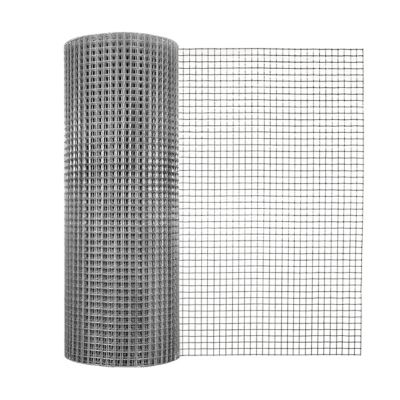
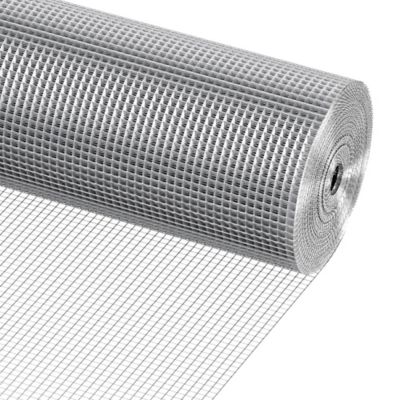
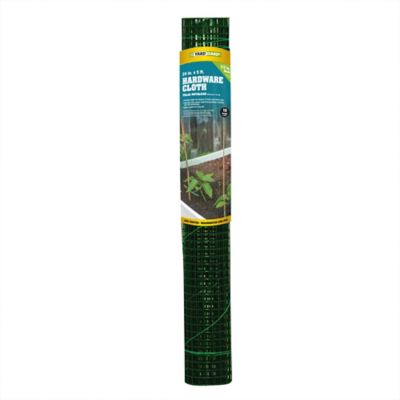
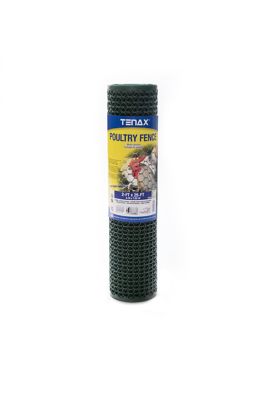
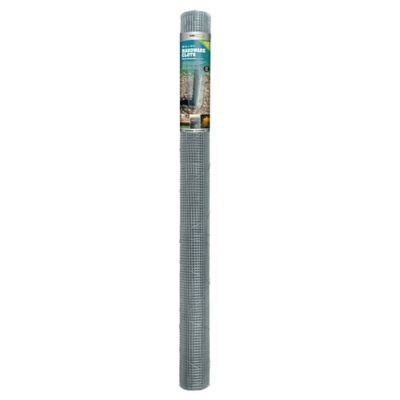
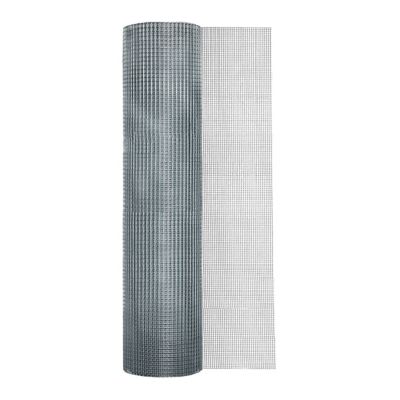
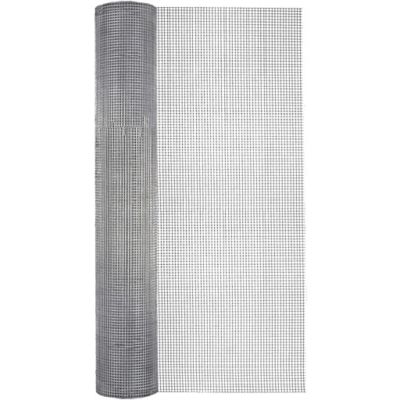
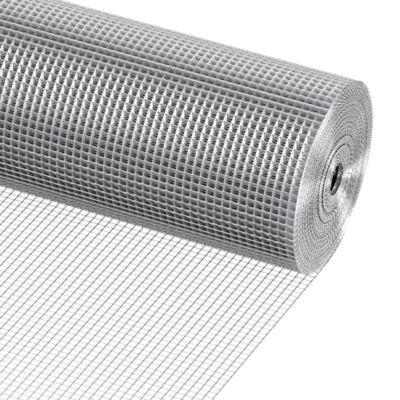
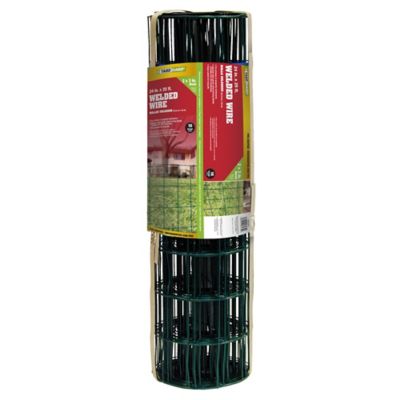
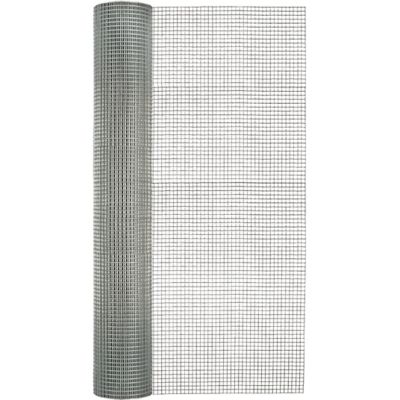
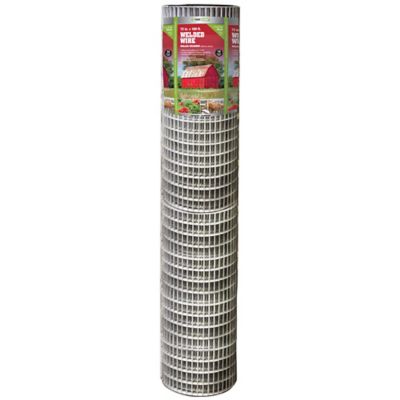
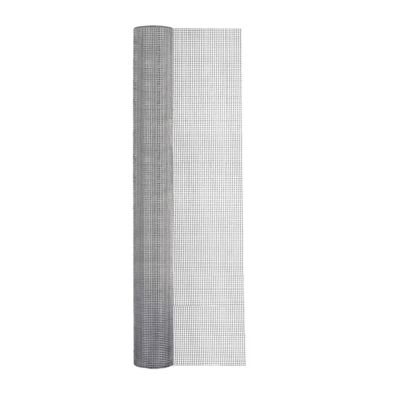
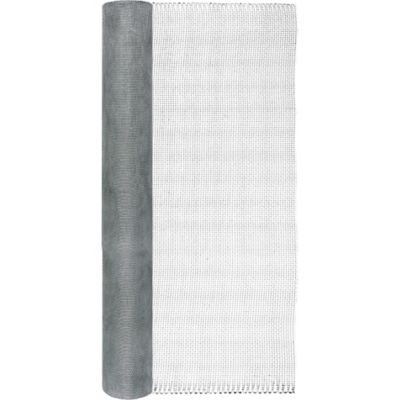
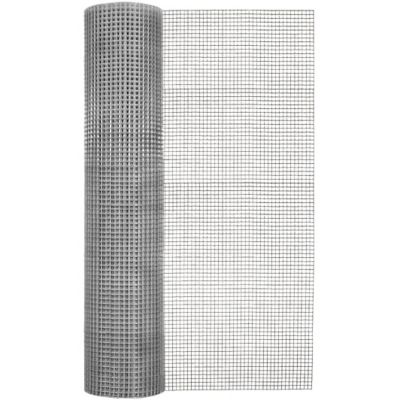
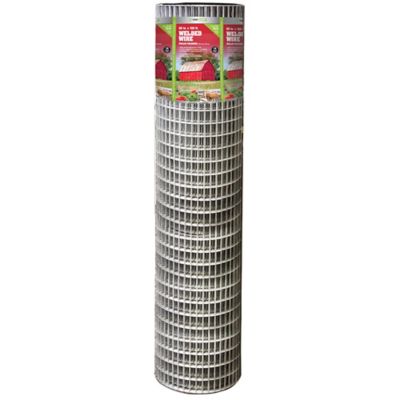
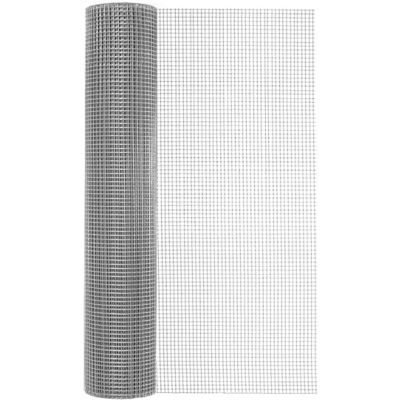
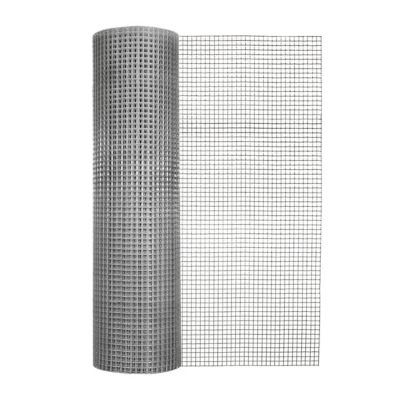
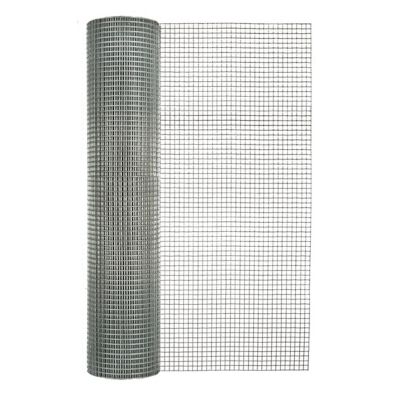
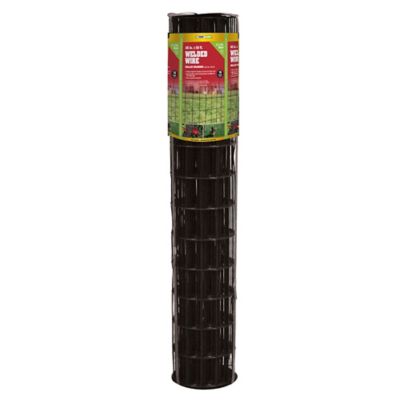
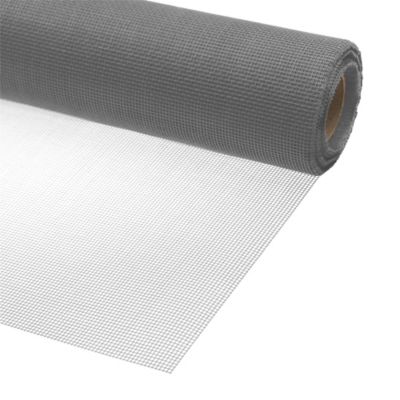
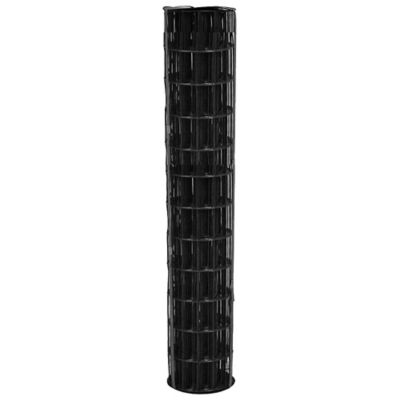
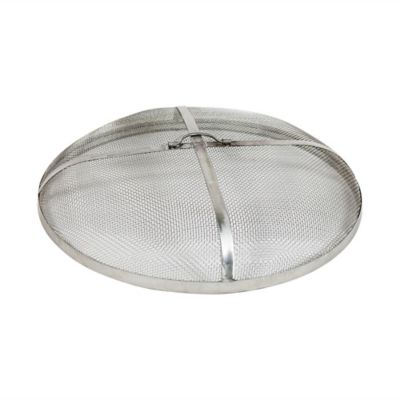
Wire mesh is a network of metal wires joined or interlaced to create regularly spaced openings. Those openings let air, light, or water pass through while forming a barrier for fencing, screening, animal enclosures, and other jobs around the farm, shop, or home. The right wire mesh depends on what needs to stay in, what needs to stay out, and how much pressure the finished barrier will face. Welded wire mesh has wires joined at their crossing points, creating a grid that holds its shape and works well with a supporting frame. Woven wire mesh has wires that pass over and under one another, giving it a different balance of flexibility and stability depending on the weave and wire thickness. Hexagonal poultry netting gets its shape from twisted wire connections and generally serves lighter containment needs; it is not a substitute for a stronger barrier where predators can bite, pull, or push against an enclosure. Material makes a difference, too. Galvanized steel has a zinc coating that helps protect the steel from corrosion, making it a practical choice for many fencing and enclosure applications. Coating coverage at wire intersections and cut edges affects how well that protection holds up. Stainless steel offers corrosion resistance without relying on a zinc coating, though the grade still matters in demanding environments. Vinyl-coated wire adds an outer covering over the metal, but the underlying wire and the condition of that covering remain important. Aluminum mesh brings lighter weight to certain screening jobs, rather than serving as a direct replacement for steel fencing. Around a feed room, garden bed, or equipment area, the best match comes from the combination of material, construction, opening size, and support—not appearance alone. Contact with damp soil, manure, fertilizers, or cleaning chemicals can affect the metal or its coating, so compatibility with the setting matters just as much as the shape of the grid.
Wire thickness and opening size are separate measurements, and both deserve a close look when comparing wire meshes. Within the same wire-gauge system, a lower gauge number generally indicates thicker wire. Gauge alone does not describe the strength of a finished fence, since the metal, welds or weave, opening dimensions, posts, and attachment points all play a part. Clear opening size describes the space between adjacent wires; a mesh count generally describes the number of openings per linear inch. These measurements are not interchangeable, because wire thickness changes the clear space within a given mesh count. Small openings can help block smaller animals or screen finer material, while larger openings allow easier access and less obstruction. For animal enclosures, the opening also needs to suit the animal’s size and behavior, including the chance of a head, foot, or beak getting caught. A tight grid made from thin wire can still be vulnerable to chewing or pulling. Height, width, and length affect fit just as much as the opening pattern. A long garden boundary calls for different dimensions than a framed coop window or a narrow gap beneath a shed. For extended fence runs and sections that need to wrap around corners,
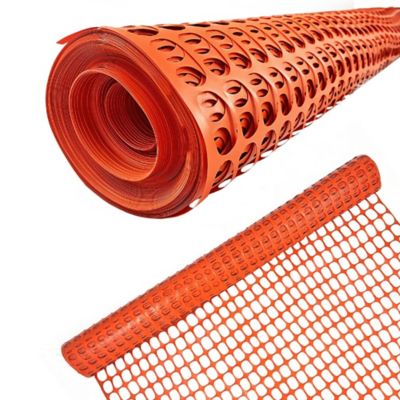
Mesh Rolls provide a continuous format that can be cut to suit the layout. Rigid sections may be a better fit where a flat surface and a defined frame matter more than flexibility. Rolls can retain some curve after unrolling, while heavier wire takes more effort to bend and trim. Allowing room for overlaps, secure edges, and attachment to posts helps prevent a nearly finished project from coming up short. Fasteners need to suit both the mesh and the supporting material, with compatible metals helping limit corrosion at the connection. Wire ends should stay outside animal contact areas and everyday handholds, and gates need attention to gaps along the sides and bottom. A strong mesh section cannot make up for a loose latch or a poorly secured edge.
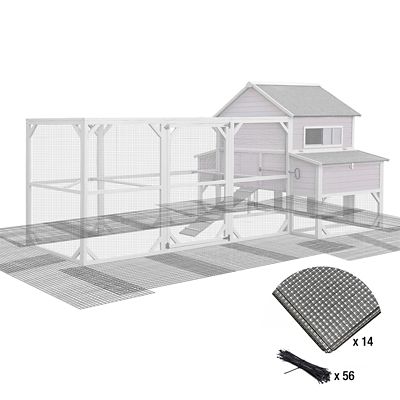
The intended job brings all those details together. Around a vegetable patch, wire mesh can form a boundary that limits access without blocking the view of the rows. Along the bottom of a raised bed, an appropriately sized barrier can discourage burrowing animals while leaving drainage paths open; buried metal still needs a coating or material suited to soil contact. On a chicken coop, small-opening welded mesh can cover ventilation openings and reinforce vulnerable areas when its wire strength, frame, and fasteners suit the threat. Lightweight poultry netting may help keep birds within a run, but stronger protection is needed where predators can work at seams or dig beneath the perimeter. Rabbit enclosures and other small-animal spaces call for careful attention to chewing, reach-through gaps, and exposed edges. Larger livestock need fencing intended for their species and the pressure they can put on it, rather than a general-purpose screen stretched between posts. In a shop or barn, mesh can separate storage areas, back a framed opening, or screen debris where the material and opening size suit the task. Equipment guards, structural reinforcement, food contact, and filtration require mesh rated for that purpose, not an assumption based on similar looks. Care is mostly about keeping the barrier intact and the openings clear. Clinging bedding, leaves, and feed debris can restrict airflow or hold moisture against the wire. Routine checks can catch broken welds, loose ties, damaged coatings, and sharp ends before they become a bigger problem. Cleaning methods should match the metal and coating, and any coating repair should follow the manufacturer’s directions. Gloves and eye protection matter when handling or cutting mesh, since clipped wire ends can spring outward. For folks tending animals, keeping a garden, or maintaining a place, matching the mesh to the job helps create a barrier that fits neatly, stays manageable, and holds up to everyday work.