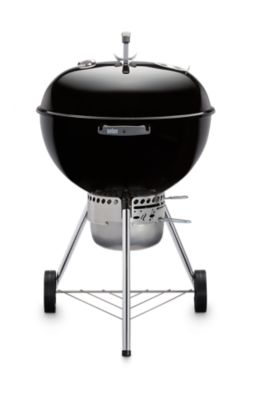
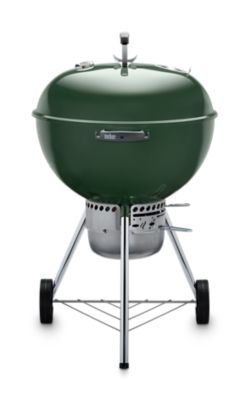
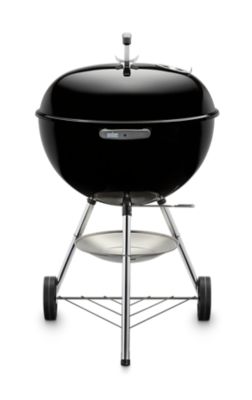
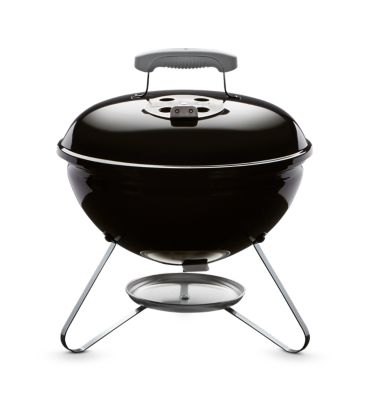
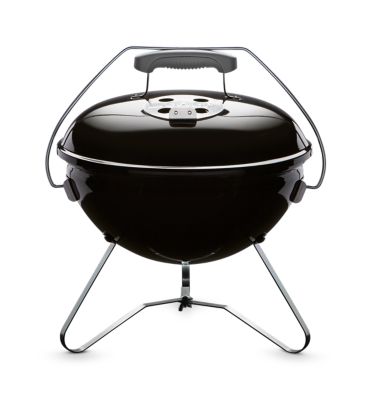
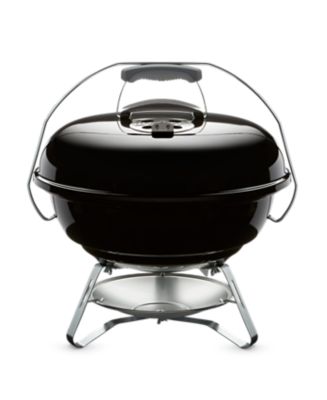
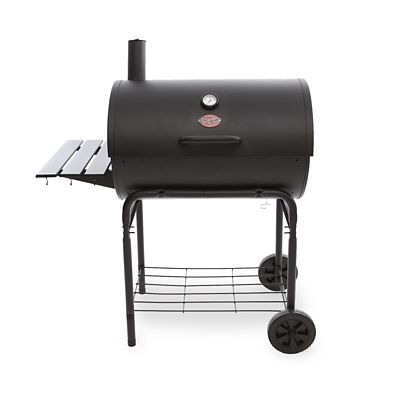
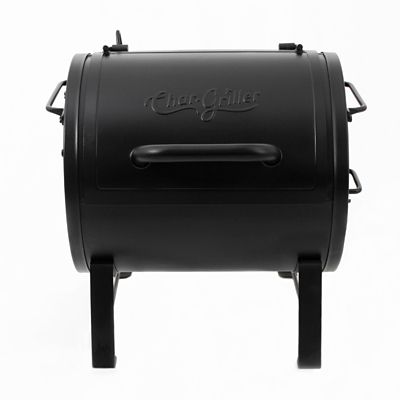
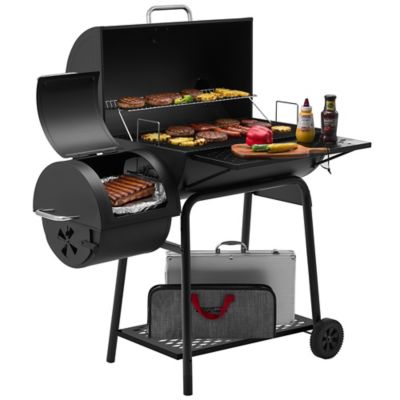
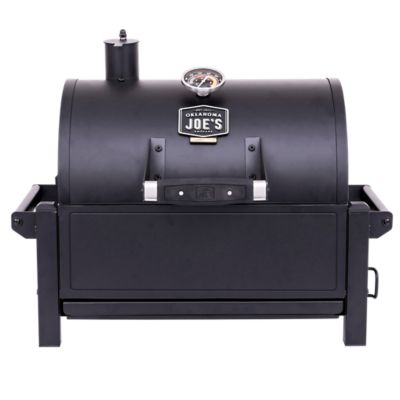
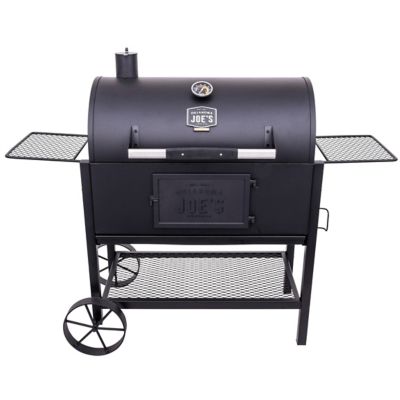
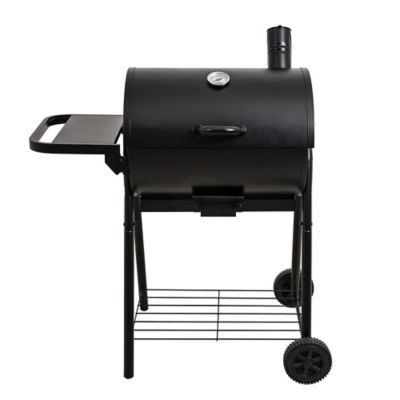
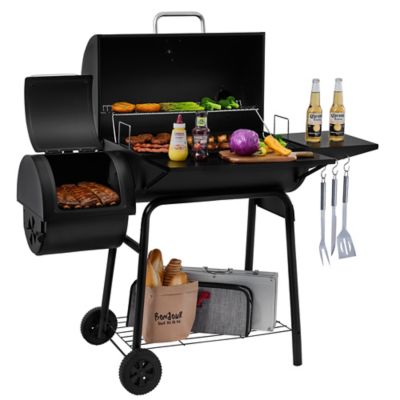
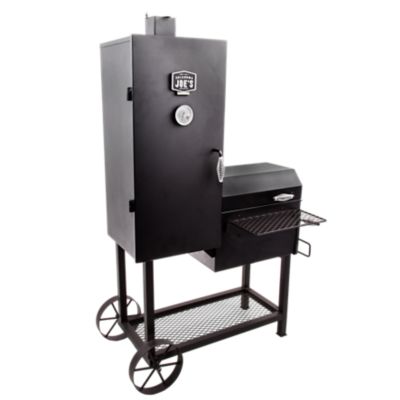
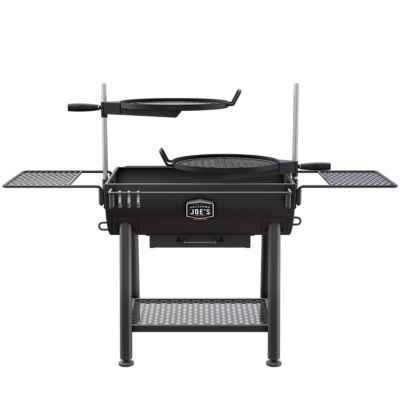
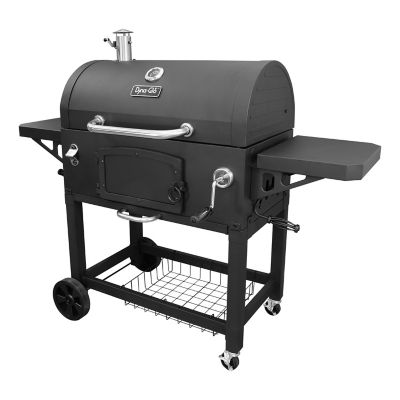
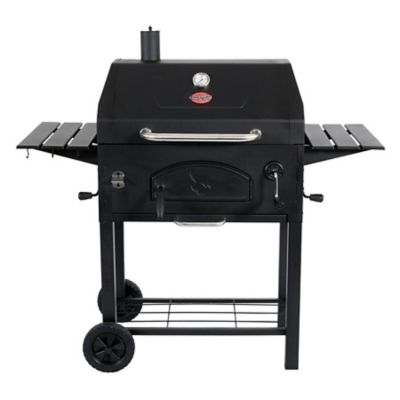
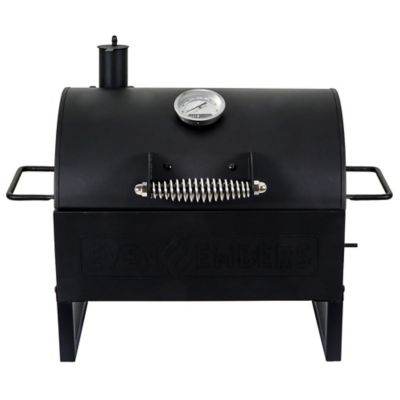
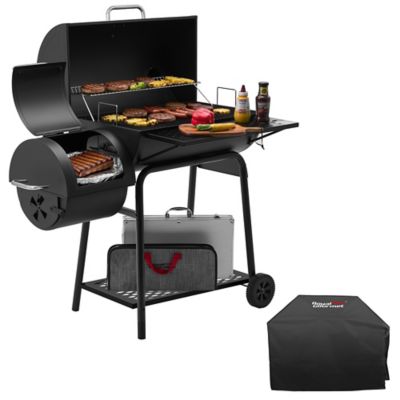
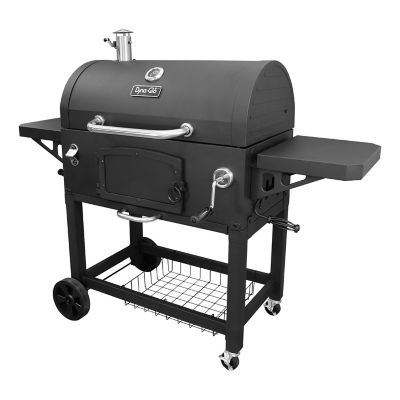
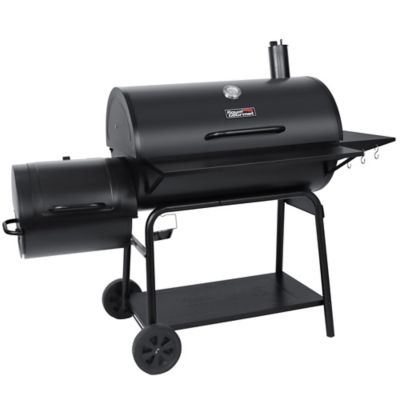
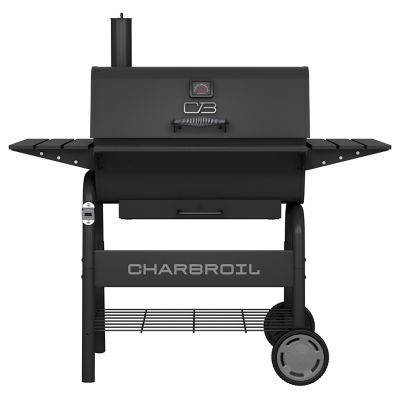
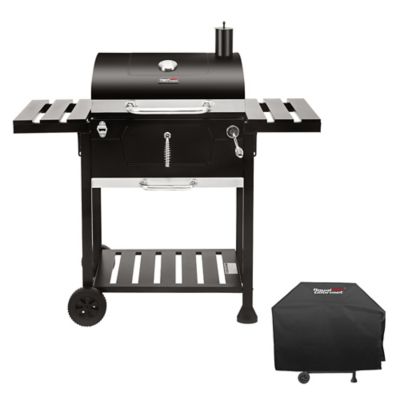
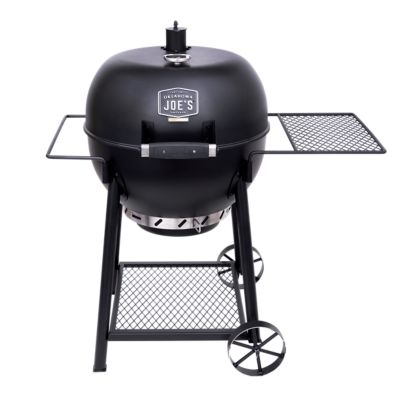
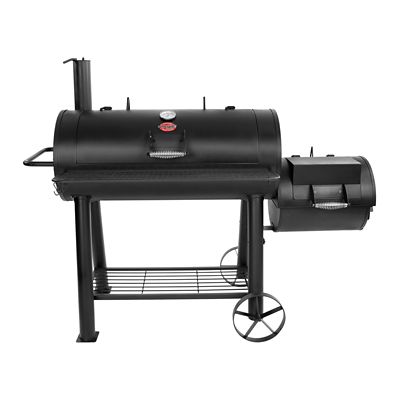
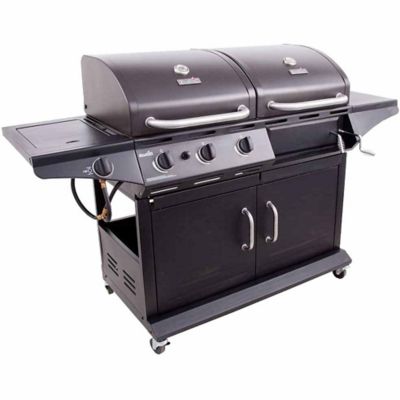
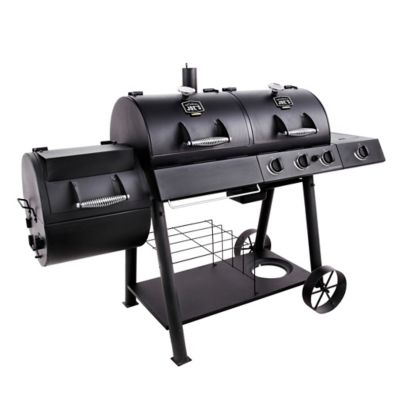
Charcoal grills bring the fire, the sizzle and that familiar cookout flavor to everything from a quick supper after chores to a full spread for family and friends. Burning charcoal supplies the heat, while drippings hitting the coals contribute to the flavor many folks associate with backyard grilling. The appeal goes beyond burgers and hot dogs: a charcoal grill can put a crust on steaks, brown corn in its husk, roast chicken over indirect heat or cook a thick pork shoulder slowly when its design supports longer burns. Different grill shapes suit different routines. Kettle charcoal grills have a rounded bowl and domed lid, with vents that help control airflow through the fire. Their compact footprint works well for everyday meals, and the cooking grate can accommodate both direct and indirect heat when there’s enough room to arrange the coals. Barrel charcoal grills generally offer an elongated cooking surface that makes it easier to spread out food and separate hotter and gentler cooking areas. Designs with an offset firebox place the fire beside the main cooking chamber, supporting smoking without putting food directly above the coals. Kamado grills have thick ceramic or insulated metal bodies that retain heat, making them suited to steady cooking as well as high-heat searing. Cooking space matters as much as shape. Grills with grate diameters around 14 to 18 inches often suit a couple, a small household or a campsite meal, while larger cooking surfaces give families more room for several portions and side dishes. Dimensions alone don’t tell the whole story, though. A tall lid provides clearance for larger cuts, and a warming rack can hold finished food above the main grate. For a household that cooks supper outside several times a week, easy access to the fire may matter more than extra rack space. For a gathering, enough room to move chicken away from flare-ups can make the cook’s job a whole lot easier.
Materials and construction affect how a charcoal grill handles heat, cleaning and regular trips across the yard. Porcelain-enameled steel combines a metal body with a protective finish, while painted steel needs particular attention wherever scratches expose the surface. Stainless steel components can resist corrosion, though grease and ash still need regular attention. Ceramic grill bodies hold heat well but carry substantial weight and need care when moving. Insulated steel designs offer another approach to heat retention without the same ceramic construction. Cooking grates deserve a close look, too. Cast iron stores heat well for searing and generally calls for seasoning and thorough drying to help prevent rust. Stainless steel grates are straightforward to brush clean, while porcelain-coated grates need tools and cleaning methods that won’t chip the coating. Airflow controls are another important part of the setup. Lower vents feed oxygen to the charcoal, and upper vents let heat and smoke move through the cooking chamber; their placement and adjustment range affect how readily the fire responds. A lid thermometer helps show conditions near the lid, but it doesn’t replace a food thermometer for checking doneness. For cooks who like both fast grilling and slower barbecue, room for a two-zone fire offers useful flexibility: coals on one side create a searing area, with space beside them for food that needs gentler heat. Adjustable charcoal trays provide another way to change the distance between food and fire. Hinged grates or separate fuel-access doors can make adding charcoal less disruptive during a longer cook. Beyond the firebox, sturdy legs, secure lid handles and wheels sized for the path between storage and the cooking spot all affect everyday handling. A grill that rolls easily over a paved patio may take more effort across gravel. Portable charcoal grills also need a manageable carrying weight, secure parts for travel and enough cooking room for the people gathered around the picnic table.
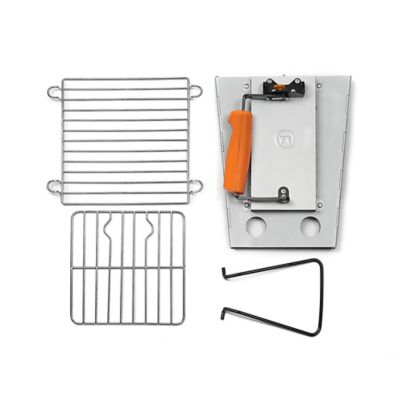
A charcoal grill should fit the whole cooking routine, including the work before the first burger and after the last plate leaves the table. Side shelves give a platter or seasoning jar somewhere to land, tool hooks keep tongs close, and lower storage can help organize supplies without crowding the cooking surface. Those features are especially handy when supper includes several foods that finish at different times. Briquettes generally have a consistent shape and tend to support an even, predictable burn, while lump charcoal varies in size and can respond quickly to increased airflow. The grill manufacturer’s fuel recommendations matter, particularly for insulated designs and longer cooking sessions. A charcoal chimney starter helps get the fire going without lighter-fluid flavor, and long-handled tools give hands more distance from the heat. For sliced vegetables, shrimp and other small foods,
Charcoal Grill Pans provide a cooking surface that helps keep pieces from falling through the main grate. Pan dimensions should leave enough room for handling and suit the grill’s available grate space. Cleanup features can make a real difference after a big meal. Removable ash catchers, accessible ash doors and grease collection areas reduce the awkward reaching involved in clearing out the grill. Ash should be completely cold before disposal in a suitable metal container, and leftover ash shouldn’t sit in the grill collecting moisture. Grates need regular cleaning, protective finishes need inspection, and a fitted cover belongs on a clean, fully cooled grill. Charcoal cooking always belongs outdoors, never inside a garage, shed, tent or enclosed porch, with clearance from buildings and combustible materials according to the manufacturer’s directions. A stable spot away from foot traffic also helps keep children and pets clear of the hot cooker. As a gift, a charcoal grill makes sense for someone who enjoys tending a fire and feeding a crowd, provided its size, weight and upkeep fit their space and habits. From a compact cooker for two to a larger setup for the whole crew, the right match leaves room for good food and easy company.