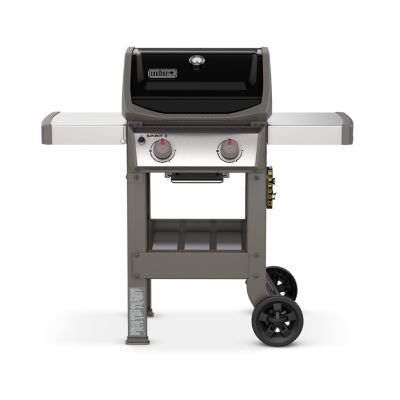
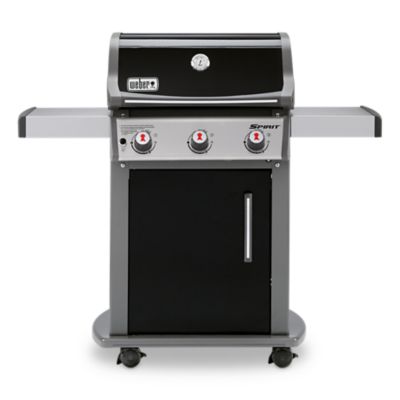
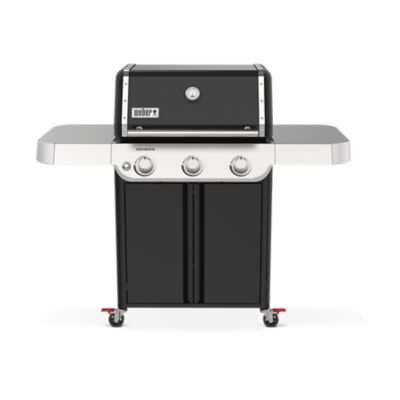
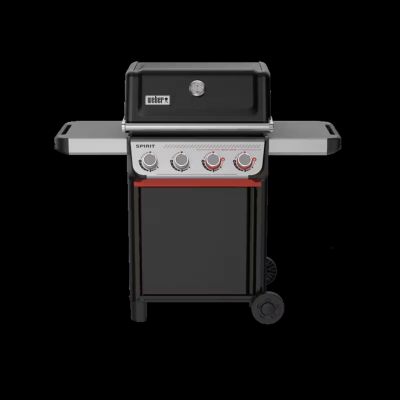
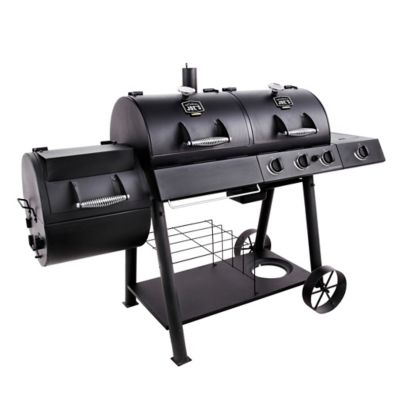
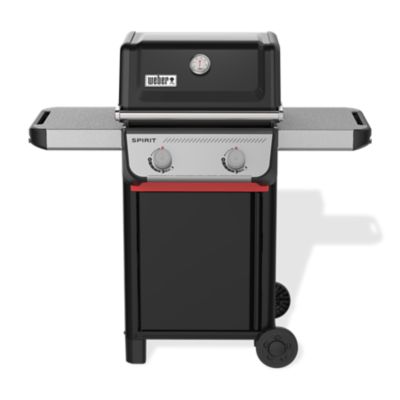
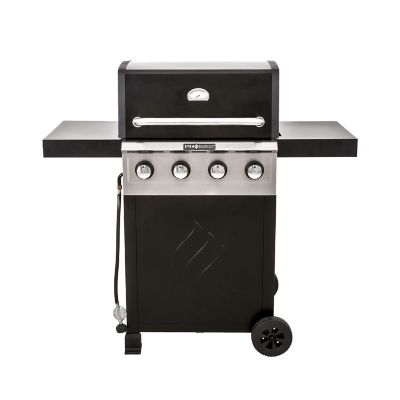
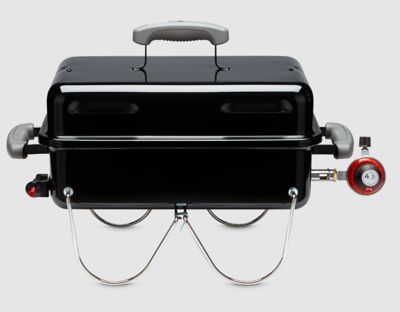
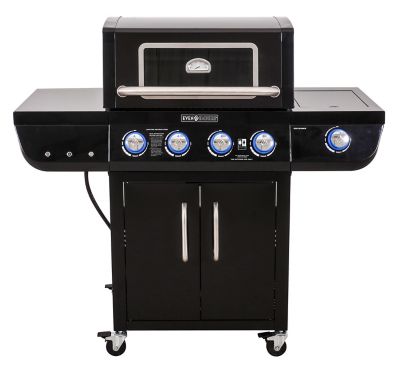
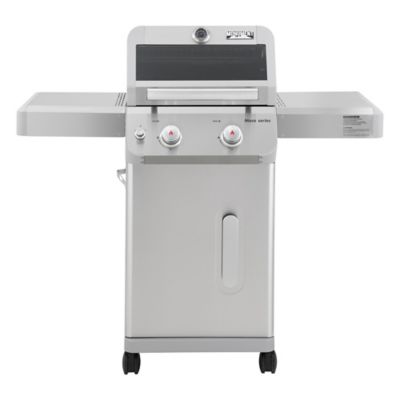
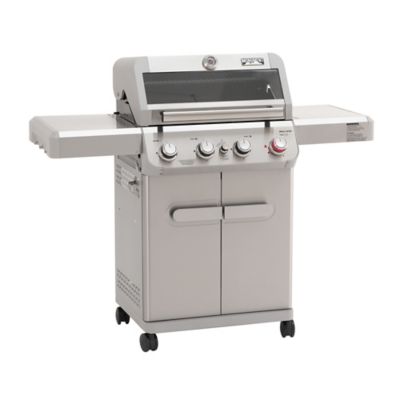
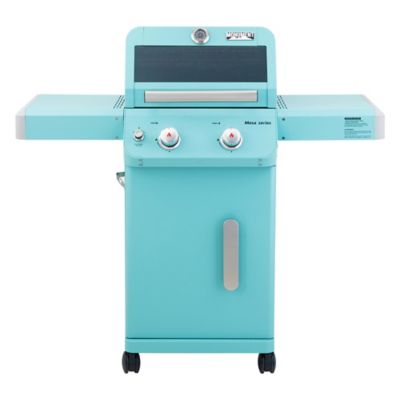
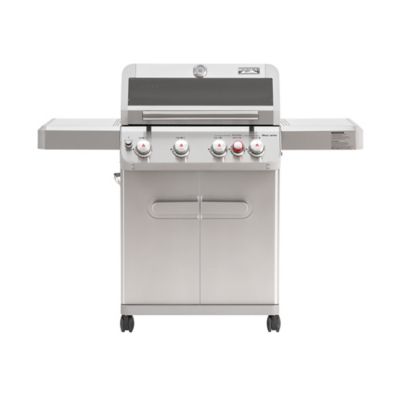
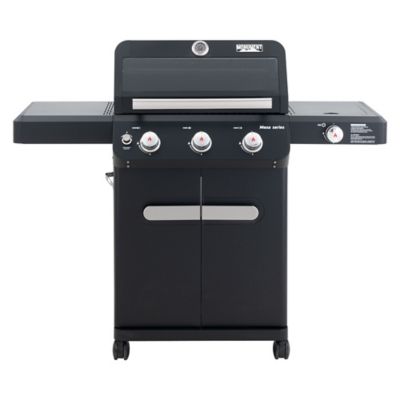
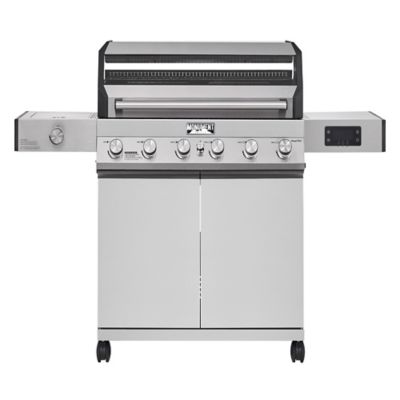
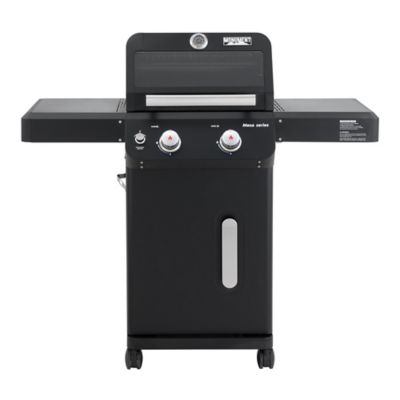
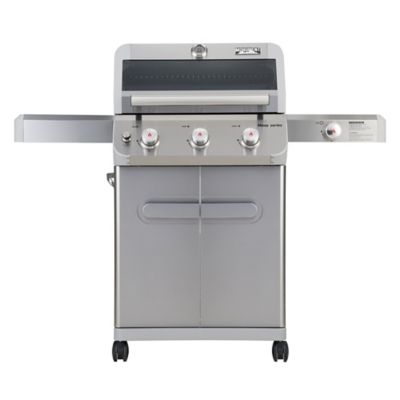
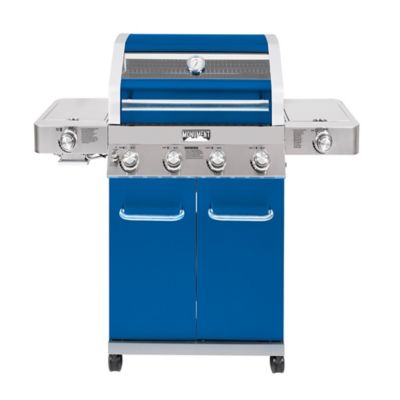
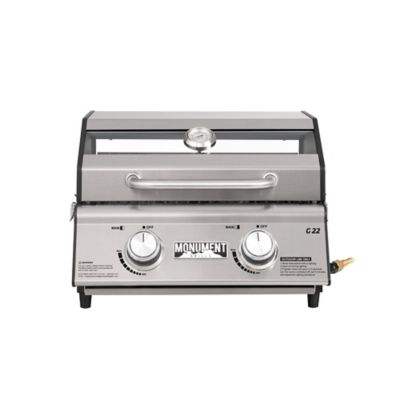
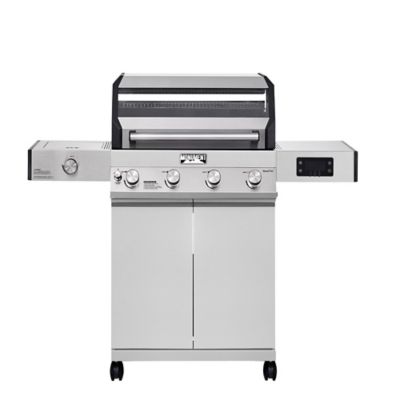
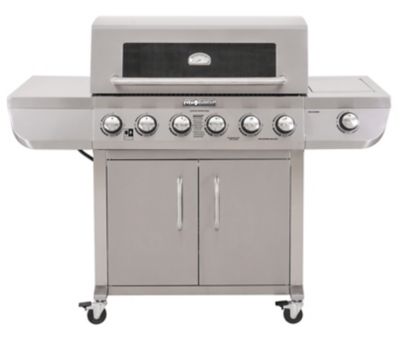
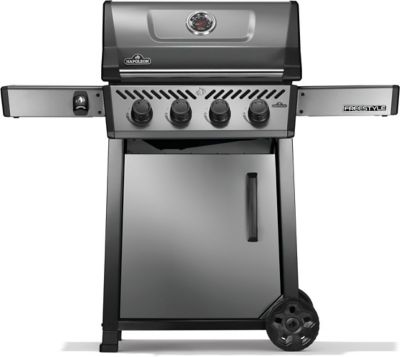
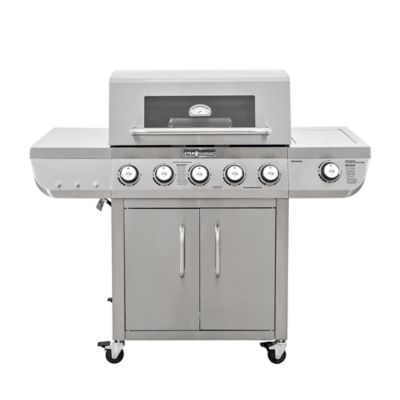
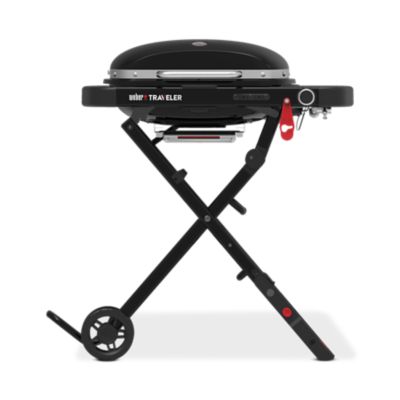
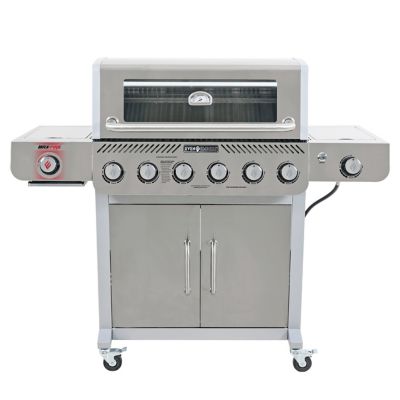
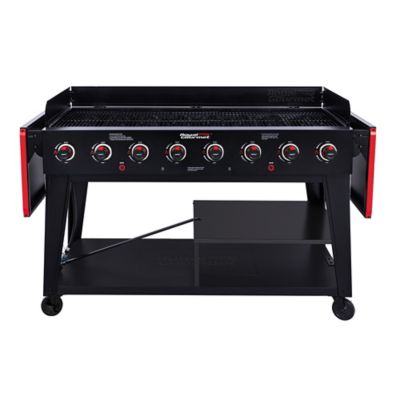
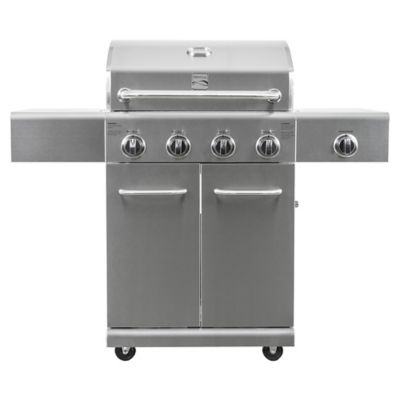
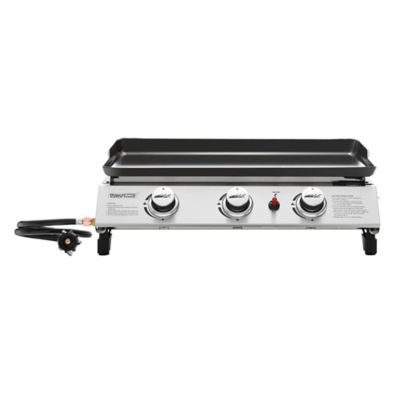
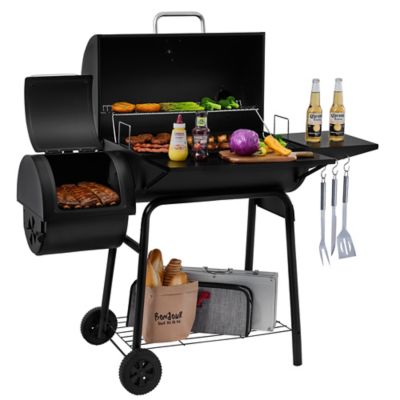
Gas grills bring straightforward outdoor cooking to everyday suppers, backyard get-togethers and a full table after a long day of chores. They run on liquid propane or natural gas, with adjustable burners that let the cook change heat without tending a bed of coals. That makes them a good fit for burgers, steaks, chicken, vegetables and plenty of other meals that benefit from cooking over a flame. Liquid propane grills connect to a refillable tank, giving the setup flexibility without requiring a household gas line. Natural gas grills connect to a compatible gas supply, making them a practical choice for a dedicated outdoor cooking spot with a properly installed connection. The two fuel types are not interchangeable unless the manufacturer specifically approves a conversion, and natural gas hookups call for qualified installation. Size matters just as much as fuel type. A two- or three-burner gas grill can suit a smaller household or a compact outdoor space, while four or more burners can provide extra room and more ways to manage heat when feeding a bigger crew. Burner count alone does not tell the whole story, though. Primary cooking area shows how much food fits directly on the grates, while total cooking area may also include an elevated warming rack. Someone making supper for two has different space needs than someone laying out a dozen burgers, corn and a pan of beans. Independent burner controls also make it easier to establish separate cooking zones, with stronger heat on one side and gentler heat on the other. That flexibility helps when thick pork chops need more time than sliced squash. Physical fit deserves the same attention as cooking capacity: the grill’s full width, open-lid height and space around side shelves all affect where it belongs. A level, noncombustible surface in an open outdoor area, with the manufacturer’s required clearances, gives a gas grill the room it needs without crowding walkways or nearby structures. For a busy household, having that cooking space close enough to carry out supper supplies without blocking foot traffic makes a real difference.
The way a gas grill is built affects both cooking and the work that comes afterward. Stainless steel cooking grates resist corrosion and tend to be straightforward to clean, while cast-iron grates hold heat well and can leave pronounced sear marks. Porcelain-coated cast iron combines heat retention with a coated surface, but the coating needs care to avoid chips and scratches. Exposed cast iron may need seasoning according to the manufacturer’s directions. Stainless steel bodies and lids are common, as are painted or powder-coated steel components; sound joints, sturdy hinges and a stable frame matter alongside the material itself. A lid that closes evenly helps contain cooking heat, and shelves that feel steady offer a useful landing spot for a tray of uncooked food or a platter headed back to the table. Heat output, often listed in BTUs per hour, describes fuel input rather than guaranteeing better cooking. Burner layout, cooking area, grate material and the grill’s ability to hold heat all influence performance. Even heating is especially helpful for a row of burgers that should finish together instead of requiring constant shuffling. Multiple burners support direct grilling over an active flame and indirect cooking beside it, giving larger cuts or bone-in chicken room to cook through without sitting over the strongest heat the whole time. Some gas grills include a side burner for a saucepan, a dedicated high-heat searing area or an ignition system that starts the burners without a separate lighter. Those features can be handy, but their value depends on the meals being cooked. A side burner earns its space when beans or onions regularly share the menu; a broad, open grate may matter more for a household that mostly cooks burgers and kebabs. Built-in lid thermometers provide a general view of heat inside the grill, while a separate food thermometer checks internal doneness. Wheels, locking casters, accessible controls and easy-to-reach grease collection also affect how comfortable the grill is to handle from setup through cleanup, especially when one person is carrying trays, turning food and keeping an eye on everything at once.
A gas grill tends to stay pleasant to cook on when routine care is manageable rather than a chore that gets put off. Accessible grease trays, removable cooking grates and parts that can be reached without awkward maneuvering all help with regular upkeep. Grease buildup can contribute to flare-ups, so clean cooking surfaces and an emptied collection tray matter for more than appearance. Cleaning methods should match the grate material and the manufacturer’s directions, with tools that will not damage coatings and a check for loose brush bristles before food goes on. Burners and ports also need periodic attention, since blocked openings can interfere with an even flame. Hoses, connections and ignition components deserve inspection as directed in the owner’s manual, particularly after moving the grill or reconnecting a propane tank. Propane cylinders belong upright, secured as intended and stored according to safety requirements. Every gas grill is for outdoor operation only, never inside a garage, barn or other enclosed space, even with a door open. Stable placement, clear space around the grill and separate trays for raw and cooked food help keep a busy cookout orderly. Once the grill has cooled completely, a properly fitted cover can help keep dust and debris off cooking equipment between meals. For households that cook outside often, the best match is usually a grill sized for everyday supper with enough extra room for company, rather than the largest setup that will fit. Gas grills can also make a thoughtful housewarming or birthday gift for someone who enjoys feeding family and friends, provided the fuel connection, outdoor space and cooking habits are a good match. For cooks drawn to the hands-on process of lighting coals and managing a fire,
Charcoal Grills offer another approach. Gas grilling puts more emphasis on convenient ignition and adjustable heat, keeping the attention on a well-seared steak, tender vegetables and getting supper to the table.