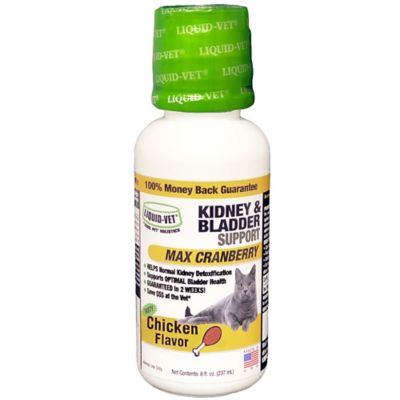
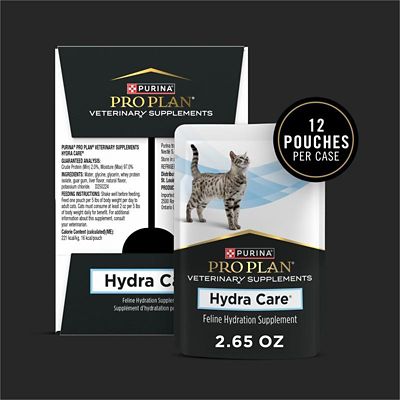
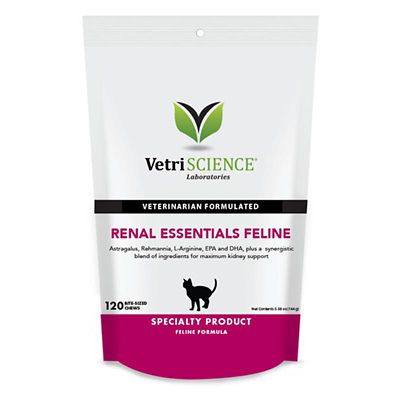
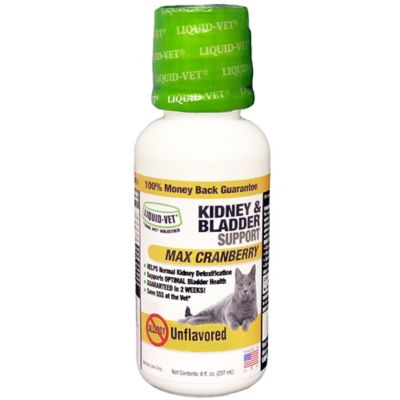
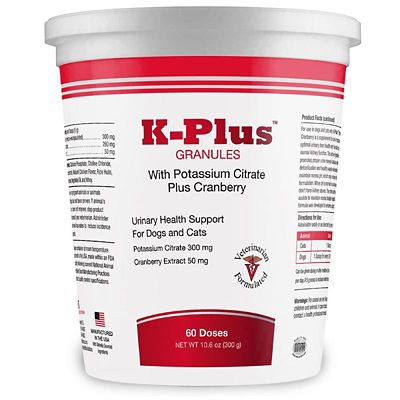
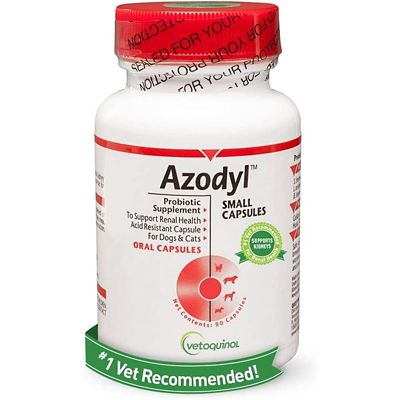
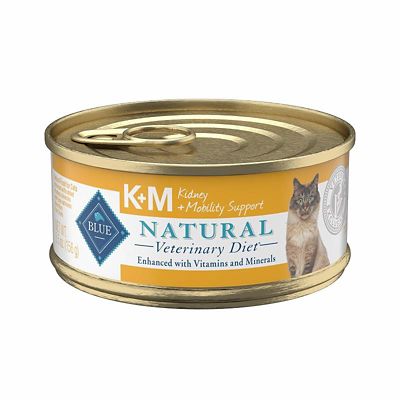
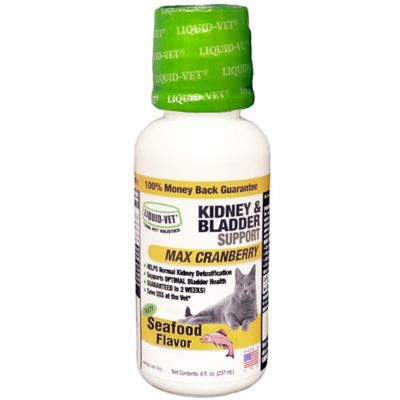
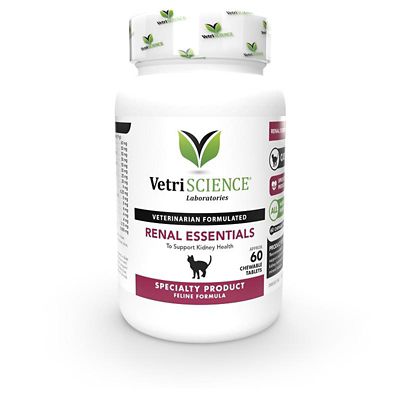
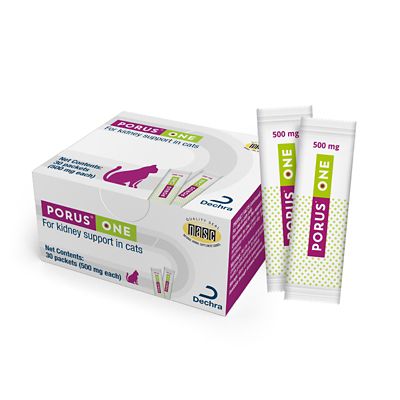
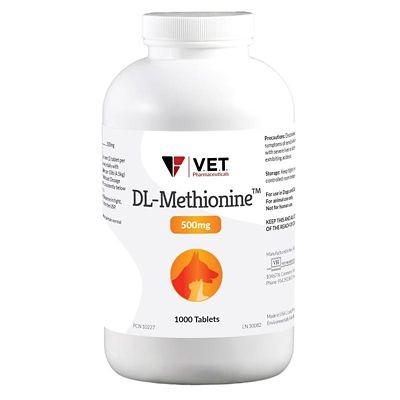
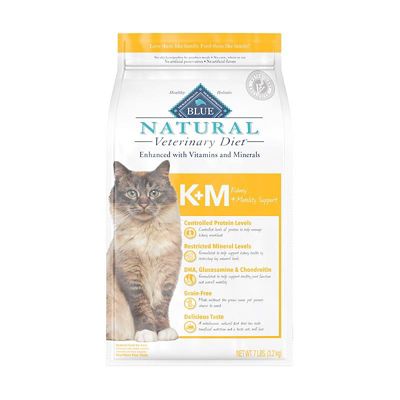
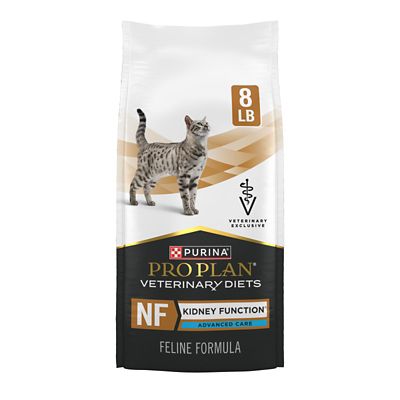
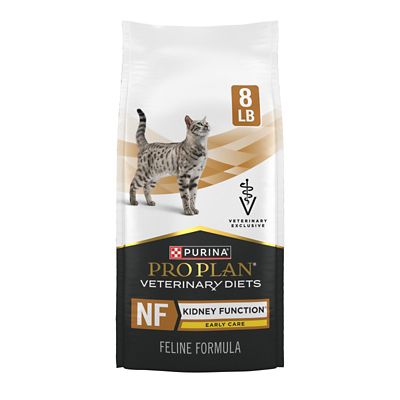
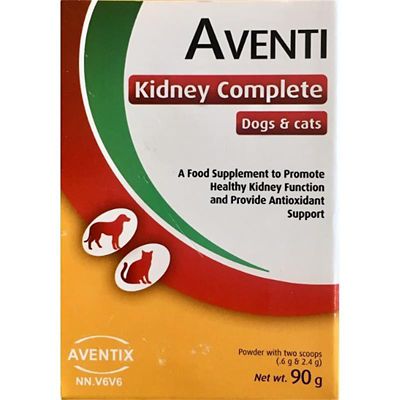
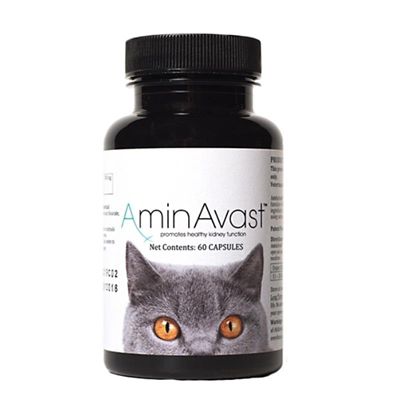
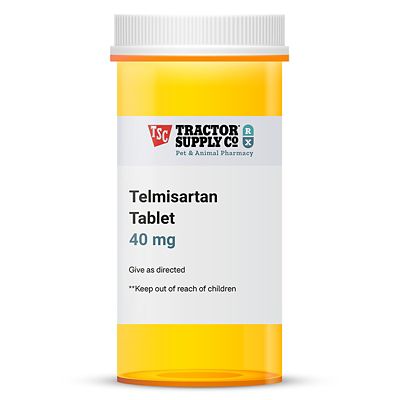
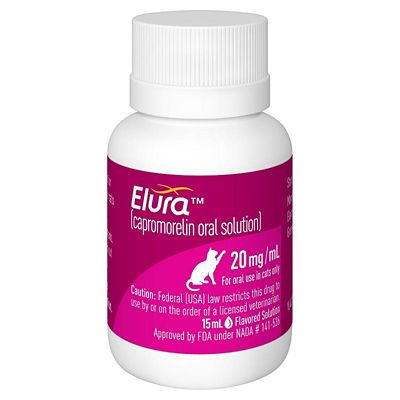
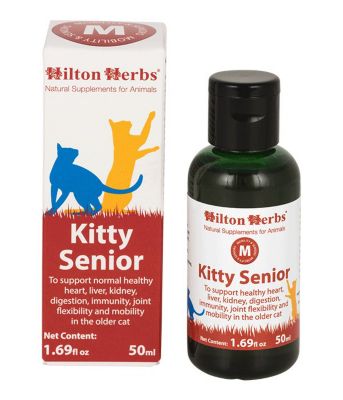
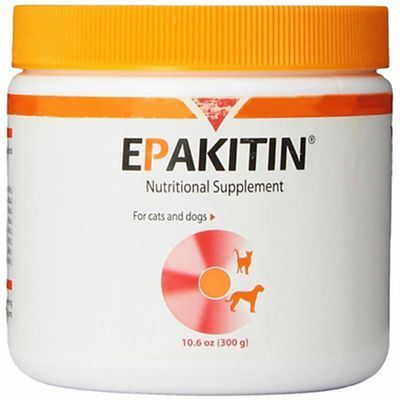
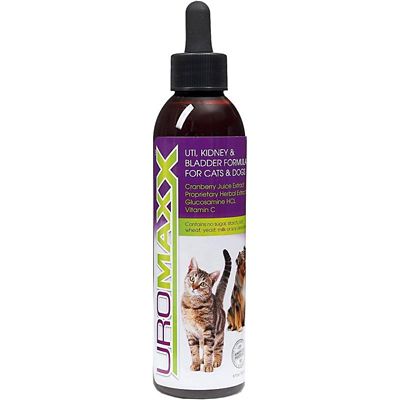
Cat supplements for kidney disease can be part of a broader care plan for cats living with chronic kidney disease (CKD), a condition that becomes more common as cats grow older. Healthy kidneys filter waste from the blood, balance minerals and electrolytes, and help keep the body hydrated. When kidney function declines, waste products can build up, phosphorus may rise, and water-soluble nutrients can be lost through increased urination. Supplements in this category are made to support specific needs, but they are not a cure for kidney disease and should not replace veterinary care, prescription food, or any treatment plan. A veterinarian can use regular bloodwork, urine testing, weight checks, and an assessment of appetite and activity to decide whether a cat needs help with phosphorus, potassium, vitamins, omega-3 fatty acids, digestive support, or another concern. This is especially important because a supplement that is useful for one cat may be unsuitable for another. Cats with CKD can be picky eaters, and even a small change in smell, texture, or flavor may turn a familiar meal into something they walk away from. Look for formulas made for cats, review the serving directions carefully, and consider the form that best fits your routine, such as a powder mixed with wet food, a liquid added in measured amounts, or a chewable format accepted by your cat. If a supplement is being purchased as part of a care package for a friend or family member with an aging cat, a gift card, feeding supplies, or a conversation with the cat’s veterinarian may be more helpful than choosing a supplement without knowing the cat’s lab results. Kidney support is personal, and the right choice should fit the animal rather than simply follow a general recommendation.
Phosphorus management is one of the main reasons cat owners look at kidney support supplements. As kidney function decreases, phosphorus can accumulate in the bloodstream and may contribute to nausea, poor appetite, and additional strain on the body. Phosphorus binders are designed to attach to phosphorus in food inside the digestive tract, limiting how much is absorbed. They are commonly mixed with meals, so timing and thorough blending matter; follow the label and veterinary instructions, especially if your cat eats several small meals throughout the day. Other formulas focus on potassium, since some cats with CKD lose too much potassium in their urine. Low potassium may show up as weakness, reduced grooming, trouble jumping, or an unusual inability to hold the head up normally, but these signs can have many causes and should be checked by a veterinarian. B-complex vitamins may also be considered because frequent urination can wash water-soluble vitamins from the body, while a veterinarian may recommend other support based on bloodwork. Omega-3 fatty acids from marine sources are another common ingredient in kidney-support formulas and may help support a healthy inflammatory response. Choose a cat-appropriate product and ask about the source and amount; avoid adding cod liver oil or other high-vitamin products unless specifically directed, since excess vitamin A and other nutrients can create additional problems. Digestive-support supplements containing selected probiotics are sometimes used to help support the intestinal environment and the handling of waste products, although they should be viewed as one part of care rather than a substitute for medical treatment. Hydration remains central to every kidney-care routine. Fresh water in more than one quiet location, a clean fountain, moisture-rich food, and veterinary guidance about fluids can all help a cat that urinates frequently. During warmer weather and through the cooler months, keep water bowls clean and easy to reach, and watch for changes in drinking, litter box habits, energy, or appetite.
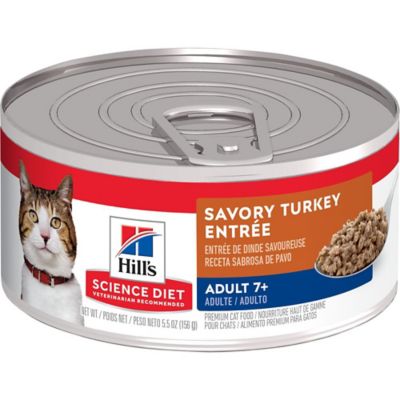
Introducing a kidney supplement calls for a slow, steady approach. Start only after checking with your veterinarian, particularly if your cat takes medication or has heart disease, high blood pressure, diabetes, urinary problems, or another ongoing condition. Ask whether the supplement should be given with food, separated from medicines, or adjusted around a prescription renal diet. Phosphorus binders and mineral supplements can affect how other nutrients or medications are absorbed, and potassium should never be added simply because a cat seems tired or weak. Anemia is also common in advanced kidney disease, but iron should not be given unless a veterinarian confirms it is appropriate; unnecessary iron can upset the stomach and may cause harm. When beginning a new product, use the smallest directed amount, introduce it gradually, and keep an eye on stool quality, vomiting, appetite, and willingness to eat. If your cat refuses food after a change, contact the veterinary team rather than letting a supplement interfere with calorie intake. A simple notebook can help you track meals, water consumption, litter box output, weight, and the time each supplement is given. Many owners find that this turns a confusing routine into something manageable, like keeping feed records for a small farm animal: little details add up and help reveal changes early. Store supplements in a cool, dry place, use the included scoop or measuring device, and keep them out of reach of pets and children. For households comparing supportive nutrition options,
Cat Food for Heart Health may offer another helpful resource, though any diet change should still be discussed with the veterinarian overseeing your cat’s kidney care. The best kidney-support routine is one your cat tolerates, your household can follow consistently, and your veterinary team can monitor over time.