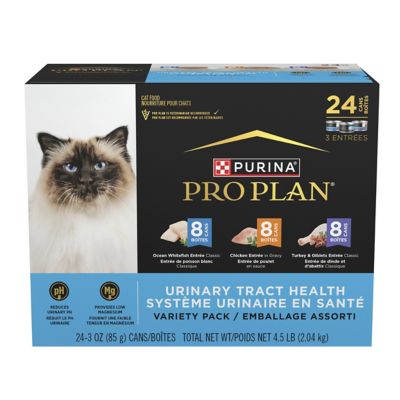
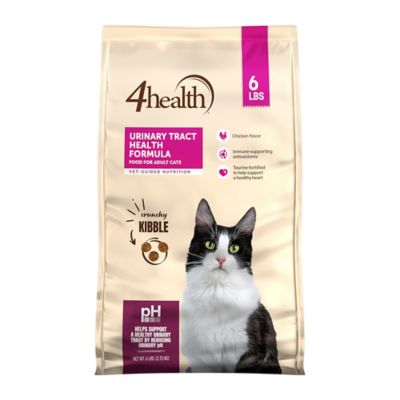
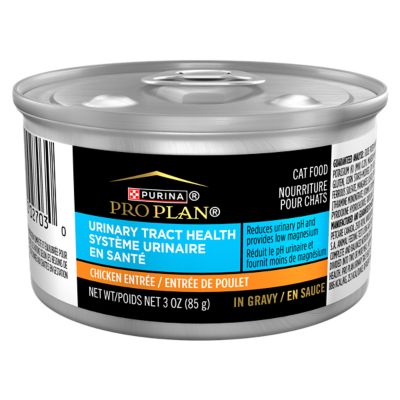
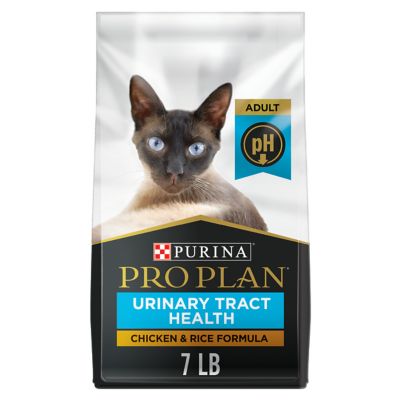
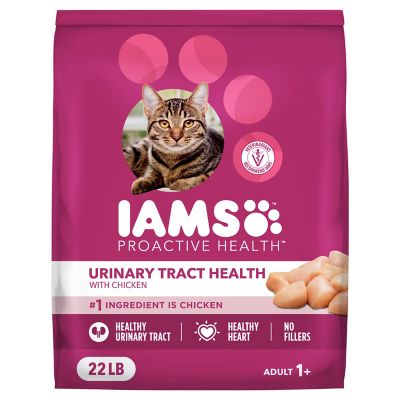
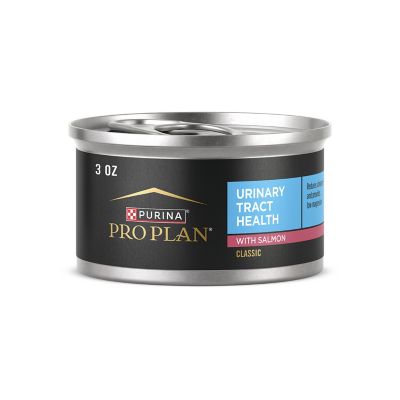
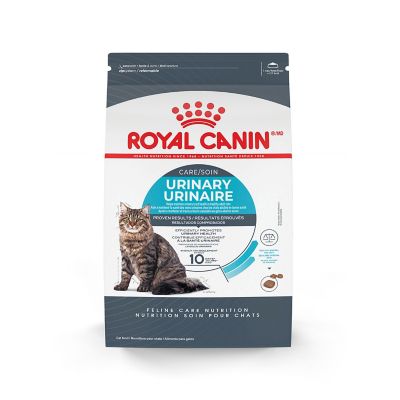
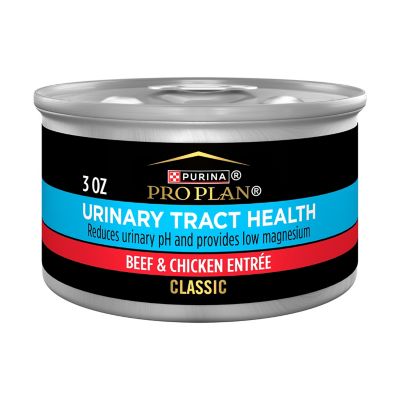
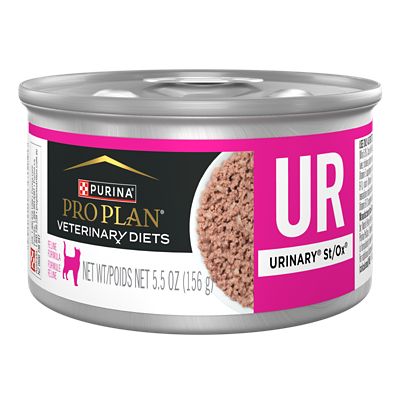
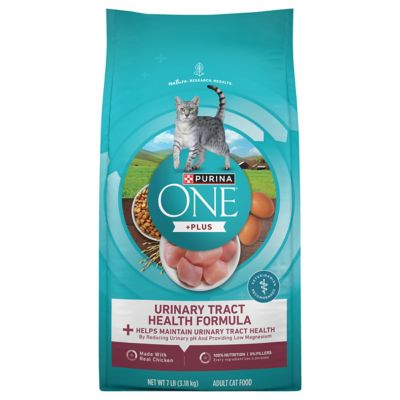
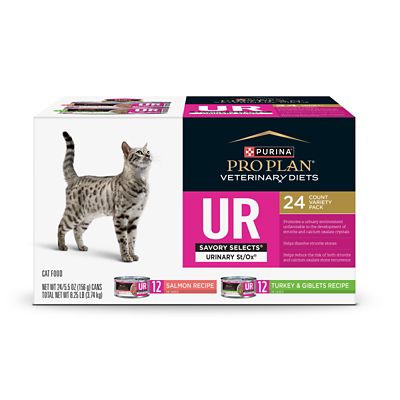
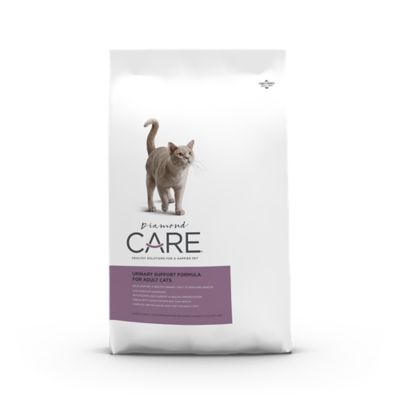
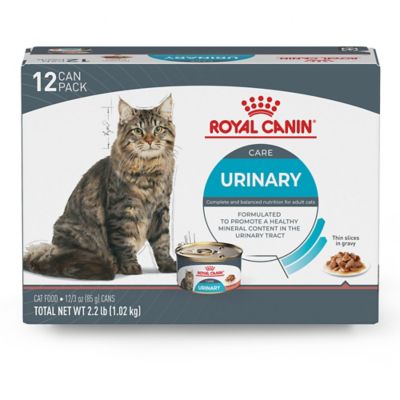
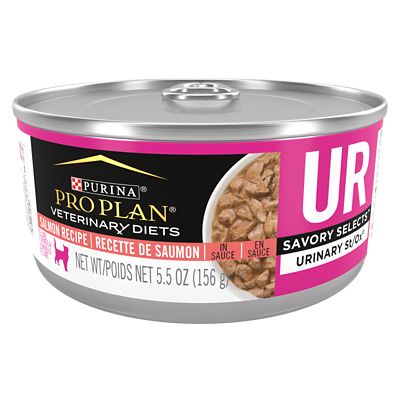
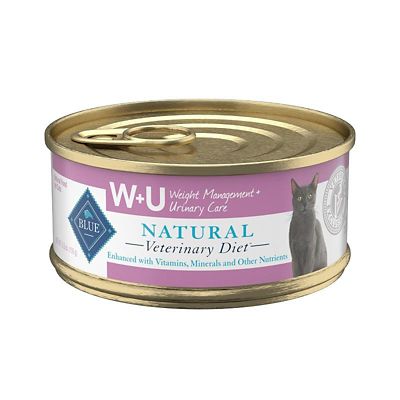
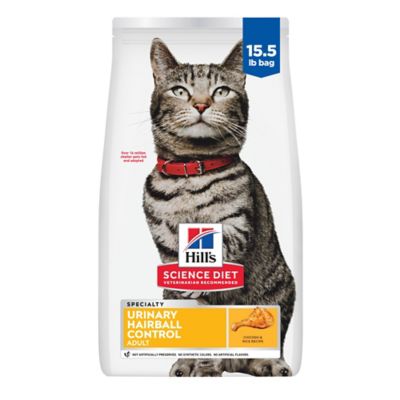
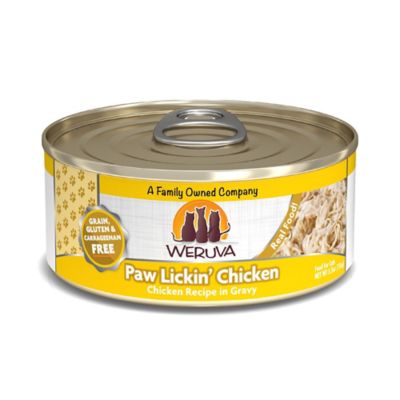
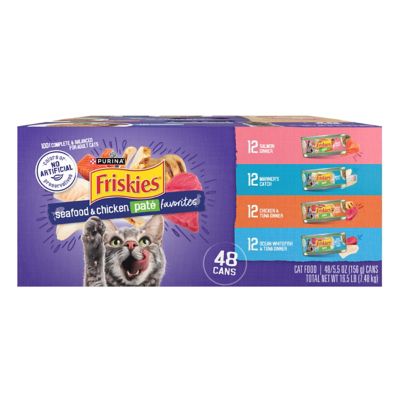
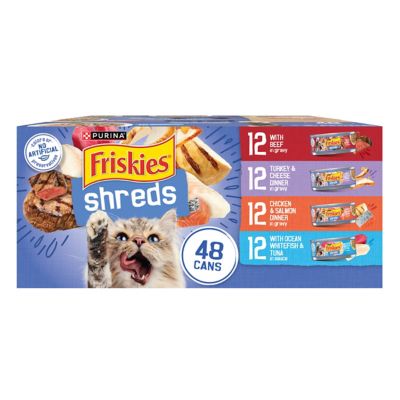
Urinary tract cat food supports bladder and urinary health through controlled mineral levels and a urine pH profile suited to the formula’s intended purpose. Moisture-rich options can also help increase water intake, which helps dilute urine. These foods fall into different categories, and the distinction matters: nonprescription urinary care formulas often support healthy adult cats, while veterinary therapeutic diets address particular needs under a veterinarian’s direction. Neither category makes every urinary problem a feeding problem. Bladder inflammation, urinary crystals, stones, infection, and blockage can share similar signs but call for different care. For everyday feeding, the goal is balanced nutrition that also supports an appropriate urinary environment—not simply the lowest mineral numbers on a label. Magnesium, phosphorus, and calcium all have roles in a cat’s body, so their balance matters more than removing them altogether. Protein, fat, vitamins, and other nutrients still need to meet the cat’s nutritional requirements. A chicken, fish, or other protein description may help narrow down flavors a cat enjoys, but flavor alone does not establish whether a food suits a urinary concern. Grain-free labeling does not establish that suitability either. The nutritional adequacy statement, life-stage designation, and stated purpose offer more useful context. Many urinary maintenance foods are intended for adult cats, so kittens and pregnant or nursing cats need a closer look at whether a formula meets their needs. Older cats may also have kidney disease or another condition that changes the feeding plan. For a cat with a history of urinary trouble, choosing food starts with that medical history rather than a familiar bag color or a flavor the cat liked before. A good match brings together the right nutritional purpose, a texture the cat will eat, and a feeding routine the household can keep up with day after day. That matters whether the food bowl sits beside the kitchen cabinets or in a quiet corner near the mudroom.
Wet and dry urinary tract cat food offer different ways to build that routine. Wet food contributes moisture with each meal and comes in textures such as smooth pâté, minced pieces, or chunks in gravy. Some cats lick the gravy first and leave the rest, while others prefer a soft meal they can eat without working through larger pieces. Paying attention to what actually disappears from the bowl helps distinguish a flavor preference from a texture preference. Dry food is straightforward to measure and can fit timed feeders or smaller meals spread throughout the day, but it contains much less moisture than wet food. A combination can work when both foods suit the same nutritional plan; mixing a therapeutic diet with an unrelated food can change the intended nutrient balance. Fresh drinking water remains important with either format. Several water stations, clean bowls, or a pet fountain may encourage drinking, especially in a home where one cat crowds another away from shared resources. Keep food and water where a cat can reach them without passing a barking dog or squeezing into a busy walkway. Portions deserve the same attention as ingredients. Feeding amounts depend on the food’s calorie content, the cat’s body condition, activity, and any veterinary recommendations, so the same scoop will not necessarily work across different formulas. Measuring meals also makes it easier to notice when a normally eager eater leaves food behind. Treats, toppers, table scraps, and supplements count toward the overall feeding plan and may interfere with a therapeutic diet. Unless a veterinarian directs otherwise, gradual food changes can help a cat accept a different texture or flavor. For storage, keep dry food protected from moisture and pests, preferably in its original bag inside a clean, closed container. Refrigerate opened wet food according to its label, remove uneaten portions promptly, and wash bowls regularly. Simple habits like these help keep meals fresh and make changes in appetite easier to spot.
The best fit for a cat with diagnosed urinary disease depends on what the veterinarian finds, not just the words “urinary health” on the package. Some veterinary diets can dissolve certain struvite stones and help manage the conditions that allow them to form. Calcium oxalate stones cannot be dissolved with food, although a veterinarian may recommend a diet to help lower the risk of recurrence after treatment. Urinary pH is only one part of that picture, and adding an acidifier or another supplement without guidance can work against the feeding plan. Cats with kidney disease, heart disease, diabetes, or other health concerns may need a different balance of nutrients, which is another reason therapeutic diets are not interchangeable. In a household with several cats, separate meals or controlled-access feeders can help keep the prescribed food with the cat it is meant for. They also make it easier to track appetite instead of guessing which cat emptied a shared bowl. Urinary food works within a broader care routine that includes clean, accessible litter boxes, places to rest undisturbed, and attention to changes in bathroom habits. Frequent litter box visits, blood in the urine, crying, or straining call for prompt veterinary attention. A cat that cannot pass urine needs emergency care, especially a male cat; a food change is not a substitute for treatment. Once the immediate concern is addressed, follow-up testing can help the veterinarian assess whether the longer-term feeding plan is doing its job. Households caring for both cats and dogs can also explore
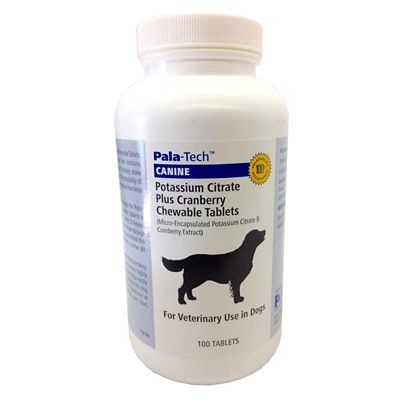
Urinary Tract Health Supplements for Dogs for canine needs, while keeping each animal’s food and supplements separate. Cat and dog nutritional needs differ, and a supplement intended for one species should not be shared with the other without veterinary direction. For everyday meals, a suitable urinary tract cat food should match the cat’s diagnosis or maintenance needs, provide appropriate nutrition, and fit a routine that makes eating, drinking, and bathroom habits easy to keep an eye on.