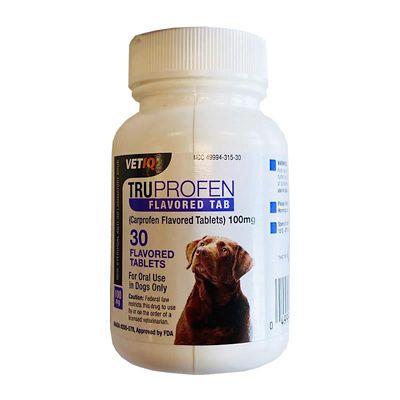
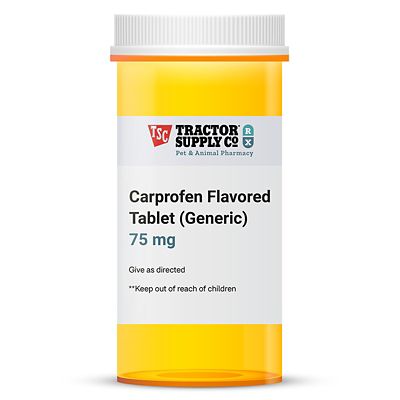
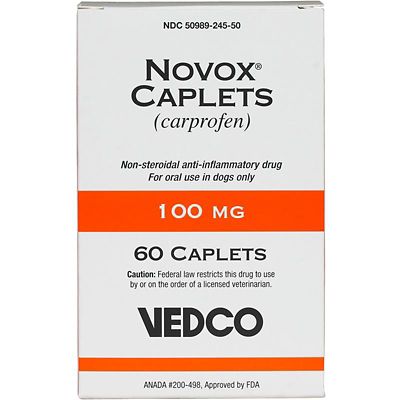
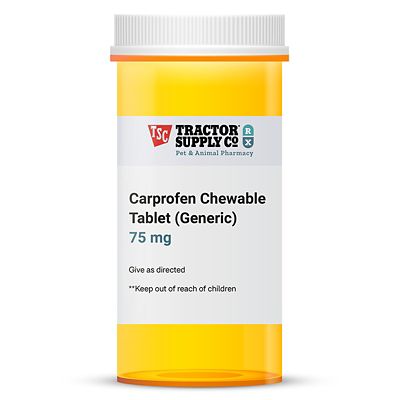
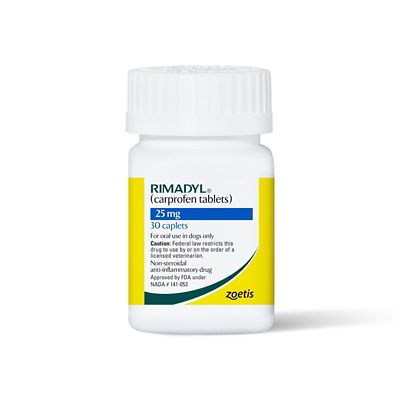
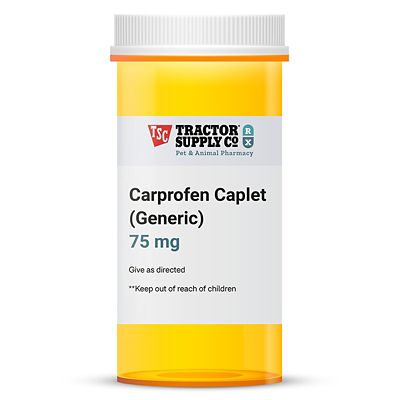
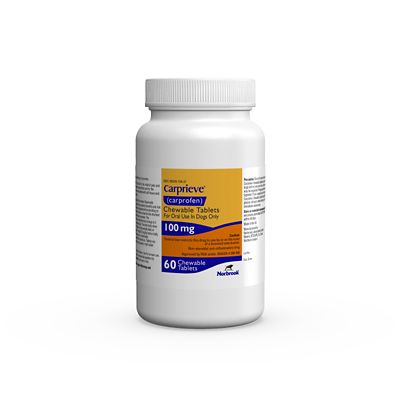
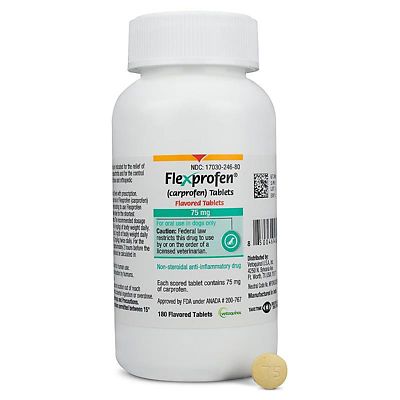
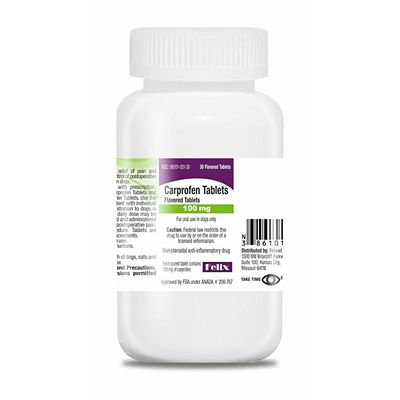
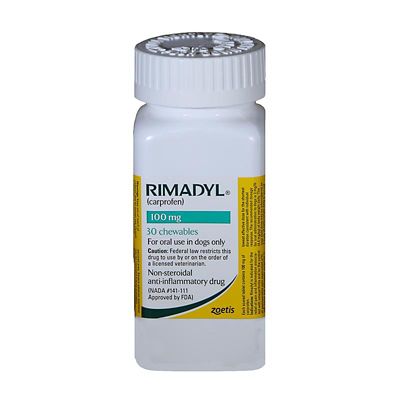
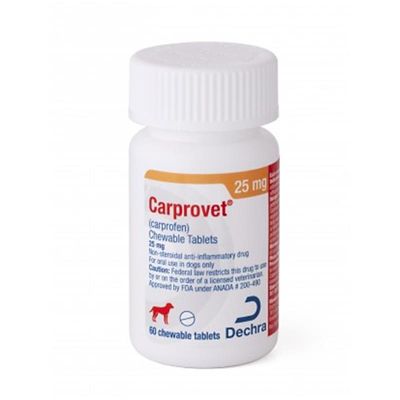
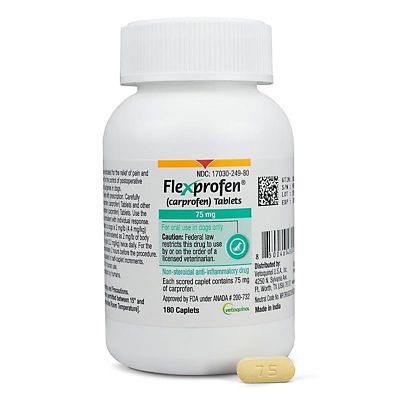
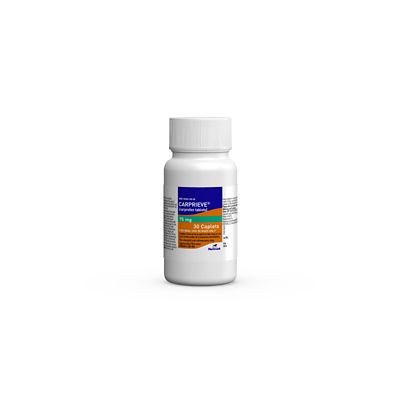
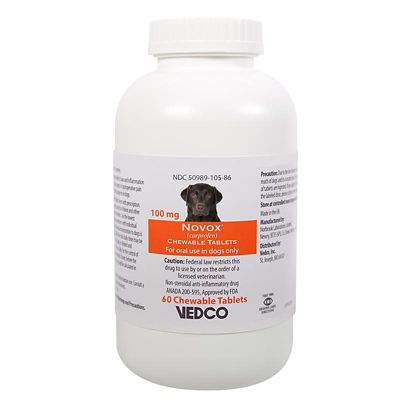
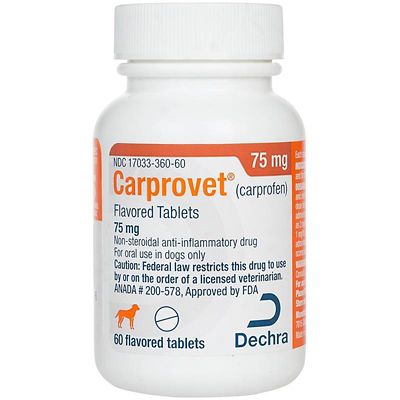
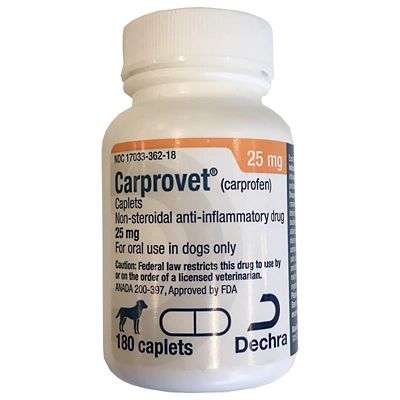
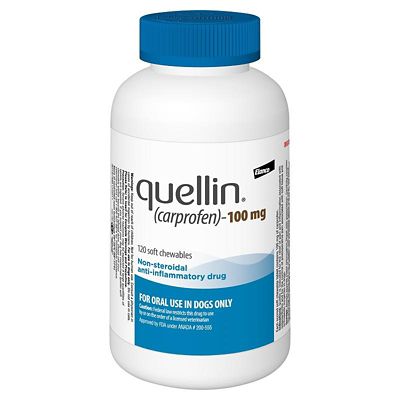
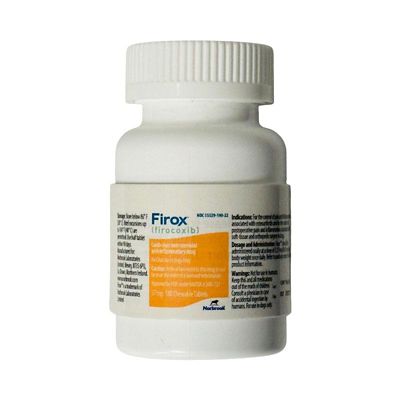
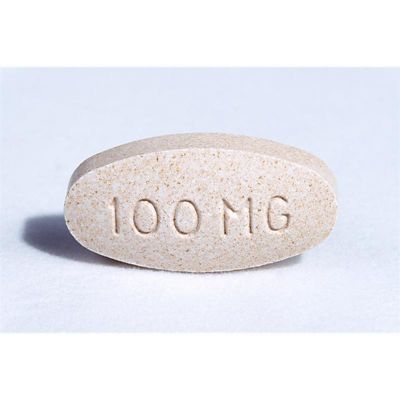
Carprofen chewable tablets for dogs are prescription nonsteroidal anti-inflammatory drugs (NSAIDs) used to help manage pain and inflammation under the direction of a veterinarian. They may be prescribed for dogs with osteoarthritis, hip or joint problems, or soreness related to an orthopedic procedure. A veterinarian may also recommend carprofen for short-term discomfort after soft-tissue surgery. By easing inflammation and tenderness, this medication can help a dog move more comfortably, climb a few porch steps, settle down at night, or enjoy an easy walk around the pasture again. It is not a general-purpose pain reliever and should only be given to the dog it was prescribed for, using the exact strength and schedule provided by the veterinary team. Carprofen chewable tablets commonly come in 25 mg, 75 mg, and 100 mg strengths, and some are scored to make accurate splitting easier when a veterinarian calls for a particular amount. The standard target often referenced for carprofen is 2 mg per pound of body weight per day, given once daily or divided into two smaller doses; however, the right dose depends on a dog’s weight, age, health history, diagnosis, other medications, and response to treatment. Never adjust the amount, change how often it is given, or use leftover tablets for another dog without checking with a veterinarian. A working dog that spends long hours riding in a truck, an older family dog that is stiff after resting, and a young dog recovering from surgery may all have very different care needs, even if they weigh about the same. A current prescription and professional dosing instructions are especially important because carprofen is made for dogs and is not safe to give to cats or other pets. Keep tablets in their original container, follow the label, and store them where children and animals cannot reach them. Flavored chewable tablets may be easier to offer by hand or with a small bite of food, but they should still be treated like medication rather than an ordinary snack.
Many dogs tolerate carprofen well when it is prescribed and monitored properly, but owners should watch closely for changes in appetite, drinking, energy, digestion, or bathroom habits. Giving the tablet with food may help reduce stomach upset, unless the veterinarian provides different instructions. Contact the veterinary office promptly if a dog develops vomiting, diarrhea, reduced appetite, unusual tiredness, increased thirst or urination, yellowing of the gums or eyes, changes in behavior, or other symptoms that seem out of character. Dark, tarry stools, blood in vomit or stool, severe weakness, collapse, or signs of an allergic reaction require immediate veterinary attention. It is also important to tell the veterinarian about kidney disease, liver problems, heart conditions, dehydration, bleeding disorders, stomach ulcers, or any known allergy to carprofen, aspirin, or other NSAIDs. Carprofen should not be used in dogs with a known sensitivity to the medication, and a veterinarian must decide whether it is appropriate for a pregnant or nursing dog. Never combine it with another NSAID, including
Dog Aspirin, unless a veterinarian specifically directs the change. Corticosteroids and certain other medicines can also create unsafe interactions, so bring a full list of prescriptions, supplements, flea and tick products, and over-the-counter medicines to every appointment. If a dog is changing from one anti-inflammatory to another, the veterinary team may recommend a washout period rather than starting the new medicine immediately. Routine examinations and, for some dogs, blood or urine testing can help the veterinarian check liver and kidney function during longer-term treatment. Keep an eye on mobility at home, too. A simple note about how easily a dog rises from a bed, handles slick floors, gets in and out of a vehicle, or finishes a familiar walk can help show whether treatment is supporting comfort. During warmer weather, make sure dogs have plenty of clean water and shade, since dehydration can place extra strain on the body. As cooler weather settles in, a padded resting spot, dry bedding, and steady low-impact activity may help an arthritic dog stay more comfortable, but these steps do not replace veterinary care.
When shopping for carprofen chewable tablets for dogs, match the prescription label carefully, including the tablet strength, quantity, directions, and the dog’s name. A dog’s weight can change over time, particularly after an illness, surgery, or shift in activity, so do not rely on an old dose from a previous season or a different pet. Ask the veterinarian or pharmacist how to handle a missed dose, whether the tablet may be split, and what to do if the dog spits it out or vomits soon after taking it. Do not crush or hide medication in a full bowl of food unless the veterinary team confirms that approach; using a small amount makes it easier to know the entire dose was swallowed. Keep a written medication schedule near the feed room, mudroom, or wherever daily pet care happens, especially when more than one person helps with chores. That small habit can prevent a second dose from being given by mistake. Carprofen may help an older dog remain interested in gentle walks, time beside the barn, or family life on the porch, but comfort should be paired with sensible activity. Short, even walks and controlled movement are generally easier on sore joints than sudden sprints, rough play, or repeated jumping, particularly after a procedure. Follow all discharge instructions after surgery and prevent licking, running, or climbing until the veterinarian says those activities are safe. These products are intended for dogs with a current veterinary recommendation, not as a casual addition to a pet first-aid kit or a substitute for an examination. Choosing the correct prescription strength, using it exactly as directed, and paying attention to small changes in a dog’s daily routine can make medication time simpler and help keep a trusted companion moving through the seasons with greater comfort.