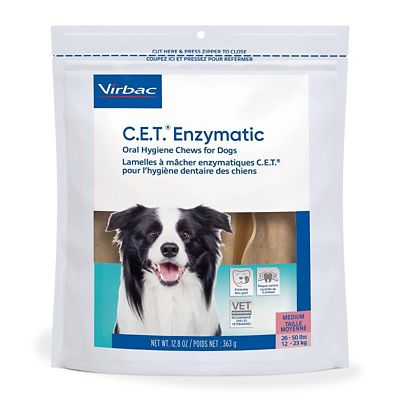
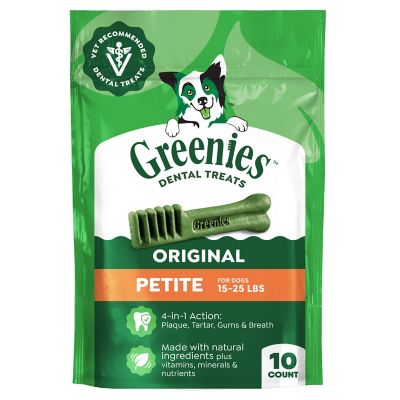
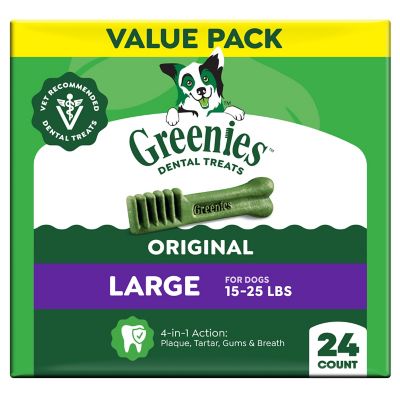
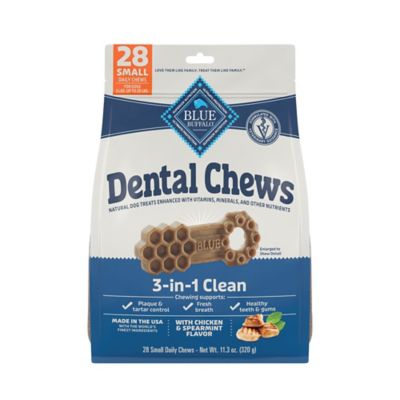
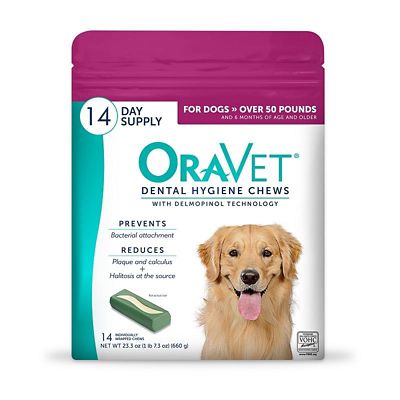
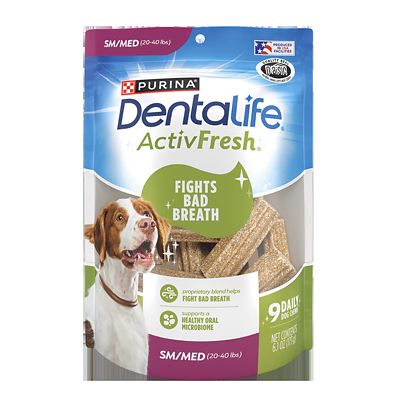
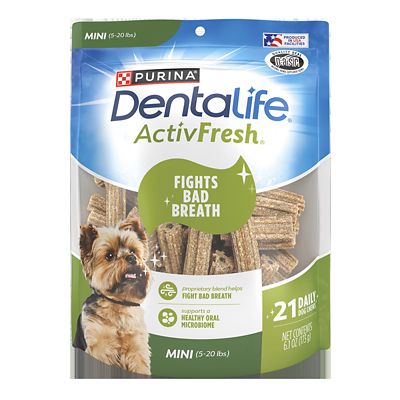
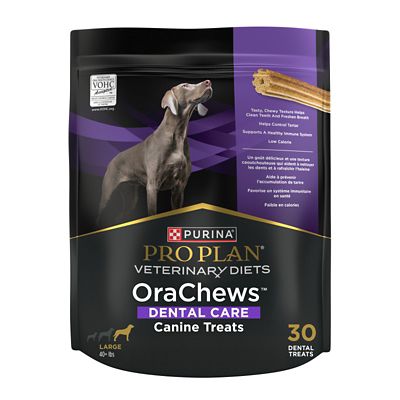
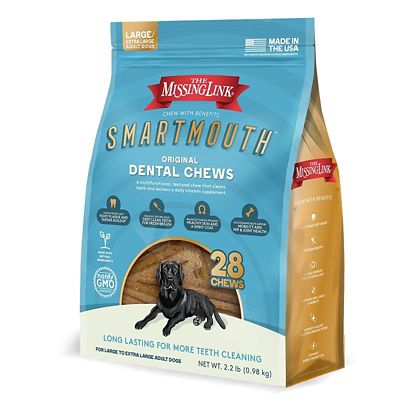
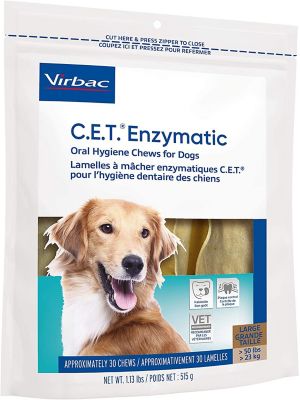
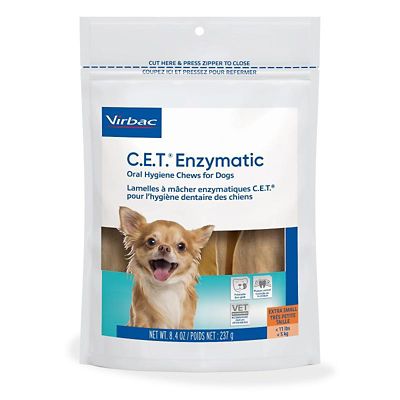
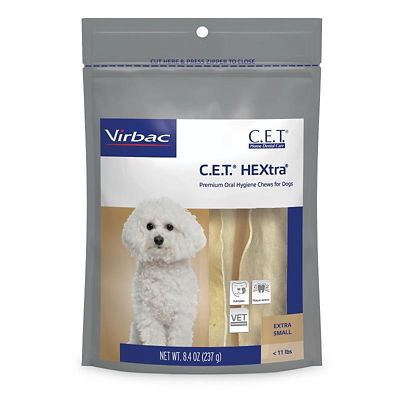
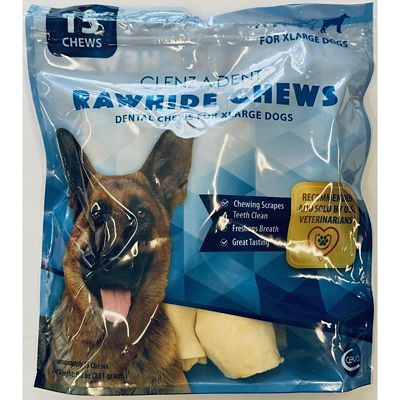
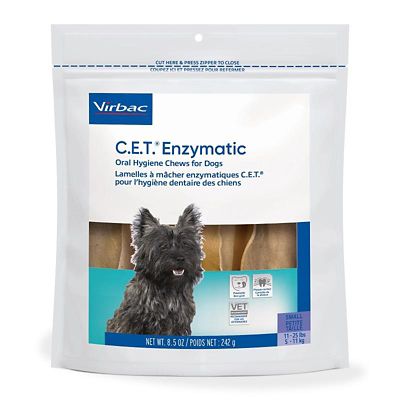
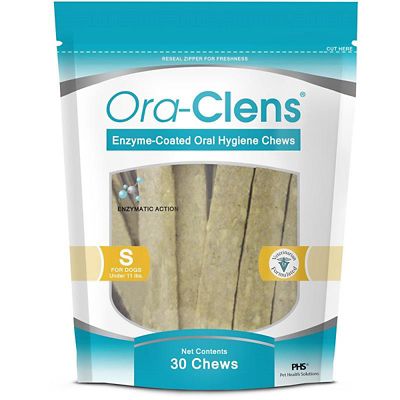
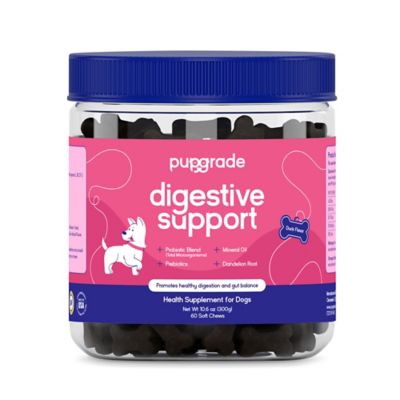
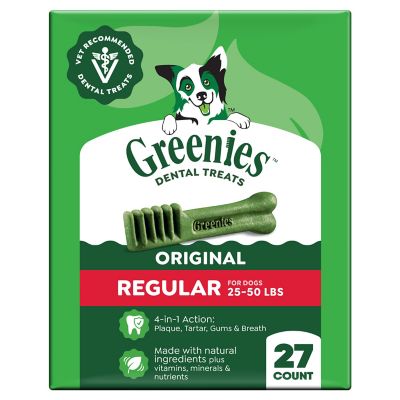
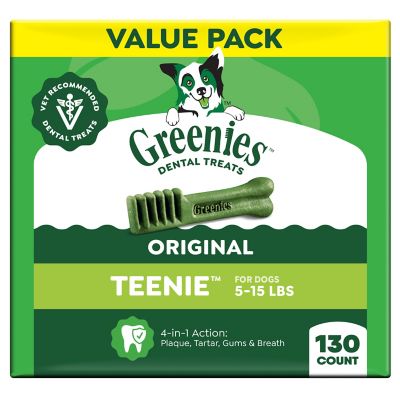
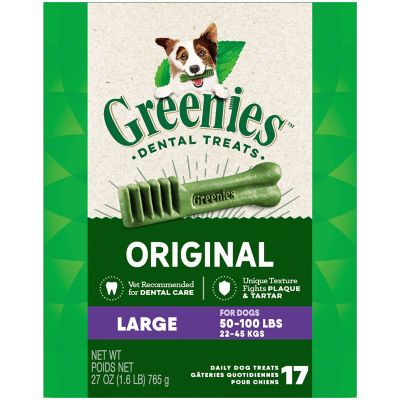
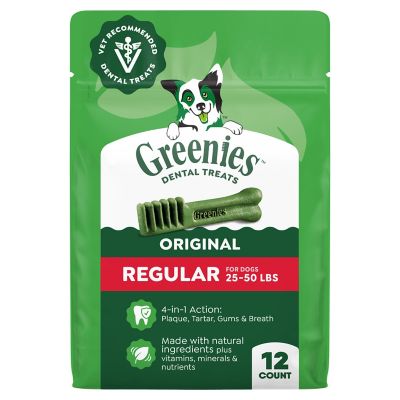
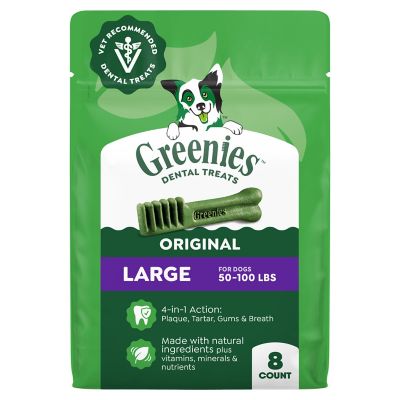
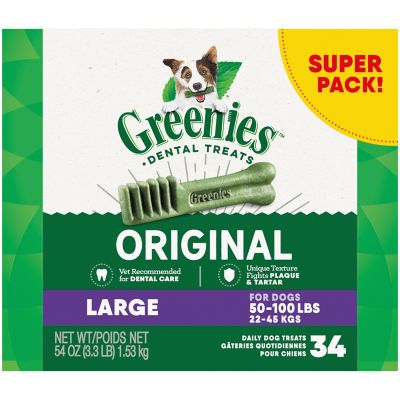
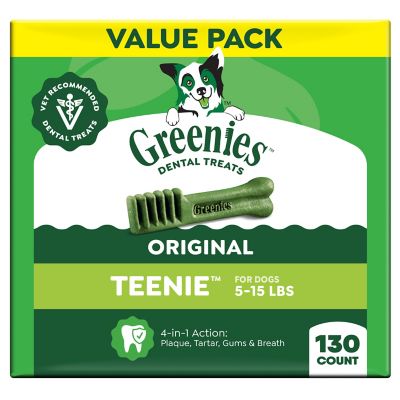
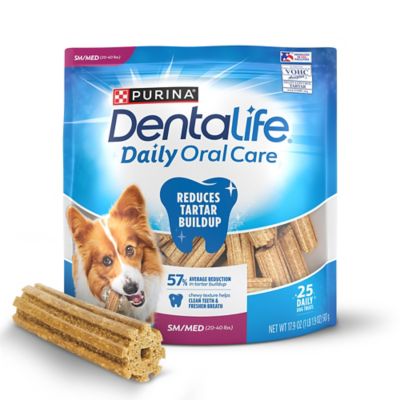
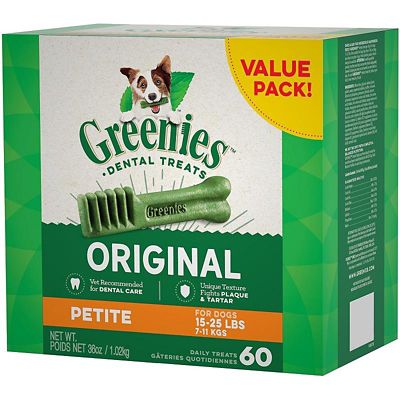
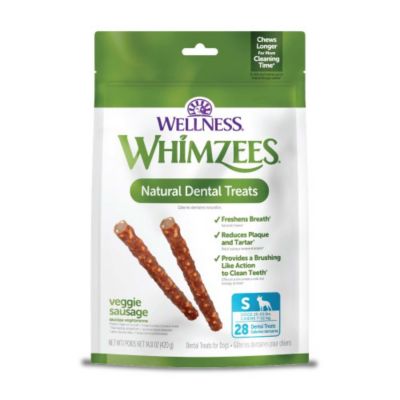
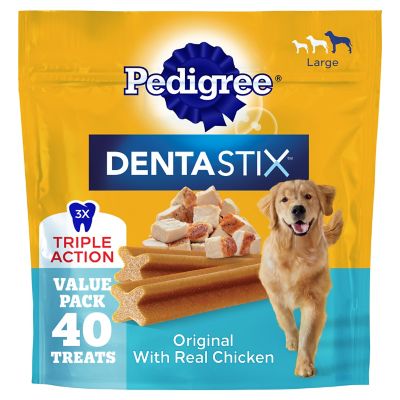
Enzyme dental chews for dogs are made to support a cleaner mouth through two kinds of action: chewing friction and enzyme activity. As a dog gnaws, the chew’s textured surface can rub against the teeth and help loosen some plaque before it hardens into tartar. At the same time, enzymes on the chew mix with saliva and may help manage odor-causing bacteria in the mouth. Many enzymatic formulas use a dual-enzyme system, such as glucose oxidase and lactoperoxidase, which becomes active as the chew is moistened during chewing. Some are made with tightly layered beefhide, while others use a firm, textured matrix that gives a dog plenty of surface contact as it works through the chew. Poultry, beef, or other savory flavoring may be added to make the chew more appealing, especially for dogs that turn their noses up at a toothbrush. These treats can be a handy part of a regular home-care routine for dogs with noticeable breath, dogs that enjoy a daily reward, or busy households looking for an easy way to add oral care to the day. They are also a thoughtful, practical gift for a friend or family member who has a new puppy, an active farm dog, or a well-loved companion that deserves a little extra attention. A chew may keep a dog settled on the porch while chores are finished, offer a quiet reward after a walk, or become part of the evening routine when the house starts to wind down during the cooler months. Enzyme dental chews are intended to support oral hygiene, not replace veterinary care, professional cleanings, or brushing when a veterinarian recommends it. Existing heavy tartar, red or bleeding gums, loose teeth, facial swelling, mouth pain, or a sudden change in eating habits should be checked by a veterinarian rather than managed with treats alone.
Choosing the right enzymatic dental chew starts with your dog’s size, chewing habits, age, and health needs. Follow the package weight range closely, since an extra-small chew may disappear too quickly for a large dog, while an oversized or especially firm chew may be difficult for a small dog to handle. Proper sizing also helps provide the intended abrasive action across the teeth. A fast eater may need a different style than a patient, determined gnawer, and some dogs do better with a softer texture if they have sensitive teeth. Always watch the first few chewing sessions and make sure your dog is working the chew instead of trying to swallow it whole. Gulping removes much of the dental benefit and can create a choking risk or digestive blockage. Take the chew away when it becomes small enough to swallow, and discard pieces that are overly sharp, splintered, or worn down. Dogs should be supervised with any chew, including those that are labeled digestible. Check the ingredient list for common sensitivities, especially if your dog reacts to beef, poultry, grains, or other flavoring ingredients. Calorie content matters, too; a daily dental chew should fit comfortably within your dog’s overall treat allowance, with meals adjusted as needed to help maintain a healthy weight. Keep chews in a cool, dry place and use clean hands when handling them. If your dog has a history of dental disease, a delicate mouth, food allergies, trouble chewing, or a condition that affects digestion, ask your veterinarian which texture and ingredients make sense. For older companions, gentle selection becomes even more important. You can browse
Dental Chews For Senior Dogs for options suited to the changing needs of aging dogs.
For the best results, use enzyme dental chews consistently according to the package directions and pair them with other veterinarian-approved oral-care habits. Brushing remains one of the most direct ways to clean a dog’s teeth, though many owners know that getting a brush past a determined heel-nipper can take patience, practice, and plenty of praise. A dental chew can make a useful supplement on the days when brushing does not go smoothly, but it is not a complete substitute for a toothbrush or a professional cleaning. Look for clear feeding instructions, a stated size range, expiration or freshness information, and packaging that explains the chew’s enzymatic or abrasive features. Products accepted by recognized veterinary dental programs may offer another helpful point of comparison, although no chew works identically for every dog. Pay attention to your dog’s breath and chewing habits over time rather than expecting an instant transformation. A dog that once dropped a chew untouched may warm up to a different flavor or shape, while another may prefer a firm chew that takes several minutes to finish. Introduce any new treat gradually and stop using it if your dog develops vomiting, diarrhea, mouth irritation, or another concerning reaction. With the right size, steady supervision, and realistic expectations, enzyme dental chews can fit neatly into life with dogs of all kinds, from a young retriever carrying one off to the backyard to an older hound enjoying a quiet reward beside the kitchen door. They offer a simple way to give your dog something satisfying to do while supporting fresher breath and everyday plaque control alongside a complete dental-care routine.