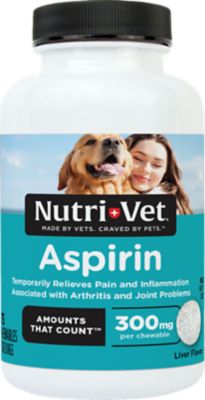
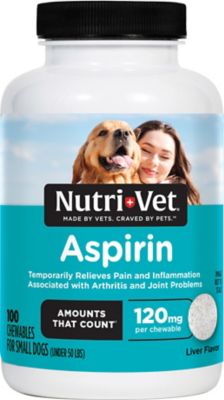
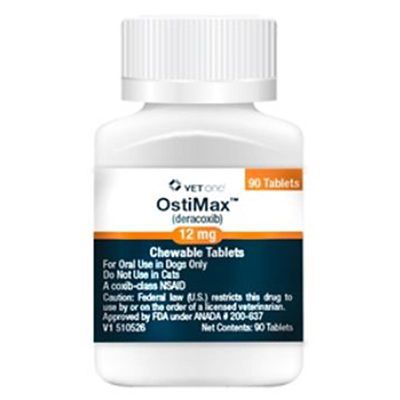
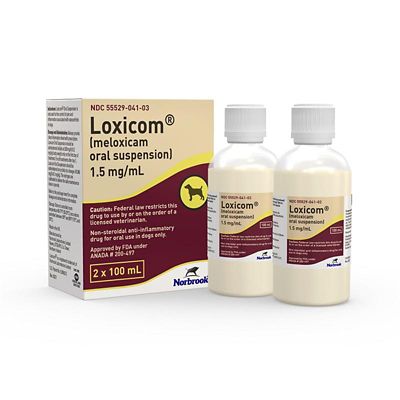
Dog aspirin is an over-the-counter pain medication category, but a canine label does not make aspirin safe for every dog. Do not give a dog aspirin unless a veterinarian explicitly recommends it for that animal. Aspirin is not FDA-approved for dogs, and it can cause stomach ulcers, gastrointestinal bleeding, kidney injury, and other serious complications. It also interferes with platelet function, which can make bleeding harder to stop. Those risks matter whether a dog spends the day riding along to the feed store, keeping an eye on the barnyard, or napping beside the kitchen table. A limp after a romp across the pasture is a reason to call the vet, not a reason to reach straight for a pain reliever. Aspirin belongs to a group of medicines called nonsteroidal anti-inflammatory drugs, or NSAIDs. It can reduce pain and inflammation, but it does not identify or fix the problem behind a sore leg, a stiff back, or trouble getting up. Veterinarians generally favor prescription pain medicines approved for dogs when medication is appropriate, with the choice based on the dog’s condition and health history. When looking at dog aspirin, the important label details include the active ingredient, the amount in each tablet, the intended species, and the warnings. Package size, tablet count, and flavor do not establish whether a medicine is suitable for a particular pet. A weight range on the label cannot account for dehydration, kidney disease, a bleeding disorder, or another medicine already in the dog’s system. Even a dog that seems healthy may have a condition that changes the risk. For households with several dogs, a recommendation for one animal does not carry over to another. Each dog needs its own assessment, especially when there is a new limp, reluctance to climb steps, or a change in the way it stands or walks.
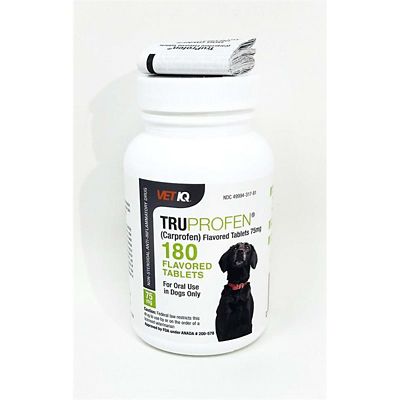
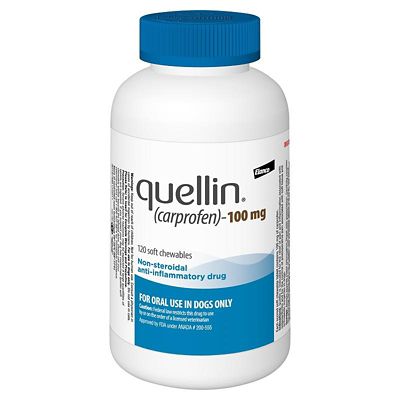
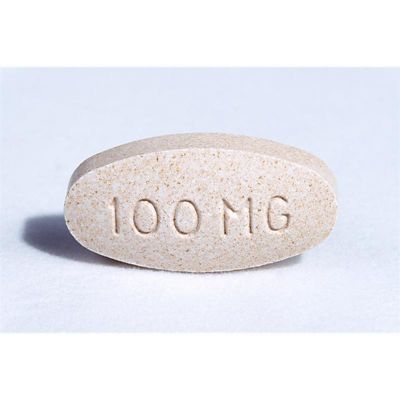
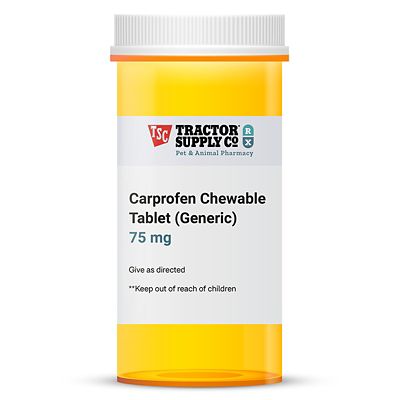
Aspirin products marketed for dogs may come in tablets or flavored chewable forms, and some labels describe a buffered formulation. These differences affect how the medication is presented, not whether veterinary approval is necessary. Buffered aspirin can still cause ulcers and bleeding; it is not a stomach-safe substitute for a veterinarian’s treatment plan. A chewable format may be easier to offer when a vet directs treatment, but a meat-like scent or taste can also tempt a dog to eat the contents of a bottle. Medication belongs in its original, tightly closed container, secured where pets and children cannot reach it—not in a treat jar, an open grooming tote, or a bag hanging from a low hook. Follow the package’s storage directions, keep the label readable, and check the expiration date. If a dog gets into an aspirin container, contact a veterinarian or animal poison control service immediately, even if the dog still seems fine. Have the package ready so the professional can check the ingredient, strength, and possible amount swallowed. For a planned purchase, those same details help a veterinarian evaluate the formulation before any dose is given. There is no single aspirin dose or schedule that fits every dog, and a human tablet should not be split by guesswork to match a pet’s size. Puppies, pregnant or nursing dogs, older dogs, and dogs with existing health problems need particular caution. Aspirin should not be combined with another NSAID, a steroid, or any other pain medicine unless a veterinarian specifically directs the treatment. Switching medicines can also require a veterinarian-set waiting period, because overlapping effects may increase the chance of serious harm. Share every medication and supplement the dog takes, including occasional remedies. A complete list gives the vet a clearer picture than the aspirin label alone, and it helps prevent a well-meant attempt at comfort from turning into an emergency.
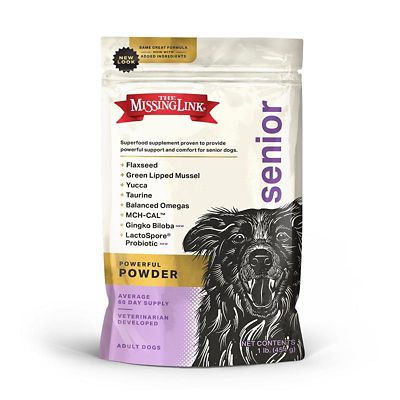
For families caring for an older companion, dog pain relief often involves more than choosing a tablet. A dog that once hopped into the truck may start waiting beside the door, while another may take longer to settle onto its bed or pull away when a sore spot is touched. These changes deserve a veterinary check rather than an assumption that they are simply part of getting older. Arthritis is one possible cause, but injuries, spinal problems, and other illnesses can look similar at home. The right treatment depends on what is causing the discomfort, how long it has been happening, and what the dog can safely tolerate. Shoppers exploring
Pain Relief For Older Dogs can keep that broader picture in mind when considering comfort and mobility products alongside veterinary care. Supportive bedding, secure footing, and a properly fitted mobility harness may help with everyday movement, but none replaces an examination or prescribed treatment. For a harness, measurements and the location of support matter more than a general size name; it should not rub, restrict breathing, or put pressure on a painful area. Bedding with a washable cover can make cleanup easier, while a low entry can help a dog settle down without a big step. Any ramp needs a stable base, a manageable incline, and a surface that gives paws traction. These practical details belong beside medication safety in a thoughtful care plan. If a veterinarian recommends aspirin, follow that dog’s exact directions and keep track of each dose so two family members do not accidentally give the same medicine. Vomiting, loss of appetite, abdominal discomfort, bloody vomit, or black, tarry stools require prompt veterinary attention. Collapse, pale gums, or marked weakness can signal an emergency. Do not give another dose while waiting for advice. A dog that cannot bear weight or is suddenly in severe pain also needs prompt evaluation, not a trial of an over-the-counter remedy. The goal is comfortable daily life backed by a treatment plan that fits the dog, not simply less visible limping.