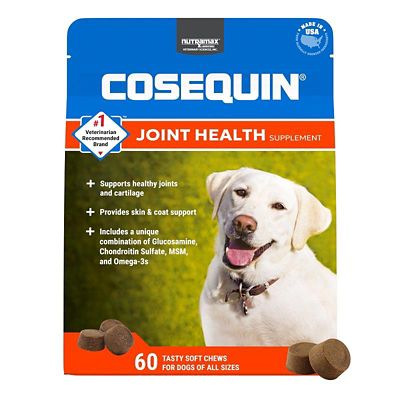
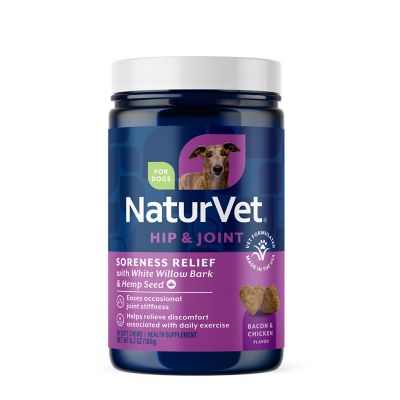
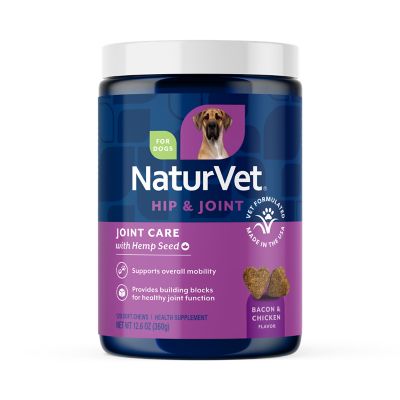
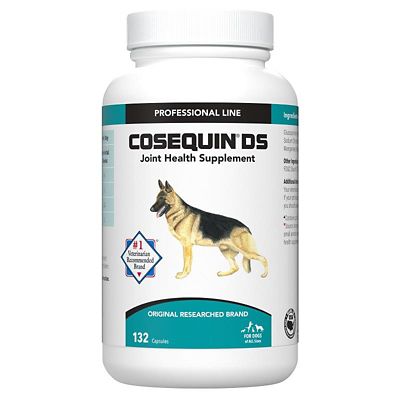
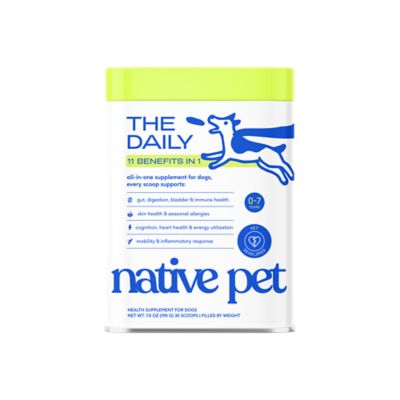
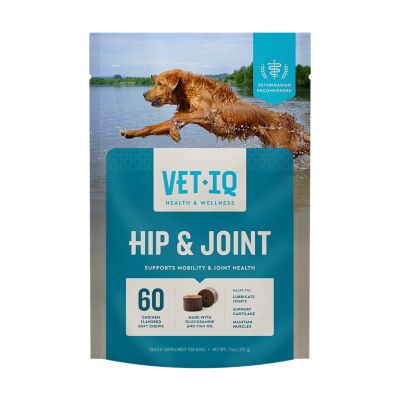
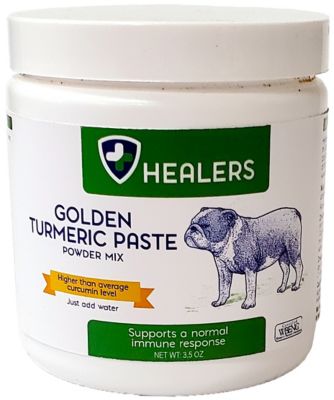
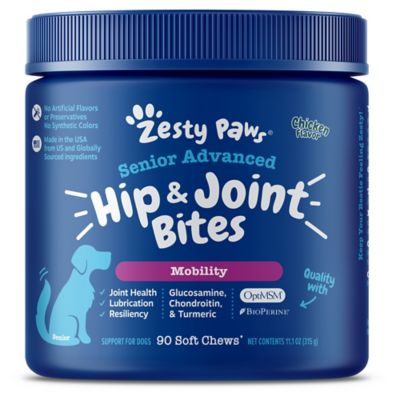
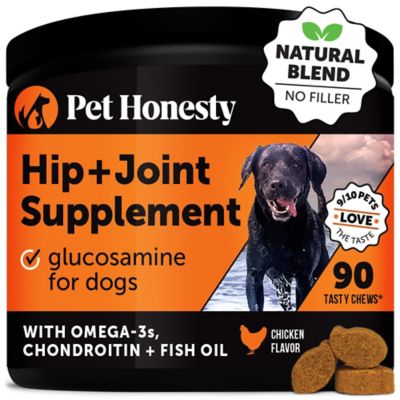
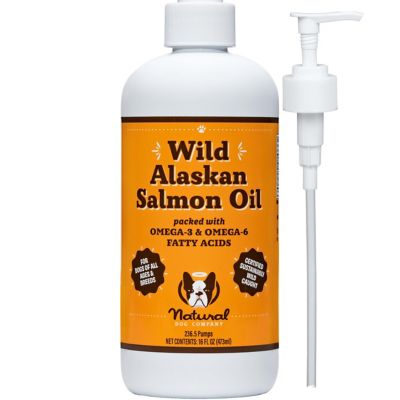
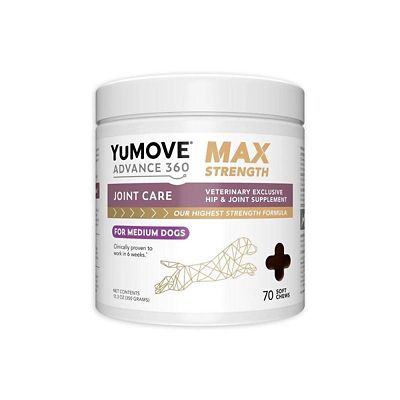
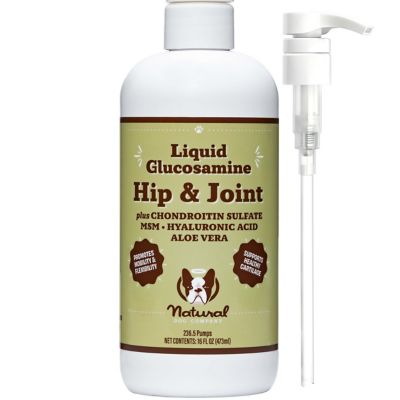
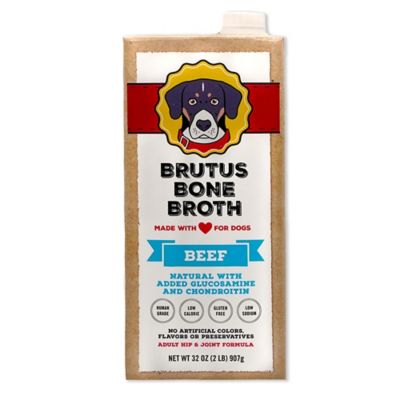
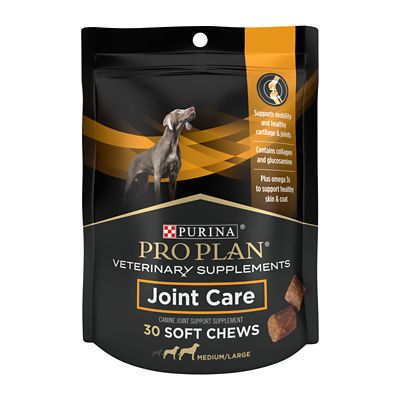
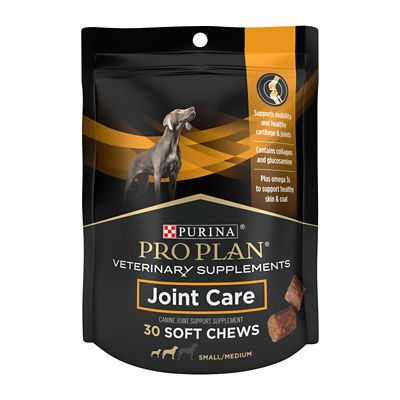
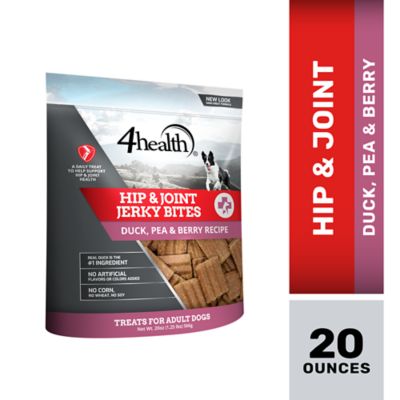
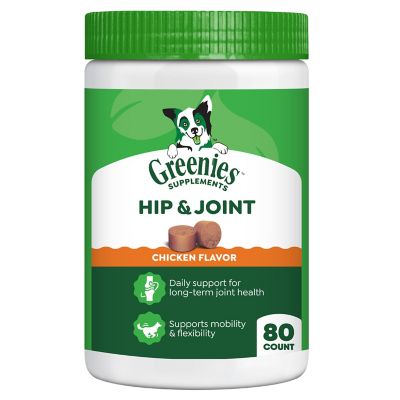
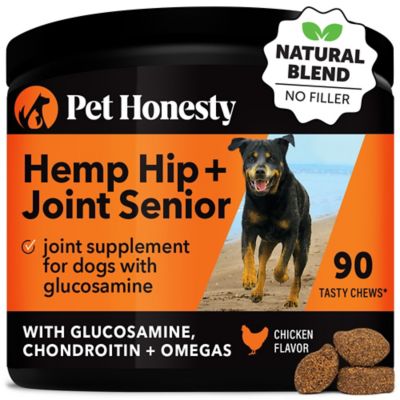
Anti-inflammatory supplements for dogs are intended to support a healthy inflammatory response, joint comfort and everyday movement. Common ingredients include omega-3 fatty acids from fish oil, glucosamine, chondroitin, green-lipped mussel, turmeric and Boswellia serrata, though their benefits and supporting research differ. These supplements are not the same as prescription anti-inflammatory medicines, and they do not replace a veterinarian’s diagnosis or treatment. For a dog that trots along the fence line, follows the family around the yard or prefers a shorter walk these days, the goal is support that fits the dog’s needs and regular routine. Fish oil supplies EPA and DHA, omega-3 fatty acids that may help support joint function and comfort in dogs with osteoarthritis. When comparing fish oil formulas, the amounts of EPA and DHA per serving are more informative than the total amount of oil alone. Glucosamine and chondroitin are common joint-support ingredients associated with cartilage, the tissue that cushions joints, but evidence for meaningful relief in dogs is mixed. Their presence on a label does not guarantee easier movement or cartilage repair. Green-lipped mussel provides marine-derived fatty acids and other compounds that may support mobility, with results depending on the formulation. Turmeric contains curcumin, while Boswellia serrata supplies plant compounds studied for their effects on inflammatory pathways. Research in dogs is more limited for these botanical ingredients, and absorption can vary between formulas. An ingredient’s familiar name is only part of the picture; its amount, preparation and suitability for a particular dog matter, too. Some supplements combine several ingredients, while others center on a single source of support. A longer ingredient list does not necessarily mean a better fit. Dogs with stiffness, an established joint condition or changes in activity may have different needs, making a veterinarian’s input especially helpful when choosing between formulas. Age alone does not explain every change in movement, even in a longtime porch companion.
Anti-inflammatory dog supplements come in soft chews, tablets, capsules, powders and liquids, so the format can matter nearly as much as the ingredient list. A dog that eagerly takes a chew may do well with a measured daily serving, while a picky eater might accept a powder or liquid mixed into a regular meal. Strong flavors or scents can appeal to one dog and put another off. Soft chews still require checking the serving size rather than treating them like ordinary rewards, and their calories count toward the day’s food intake. Tablets and capsules call for a delivery method the dog can comfortably manage; check label directions before splitting, opening or crushing them. Powders need the designated measuring scoop, and liquids need a clearly marked dispenser so each serving stays consistent. Weight-based directions are particularly important in households where a small companion shares space with a much larger farm dog. The same number of chews or spoonfuls may not suit both. Labels should make the active ingredients and their amounts easy to identify, along with the intended age range, serving directions, storage requirements and cautions. Some formulas specify an initial serving schedule followed by a maintenance amount; that is not a reason to increase portions beyond the label or veterinary recommendation. Other ingredients deserve attention as well, especially for dogs with food sensitivities, restricted diets or trouble tolerating richer foods. Fish, shellfish, animal proteins and flavorings may affect which formula fits a dog’s feeding plan. For shoppers comparing broader mobility support,
Hip and Joint Supplements for Dogs offers a related category to consider alongside a veterinarian’s recommendations. The practical choice is a formula that matches the dog’s needs and can be given consistently, not simply the one with the most ingredients. Clear directions and manageable portions make that routine easier, whether meals happen beside the kitchen table or after the morning chores.
Day-to-day use also involves keeping supplements in good condition and knowing where they belong in a dog’s overall care. Follow the package’s storage directions, close containers tightly and keep them away from children and animals. Fish oils can deteriorate with exposure to air, light and heat, and some liquids require refrigeration after opening. Follow any opening-date guidance and expiration information rather than assuming a bottle remains suitable indefinitely. Keep chews in their labeled container whenever possible; a food-scented supplement can tempt a dog to eat far more than the intended serving. Before starting an anti-inflammatory supplement, share the ingredient label with a veterinarian, including the amounts per serving and any other supplements the dog receives. That conversation is especially important for dogs taking prescription medicines, preparing for surgery or living with bleeding disorders, digestive conditions or other ongoing health concerns. Omega-3 oils and botanical ingredients can have side effects or interact with medications, and overlapping formulas may add more of an ingredient than intended. Never give ibuprofen, naproxen, acetaminophen or other human pain relievers without explicit veterinary direction; some can cause life-threatening poisoning in dogs. Supplements are not a substitute for prompt care when a dog suddenly limps, refuses to bear weight, cries out or becomes unusually quiet. For a dog already on a veterinary care plan, changes may be gradual rather than immediate, and not every dog responds. Ordinary moments offer useful observations: getting up from a resting spot, stepping onto the porch or finishing a familiar walk. Sharing those observations helps a veterinarian judge whether the plan needs adjusting. Appropriate exercise, a healthy body weight, secure footing and a comfortable resting place remain important alongside any supplement. A well-matched daily formula can be one part of that bigger picture, with the aim of helping a dog stay comfortable through the everyday activities that make life together enjoyable.