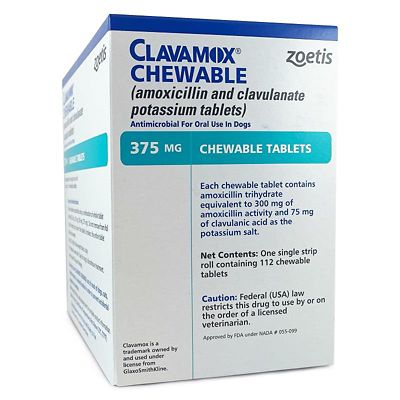
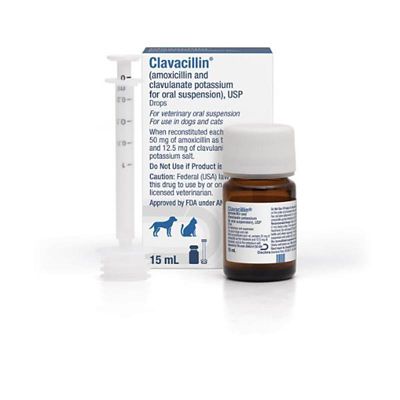
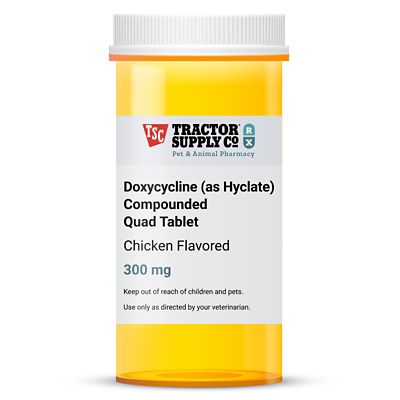
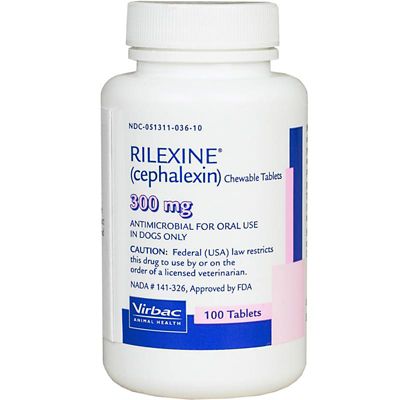
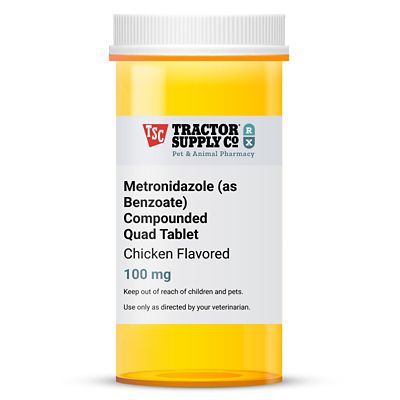
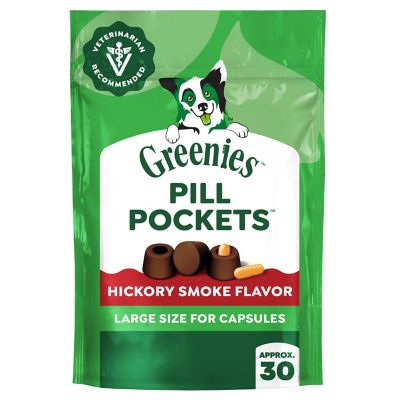
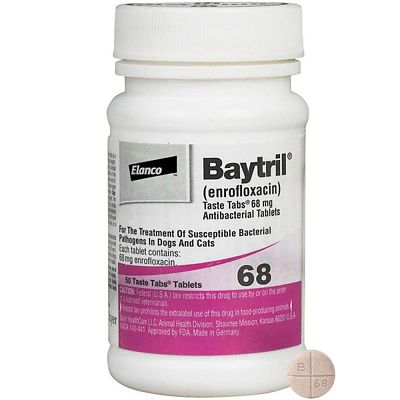
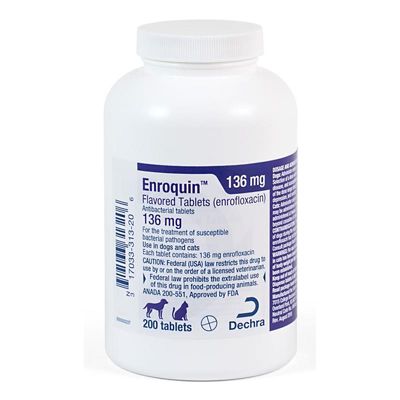
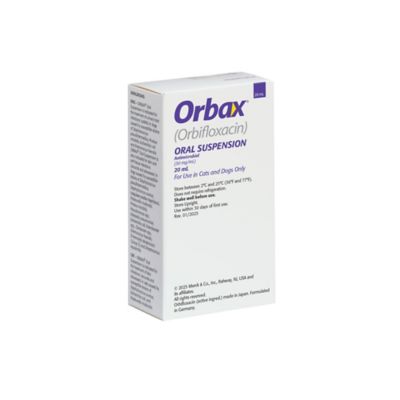
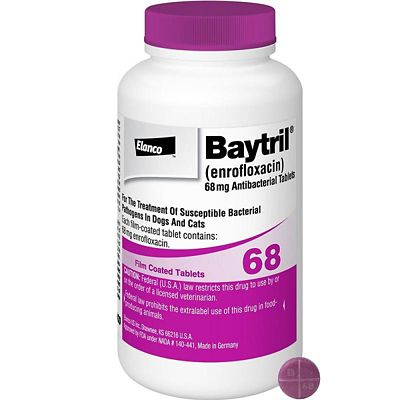
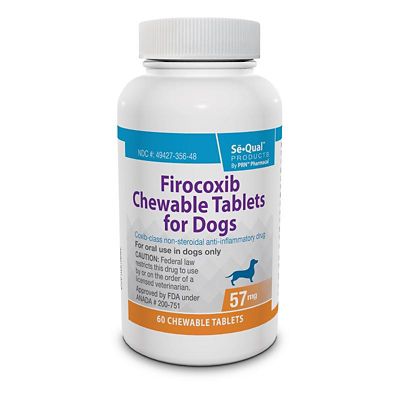
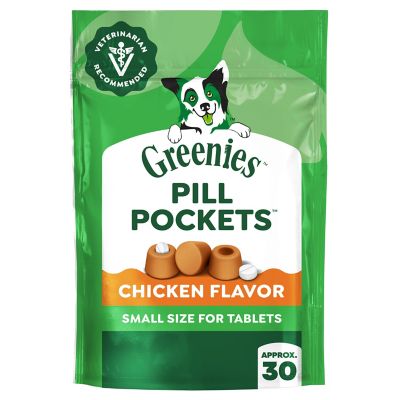
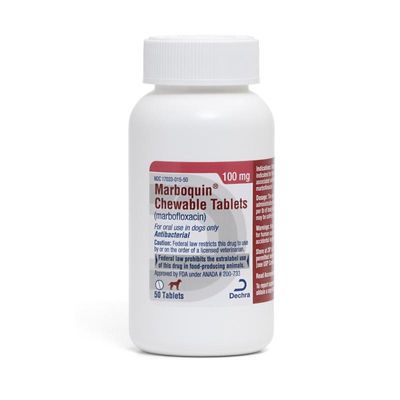
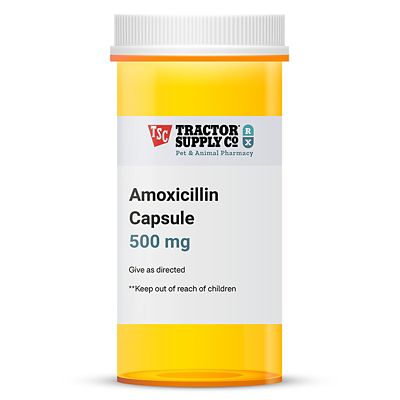
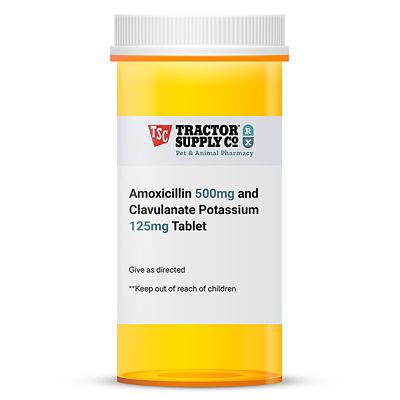
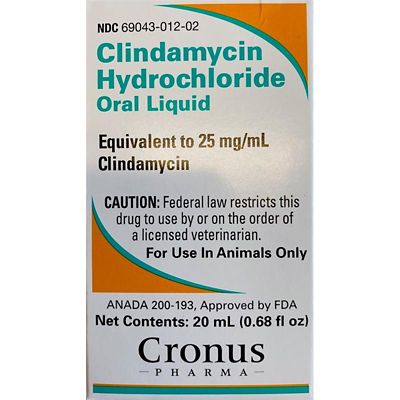
Chewable antibiotics for dogs are prescription medicines that treat certain bacterial infections under a veterinarian’s care. Their chewable form can make giving medicine more manageable for dogs that resist a standard tablet, especially when a flavored option fits the treatment plan. Depending on the medication and the veterinarian’s diagnosis, an antibiotic may help treat infections involving the skin, soft tissues, urinary tract, mouth, or other parts of the body. No single antibiotic treats every infection, and antibiotics do not treat viruses or replace treatment for allergies, parasites, or other nonbacterial conditions. The right match starts with an exam and, when needed, testing to identify the bacteria involved. For a farm dog that spends the day beside the fence line or a house dog that rarely leaves a favorite chair, the basics are the same: the medicine, strength, and directions need to match that individual animal’s prescription. A chewable tablet is a dosage form, not a different level of treatment, and a pleasant flavor does not make the medicine a treat. When comparing prescription options, the important details include the active ingredient, tablet strength, prescribed quantity, and any instructions about food or administration. Strength refers to the amount of medicine in each tablet, not the tablet’s physical size. A smaller tablet is not necessarily a smaller dose, and two chewable medications are not interchangeable just because they look alike. Body weight helps a veterinarian determine the dose, but age, kidney or liver health, other medicines, and the infection itself may also affect that decision. Chewable antibiotics belong in a dog’s individual care plan, whether that dog works alongside the family, rides along on errands, or keeps watch from the porch. They are not everyday supplements, preventive snacks, or something to give another pet with similar symptoms.
The practical appeal of a chewable prescription is straightforward: less struggling at medicine time can make a scheduled dose easier to give. Some dogs willingly take a flavored tablet, while others sniff it, carry it off, or leave part of it beside the feed bowl. Flavoring can help with acceptance, but it does not guarantee that every dog will eat the medicine. Ingredients also matter for dogs with food sensitivities or a prescribed diet, so flavor sources and inactive ingredients are worth reviewing with the veterinary team. A dog already on an elimination diet, for example, may need a different formulation rather than an extra flavored ingredient. Whether a chewable antibiotic can accompany a meal depends on the particular medicine and its label directions. Food may ease stomach upset with some prescriptions, while others have different administration requirements. If the veterinarian approves giving the dose with food, a small portion can make it easier to confirm that the whole dose went down than mixing it into a full bowl. Watching the dog take the medicine is especially helpful in a household where another pet stands ready to grab anything that falls. Breaking, crushing, or dividing a tablet should happen only when the prescription directions or veterinary team allow it; a chewable format does not automatically mean that every tablet can be split into equal doses. For families balancing chores, school pickups, and feeding time, a written dosing record helps keep everyone on the same page. It can prevent one person from giving a second dose after someone else has already handled it. Give the medication at the prescribed intervals and for the full prescribed duration unless the veterinarian changes the plan. A dog acting brighter or eating better does not necessarily mean treatment is complete. Missed doses, a tablet spit into the bedding, or vomiting after administration call for medicine-specific advice rather than an extra dose by guesswork. Do not double a dose unless the veterinarian specifically directs it.
Safe handling matters just as much as finding a form a dog will accept. Keep chewable antibiotics in their original labeled container, with the closure secured and the package out of reach of children and animals. A flavored medicine can tempt a determined dog to chew through packaging, so a countertop, open tote, or low shelf is not a safe holding spot. The original label keeps the dog’s name, dosing directions, expiration date, and pharmacy information together, which is useful when more than one person handles care. Follow the stated storage conditions, and ask the dispensing pharmacy about tablets that become wet, crumble unexpectedly, or lose their identifying packaging. Leftover medication should not become a home supply for the next sore paw or another dog’s illness; ask the veterinary team or pharmacy about proper disposal. During treatment, changes in appetite, vomiting, or diarrhea deserve attention, particularly if they persist or become severe. Facial swelling, trouble breathing, or collapse may signal a serious reaction and require emergency veterinary care. Suspected access to extra tablets also calls for immediate veterinary or animal poison-control advice, even if the dog initially seems fine. Keeping the medication container handy helps the professional identify the ingredient and possible amount swallowed. For bacterial problems involving the mouth, antibiotics may be one part of care, but they do not remove tartar, repair a damaged tooth, or replace dental treatment. Once the veterinarian has addressed any pain or infection, routine oral care may include brushing and, when appropriate,
Enzyme Dental Chews For Dogs. Dental chews are a separate category from prescription antibiotic tablets and should fit the dog’s size, chewing habits, and dental condition. A dog with a painful mouth may need to avoid chews until the veterinarian clears them. From checking the prescription label to confirming each dose was swallowed, those everyday details help keep treatment organized without turning medicine time into a wrestling match. The goal is a manageable routine that follows the veterinarian’s plan and keeps the dog’s comfort and safety front and center.