Calcium tablets for dogs are dietary supplements that provide a measured amount of calcium to help meet a dog’s nutritional needs when a veterinarian recommends additional support. Calcium helps maintain bones and teeth and plays a role in muscle movement, nerve signaling, and normal blood clotting. Some formulas supply calcium alone, while others combine it with phosphorus, vitamin D3, or additional nutrients. Those differences matter because a dog needs the right balance of nutrients, not simply more of any one mineral. For most dogs eating a complete and balanced food appropriate for their life stage, extra calcium is unnecessary and can upset that balance. A calcium supplement may be appropriate for a dog eating a professionally formulated home-prepared diet or for certain medical needs identified by a veterinarian. It is not an everyday requirement just because a dog spends long days alongside the family, tags along for barn chores, or has reached an older age. A stiff gait, reluctance to jump into the truck, or trouble getting up from a bed can have many causes; none of those signs establishes a need for calcium on its own. When comparing calcium tablets for dogs, the most useful starting points are the intended species, life-stage labeling, ingredient list, and amount of calcium supplied per tablet or serving. A weight-based label direction does not establish whether a dog needs the supplement in the first place. The serving also needs to fit the dog’s food, treats, other supplements, and health history. For a family managing several dogs, that can mean different plans for the young farm companion, the adult house dog, and the gray-muzzled dog who prefers watching from the porch. Calcium needs depend on the individual animal’s diet and health, rather than activity level or appearance alone. A veterinarian can help establish whether a tablet belongs in that daily routine and how long supplementation should continue.
The details on a calcium tablet label can make a real difference when comparing formulas. Calcium carbonate and calcium citrate are examples of calcium sources, but the weight of the source ingredient is not necessarily the amount of elemental calcium it provides. Elemental calcium is the actual calcium contribution, so look for a clear statement of calcium content and whether the listed amount applies to one tablet or a larger serving. A formula that includes phosphorus or vitamin D3 adds another consideration: those nutrients also count toward the dog’s total intake. Vitamin D supports calcium absorption, but excessive amounts can be toxic, and adding several supplements together can create overlap that is easy to miss. Bringing photos of food and supplement labels to a veterinary appointment can make that review simpler than trying to remember every ingredient. Tablet size, texture, and flavor matter for day-to-day handling, too. A small dog may struggle with a large tablet, while another dog may readily take a chewable form. Flavoring does not guarantee acceptance, and ingredients such as animal proteins deserve a closer look when a dog has a known food sensitivity. Follow the package and veterinary directions for administration, including whether the tablet should accompany a meal and whether splitting or crushing is appropriate. If mixing a tablet into food is permitted, a small portion that the dog finishes can make it easier to confirm the full serving was eaten before offering the rest of the meal. Keep dogs separated during supplement time so the wrong animal does not clean up the bowl. A clearly marked measuring routine and one designated person for each serving can also help prevent double dosing in a busy household. When comparing calcium with other
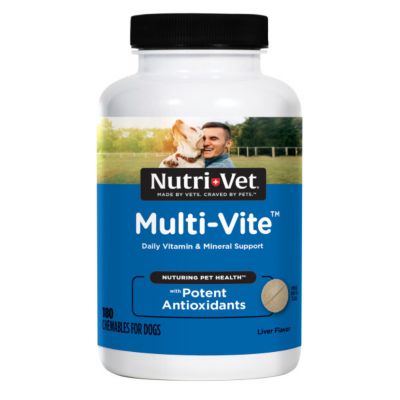
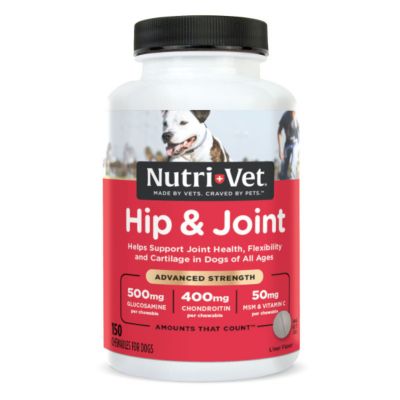
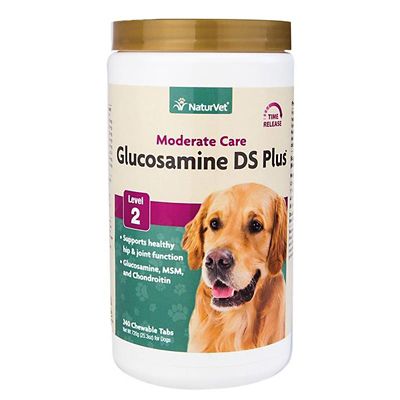
Dog Supplements, consider each formula’s purpose and the combined nutrient totals rather than assuming several products will provide better support. Simple administration and clear labeling are practical benefits, but the nutritional fit comes first.
Life stage is especially important with calcium supplements. Growing puppies, particularly large- and giant-breed puppies, can develop skeletal problems when their calcium intake is excessive or out of balance. A puppy eating a complete and balanced growth diet should not receive extra calcium unless a veterinarian specifically directs it. Pregnancy and nursing also call for close veterinary oversight rather than routine supplementation. Giving extra calcium during pregnancy without veterinary direction can interfere with normal calcium regulation and increase the risk of eclampsia after delivery. A nursing dog with restlessness, heavy panting, muscle tremors, weakness, or seizures needs urgent veterinary attention; an oral tablet is not a substitute for emergency treatment. Diagnosed low blood calcium can have several causes, and treatment depends on the cause and severity. For home-prepared diets, including raw diets, calcium needs to be calculated as part of the entire recipe, ideally by a board-certified veterinary nutritionist. Meat alone does not provide a balanced calcium-to-phosphorus ratio, and guessing at a tablet amount can leave the diet short in one area or excessive in another. Dogs with kidney disease, a history of certain urinary stones, or other ongoing health conditions need individualized advice before receiving calcium. The veterinarian should also review medications, since calcium can affect the absorption of some drugs and may need to be given at a different time. Once a supplement is part of the plan, keep it in its original, tightly closed container and follow the storage directions and expiration date. Store the bottle where pets and children cannot reach it, away from feed scoops and treat jars that could cause a mix-up. Flavored tablets may tempt a dog to eat far more than the intended serving. An accidental overdose, especially involving vitamin D, warrants an immediate call to a veterinarian or animal poison-control service, even before signs appear. Constipation, vomiting, reduced appetite, or other changes after starting a supplement also deserve a call. The best fit is a clearly labeled calcium tablet that matches a veterinarian’s recommendation, works with the dog’s daily meals, and is given consistently in the prescribed amount.