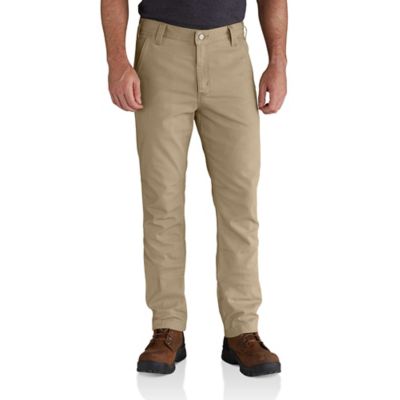
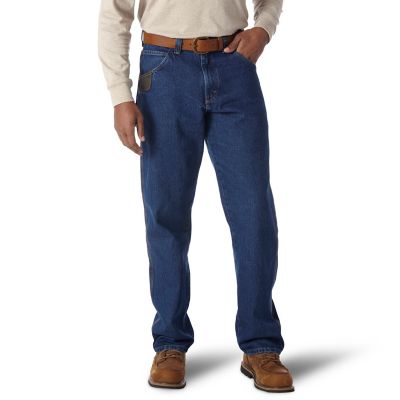
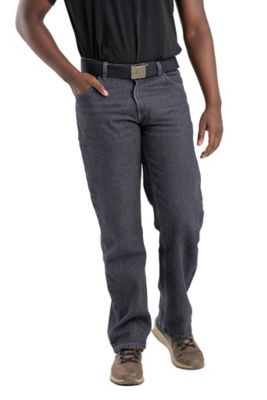
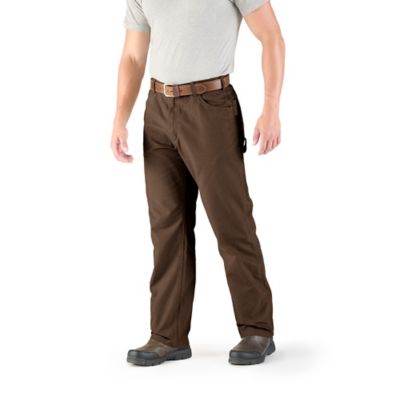
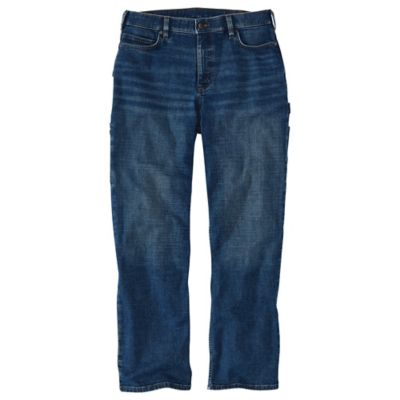
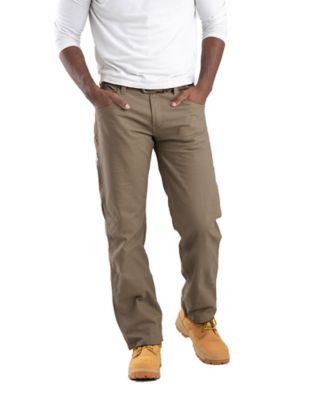
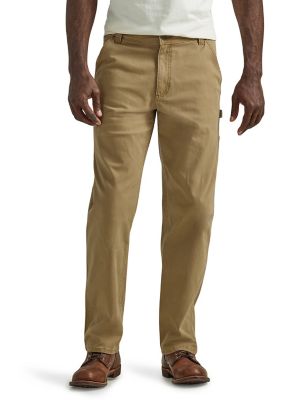
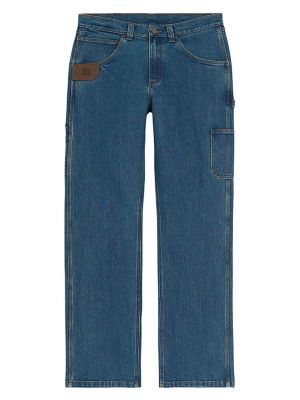
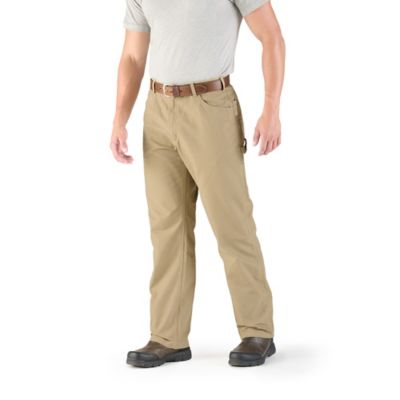
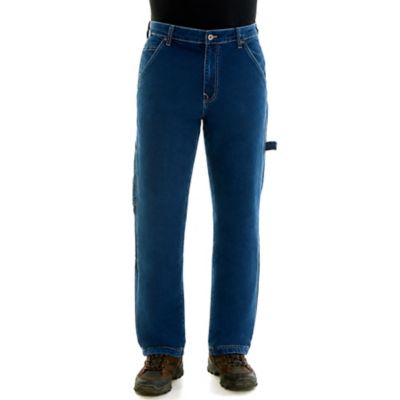
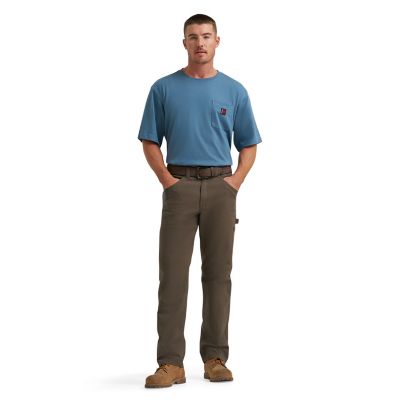
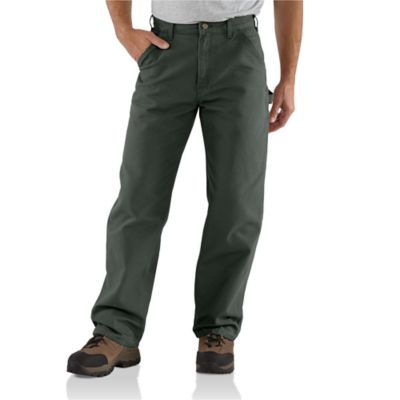
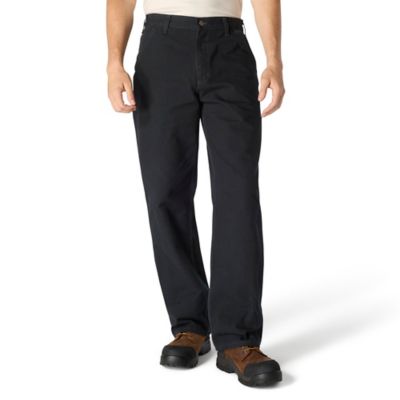
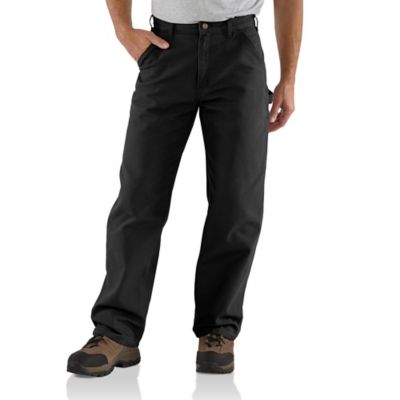
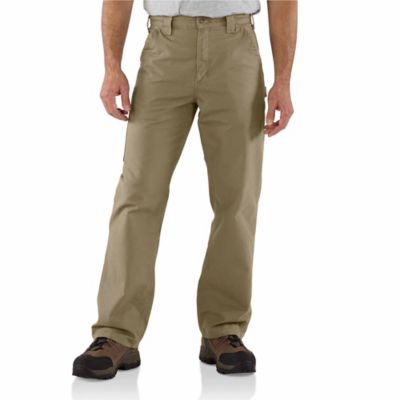
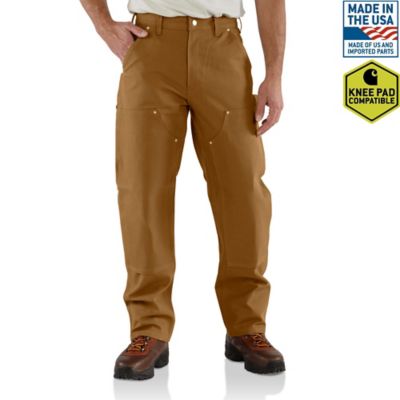
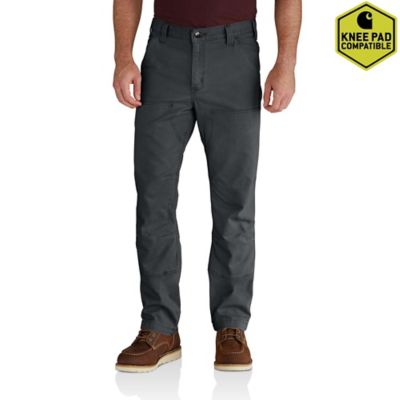
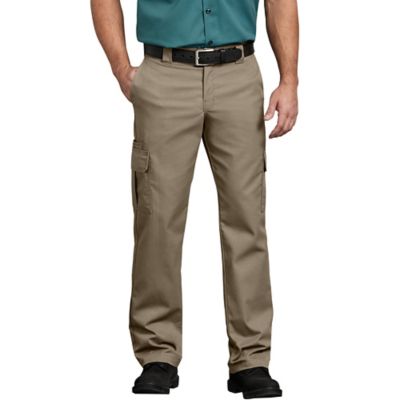
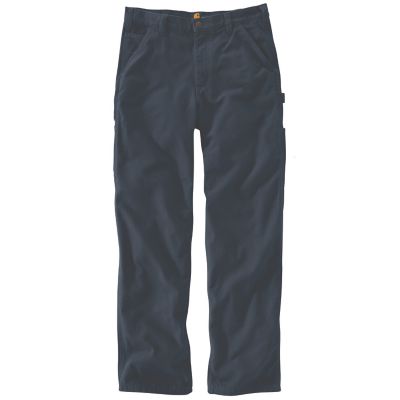
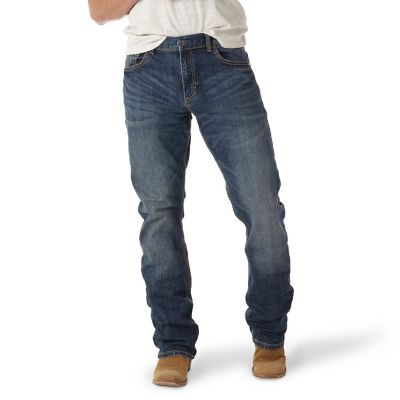
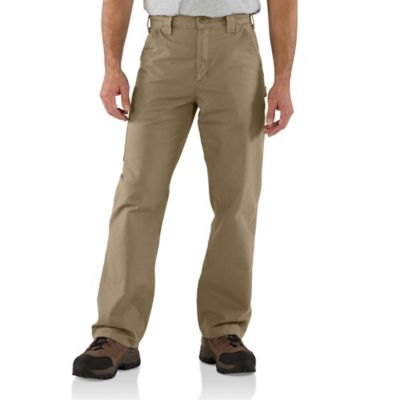
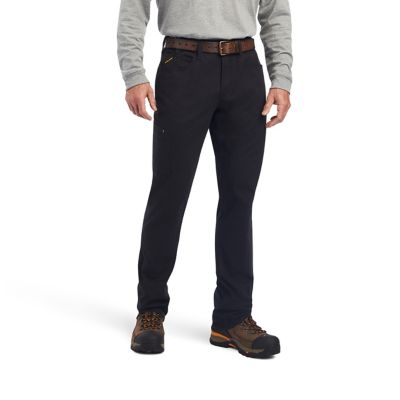
Carpenter pants for men are work pants built around practical storage, room to move and fabrics suited to hands-on jobs. They typically feature a hammer loop and side tool pockets, though pocket layouts, fabric weights and reinforcements vary by style. That combination makes them a natural fit for carpenters, farmhands, maintenance crews and anyone spending the day measuring, fastening, carrying or repairing. A pair might go from hanging a barn door to sorting lumber, then head into town without feeling out of place. The fabric makes a big difference in how the pants feel and perform. Denim brings a familiar jeans feel, with lighter weights offering less heft and heavier weights providing a more substantial layer between the wearer and rough surfaces. Cotton duck canvas has a close weave and a firm feel that can soften with washing and wear. It suits tasks that put clothing against rough boards, fence posts and shop benches, though heavier fabric can feel stiff at first. Ripstop fabrics have a grid of reinforcing threads designed to help limit the spread of small tears; they are not tearproof, and performance depends on the fabric blend and construction. Stretch fabrics can make crouching beside a gate hinge or stepping onto a platform less restrictive. The amount of give varies, so a little stretch does not automatically mean a snug fit or a lightweight feel. Cotton-rich fabrics, synthetic blends and added stretch fibers each have their own balance of feel, drying behavior and care requirements. Reinforced knees, doubled fabric panels and strengthened pocket edges can add material where work tends to wear pants down. These details matter most when they match the job rather than simply adding weight. For everyday wear and lighter chores, a straightforward carpenter cut can provide the familiar look and handy storage without as much extra fabric. For repeated kneeling, carrying tools or brushing against abrasive surfaces, heavier construction may be worth the more substantial feel.
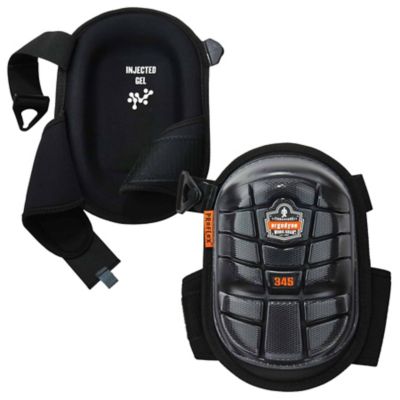
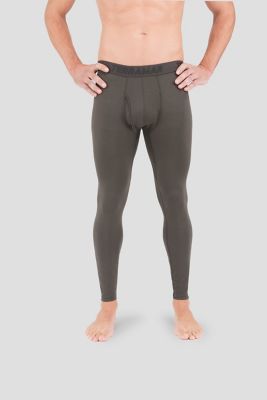
Fit matters just as much as fabric when a day involves bending, climbing and getting up from the ground. Men's carpenter pants often have extra room through the seat and thighs, but relaxed, loose and straight-leg descriptions do not mean exactly the same thing across every cut. A comfortable waist should stay in place without pinching when sitting on a tractor seat or leaning over a workbench. The rise affects where the waistband rests and how much coverage remains when bending, while thigh room helps keep the fabric from pulling tight during a squat. Stretch can help with movement, but it cannot make up for pants that are too small through the hips or seat. Inseam length and leg opening also deserve attention. A hem should clear the ground rather than drag under a heel, and the opening needs enough space to sit comfortably over the footwear worn for the job. Excess fabric around the ankles can get in the way on steps or ladders. Tool storage works best when it suits what actually gets carried. A narrow side pocket may hold a pencil or small measuring tool, while a deeper pocket can keep other essentials within reach; dimensions and closures determine what fits securely. Unlike cargo pants, which commonly emphasize larger side pockets, carpenter styles generally center on slimmer tool storage and a hammer loop. Loading every pocket can pull the waistband down, so heavier tools may belong on a properly fitted tool belt instead. Loose loops and dangling tools also need care around moving equipment. Knee reinforcements help address fabric wear, but extra cloth is not a substitute for knee protection. Some designs include pockets for compatible knee pads, and their placement needs to line up with the wearer's knees. The same attention to waist, inseam and freedom of movement applies when comparing other workwear categories, including
Winter Pants for Men.
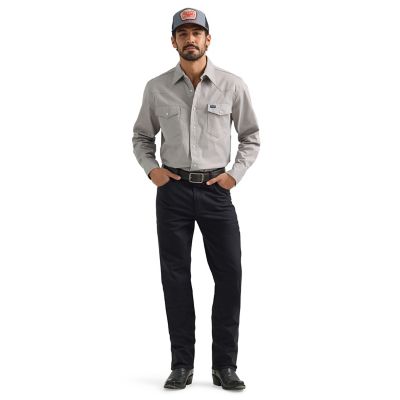
The details that support a long working life are often easy to overlook until a pocket tears or a seam starts opening. Reinforced stitching at stress points, secure belt loops and firmly attached pocket corners all matter when pants are carrying tools or seeing repeated movement. Double-front construction adds another layer over part of the leg, while reinforced hems can help address wear where the fabric meets footwear. No fabric is indestructible, and a heavier pair is not automatically the best match for every task. Someone moving between a shop bench, truck cab and supply counter may prefer less weight and an easier drape, while a worker regularly kneeling on unfinished flooring may value added knee coverage. Care also affects how long men's work pants stay comfortable and serviceable. The garment label is the best reference for washing temperature, drying settings and any special handling. Emptying pockets before washing keeps forgotten screws, nails and pencil pieces from damaging the fabric or laundry equipment. Brushing off loose dirt and treating stains according to the care instructions can help prevent everyday grime from becoming harder to remove. Cotton fabrics may shrink, particularly with higher heat, while stretch blends can have different drying requirements. Avoiding more heat than the label allows helps preserve fit and fabric performance. Small seam openings and worn pocket corners are easier to address before they become larger tears, and patches should never be mistaken for restoring any required protective rating. Ordinary carpenter pants are not a replacement for task-specific safety clothing. Away from the job, their straightforward shape pairs easily with a work shirt, flannel or T-shirt, making them practical for errands and projects around the property. They can also make a thoughtful gift for a woodworker, a tradesman or someone who keeps the farm's repair list moving. Knowing the recipient's usual waist and inseam, preferred leg shape and everyday tasks makes the choice more personal without relying on guesswork. The best match is a pair that carries what is needed, moves comfortably and suits the work ahead.