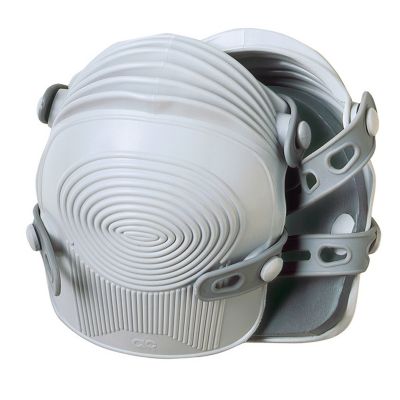
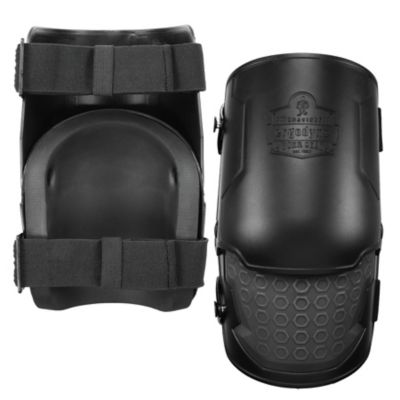
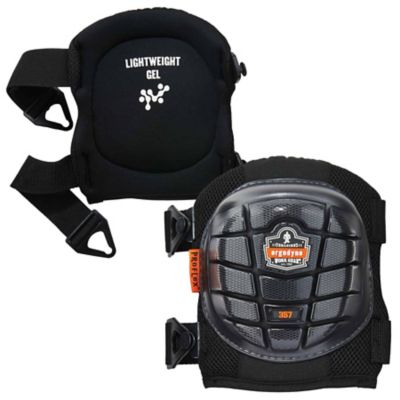
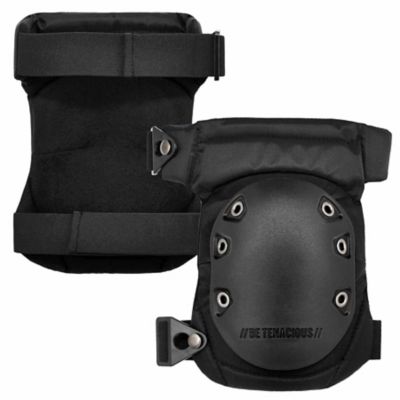
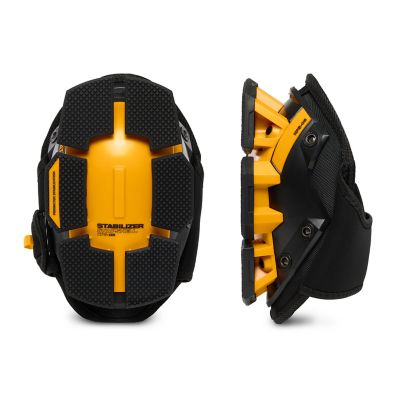
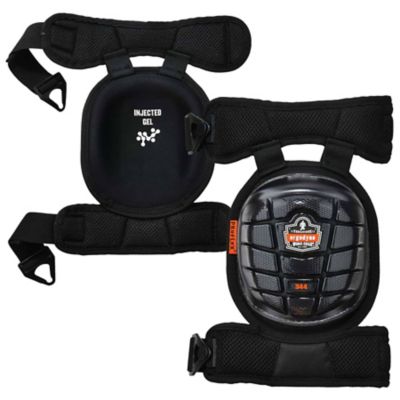
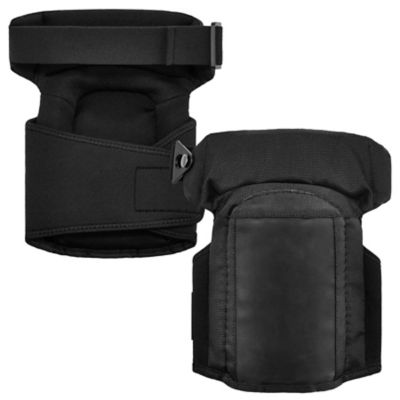
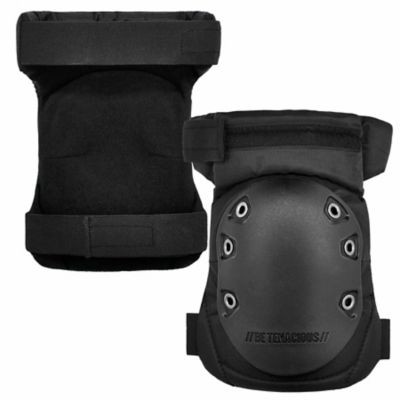
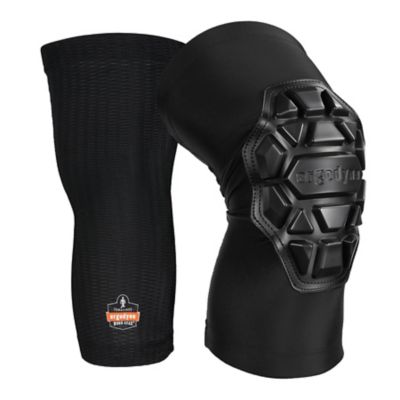
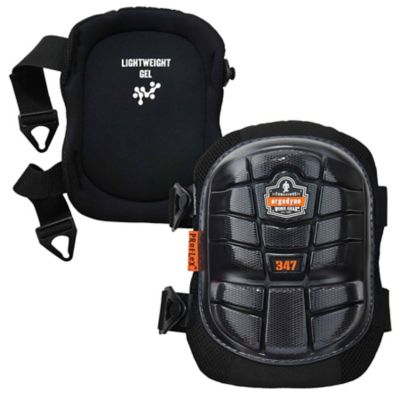
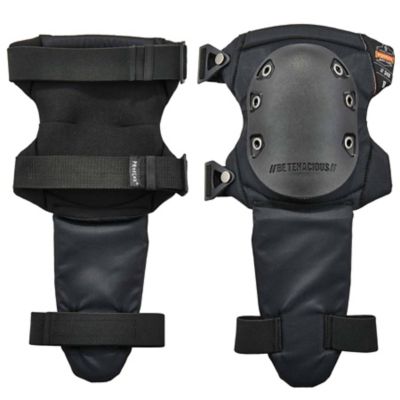
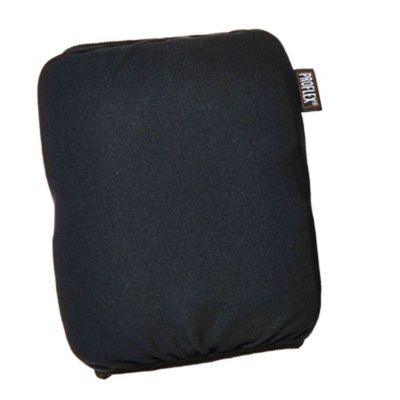
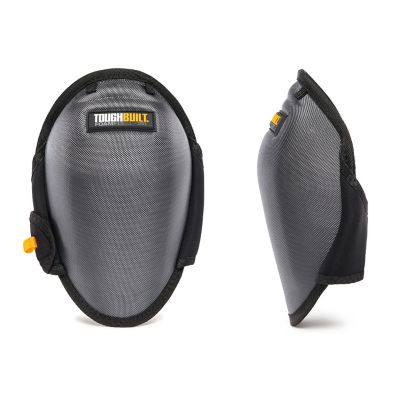
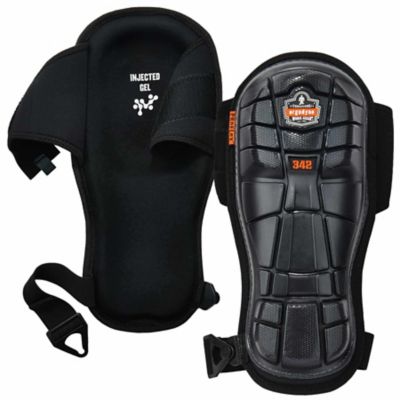
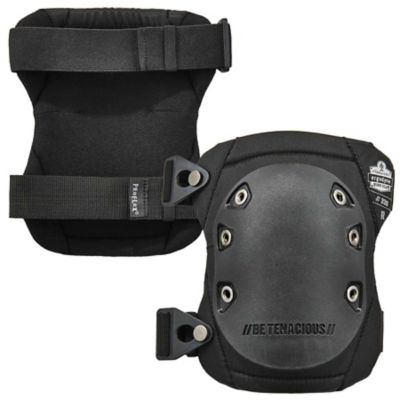
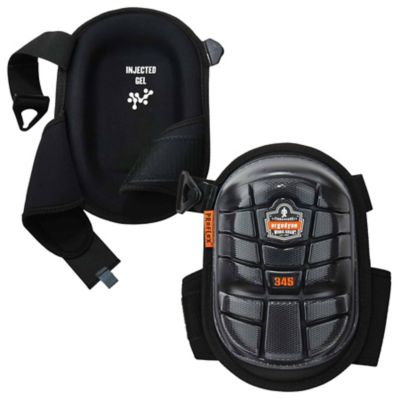
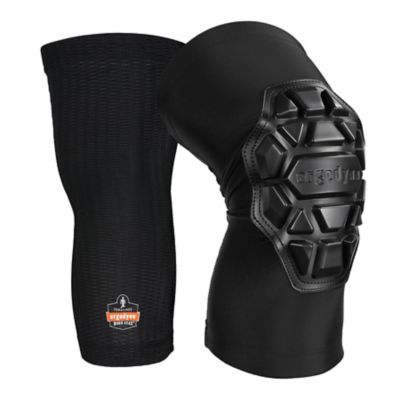
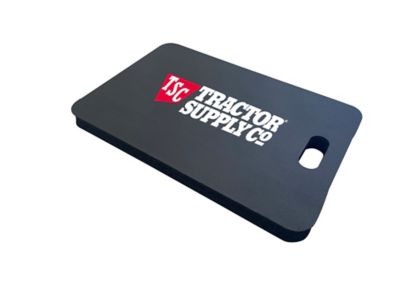
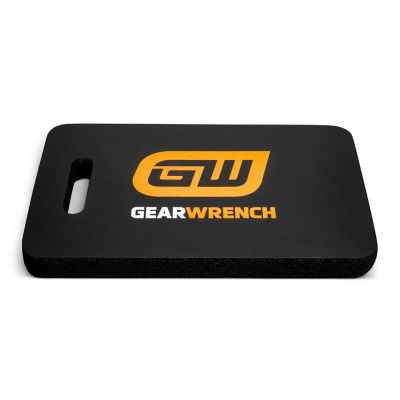
Knee pads for carpenters are a practical part of a hardworking tool kit, whether the job involves framing a barn, setting cabinets, installing trim, repairing a porch, or laying finished flooring. Carpentry can put steady pressure on the knees, especially when work takes place on concrete subfloors, plywood, rough lumber, gravel, or unfinished floors. A good pair of knee pads helps cushion that contact and makes it easier to stay focused through a long stretch of measuring, fastening, sanding, caulking, or fitting materials. They can be useful for full-time construction workers, remodelers, flooring installers, cabinetmakers, trim carpenters, maintenance crews, and do-it-yourselfers tackling projects around the house or farm. When choosing knee pads, start with the type of work and the surfaces involved. A wide, stable base can help keep the pad from tipping when you lean or shift your weight, while raised side walls may help keep it from twisting away from the knee. Hard outer shells are often a good match for rough outdoor work or jobs where you move across unfinished surfaces, and they can make it easier to slide or reposition without dragging fabric across the floor. Softer exterior materials may be better suited to finished flooring, painted surfaces, or delicate indoor work where scratches and scuffs are a concern. Cushioning also deserves close attention. Thick foam, gel, or layered padding can help absorb pressure from hard floors, but padding that compresses too easily may leave your knees feeling the surface underneath after several hours. Closed-cell materials are commonly valued for their resistance to moisture and their ability to hold their shape, which can be helpful when the workday includes sweat, damp conditions, or repeated kneeling. Look for a design that supports the kneecap and spreads pressure across a broader area rather than concentrating it in one small spot.
Fit and movement matter just as much as cushioning. Knee pads should sit securely over the kneecap without cutting into the back of the leg, slipping toward the shin, or forcing the knee into an awkward position. Adjustable straps make it easier to create a steady fit over work pants, jeans, or lighter clothing, while quick-release buckles and clips can be convenient when you need to remove the pads between tasks. Woven elastic straps may flex as you walk and kneel, and they are often less bothersome than stiff straps that bind behind the knee. Hinged or articulated designs can move more naturally with the leg when climbing, walking, or standing up, helping reduce the need to readjust after every few steps. Take a few minutes to check the strap placement, range of motion, shell edges, and overall weight before settling on a pair. Bulky pads may offer excellent protection but can feel tiring during jobs that require frequent walking, ladder work, or repeated transitions from standing to kneeling. Lighter pads may be a better fit for trim work and short indoor projects, while heavier-duty construction may be worthwhile for concrete work, framing, masonry support, or extended use on rough ground. Keep the work environment in mind, too: sawdust, dirt, mud, and finish residue can collect around straps and seams, so easy-to-clean materials and simple closures can save time at the end of the day. Knee pads also make a useful gift for a carpenter, contractor, flooring installer, farmhand, or handy family member who spends weekends improving an older home, outbuilding, or workshop. They pair naturally with other jobsite essentials and can be especially thoughtful for someone who is starting an apprenticeship, building a tool collection, or taking on more repair work during the cooler months. For workers who want to compare protection suited to a broader range of building and repair tasks,
Construction Worker Knee Pads can offer additional ideas. No matter the project, the best choice is one that stays in place, moves with the body, protects the knees from the working surface, and feels comfortable enough to wear from the first cut to the final cleanup.