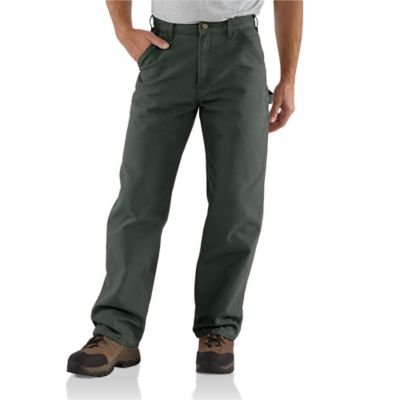
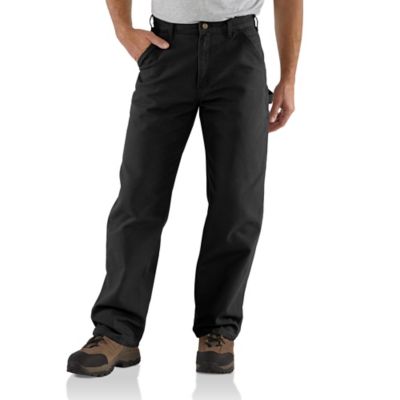
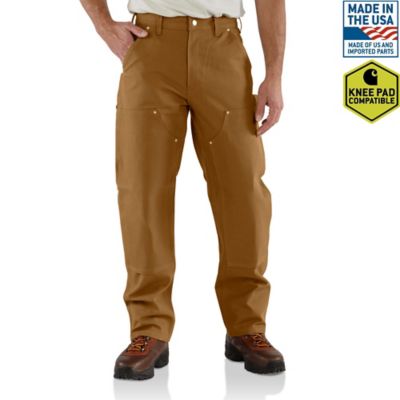
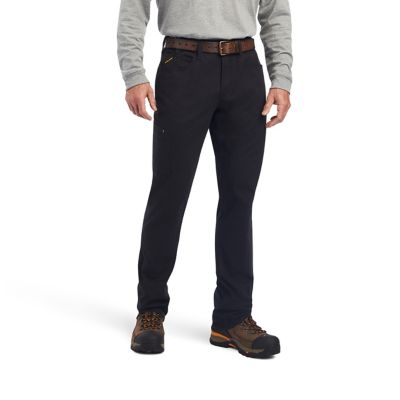
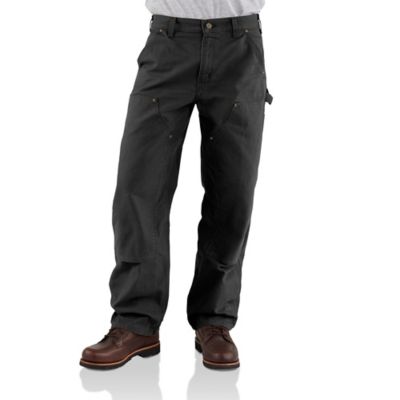
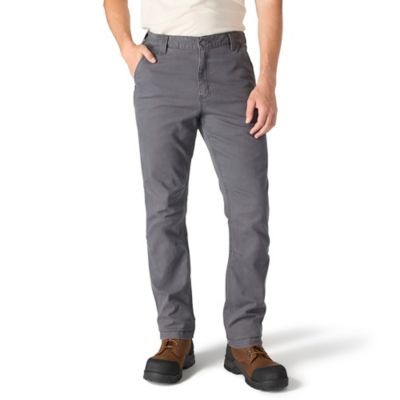
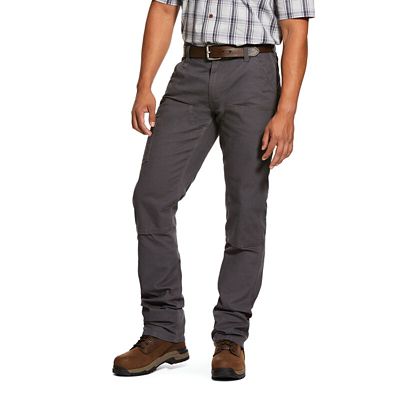
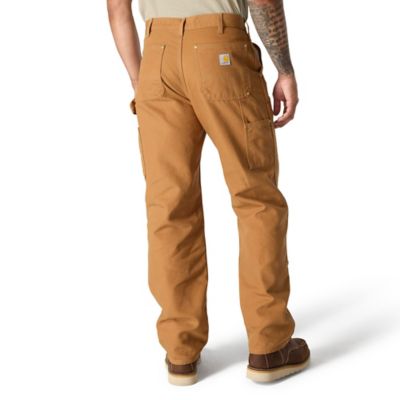
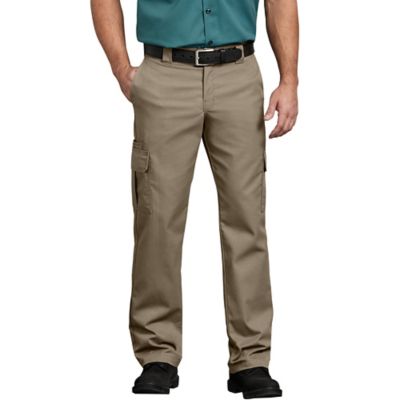
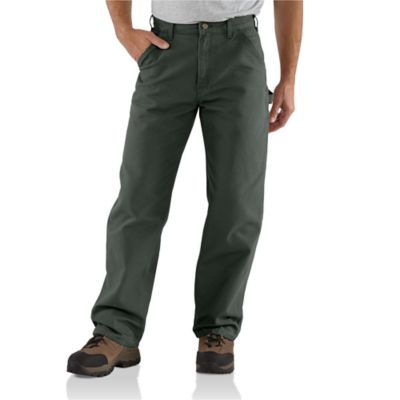
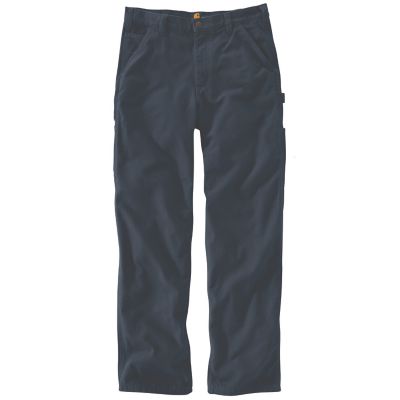
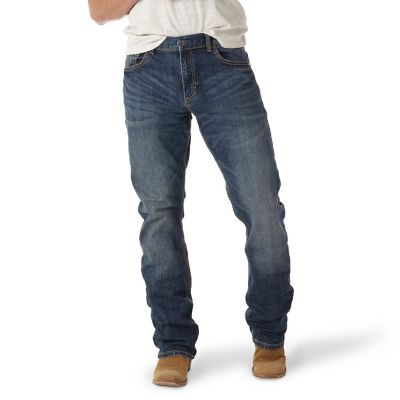
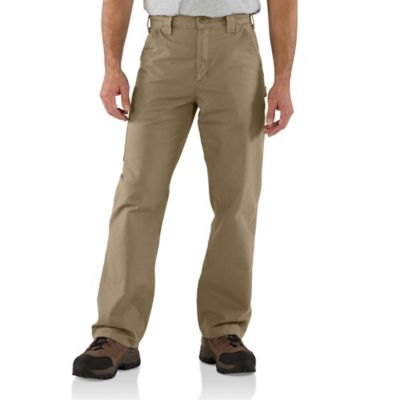
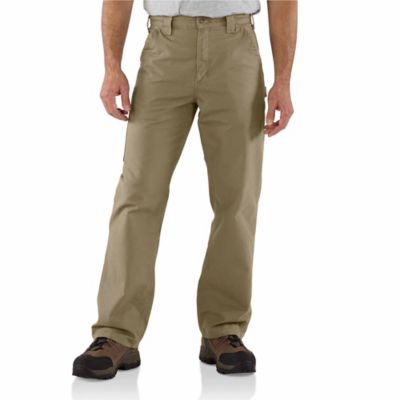
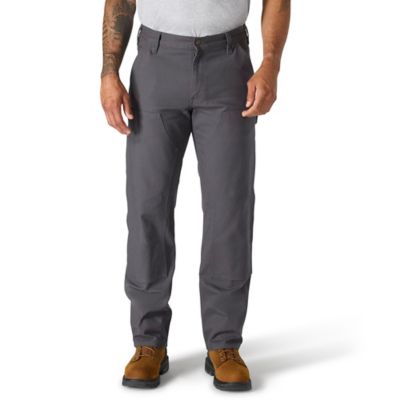
Pants for construction bring together abrasion-resistant fabric, room to move, reinforced wear points and practical tool storage. They’re built around the motions that fill a workday: stepping over framing lumber, squatting beside a layout line, carrying materials and kneeling to fasten a bottom plate. The right combination depends on the work, whether that means rough carpentry, concrete forming, finish installation or general jobsite cleanup. Cotton canvas has a firm, substantial feel that suits contact with rough boards and unfinished surfaces. Denim offers a familiar fit and feel, with heavier fabrics providing more substance where lighter everyday jeans may fall short. Twill has a diagonal weave and often a smoother surface, making it a good match for work that calls for movement without quite as much fabric stiffness. Ripstop fabrics have a reinforcing grid designed to help limit the spread of small tears, though they still need attention after a snag on a nail or sharp edge. Cotton blends can balance that familiar fabric feel with other characteristics, such as stretch or quicker drying, depending on their fiber content and construction. A small amount of stretch can make a difference when climbing stairs with a toolbox or dropping into a squat to check a measurement. Fabric weight matters, too, but heavier doesn’t automatically mean better for every trade. A substantial pair can stand up well to repeated surface contact while adding weight and taking longer to break in. Lighter work fabrics may feel less restrictive during frequent walking, bending and climbing. Double-front panels add another layer over areas that often meet subflooring, gravel or rough material. Reinforced pocket openings help address the repeated rub of a tape-measure clip, while strong seams and secured belt loops support everyday pulling and movement. These details work together; fabric alone doesn’t tell the whole story. For contractors, remodelers, maintenance crews and folks handling building projects around the farm, construction work pants make the most sense when their fabric and reinforcement match the actual tasks ahead.
Fit has just as much to do with a useful pair of construction pants as the fabric does. A waistband should stay in place through bending and reaching without digging in beneath a tool belt. Rise affects coverage when crouching, while seat and thigh room influence how freely the pants move during a deep squat or a high step. Relaxed and loose fits leave more room through those areas, but extra fabric shouldn’t bunch around the knees or hang where it could catch. Straight legs offer a straightforward fit over many work boots, and some tapered cuts reduce excess fabric below the knee. Leg openings and inseam length still need to work with the footwear worn on the job. Hems that drag under a heel wear down fast, while pants that pull tight across the thigh can make an ordinary step onto a platform feel awkward. Articulated knees shape the fabric around a bent leg, and a gusseted crotch adds room where seams otherwise meet under tension. Stretch fabric can help, but it doesn’t replace a suitable waist size or enough room through the seat. Pocket placement deserves the same attention. A tape measure needs a spot that keeps it within reach without pressing into the hip during kneeling. A phone pocket should hold the device securely without putting it directly beneath a loaded tool belt. Deep front pockets, reinforced back pockets and side utility pockets offer different ways to carry small essentials, though filling every pocket can add weight and restrict movement. For layouts with hammer loops and extra side storage,
Carpenter Pants for Men brings the focus to a familiar workwear style. Those features can be handy for framing and repair work, while a simpler pocket layout may suit finish work in tight spaces. Kneeling tasks bring another consideration: some double-front styles include openings for compatible knee-pad inserts. Compatibility matters because reinforced fabric alone doesn’t provide the cushioning of a properly fitted pad. A good fit leaves those pads positioned over the knees rather than riding above them when the wearer crouches.
Long service life comes from matching the pants to the job and caring for the fabric between workdays. Abrasion tends to show up first at knees, pocket edges, hems and the seat, especially when the same movements repeat day after day. Someone setting cabinets may spend hours kneeling and shifting across a floor, while a framing crew member may put more strain on belt loops, thighs and tool pockets. Ground-level work favors reinforcement and knee-pad compatibility; frequent climbing puts greater emphasis on unrestricted leg movement and a secure fit. A pair that feels comfortable standing at a workbench should also allow bending to pick up a fastener or stepping onto a ladder rung without pulling hard at the seams. Construction pants can handle plenty of everyday wear, but they aren’t a substitute for job-specific protective clothing. Work involving welding, electrical hazards or other exposures may require particular protective ratings, and thick fabric or extra knee panels don’t establish those ratings. Care requirements also vary by material and any special fabric treatments. The sewn-in care label is the starting point for wash temperature, drying settings and cleaning restrictions. Empty pockets before laundering so screws, bits and pencils don’t stay tucked against the fabric. Removing loose dirt before washing can help keep grit from working farther into seams and folds. Concrete residue, adhesives, oils and other jobsite substances may call for handling beyond a regular wash, based on the substance and workplace procedures. Cotton can shrink with some laundering conditions, and excessive dryer heat can affect stretch fibers, making care settings part of maintaining the original fit. Compatible removable knee pads may have separate cleaning directions. Between workdays, a quick check of pocket corners, belt loops and hems can catch a loose stitch before it becomes a larger tear. Construction work pants earn their place through that combination of sensible fabric, comfortable movement and details that suit the work, from hauling the first stack of lumber to driving the last screw.