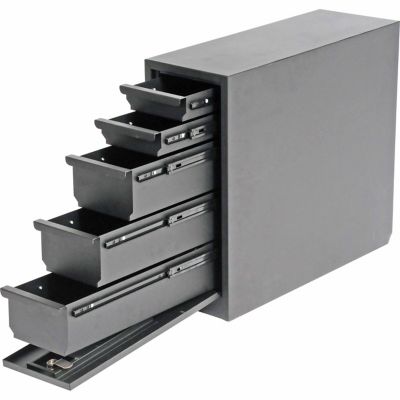
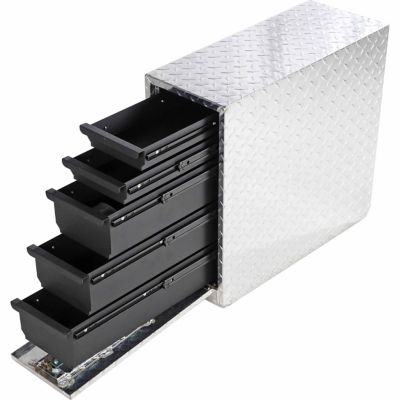
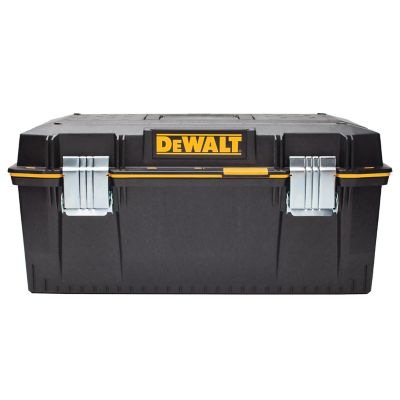
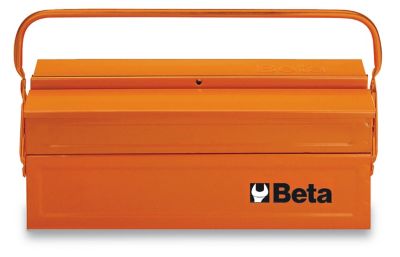
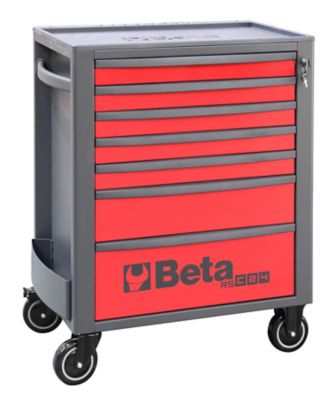
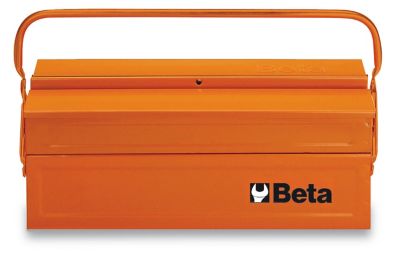
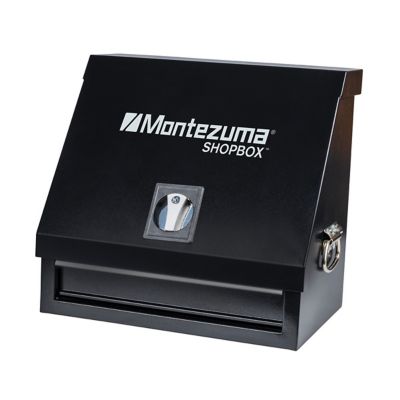
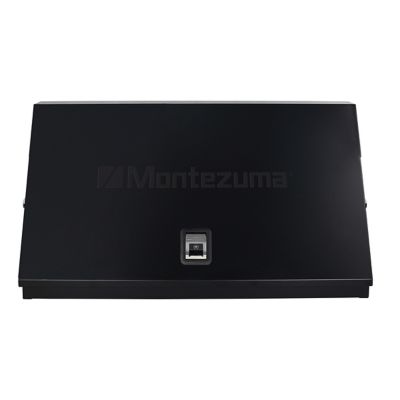
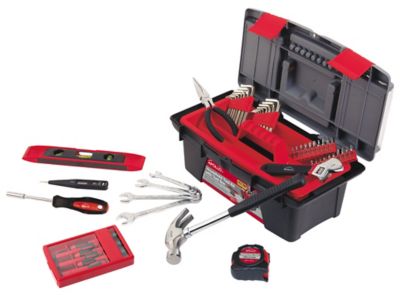
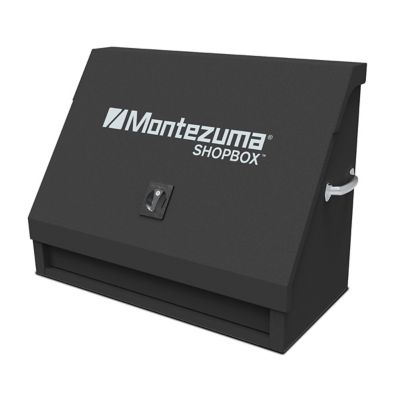
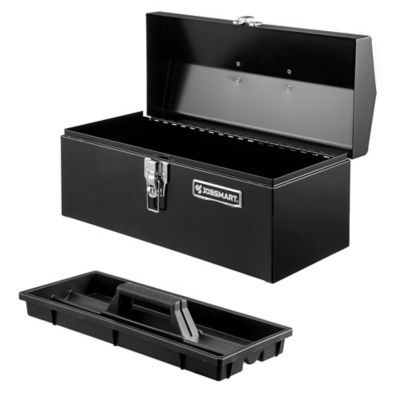
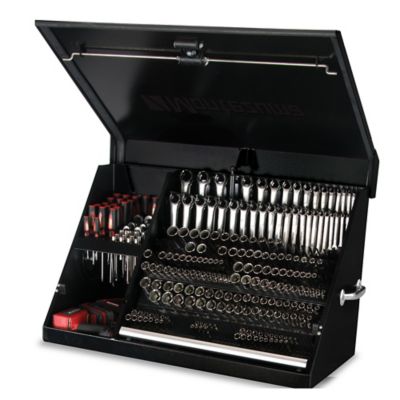
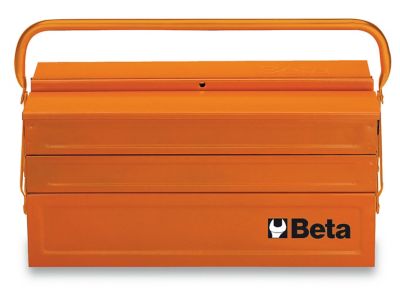
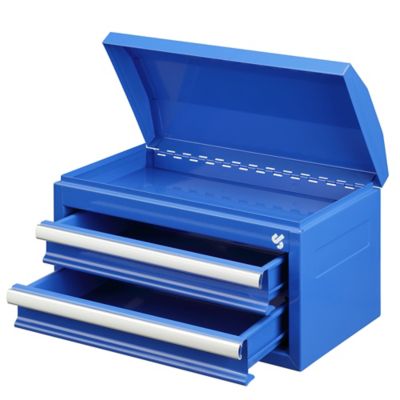
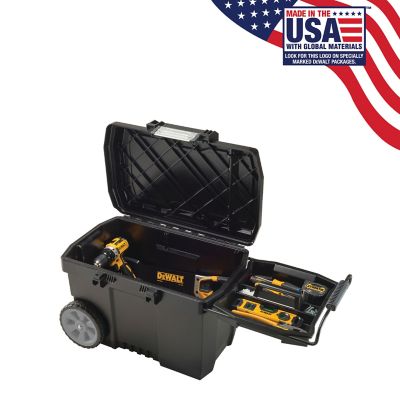
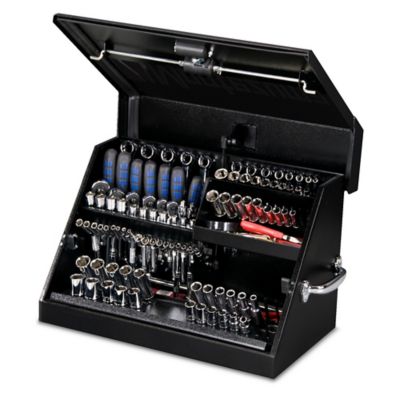
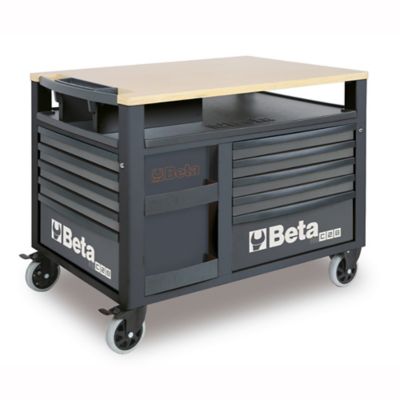
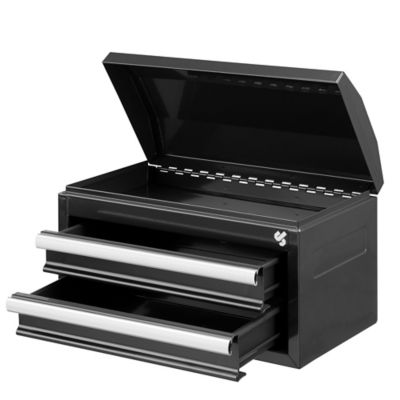
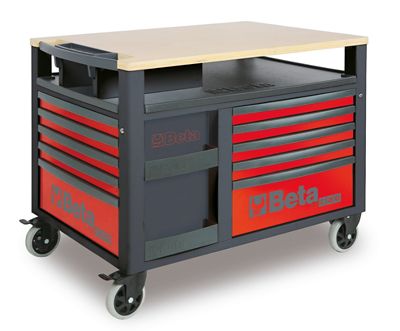
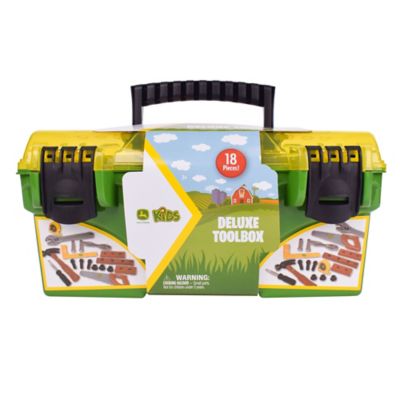
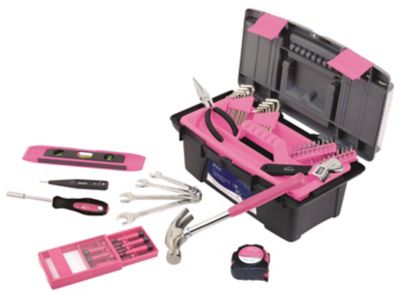
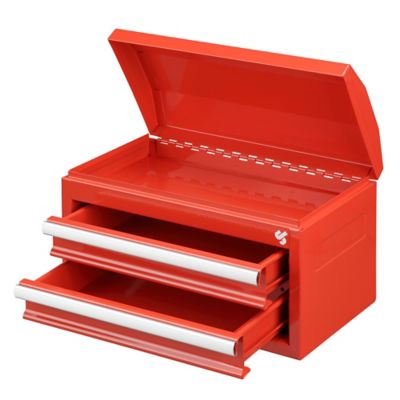
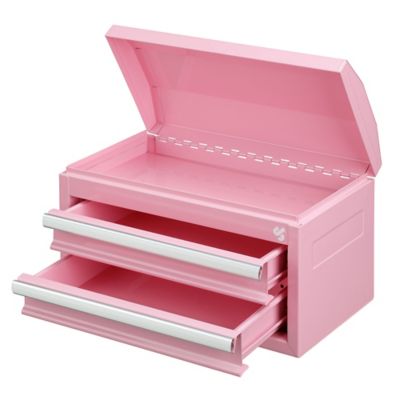
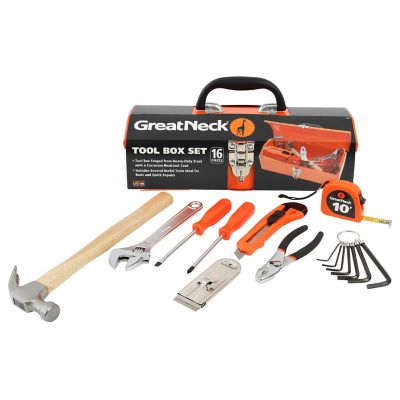
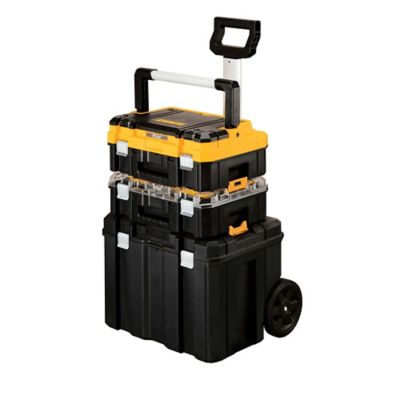
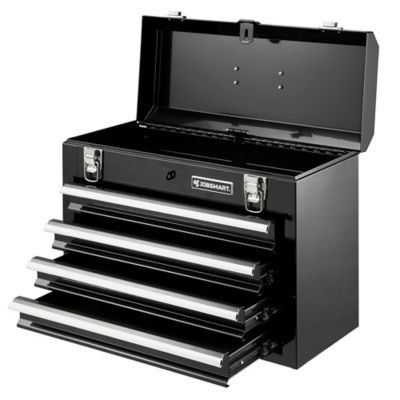
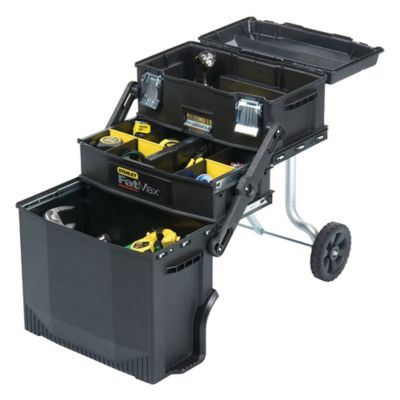
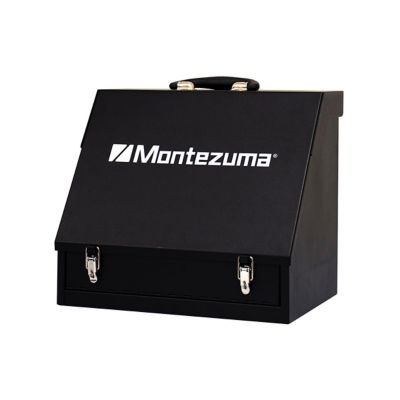
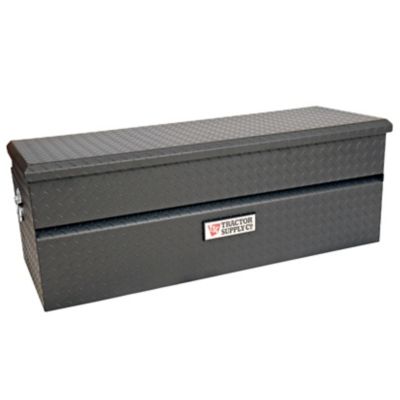
A carpenter toolbox is more than a place to toss a hammer and a tape measure. It is a working setup for keeping the tools used in building, remodeling and repair close at hand, protected from dust and weather, and easy to find when a job is moving along. A well-chosen carpenter toolbox can hold everyday hand tools such as a framing square, speed square, tape measure, chalk line, level, utility knife, chisels, screwdrivers, nail sets, a hand saw, hammer, nail puller and rubber mallet. Depending on the work, there may also be room for clamps, pencils, fasteners, drill bits, sanding supplies and small replacement parts. When every tool has a sensible place, less time is spent digging through a pile and more time is spent measuring, cutting, fastening and finishing. That matters on a farm, at a rural property or on a busy jobsite, where a toolbox may be carried from a truck to a barn, moved between rooms during a remodel or set down on an unfinished floor while a project takes shape. Carpenter tool boxes come in several useful styles. Traditional wooden chests and open-top totes have a familiar workshop feel, with compartments or sliding trays that make smaller hand tools easy to see. They can be a good fit for a home shop, a furniture maker or someone who enjoys keeping a classic woodworking setup. Metal boxes offer a sturdy, lasting option for daily use and may include removable trays, divided compartments and strong latches for keeping tools contained during transport. Stackable plastic systems are built with mobility and flexibility in mind, allowing a worker to organize separate boxes for hand tools, fasteners, measuring equipment and larger gear. Some can be carried by hand, while others are designed to roll across a jobsite or load neatly into a truck. A compact organizer can handle bits, screws and nails, while a deeper box can hold bulky tools that do not fit comfortably in a shallow case. The best choice depends on how the toolbox will be used, where it will be stored and how far it needs to travel.
When comparing a carpenter toolbox, start with the tools it needs to carry rather than choosing by appearance alone. Measure longer items such as saws, levels and pry bars, then look for enough interior length and depth to keep them from sticking out or pressing against a lid. A removable tote or lift-out tray is handy for pencils, blades, chisels, driver bits and other small pieces that tend to disappear beneath larger tools. Dividers can keep fasteners separated by size, which is especially helpful when working on fencing, trim, framing or repairs that call for several kinds of nails and screws. Pay attention to the handle, latch and hinges, since these parts take plenty of wear when a box is loaded and unloaded from a pickup or carried across gravel, packed dirt and rough flooring. A comfortable handle makes a noticeable difference at the end of a long workday, while secure latches help keep the lid closed if the box gets bumped or tipped. For work in open sheds, unheated shops or changing outdoor conditions, durable construction and a lid that helps keep out dust and moisture are worth considering. A toolbox should also be easy to clean; sawdust, shavings, bits of dried adhesive and metal filings have a way of collecting in corners. Smooth surfaces and removable trays make routine cleanup less of a chore. Storage space matters, but an oversized box can become heavy before it is fully loaded, so balance capacity with what can be comfortably carried. For a larger collection or a worker who brings power equipment along with hand tools, a modular setup can make it easier to separate and transport everything. See
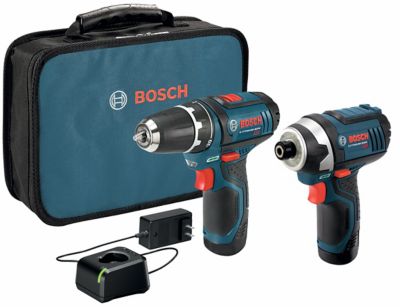
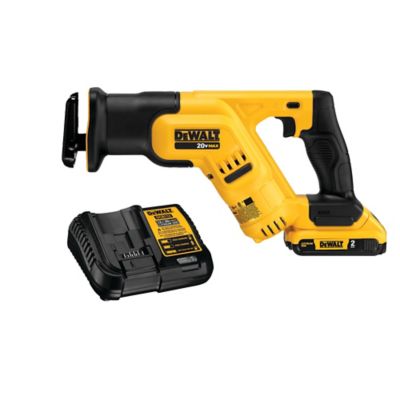
Tool Boxes for Power Tools for additional storage considerations when drills, drivers, saws and batteries are part of the setup. Keeping power tools in their own case or compartment can protect them from loose nails and sharp chisels, while also leaving the main carpenter toolbox organized for the hand tools used most often. A dependable box also makes a thoughtful gift for a new homeowner, a beginning woodworker, a handy family member or someone setting up a first workshop. It can be given empty for a personal tool collection or paired with a few basic hand tools, measuring supplies and fasteners suited to the recipient’s projects.
A carpenter toolbox earns its keep in all kinds of work, from building a set of shelves and hanging a gate to replacing trim, repairing a porch or fitting out a chicken coop. A finish carpenter may favor a compact box that keeps layout tools and delicate chisels close by, while someone framing a shed may need extra room for a heavy hammer, square, chalk line and fasteners. A maintenance worker may value quick access to screwdrivers, pliers, utility blades and replacement hardware, and a hobby woodworker may prefer divided storage that protects sharp edges and keeps tools arranged by task. The same box can serve a homeowner during indoor repairs through the cooler months and move outdoors as the weather warms for projects around the yard, barn or workshop. In a shared household or shop, a clearly organized toolbox can help prevent tools from being left on a ladder, buried in a workbench drawer or misplaced in the bed of a truck. It is useful to keep the tools used every day in the easiest-to-reach section, with specialty items stored below or in a separate case. Wipe away moisture before closing the lid, keep cutting edges protected and check latches and handles from time to time, especially when the box spends its days outdoors or rides over rough roads. A little organization goes a long way: group measuring tools together, place striking tools where they will not damage delicate edges, and use small containers for nails, screws and other loose hardware. Whether it is headed to a construction site, a home garage, a woodworking corner or a property maintenance job, the right carpenter tool box helps make a good day’s work smoother. It keeps the essentials together, protects an investment in tools and gives each project a more dependable starting point.