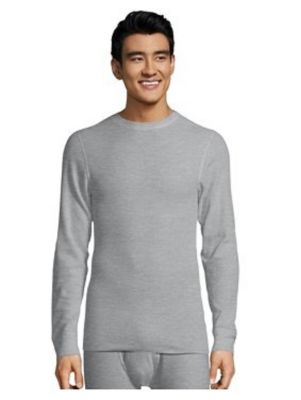
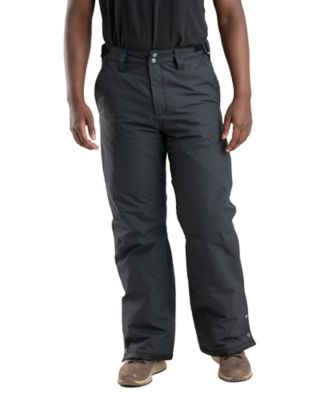
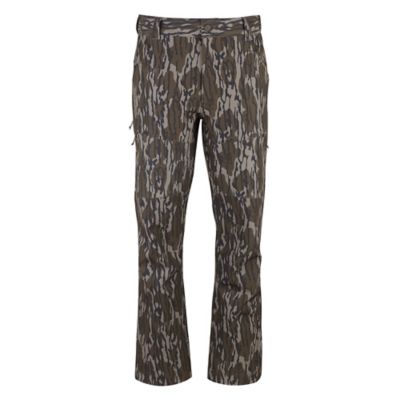
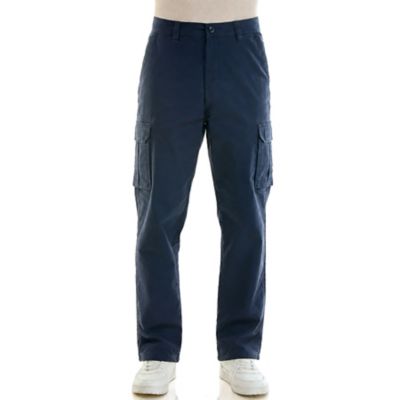
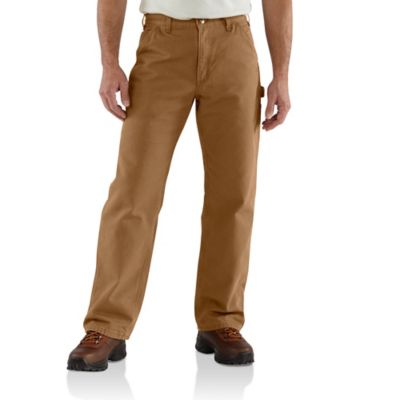
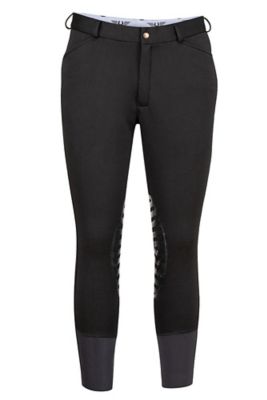
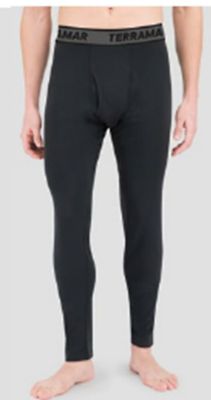
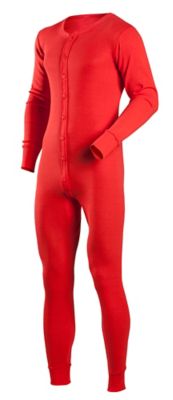
Winter pants for men bring extra warmth to everyday clothing, workwear and outdoor gear, with different fabrics and linings suited to different kinds of days. A pair for feeding livestock before daylight has a different job than one for running errands or walking a fence line through blowing snow. Lined jeans and canvas pants keep a familiar look while adding insulation, making them practical for chores, trips into town and time spent in an unheated shop. Flannel lining adds a soft layer inside the outer fabric, while fleece lining provides warmth with a plush feel. Insulated work pants combine an outer shell with added insulation for longer stretches in the cold. Softshell pants generally offer stretch and some resistance to wind and light moisture, which can suit active work or walking on uneven ground. Waterproof pants serve a different purpose, helping keep melting snow and wet conditions from soaking through when their construction includes a waterproof barrier and sealed seams. These categories can overlap, so fabric and construction tell more about a pair’s intended use than its name alone. Cotton denim feels familiar and works well for many dry-weather tasks, while tightly woven cotton duck provides a substantial outer layer for contact with rough boards, equipment and stacked firewood. Synthetic fabrics often dry faster than cotton, and blends can balance a familiar feel with stretch or easier care. Wool blends can add warmth and help manage moisture, though their care needs vary. The warmest choice isn’t always the thickest one: steady movement generates body heat, while sitting on a tractor or standing at a gate leaves less warmth to spare. For that reason, men’s winter pants range from lightly lined everyday styles to heavily insulated outer layers. Warmth, freedom of movement and protection from the conditions all matter, especially when a day includes both a heated cab and open ground.
Fit makes a big difference when winter pants need to move through a full day of chores. Enough room through the seat and thighs allows for climbing tractor steps, kneeling beside a water trough or bending to pick up a feed sack without pulling at the waistband. Extra room also makes space for thermal underwear, but an overly loose fit can bunch beneath a belt or catch around equipment. A regular or relaxed cut often leaves more layering space than a close-fitting cut, although the actual measurements matter more than the fit label. A gusseted crotch, shaped knees and a little stretch can ease movement without requiring an oversized pair. Waist height matters, too, especially when bending or reaching overhead; good coverage helps keep gaps from opening between pants and upper layers. Inseam length deserves attention with the boots normally worn for work. Hems that drag through slush collect moisture and wear at the edges, while pants that ride too high can leave ankles exposed when sitting. Straight legs may fit neatly over some boots, while wider leg openings or ankle zippers can make room for taller footwear. Snow gaiters and adjustable cuffs, where included, help limit snow entering at the ankle. Reinforced knees, sturdy pocket edges and well-secured seams are useful details for repeated contact with gravel, tools and rough surfaces. Double-front construction adds another layer where kneeling and bending put fabric under strain, though it can also add weight and stiffness. Pocket placement affects comfort more than it might seem: a phone or pair of pliers should stay accessible without digging into a thigh in the truck seat. Wind resistance helps on exposed ground, while breathability becomes more important when hauling wood or walking uphill. A water-repellent finish can shed light moisture, but it does not make ordinary work pants waterproof. Extended time in wet snow calls for protection matched to that exposure, not just a heavier lining.
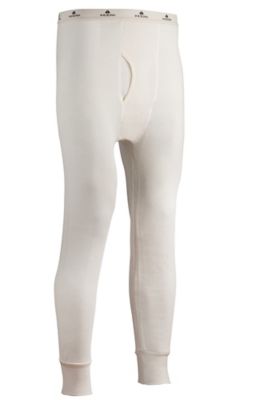
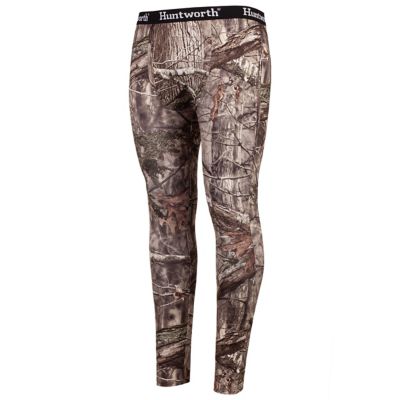
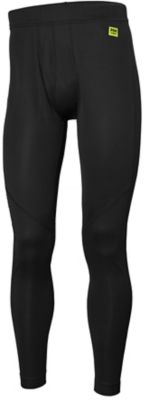
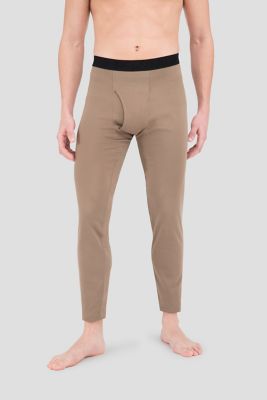
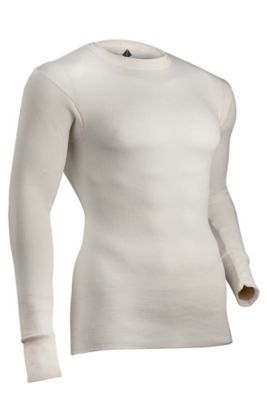
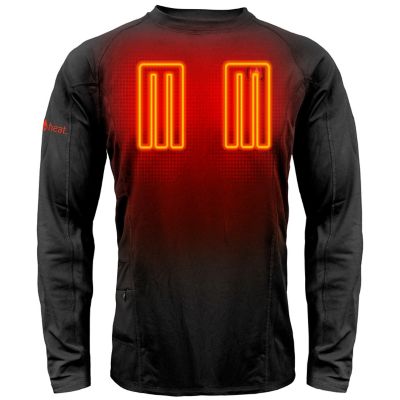
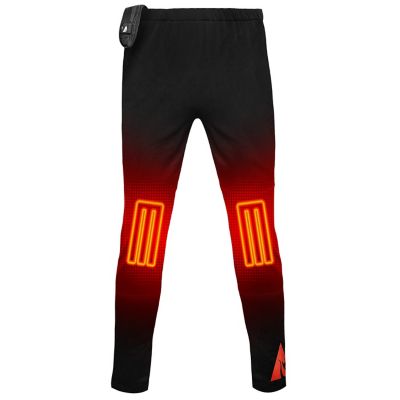
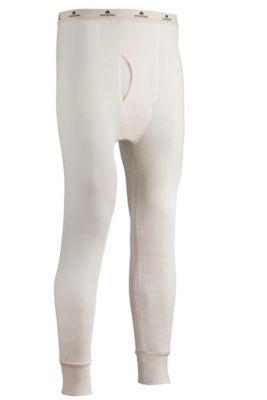
Care has a lot to do with how winter pants feel and hold up over repeated wear. Mud, grit and plant debris can work into seams and cuffs, and damp pants left in a heap take longer to dry. Following the garment’s care label helps protect both the outer fabric and any lining, insulation or weather-resistant treatment. Many everyday lined pants allow machine washing, but water temperature, detergent and drying instructions vary. Fabric softener can interfere with moisture management or certain finishes on technical fabrics, and high dryer heat may damage stretch fibers, shrink cotton or affect other components. Waterproof and water-repellent garments may need cleaning products or treatment renewal specified by their manufacturer. Wool blends may call for a gentler wash and different drying methods than cotton work pants. Emptying pockets and fastening closures before washing helps prevent small tools, screws and open hardware from causing trouble in the load. Between wears, giving pants room to air out and dry fully keeps damp fabric from staying folded against itself. A small tear or loose seam is easier to address before it spreads, particularly at knees, cuffs and pocket corners. The rest of a winter outfit matters as much as the pants themselves. A base layer that moves moisture away from the skin can help during active work, while boots and socks suited to cold ground complete lower-body coverage. Paired with
winter jackets for men, pants with the right rise and waistband coverage help keep the outfit comfortable through bending, lifting and sitting. For a gift, a familiar waist size and inseam are a useful starting point, along with knowing whether the recipient spends more time doing chores, sitting outdoors or heading into town. Someone who works around fences may appreciate reinforced fabric and practical pockets, while someone who walks long distances may prefer lighter insulation and more stretch. The best match feels comfortable through the actual work, provides enough warmth for the time spent outside and leaves room to move without fighting the fabric.