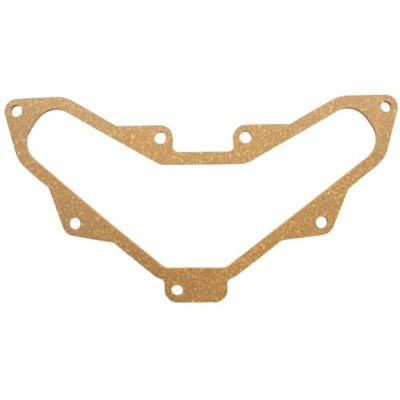
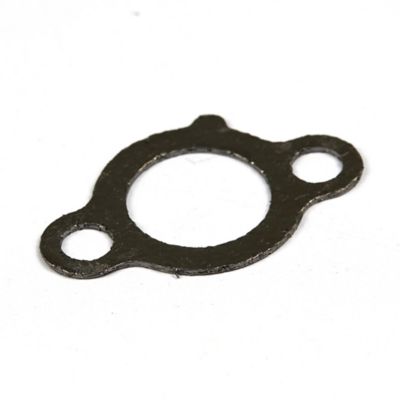
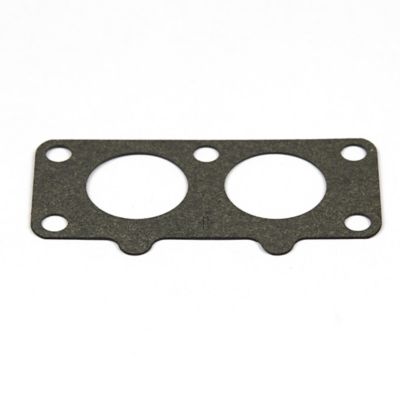
Lawn mower gaskets seal the joints between engine components, helping contain oil, fuel and combustion pressure while keeping unwanted air out of the intake system. These fitted seals sit between mating surfaces that may look smooth but still need a sealing layer to close small gaps. Different parts of the engine call for different gaskets: a cylinder head gasket helps contain combustion pressure, an intake gasket seals the incoming air-and-fuel path, and an exhaust gasket seals the connection where hot exhaust gases leave the engine. Valve cover, crankcase and oil pan gaskets help keep engine oil inside their respective assemblies, depending on the mower’s design. Carburetor bowl gaskets and other fuel-system seals serve another purpose, helping contain gasoline at their designated connections. For someone keeping a yard tidy, tending a large property or maintaining several machines for mowing work, the right gasket matters just as much as the larger engine parts around it. A small sealing failure can leave an oily film along a housing seam, allow fuel to seep around a carburetor bowl or contribute to rough running when extra air enters the intake. Those signs can have more than one cause, though, so a replacement gasket should match a confirmed repair need rather than stand in for a diagnosis. Gaskets also become part of routine engine repair when a cover, head or other assembly comes off and the service instructions call for a fresh seal during reassembly. That makes lawn mower replacement gaskets relevant for both a straightforward cover repair and a more involved engine teardown. Walk-behind mowers, riding mowers, lawn tractors and zero-turn mowers can all have gasket needs, but the machine’s style alone does not determine the right part. The engine and the particular joint being sealed are what narrow the choice.
Gasket materials vary because an intake connection, an oil-filled crankcase and an exhaust port face different demands. Treated paper and fiber materials appear in many small-engine applications, where their ability to conform under the specified clamping load helps seal closely fitted surfaces. Cork-rubber blends and molded elastomers appear in certain cover and housing applications, while graphite composites, metal-reinforced materials and layered metal constructions serve particular head or exhaust designs. The correct material depends on the original engineering of the assembly, including exposure to oil, gasoline, engine heat and combustion pressure. A thicker gasket is not automatically a better seal, and a metal gasket is not automatically the right replacement for a fiber one. Thickness, compressibility and construction all need to suit the application. Even two gaskets with nearly identical outlines can differ in ways that matter once the bolts are tightened. A shifted bolt hole, a missing passage opening or a different sealing profile can keep a gasket from seating properly or interfere with the assembly’s operation. Engine model, type, specification and serial information, as applicable, offer a better starting point than mower deck width or horsepower alone. The mower’s identification label and the engine’s identification markings may provide different information, so keeping track of both helps avoid mix-ups when the same mower family has more than one engine configuration. Matching
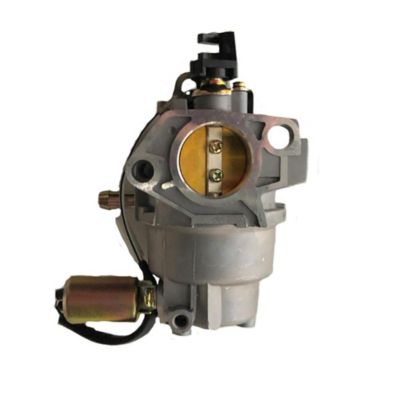
Carburetor Gaskets to the carburetor assembly is especially important because similar-looking fuel systems can have different mounting faces, bowl shapes and seal arrangements. An original part number or an engine parts diagram can help confirm the intended fit. For a mower that has had an engine or carburetor replaced, the components installed on the machine matter more than assumptions based on its original setup. A clear match between the part reference, material and sealing location takes the guesswork out of choosing a gasket that merely looks close.
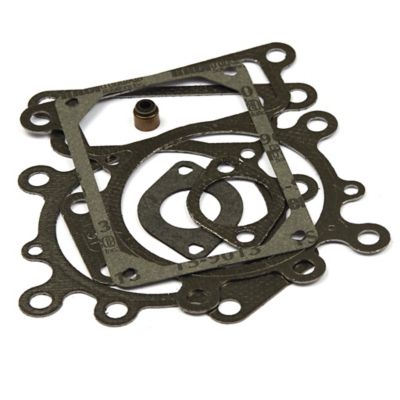
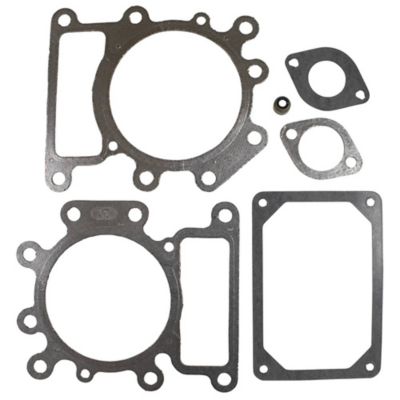
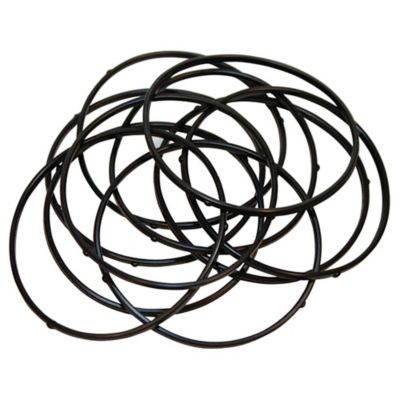
Individual lawn mower gaskets make sense when the repair centers on one known sealing point, while gasket sets can bring together several seals for a broader repair. Set contents vary, so the package description needs to line up with the assemblies involved; a collection of engine gaskets does not necessarily include every oil seal, O-ring or fuel-system seal on the machine. Those parts may work alongside gaskets, but they are not interchangeable simply because they all help prevent leaks. For home equipment owners, farm and acreage caretakers, and small-engine repair shops, keeping the repair scope clear helps prevent an opened engine from sitting on the bench while a missing seal is identified. Service life depends on more than the gasket material itself. Clean, undamaged mating surfaces, sound fasteners and the manufacturer’s tightening sequence and torque specifications all affect how evenly the gasket is clamped. Old gasket residue, gouges from scraping, a bent cover or a warped mating surface can undermine a fresh seal. Extra tightening is not a cure for those problems and can distort a cover or damage threads. Sealant is another application-specific detail: some joints call for it in particular locations, while others require the gasket to go on without added compounds. The service manual should settle that question, especially near small oil passages or fuel-system openings where excess material can cause trouble. Before installation, gaskets benefit from clean, dry storage that protects them from folds, crushing, dirt and contact with chemicals. Flat gaskets should stay flat, and molded seals should retain their intended shape. After a repair, checking the serviced joint as directed by the equipment manufacturer helps catch seepage before the mower returns to regular work. Any fuel leak calls for keeping the machine out of service until the cause is corrected. With the right fit and proper assembly, a modest gasket helps the rest of the engine do its job, whether that mower handles a small yard or long stretches around fences, outbuildings and open ground.