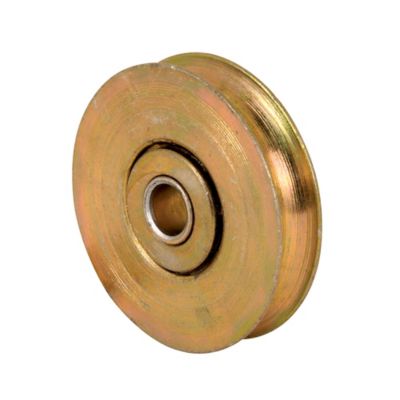
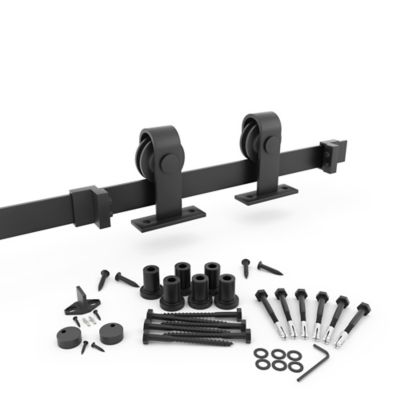
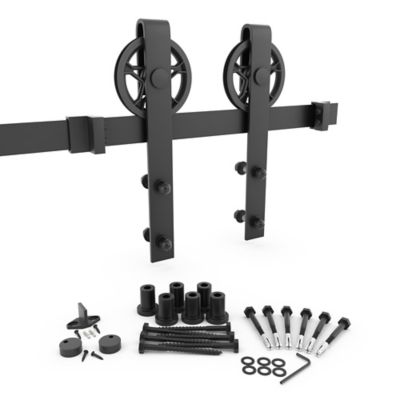
Bypass door tracks let two or more sliding doors travel on parallel paths, so one panel can pass in front of or behind another. That arrangement keeps doors from swinging into the room, making it a practical choice for closets, pantry openings, storage areas and other spots where floor space already has plenty to do. Picture a hallway closet across from a bench, a laundry nook beside a cabinet or a tool-storage opening near a worktable: sliding panels can keep those areas accessible without needing room for a hinged door to swing. The track establishes each door’s path, while compatible rollers or hangers carry the panel along it. Guides help control movement at the bottom, and stops limit travel at the ends. Standard closet bypass tracks commonly have two enclosed channels mounted beneath a header or inside the top of an opening. Surface-mounted barn-style bypass systems place parallel rails on the wall above the doorway, with brackets providing separation between the front and rear doors. Three-track arrangements can accommodate additional panels, though the way those panels overlap and stack depends on the system. These configurations serve different openings, so a closet track and a wall-mounted rail aren’t interchangeable just because both support sliding doors. Aluminum and formed steel are common track materials. Aluminum offers a lighter track that doesn’t develop red rust, while steel is common in assemblies intended for heavier panels. The material alone doesn’t establish the load rating; track shape, mounting arrangement, roller design and fasteners all contribute. Nylon wheels can help soften rolling noise, while metal wheels and bearings appear in other designs with different load requirements. Enclosed channels offer a less noticeable look above closet doors, while exposed rails make the running hardware part of the room’s appearance. For homeowners, property caretakers and folks fitting out a farmhouse storage room, the useful distinction is how the complete system fits the opening and handles the doors.
Fit starts with more than the width of the doorway. Door height, panel thickness, panel weight and the space above and beside the opening all affect which bypass track arrangement makes sense. A hollow-core closet panel places different demands on its hardware than a solid wood door, and a taller panel can need more clearance even when the opening width stays the same. Published weight limits deserve a close look because a rating may apply to an individual door or to the complete assembly. Track length also has different implications across configurations. An enclosed closet track generally fits within the opening, while a face-mounted rail may extend beyond it to provide room for door travel. Some tracks allow trimming according to their specifications; others depend on fixed mounting locations or end components that make cutting unsuitable. Door overlap is another important detail. Panels need enough overlap to cover the opening when closed, but that overlap also affects how much space remains accessible when they slide apart. With a two-panel closet arrangement that keeps both panels within the opening, roughly half the opening is typically accessible at once. Other layouts can provide different access, depending on rail length and surrounding wall space. That matters when reaching for a laundry basket, lifting a feed-storage bin or moving a wide tote through a utility-room opening. Front-to-back clearance deserves the same attention as width. The rails, brackets, door thickness and handles must leave enough separation for the panels to pass without rubbing. Nearby trim, switches, shelves and projecting handles can interfere with that path. A top-hung system can avoid a full-length floor rail, although its floor guides still need room to keep the panels aligned. Overhead mounting also calls for suitable structural support, not just a convenient patch of drywall. Correctly matched attachment hardware and a sound header or wall structure help the track carry its intended load without sagging or shifting.
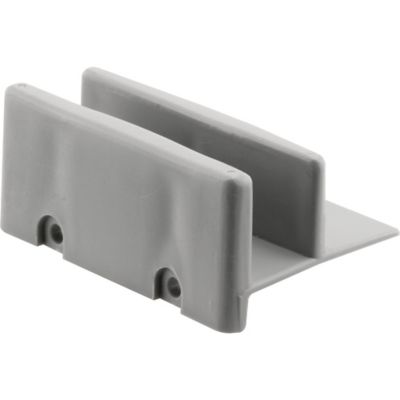
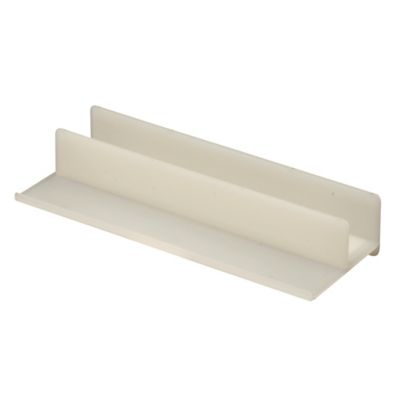
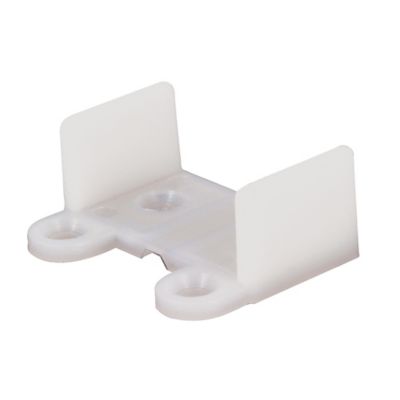
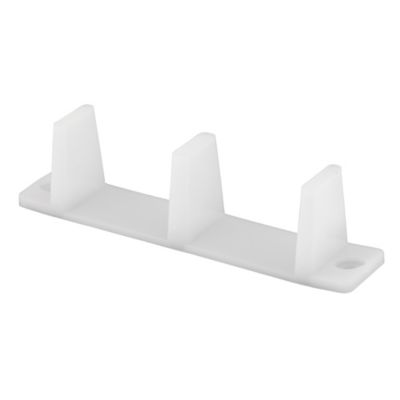
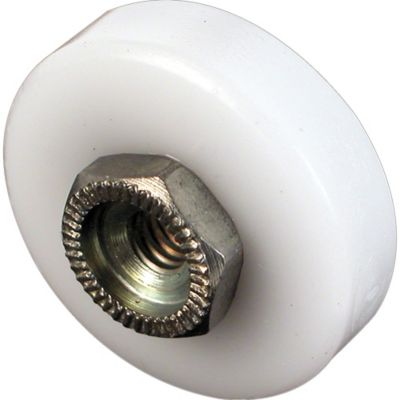
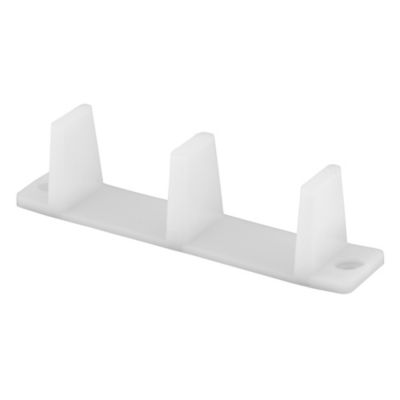
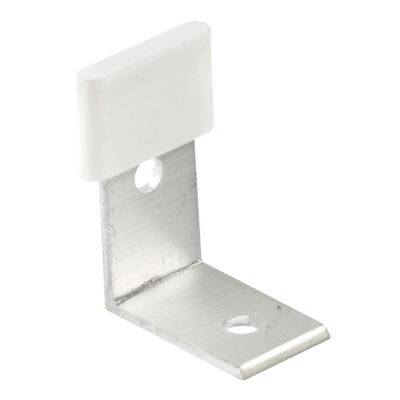
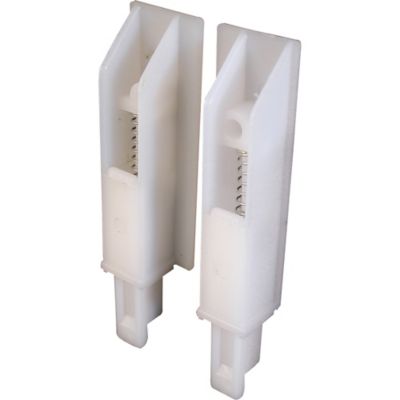
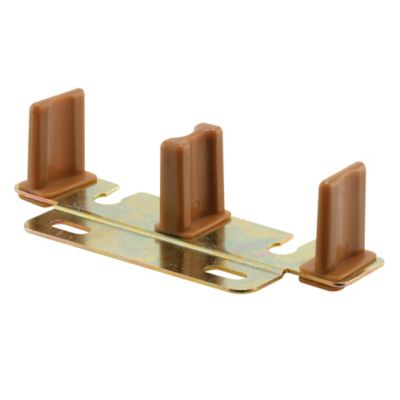
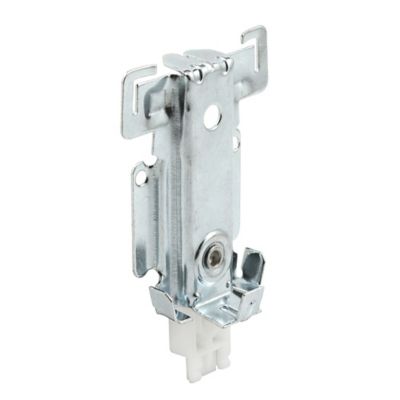
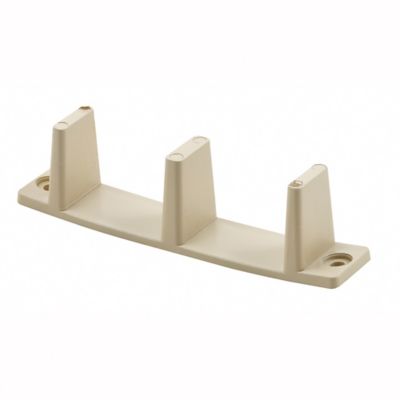
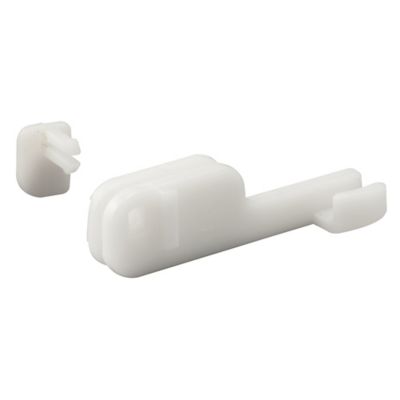
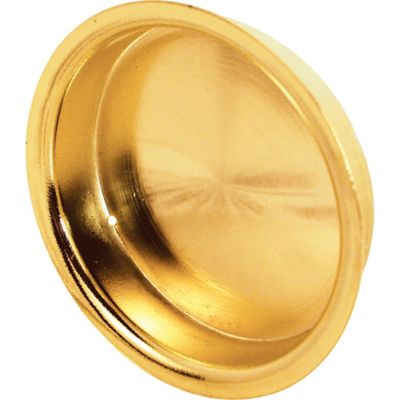
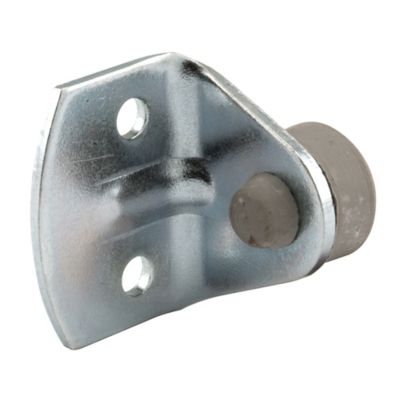
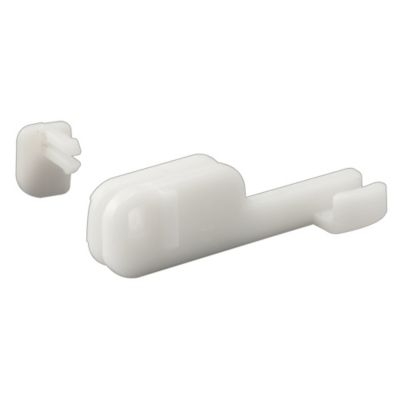
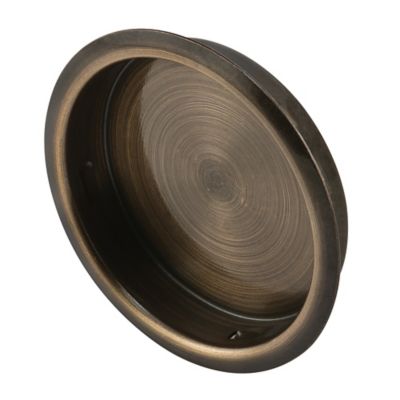
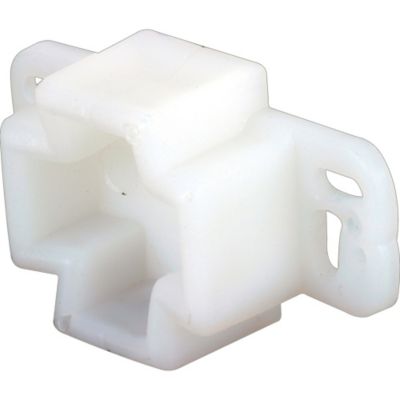
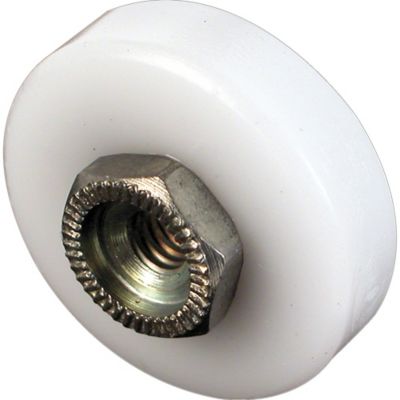
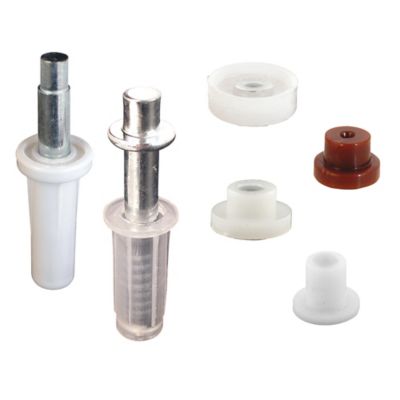
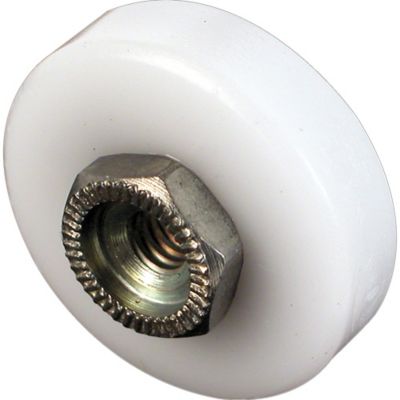
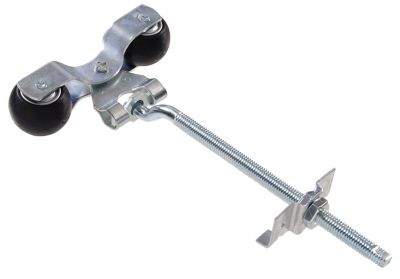
The smaller components often determine how pleasant a bypass door feels day after day. Properly matched rollers should travel smoothly through the track profile, and adjustment features can help the panels sit evenly above the floor. Stops, guides and anti-jump features, where specified, help keep movement controlled rather than leaving a heavy door free to wander or strike nearby trim. Soft-close components may be an option for certain systems, but they need to match the door weight and track arrangement; they aren’t a universal add-on. Kit contents also vary. A track assembly may include hangers, guides or stops, while another arrangement calls for those parts separately. Matching those pieces by their stated compatibility is more useful than choosing parts simply because they look alike. For exposed sliding arrangements,
Barn Door Hardware is closely connected to bypass tracks through the hangers, brackets, guides and stops that support door movement. Keeping those components suited to the same arrangement helps prevent clearance problems between overlapping panels. Daily care is usually straightforward, but it should follow the hardware maker’s directions. Dust, pet hair and workshop debris can collect in channels or around guides and interfere with smooth travel. Gentle cleaning with a soft brush or cloth helps keep those areas clear without scratching the finish. Lubricant requirements differ among wheel and bearing designs, and adding oil to a system that doesn’t call for it can attract more dirt. Loose fasteners, worn wheels, a shifting guide or a door that begins scraping are worth attention before the problem puts extra strain on the rest of the assembly. In a busy household or a working storage space, well-matched bypass door tracks keep access simple: panels stay on their own paths, handles clear neighboring doors, and the opening serves the job it was meant to do without taking up swing space.