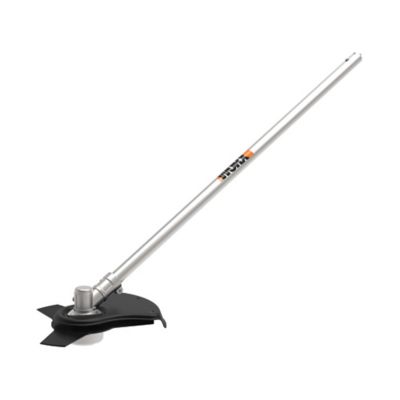
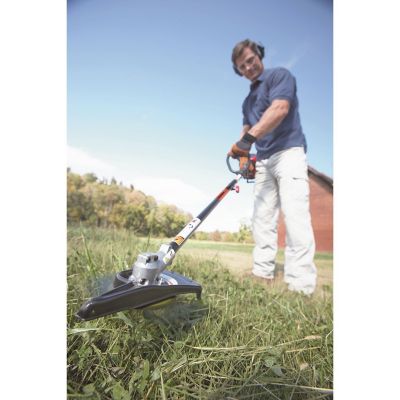
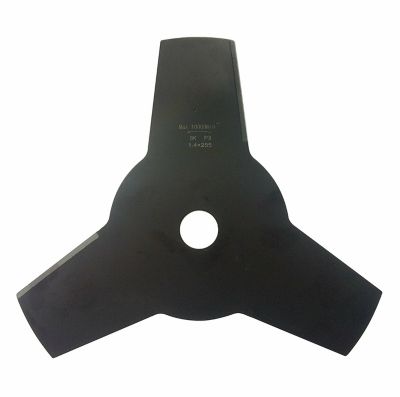
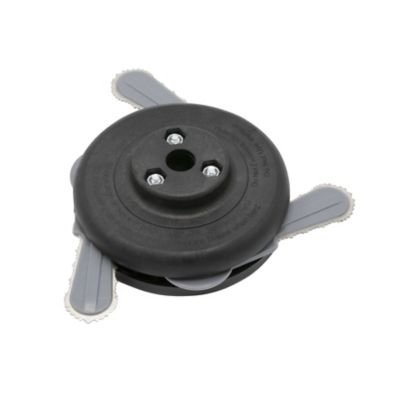
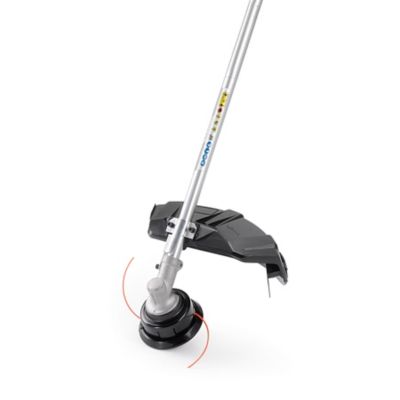
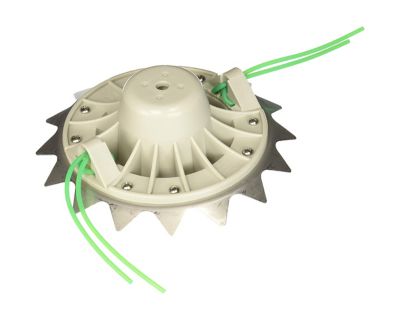
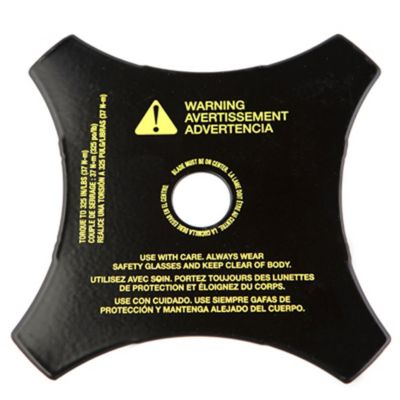
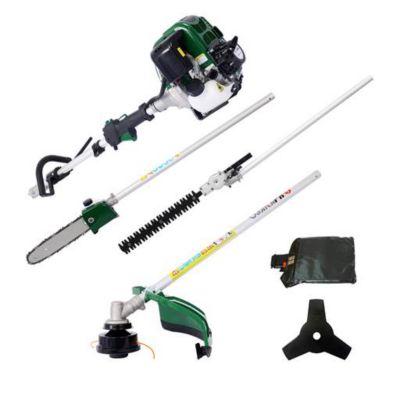
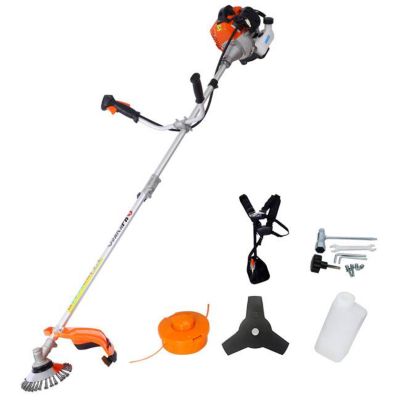
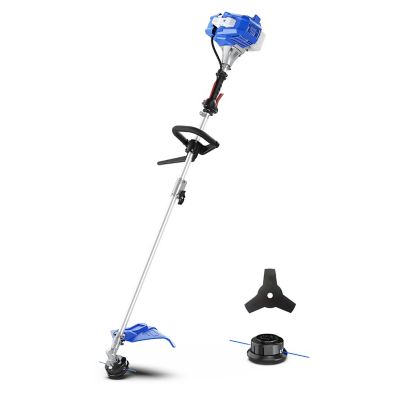
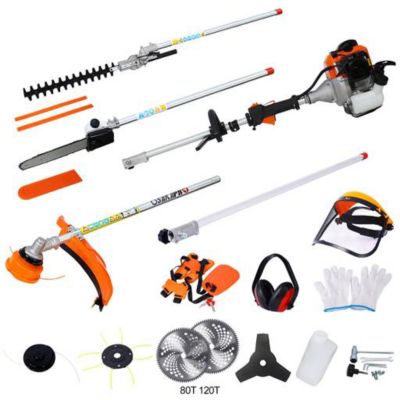
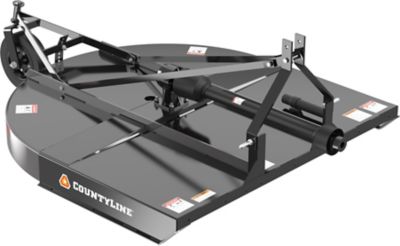
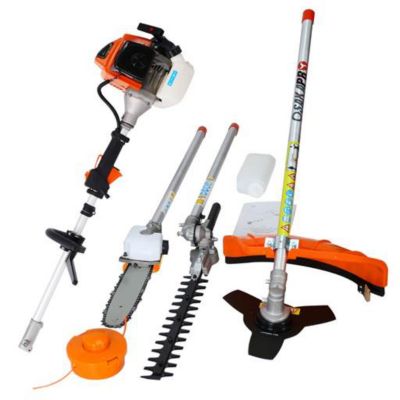
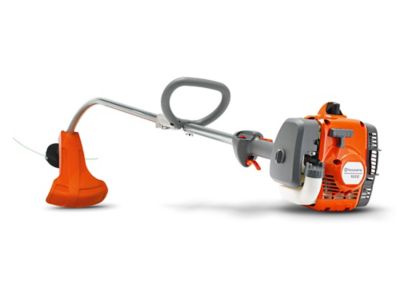
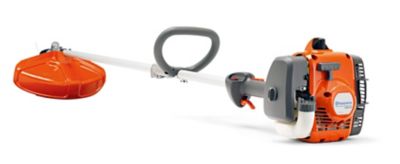
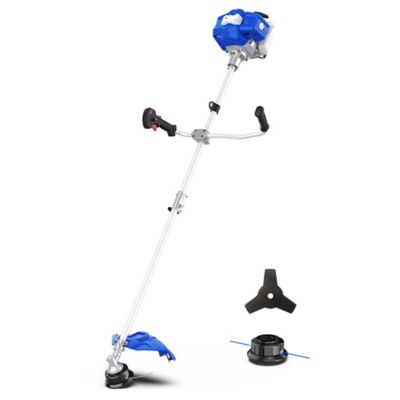
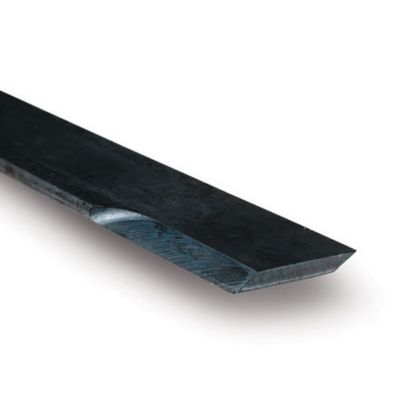
A brush cutter attachment connects to a compatible, attachment-capable string trimmer or power head and adds a bladed cutting assembly for thick weeds, dense grass and light brush. On equipment approved for woody growth, the right blade can also handle small saplings within the manufacturer’s stated cutting limits. That makes these attachments a practical option for property owners tackling overgrown trail edges, pasture margins, drainage banks and stretches of ground beyond the mower’s reach. A patch of tough stalks beside a barn calls for a different cutting setup than soft grass along a walkway, and a metal blade is not simply a substitute for trimmer line in every setting. Brush cutter attachments are meant for vegetation the complete tool is rated to cut, with enough open working room to keep the blade away from fencing, buildings and other obstacles. Blade shape plays a big part in that match. Broad, multi-point blades generally suit heavy grass and tough weeds, while certain toothed circular blades are intended for woody stems and small saplings. Those categories still have different limits, so tooth count or blade diameter alone does not tell the whole story. Cutting capacity depends on the blade, attachment and power head working together as an approved combination. A larger blade does not automatically mean a better match or greater cutting capacity. The selection of
Brush Cutting Blades offers a related place to compare blade styles with the vegetation and equipment in mind. For someone keeping a walking trail open or reclaiming the edge of a field, a well-matched attachment brings a more deliberate cutting action to growth that can overwhelm ordinary trimming line. It also helps separate two different jobs: trimming soft growth around open ground and cutting heavier stems where a blade-equipped tool is appropriate. That distinction matters on mixed properties, where a single stretch of work may include grass, tough stalks and scattered woody shoots.
Fit starts at the connection between the attachment and the power head. Brush cutter attachments may share a similar appearance without sharing the same coupler, drive shaft connection or operating requirements. Shaft diameter, connector design, drive engagement and the manufacturer’s compatibility listing all matter. Even an attachment described as universal can have exceptions, and a connector that slides into place is not, by itself, proof of an approved match. Gas-powered and battery-powered systems both have attachment-capable options, but compatibility comes from the equipment documentation rather than the power source alone. There is also a difference between a complete shaft attachment, a blade-conversion kit and a replacement cutting blade. A replacement blade does not turn a line-only trimmer into a brush cutter unless the manufacturer expressly approves that conversion and the necessary components. Blade mounting hardware, guard design, direction of rotation and the permitted blade size belong in the same fit check. The handle arrangement and harness requirements matter just as much as the cutting connection, especially when the blade meets a tough stem off-center. Depending on the system, an approved barrier bar, handle configuration or shoulder harness may be required. These parts help establish the working position and control intended for that equipment. Construction is another consideration for long stretches of clearing. Steel blades provide the cutting edge, while shaft tubes, gear housings and mounting components support the load and transfer power to the head. Blade thickness, steel treatment and edge design affect how a blade cuts, how it wears and whether it can be sharpened. Protective finishes can help resist surface corrosion, though they do not eliminate care needs. Weight and balance deserve attention, too. An attachment that feels manageable beside the shed may feel different after repeated passes along a lane. Overall shaft length, head weight, handle placement and a properly adjusted approved harness all affect how the tool carries through the work. Easy access to the manufacturer’s specified service parts and maintenance information is useful for equipment expected to earn its keep.
Care requirements for brush cutter attachments center on keeping the cutting assembly clean, secure and free of damage. Packed grass around the head, loose mounting hardware or a bent blade can interfere with operation and deserve attention before another stretch of cutting. Cleaning, inspection and service belong with the power source disconnected or otherwise secured exactly as the equipment manual directs. Some steel blades allow sharpening or reversal, while others call for replacement once worn or damaged; that decision follows the blade maker’s instructions rather than a general rule for all metal cutters. Correct sharpening angles and blade balance matter where sharpening is permitted. Cracks, missing teeth and distortion are not problems to overlook simply because a blade still turns. Gearbox lubrication, fastener checks and coupler care also vary by design, making the maintenance schedule part of the attachment’s long-term fit for the property. Dry, secure storage helps limit corrosion and keeps exposed cutting edges away from children, animals and passing traffic. Safe operation takes more than a sharp blade. Manufacturer-required eye and face protection, hearing protection, gloves, long pants and sturdy footwear belong with the equipment, along with any specified harness and handle setup. A metal blade can throw debris or kick out when it strikes an obstruction, so rocks, loose wire, hidden posts and discarded fencing change whether an area is suitable for cutting. Bystanders, pets and livestock need to remain outside the clearance stated in the manual. These considerations are especially relevant on farms and acreages, where tangled growth can hide old hardware or a low strand of fence. For landowners, grounds crews and folks maintaining access around outbuildings, the best match is an attachment suited to both the vegetation and the approved power head. Matching those needs keeps the focus on useful cutting capacity, manageable handling and straightforward upkeep, whether the job is a short trail section or a longer stretch along a property line.