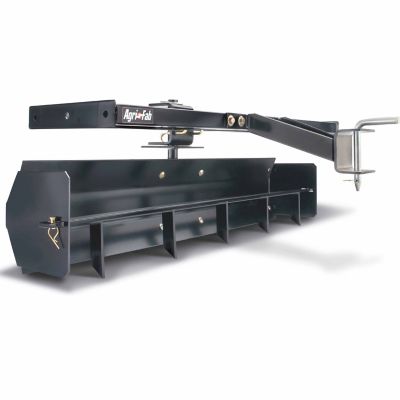
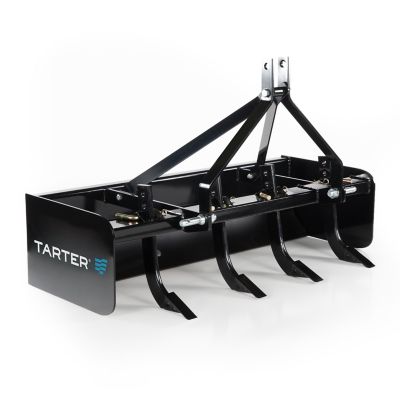
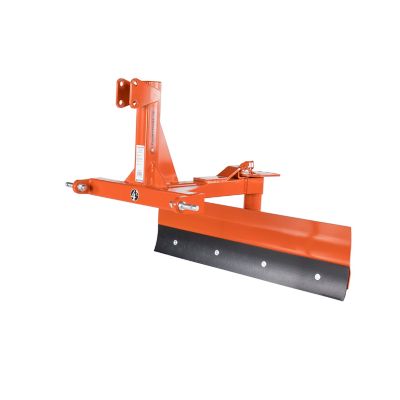
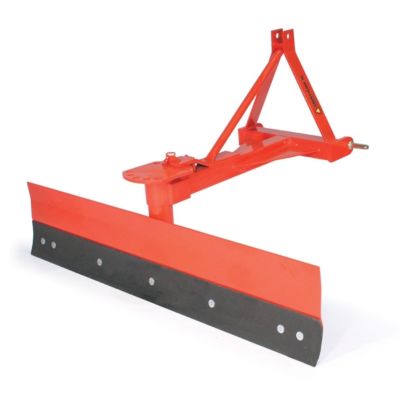
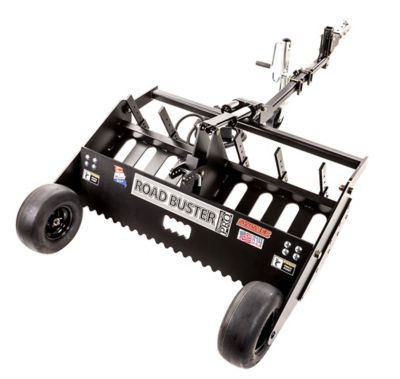
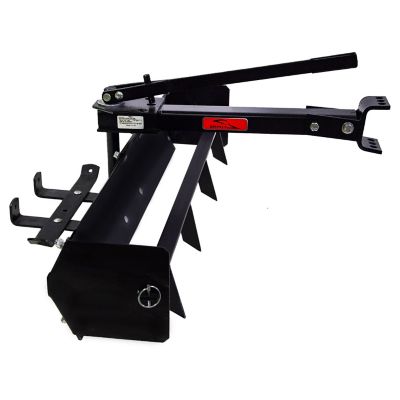
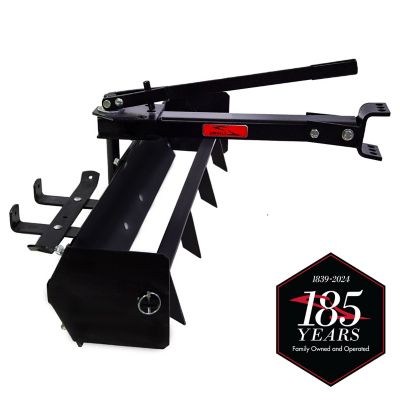
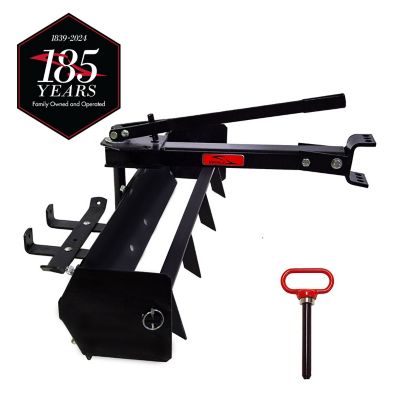
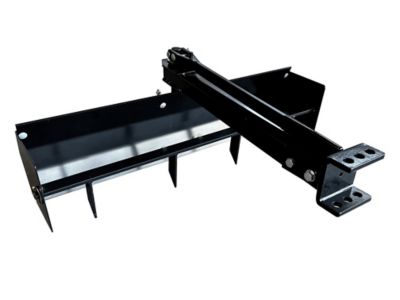
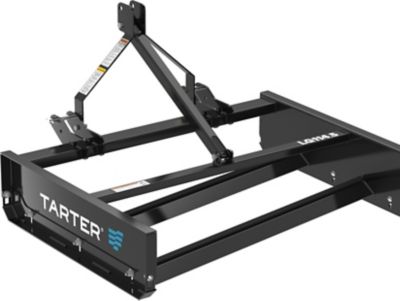
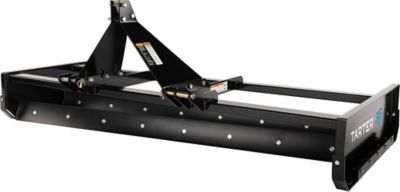
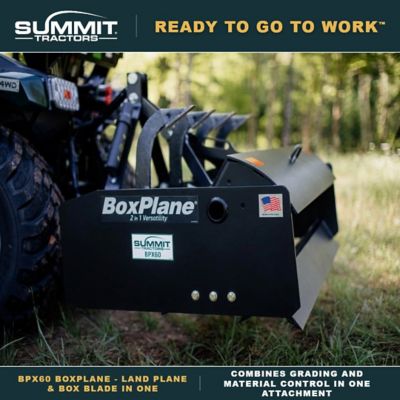
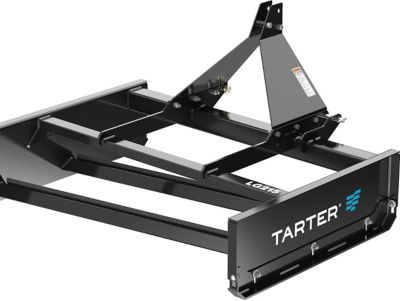
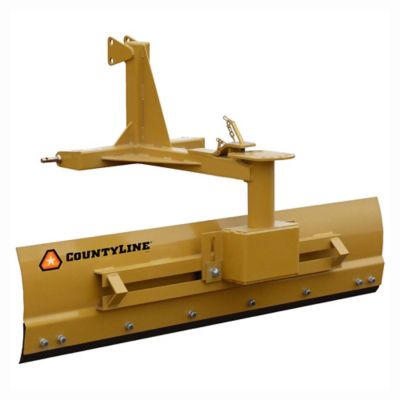
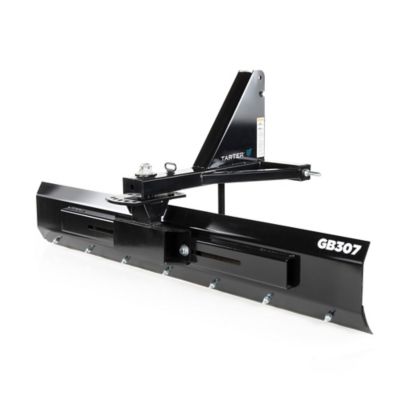
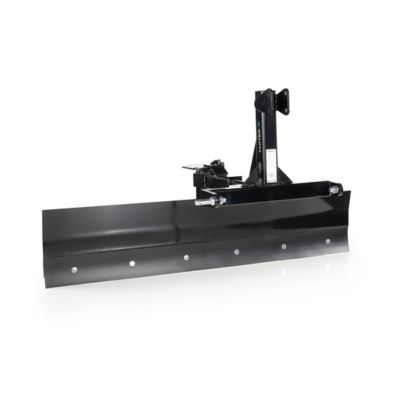
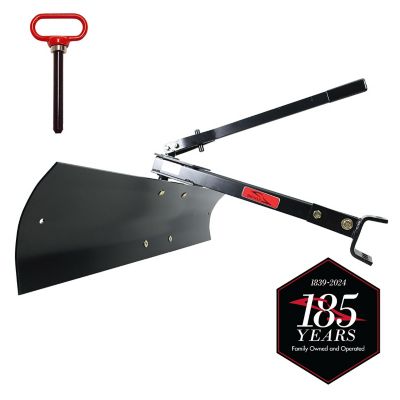
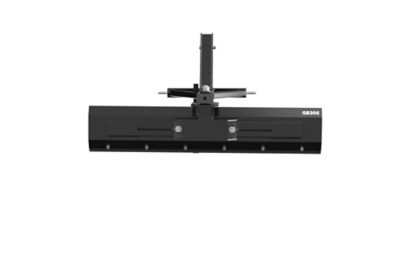
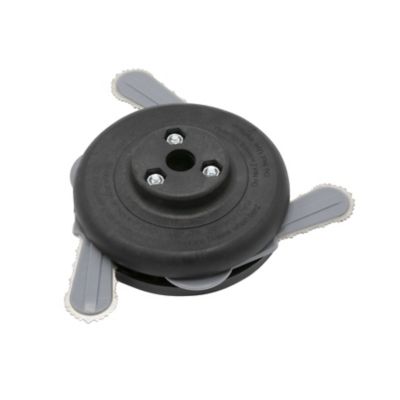
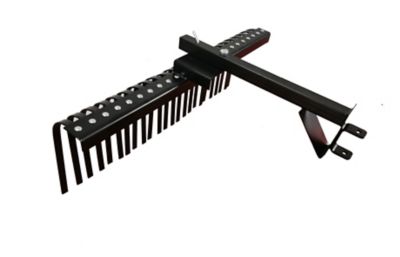
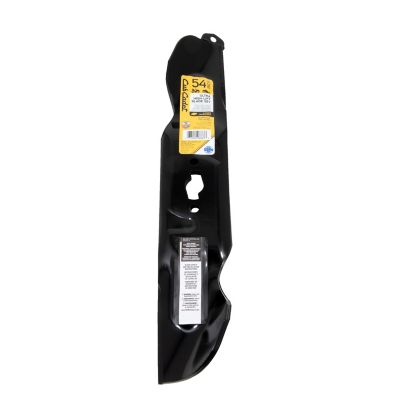
Box blades are tough, practical tractor attachments built for shaping ground, maintaining driveways, and moving loose material around a farm, acreage, jobsite, or hunting property. Their open-top box design uses solid side panels to hold soil, gravel, sand, mulch, and other material in place while the cutting edges spread and level it. Many models also include adjustable scarifier teeth, sometimes called rippers or shanks, that break through hard-packed dirt, compacted gravel, shallow roots, and rough patches before the box blade smooths everything behind the tractor. With the right setup, a box blade can help fill potholes, pull material from high spots, spread a load of topsoil, shape a building pad, or touch up a lane that has developed ruts from rain and regular traffic. It is a handy attachment for farmers, ranchers, property owners, landscapers, and anyone caring for a long gravel drive or several acres. During the warmer part of the year, it can help prepare ground for sheds, barns, gardens, lawns, and other outdoor projects. As the weather turns cooler and wet conditions expose low spots and drainage trouble, the same attachment can be used to smooth rough areas and move material where it is needed. For jobs that involve clearing heavier brush before grading, pairing a box blade with compatible
Brush Cutting Blades can help make the work area easier to manage.
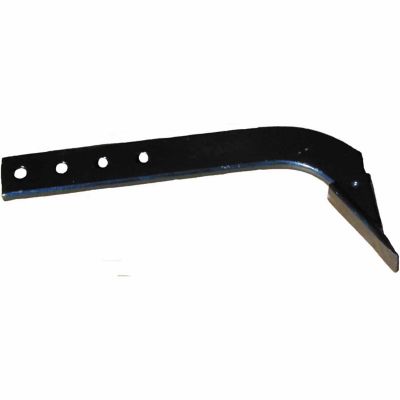
Choosing the right box blade starts with matching the attachment to the tractor and the work at hand. Width is important: a box blade should generally cover the tractor’s tire tracks, but an attachment that is too wide or too heavy may strain the three-point hitch and make it difficult to get a clean cut. Common widths range from about 4 to 8 feet, with the best choice depending on tractor horsepower, lift capacity, tire spacing, ground conditions, and available storage space. A compact tractor used for garden paths and a short driveway may be better suited to a lighter, narrower model, while a larger utility tractor working on packed clay, long gravel lanes, or construction areas can often handle a wider, heavier-duty attachment. Check the tractor’s three-point hitch category and lift capacity before buying, and compare the implement’s operating weight rather than looking at width alone. Heavier frames tend to stay engaged with firm ground and carry more material, while lighter models can be easier to transport and maneuver. Scarifier adjustment is another key consideration. Teeth that can be raised, lowered, or removed give you more control over the job: lower them to loosen stubborn ground, then raise them when you only need to spread gravel or finish a surface. Look for sturdy shanks, durable mounting points, and reversible cutting edges so the working edge can be turned around when one side wears down. Solid end panels help keep material inside the box instead of letting it spill away from the cut, which is especially useful when moving gravel along a driveway or filling a low area. Some operators also appreciate adjustable top links, hydraulic scarifier controls, or other features that make it easier to change the cutting angle from the tractor seat, though simple manual adjustments can be dependable and budget-friendly for many properties.
A box blade works best when the tractor is operated at a steady pace and the attachment is adjusted for the surface instead of forced through it. On a rough gravel drive, lowering the scarifiers first can loosen compacted ridges and break up pothole edges; after that, raising the teeth and making additional passes with the cutting edges can redistribute the gravel more evenly. Small changes to the three-point hitch and top link affect how aggressively the box cuts, carries, or releases material, so taking a few test passes in an out-of-the-way spot can save time and prevent moving too much dirt at once. Avoid trying to take a deep cut in one pass, particularly in dry clay, rocky ground, or areas with hidden roots. Several lighter passes are usually easier on the tractor and produce a more even finish. Before operating, inspect the hitch points, pins, cutting edges, scarifier teeth, and frame for damage or loose hardware. Clear people, pets, and vehicles from the work area, and keep bystanders away from raised equipment. The attachment can hold a surprising amount of heavy material, so lower it to the ground whenever the tractor is parked, and follow the tractor and implement safety instructions for transport and operation. Box blades are not usually a casual gift, but they can be a thoughtful choice for someone taking on a new piece of land, maintaining a rural property, or building a small farm operation—provided the attachment matches that person’s tractor. For a landowner who spends weekends smoothing a lane after heavy rain, preparing a level spot for a new outbuilding, or reclaiming an overgrown section of pasture, a well-matched box blade can become one of those dependable tools that earns its place in the equipment lineup year after year.