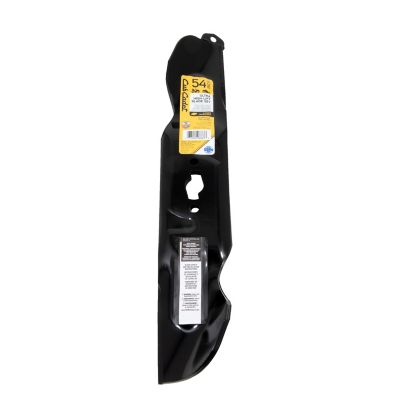
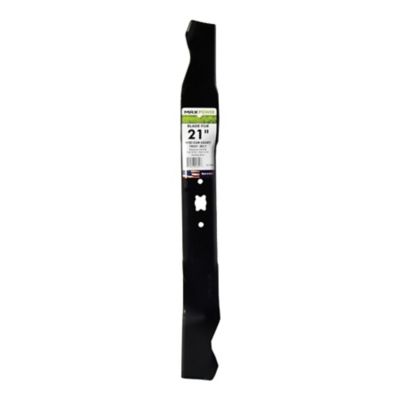
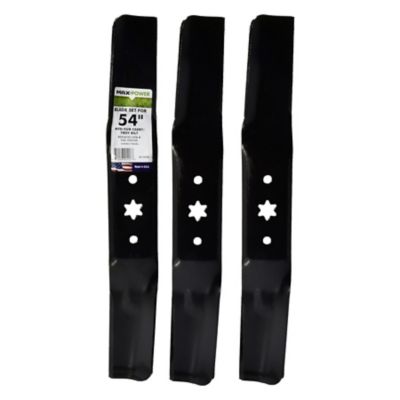
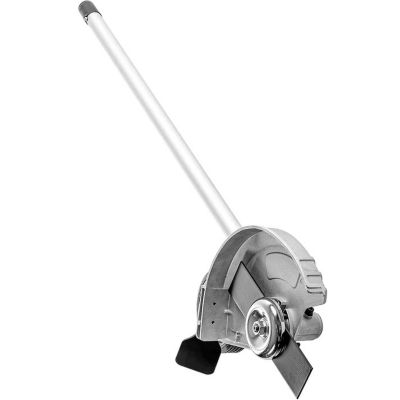
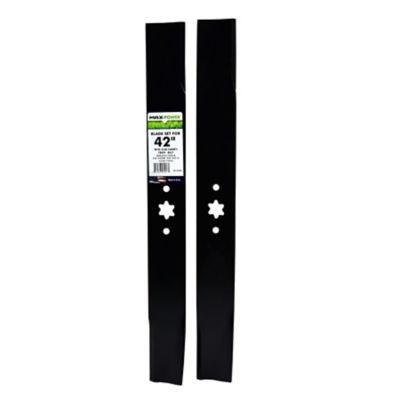
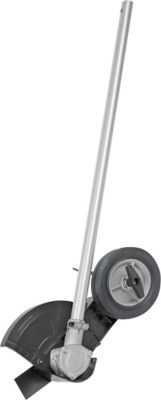
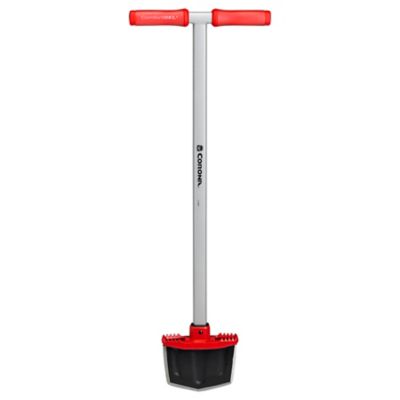
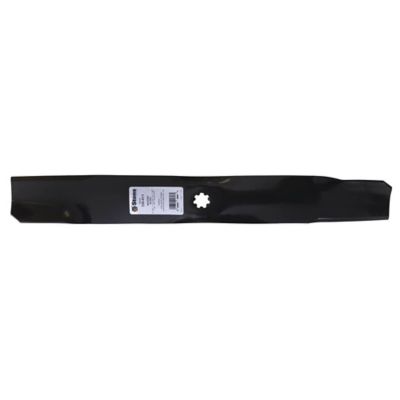
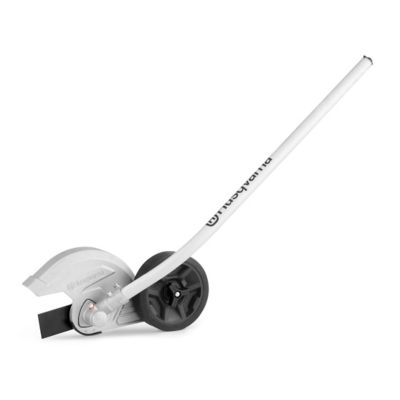
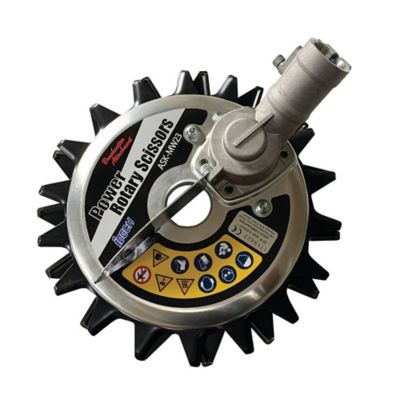
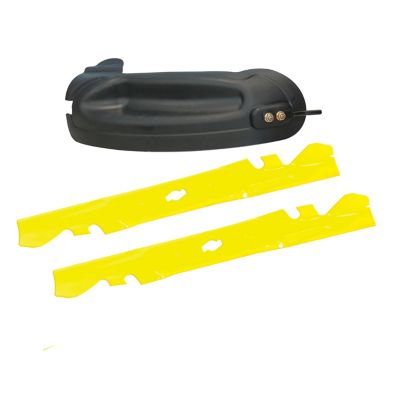
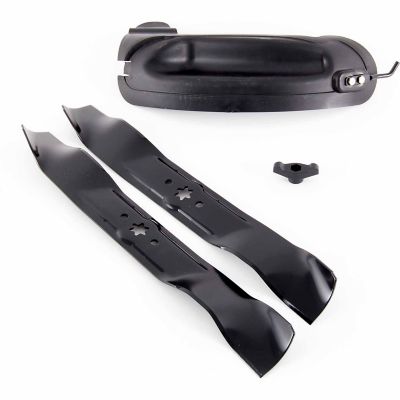
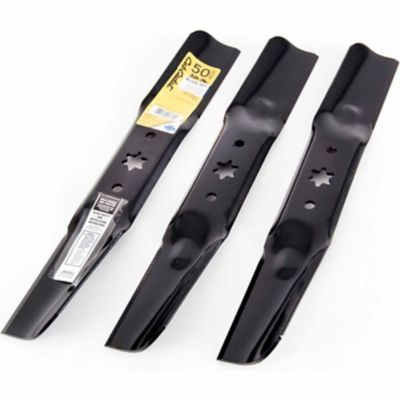
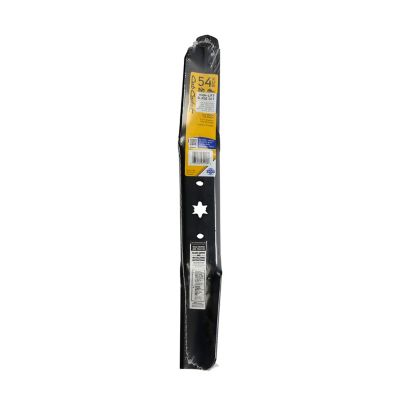
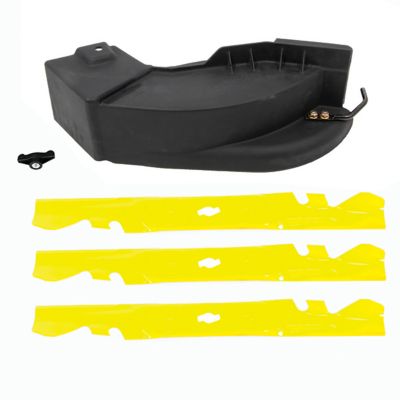
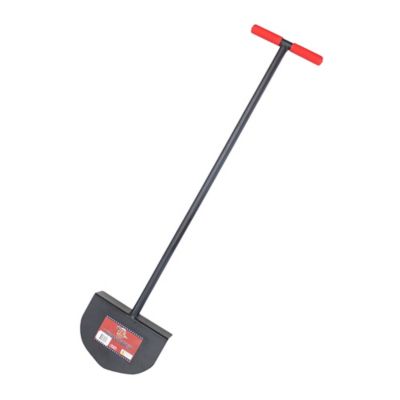
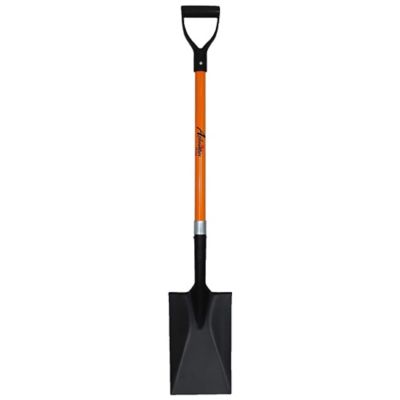
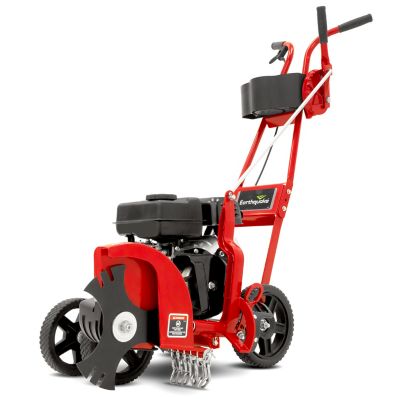
Edger blades help keep the line between your lawn and hard surfaces neat, sharp, and easy to maintain. While a mower handles the broad stretch of grass, an edger blade takes care of the places where turf creeps over sidewalks, driveways, curbs, garden borders, and other landscape edges. A clean edge can make a yard look freshly tended, even when the rest of the grass is growing quickly during the warmer part of the year. These replacement blades are useful for homeowners, renters who care for their own yard, property managers, landscapers, and anyone who spends a Saturday morning turning an overgrown walkway back into a tidy path. They can also make a practical gift for a new homeowner, a parent who enjoys working outdoors, or a neighbor who takes pride in keeping the place looking its best. For smaller yards and light touchups, a manual edger may be all that is needed; browse
Manual Edgers for another way to maintain a crisp border without relying on a powered tool. Whether the job involves a few inches of grass along the front walk or a long driveway lined with turf, the right replacement blade helps the edger cut cleanly and keeps the work moving along.
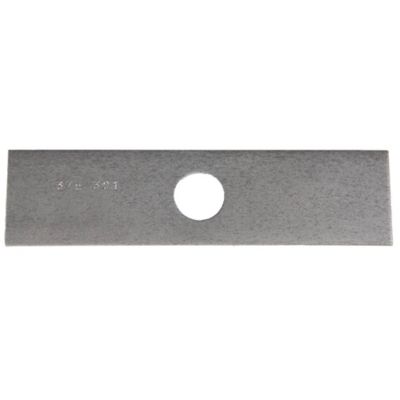
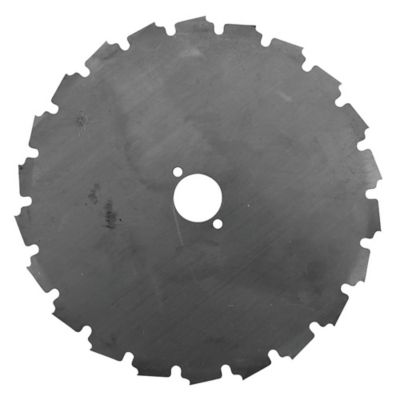
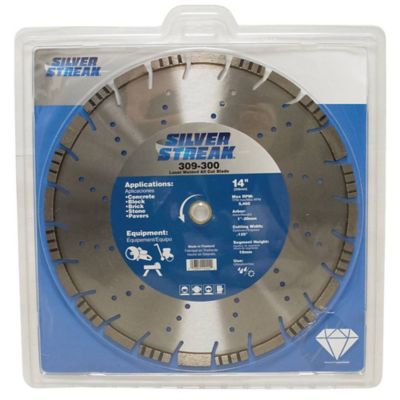
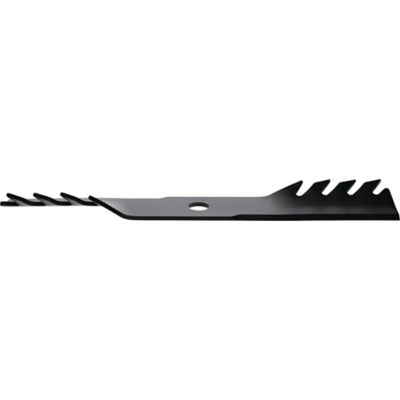
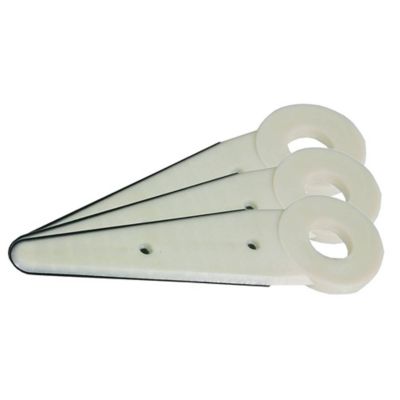
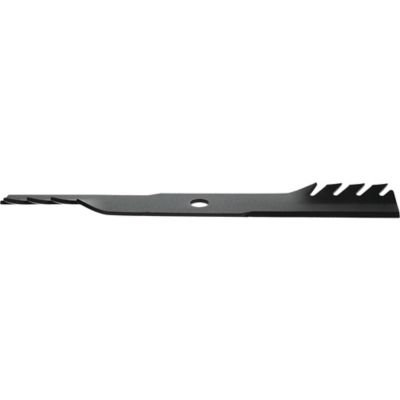
Before choosing an edger blade, check the edger’s owner’s manual and compare the replacement part with the blade already on the tool. Important details include the blade’s outside diameter, thickness, center hole or arbor size, mounting style, and any part number stamped on the original. Lawn edger blades commonly fall in the 8- to 10-inch range, but a similar-looking blade is not automatically a proper fit. The center hole needs to match the tool’s spindle, and the blade must be thick enough and shaped correctly for the retaining hardware to hold it securely. Flat steel blades are a common choice for everyday edging and make a straight, precise cut through ordinary turf. Curved or winged styles may help move loose soil and grass away from the cut, which can be handy along sidewalks where dirt tends to spill onto the concrete. Toothed or saber-style blades are built for tougher conditions and may work well in dense, rooted, or somewhat muddy ground where a smooth blade can clog more easily. Poly blades offer a nonmetal option for edging near decorative stone, delicate concrete, landscaping features, or surfaces where a steel blade could chip or scratch the edge. Match the blade style to the work, but always let the tool’s specifications be the final word. A blade made for a different edger, even one with the same general diameter, can create an unsafe fit or cut at the wrong depth.
Blade wear is easy to overlook because an edger may keep spinning long after the cutting performance has started to fade. Inspect the blade before putting the tool away, and look for a rounded cutting edge, deep nicks, cracks, bent sections, heavy rust, or a noticeably reduced diameter. As a general reference, a 9-inch blade may no longer maintain the intended cutting depth once wear reduces it to roughly 7.25 inches; at that point, replacement is usually a better choice than trying to keep working with it. Many edger blades are designed to be replaced rather than sharpened, especially when the metal has become thin or the blade has been damaged by gravel, hidden roots, or the edge of a curb. When installing a new blade, disconnect the power source first, follow the tool manual, and use the correct wrench and retaining hardware. Some edgers use reverse-threaded nuts, so check the instructions instead of forcing the fastener in the wrong direction. If the tool has a blade-locking hole, use the specified locking pin or an appropriate alignment tool to keep the blade from turning; never hold the blade by hand. Wear gloves and eye protection, clear away sticks and stones before edging, and let the blade come to a complete stop before inspecting the cut. With the correct size, a sound mounting fit, and a blade suited to the ground, edging becomes a steady, satisfying chore—the kind that leaves a clean stripe beside the driveway and makes the whole yard look a little more cared for through the cooler months.