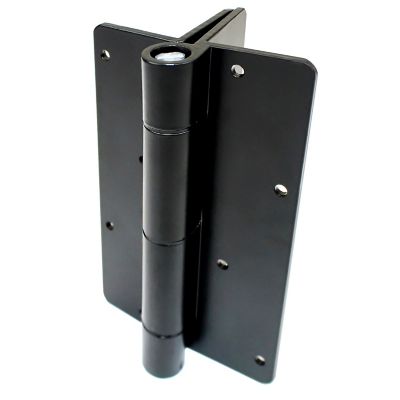
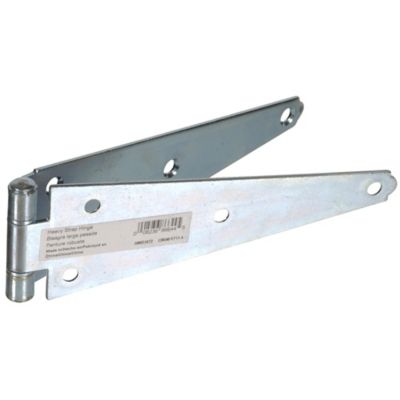
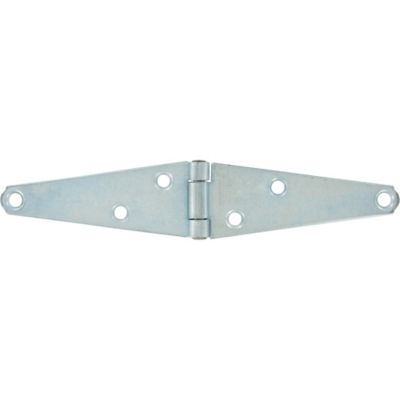
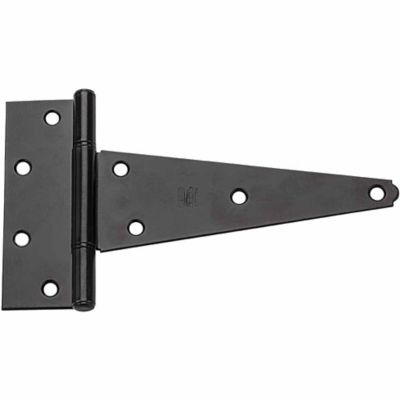
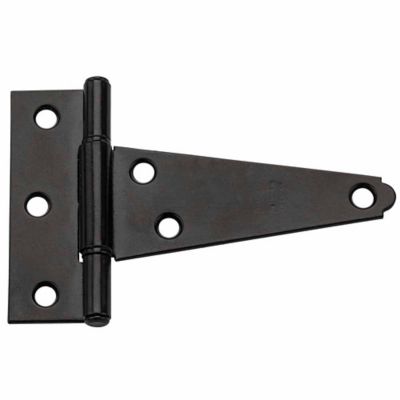
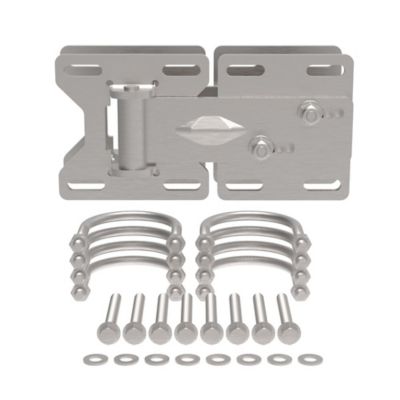
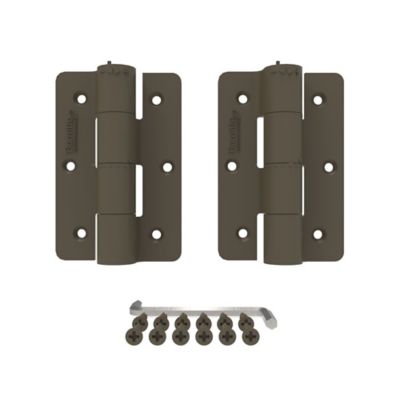
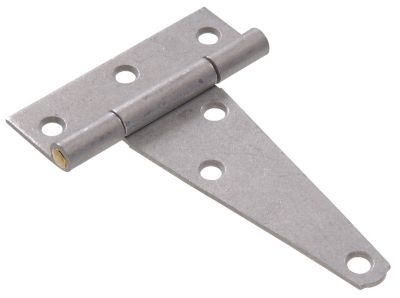
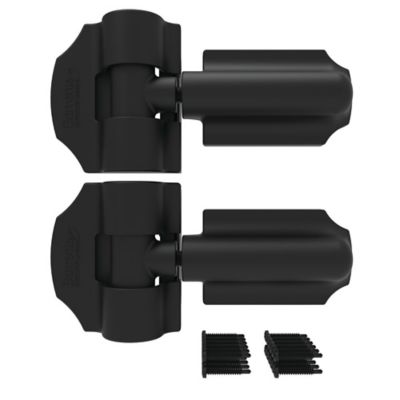
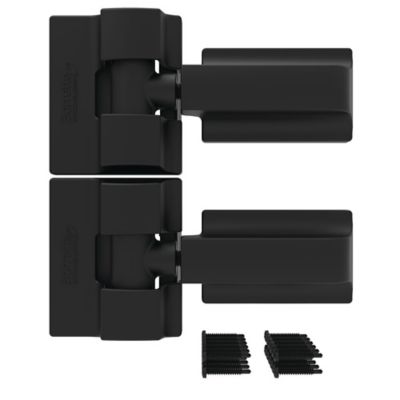
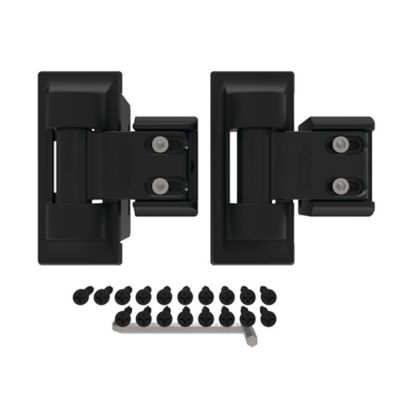
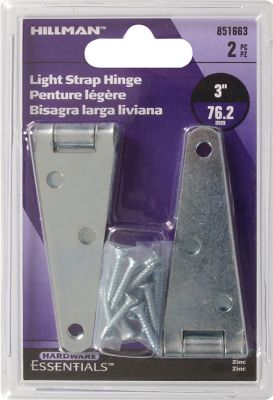
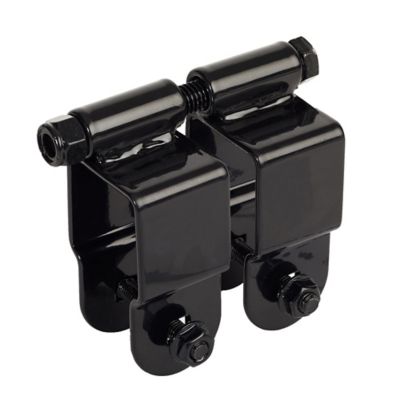
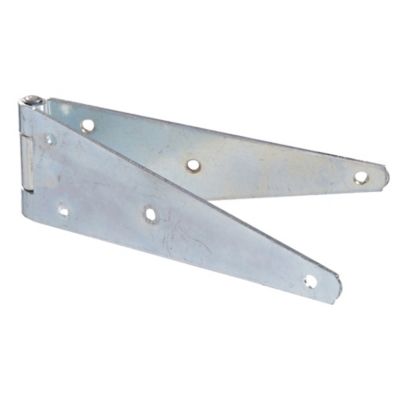
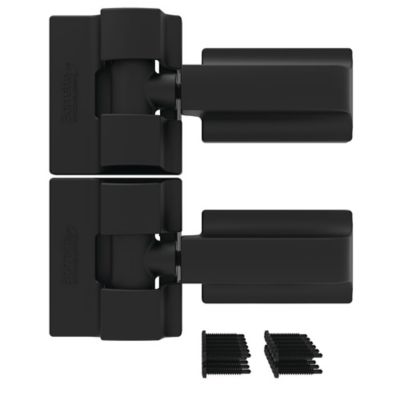
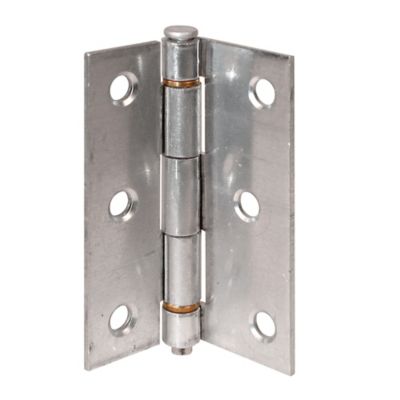
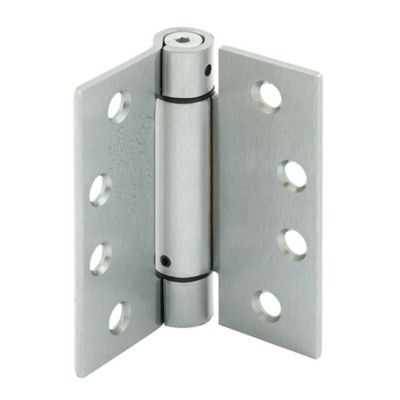
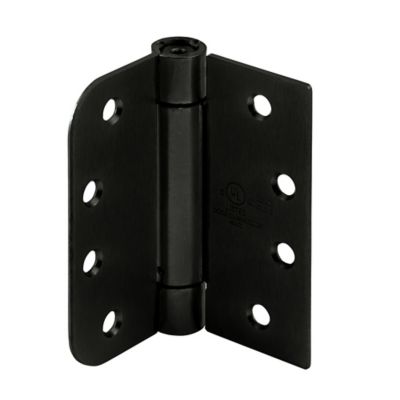
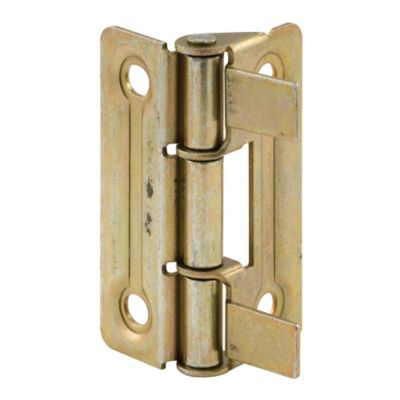
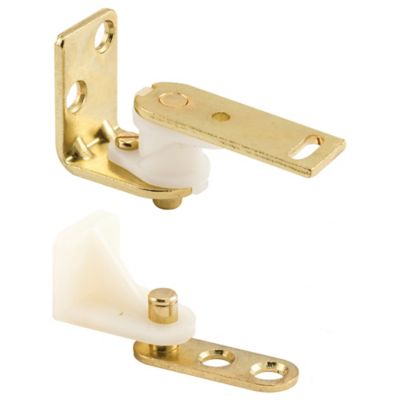
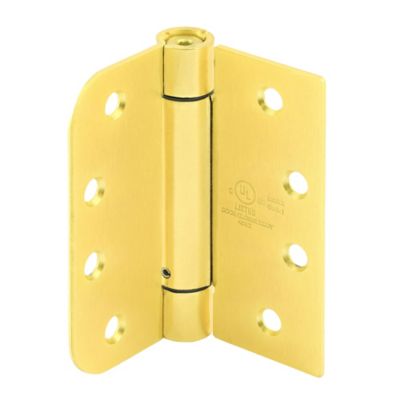
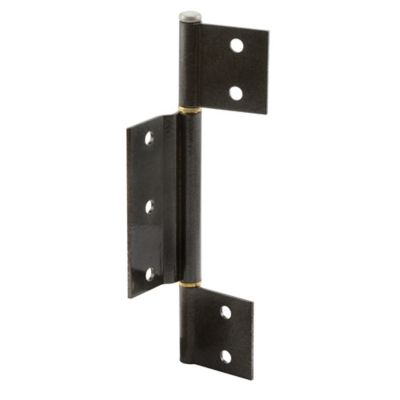
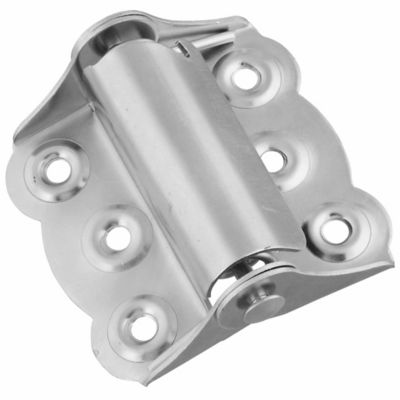
Metal hinges are the hardworking moving parts that let doors, gates, lids and panels swing smoothly while carrying their share of the load. They may be small compared with the gate or door they support, but the right hinge can make a big difference in how a project feels and how long it holds up. Metal hinges are commonly made from steel, stainless steel, brass or aluminum, with each material suited to different jobs. Steel is a dependable choice for many farm, shop and household repairs, especially when strength matters. Stainless steel offers added resistance to moisture and rust, making it a smart pick for outdoor use, wash areas, animal shelters and other places where hinges may see rain, mud or frequent cleaning. Brass and other finished metals can bring a more polished look to cabinets, chests and interior doors, while aluminum offers a lightweight option for certain applications. The style of hinge matters just as much as the material. Butt hinges are the familiar flat-leaf style often used on doors and cabinets, with one leaf attached to the door and the other to the frame. Strap hinges have longer arms that spread support across a wider area and suit barn doors, garden gates, sheds and rustic projects where a little old-fashioned character fits right in. Barrel or bullet hinges have a compact cylindrical shape and are often used on metal gates, smoker lids, equipment panels and other setups where a clean profile or weld-on installation is preferred. Spring hinges can help a door return toward the closed position, while ball-bearing hinges are built for smooth movement on heavier or frequently used doors. For projects that call for a wider leaf wrapping around an edge or corner,
Wrap Hinges can provide added coverage and a secure, finished appearance.
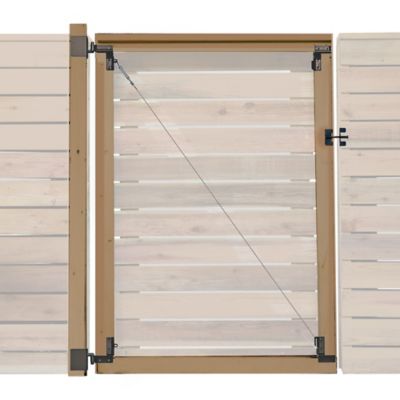
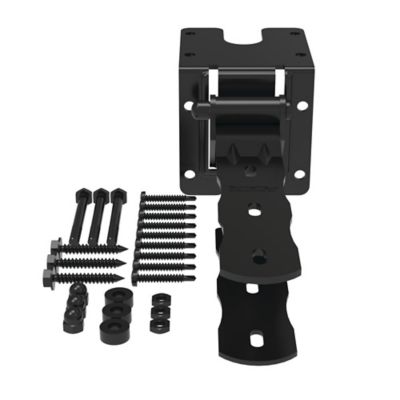
Before choosing metal hinges, take a close look at what you are attaching, how often it will move and where it will live. A lightweight cabinet door in a dry mudroom does not need the same hinge as a solid wood gate that swings across a gravel drive in wind and rain. Start with the weight and size of the door, lid or panel, then consider how that weight is distributed. Tall, heavy gates may need larger hinges, wider mounting plates or multiple hinges spaced along the frame rather than a pair of small hardware pieces. Load capacity is not only about the total weight; the hinge must also handle leverage, movement and the occasional hard swing when a gust catches the gate. For high-traffic doors, ball-bearing designs can help reduce friction and wear, especially when the door is heavy or used all day in a shop, tack room or outbuilding. Next, check the mounting method. Mortise hinges sit in recessed pockets cut into the door and frame for a tidy, nearly flush fit. Surface-mount hinges attach directly to the face of the materials and can save time when you are repairing an older door, building a simple crate or working with material that is too thin for a deep recess. Weld-on hinges are suited to permanent metal-to-metal installations and are often useful for steel gates, equipment guards and fabrication projects. Make sure the hinge leaves, pin and fasteners are compatible with the materials involved. Screws need enough length and bite to hold securely without breaking through the other side, and metal frames may require nuts, bolts, backing plates or welding instead of ordinary wood screws. A quick test with a tape measure can prevent a long afternoon of rework: compare the hinge leaf width with the available mounting area, check the pin diameter and confirm that the swing will clear nearby trim, fencing or posts.
The finish deserves attention too, particularly for anything outside. A painted or coated steel hinge can work well when its finish stays intact, but exposed cuts, scratches and weld areas may need touch-up protection to help slow corrosion. Stainless steel is often a better fit for damp conditions, coastal air or places that are washed down regularly. Even a sturdy hinge benefits from a good installation. Keep the leaves aligned, use a level on doors and gates, and support a heavy panel while setting the pins or tightening fasteners; trying to hold everything in place by yourself is how crooked gaps and pinched fingers happen. On a farm, a hinge may be asked to handle dust from a busy lane, grit from a stockyard or the repeated bumps that come with daily chores, so a quick inspection during routine fence or gate checks can pay off. Look for loose screws, sagging panels, bent leaves, worn pins and rust around mounting points. A little lubricant on a compatible hinge pin can quiet a squeak and keep movement easy, though weld-on or sealed designs may have different care needs. Metal hinges are useful for homeowners, farmers, ranchers, builders, repair crews, woodworkers and anyone who likes to keep a shed, barn or workshop in good working order. They also make a practical addition to a project maker’s toolbox or a thoughtful gift for someone fixing up an old homestead, building a chicken coop, restoring a garden gate or outfitting a new workshop. During the warmer part of the year, they can help finish outdoor repairs and gate projects, while cooler months are a good time to replace worn hardware on sheds, cabinets and outbuildings before the next busy season. Choosing the right size, material, mounting style and load rating gives each hinge a better chance to do its job quietly for years, whether it is swinging a small utility door or supporting a well-used farm gate.