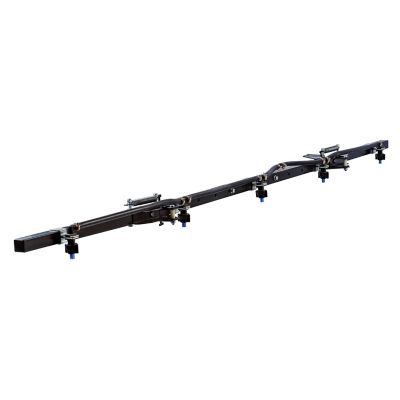
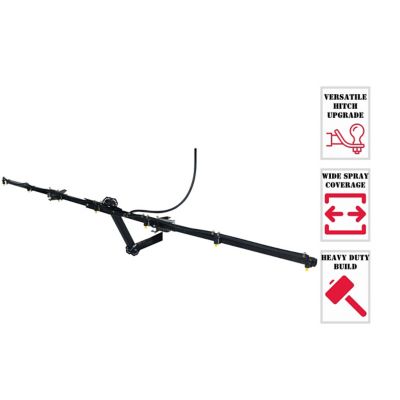
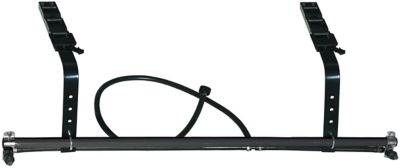
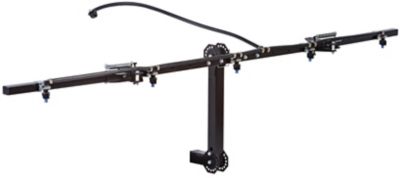
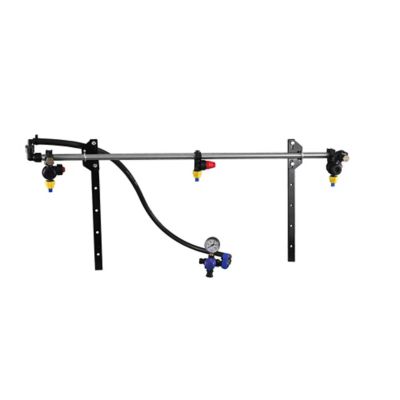
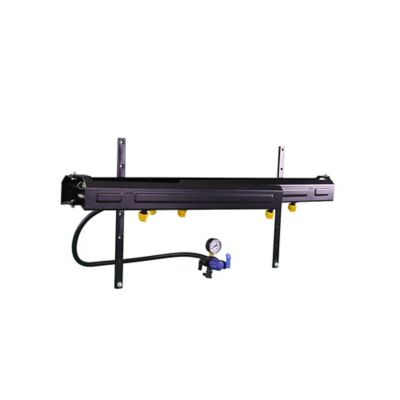
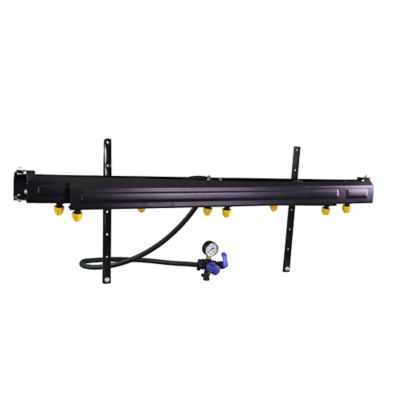
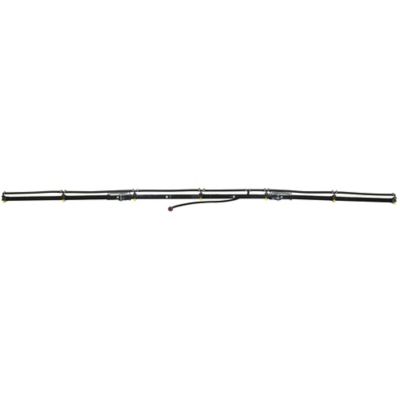
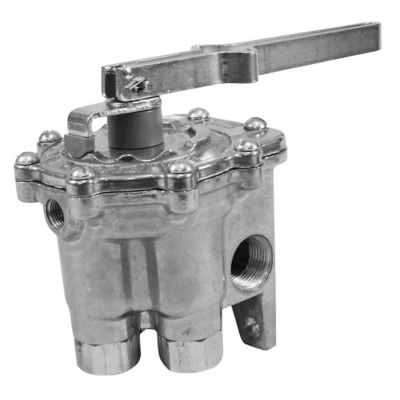
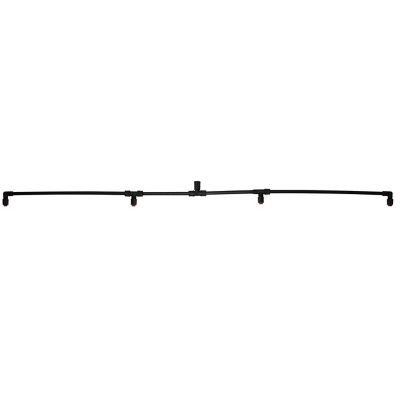
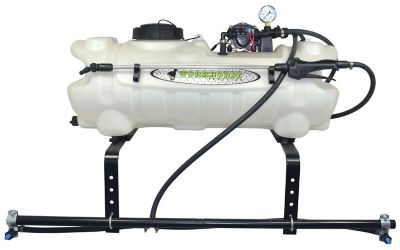
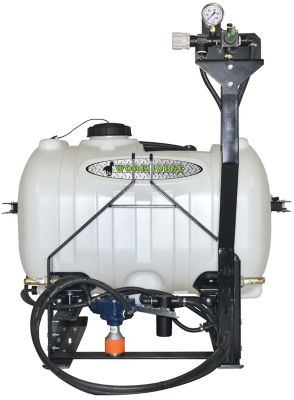
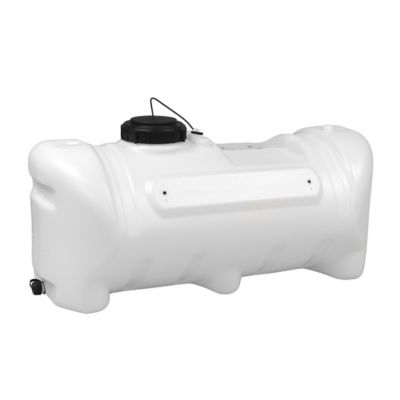
Sprayer boom kits add a mounted spray bar and multiple nozzles to a compatible tank sprayer, helping spread liquid across a wider swath than a handheld wand. They’re a practical fit for covering lawns, pastures, food plots, and other open ground where an even application matters. Instead of working across a patch of grass one wand pass at a time, a boom distributes spray through evenly spaced outlets as the sprayer moves. That wider pattern can make repeat passes easier to line up, though the actual coverage depends on nozzle selection, mounting height, pressure, and travel speed. For acreage owners, groundskeepers, and folks caring for farm property, the right setup starts with a clear match between the attachment and the equipment doing the hauling. ATV-mounted, UTV-mounted, tow-behind, and tractor-mounted sprayers have different frames, mounting points, and operating limits, so a boom kit isn’t automatically interchangeable among them. Mounting brackets, connection sizes, clearance, and the weight of the complete assembly all deserve a close look. The tanks, pumps, and related equipment in
Sprayers Farm Tools are part of that same setup; a boom attachment generally expands how a compatible sprayer applies liquid rather than replacing the tank and pump. Kit contents also vary, with some configurations including brackets, hoses, fittings, valves, or nozzle assemblies and others requiring additional compatible components. Physical boom length and advertised spray width aren’t necessarily the same measurement, either. Spray can extend beyond the outer nozzles, making both dimensions important when comparing attachments. A wide treatment pattern may suit a broad stretch of pasture, while a more compact assembly can be easier to handle around gates, fence corners, and narrow equipment lanes. Folding sections can help with transport and storage, but the folded dimensions still need to suit the machine and the route back to the shed.
A good match between boom demand and pump output matters just as much as mounting fit. Every nozzle draws a certain flow at a given pressure, and the pump must supply the combined demand of all operating nozzles at the intended working pressure. If the system also provides tank agitation or another function, that demand belongs in the calculation, too. A pump’s maximum flow rating alone doesn’t tell the whole story, because flow changes with pressure. Adding more outlets to an existing sprayer doesn’t create more pump capacity, and an undersized system can leave the spray pattern uneven or keep the nozzles from operating as intended. Nozzle charts, pump performance information, and the boom manufacturer’s specifications help show whether the parts belong together. Nozzle type also affects droplet size, spray angle, application rate, and the amount of overlap between neighboring patterns. Flat-fan patterns are common for broadcast coverage, but the proper tip depends on the application and the product label. Nozzle spacing and boom height work together: too little overlap can leave untreated strips, while the wrong height can change distribution across the swath. For a pasture lane or a long stretch beside a food plot, those differences can show up as bands that receive different amounts of spray. Application rate also changes with ground speed, so steady travel matters even when the pressure stays consistent. Wider coverage doesn’t mean that more liquid belongs on each acre. Calibration with clean water helps establish the actual output before treatment, and the chemical label determines permitted sites, rates, application methods, and other requirements. Section controls, pressure regulation, gauges, and shutoff valves can make a setup easier to manage, depending on the kit and sprayer. A filter or strainer matched to the nozzle requirements helps keep debris out of small openings, while compatible check valves can limit dripping after flow stops.
Materials and construction make a difference once a boom leaves the shed and starts traveling over ruts, field entrances, and uneven ground. Steel frameworks can provide a solid mounting structure, while aluminum can reduce attachment weight; the better fit depends on the sprayer’s limits and the demands of the property. Protective finishes help shield metal surfaces, but fittings, fasteners, hinges, and mounting hardware need attention as well. Hoses, seals, nozzle bodies, and other wetted parts must be compatible with the liquid being applied, since a material that handles one formulation may not suit another. Pressure ratings matter throughout the plumbing, not just at the pump. Hose routing should allow room for folding joints and steering movement without pinching lines or letting them rub against sharp edges. On a trail between fenced paddocks, a projecting boom can meet a post before the operator expects it, making transport clearance and any breakaway features worth considering. Folding mechanisms should lock as the manufacturer specifies, and breakaway sections, where included, are not a substitute for leaving enough room. Care between jobs helps keep the assembly ready for its next run. Residue can collect inside lines, strainers, and nozzle openings, so rinsing and flushing need to follow both the equipment instructions and the chemical label, including directions for handling rinse liquid. Carryover deserves particular attention when one sprayer serves different areas, such as a pasture and a lawn. Nozzle openings can wear as well as clog, changing output even when the pattern still looks reasonable. Manufacturer-approved cleaning methods help protect those small openings from damage. Loose brackets, cracked hoses, leaking connections, and bent sections are easier to address before the tank is filled and the machine is headed out. Supported storage, secured folding sections, and hoses kept clear of sharp bends help protect the attachment between applications. A well-matched boom kit brings together suitable coverage, compatible plumbing, and manageable dimensions, giving everyday property work a setup that fits both the ground and the machine.