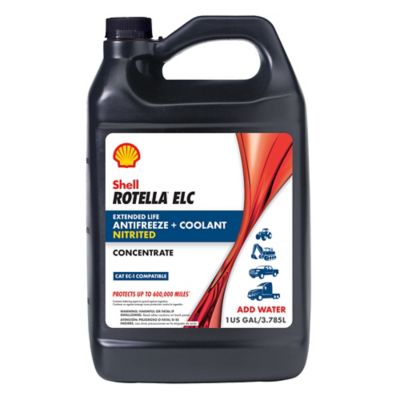
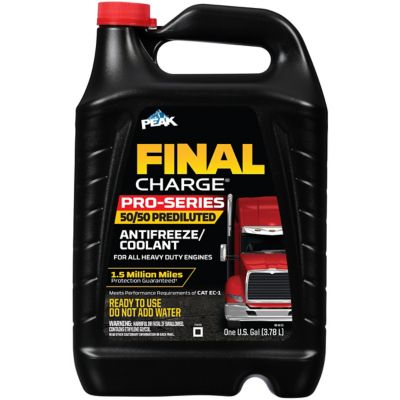
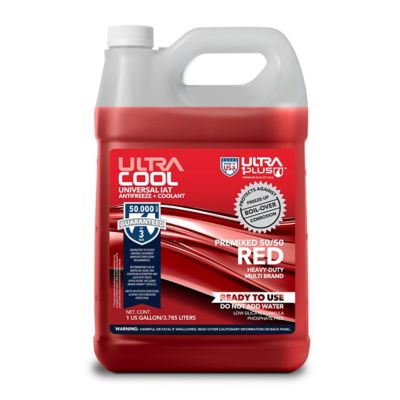
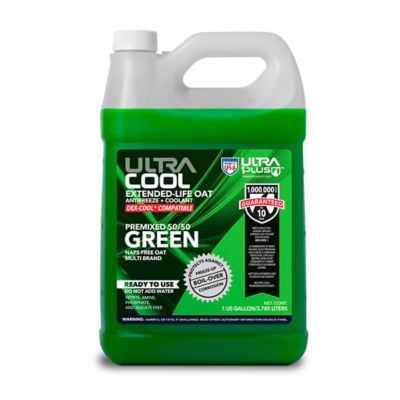
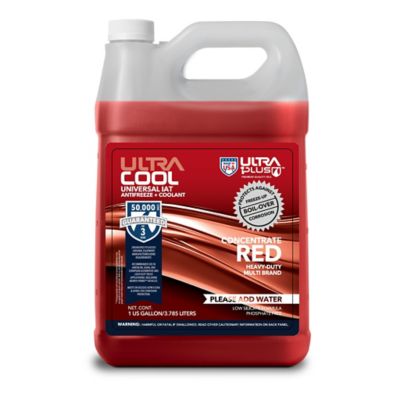
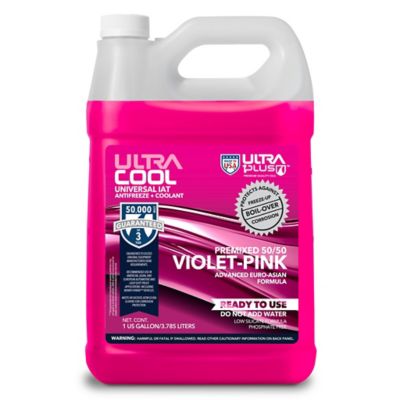
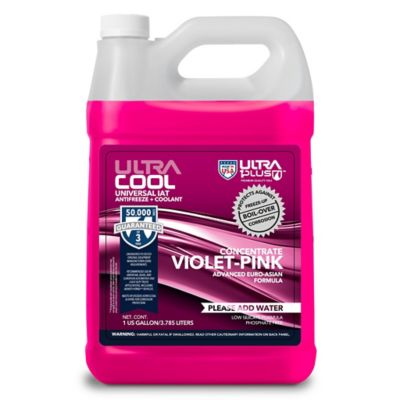
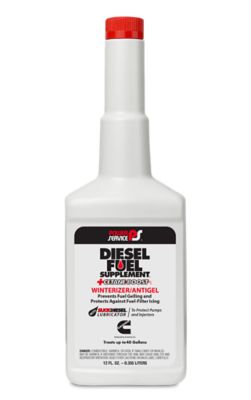
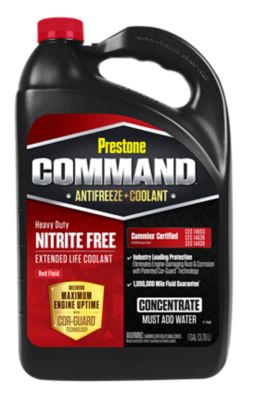
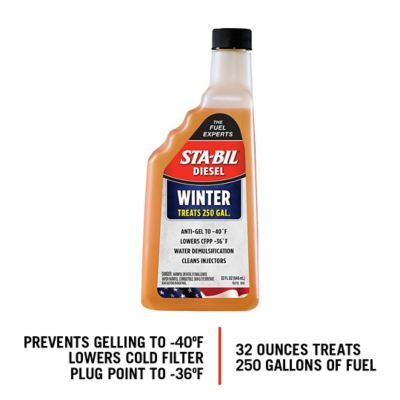
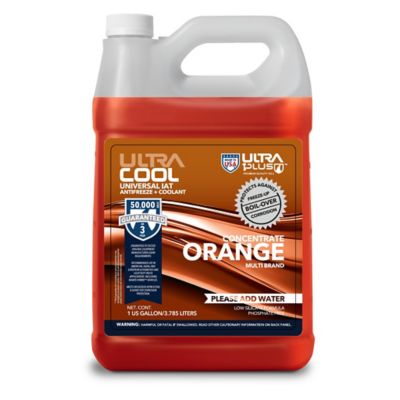
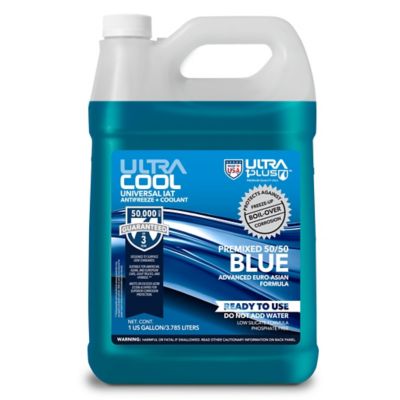
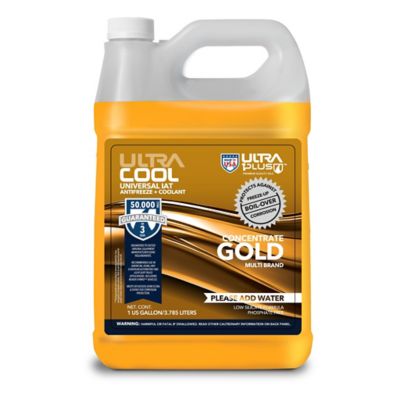
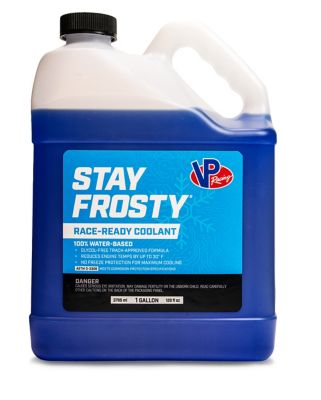
When it comes to keeping diesel engines running strong, choosing the right antifreeze is just as important as regular oil changes or filter swaps. Folks who work the land, haul loads, or rely on their diesel truck, tractor, or heavy equipment day in and day out know that these engines run hotter and under more pressure than their gas-powered cousins. That means the cooling system needs a heavy-duty antifreeze made specifically for diesel engines—something that can handle high temperatures, prevent corrosion, and stand up to the demands of long hours in the field or on the road. Whether you’re tending to an older workhorse that’s been in the family for years or breaking in a modern diesel with all the bells and whistles, it pays to match your coolant to your engine’s needs. Some older diesels do best with traditional green antifreeze, but you’ve got to keep an eye on those supplemental coolant additives (SCAs) to prevent cylinder liner pitting—a sneaky type of damage that can sideline your rig if left unchecked. Newer engines, especially those with aluminum components or EGR systems, often call for nitrite-free extended life coolants (ELC) that use organic acid technology. These newer formulas can last for years and hundreds of thousands of miles without needing extra additives, making them a solid choice for folks who want to spend more time getting work done and less time under the hood.
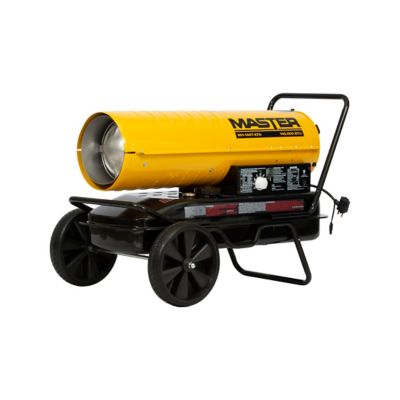
No matter if you’re running a fleet of trucks, managing a dairy, or just keeping your diesel pickup in top shape for weekend chores, the right antifreeze helps keep things humming along as the weather shifts from the heat of summer into those cooler fall days. Using the wrong coolant, or one that’s not up to heavy-duty standards, can lead to all sorts of headaches—everything from clogged radiators and failed water pumps to the dreaded liner pitting that can eat right through an engine block. That’s why it’s smart to always check your owner’s manual for the exact spec your engine needs, whether it’s a certain color, chemical formula, or manufacturer code. Folks who spend their days on the road or in the field know that a little bit of prevention goes a long way, and keeping the right antifreeze on hand is just as important as a good set of wrenches or a reliable pair of boots. Diesel antifreeze also makes a practical gift for anyone who relies on their rig—think of it as peace of mind in a jug, perfect for new drivers, seasoned mechanics, or that neighbor who’s always helping out when equipment breaks down. And if you’re getting ready for the first cold snap, it’s also worth checking out other essentials that keep diesel engines running smooth, like
Diesel Air Heaters, which help warm up cabs and engines when the temperature drops.
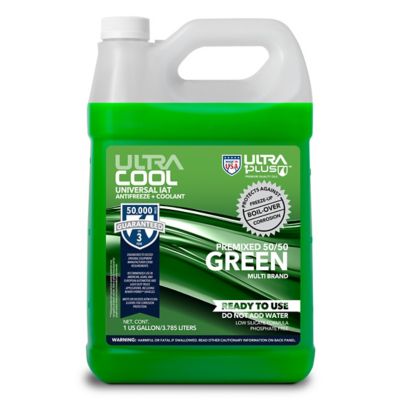
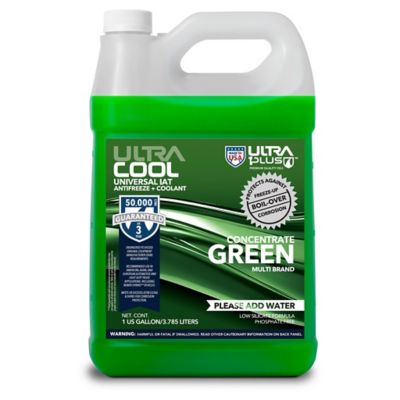
A good heavy-duty antifreeze does more than just keep things from freezing up when the mercury dips. It protects against rust, scale, and mineral buildup that can choke off coolant flow, especially if you’re using hard water or running equipment in dusty, demanding conditions. Extended life coolants can stretch out maintenance intervals, but it’s still a good idea to keep an eye on coolant levels and look for any signs of leaks or contamination. Some folks prefer to buy pre-mixed 50/50 blends for convenience, while others like to mix their own using distilled water to avoid mineral scaling. Either way, investing in the right antifreeze for your diesel engine is a smart move, keeping your equipment ready for whatever the season throws your way—whether you’re hauling hay, pulling a stock trailer, or just making sure your daily driver is ready for the long haul.