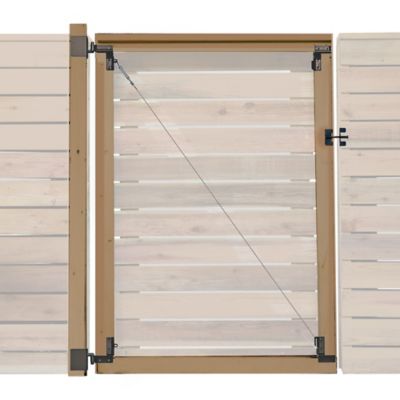
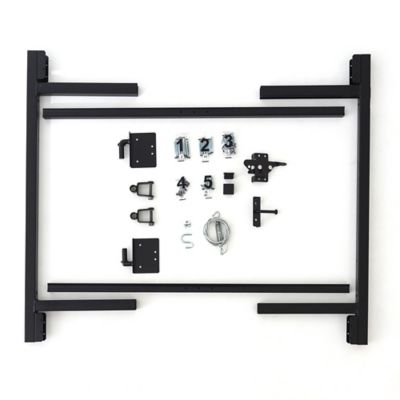
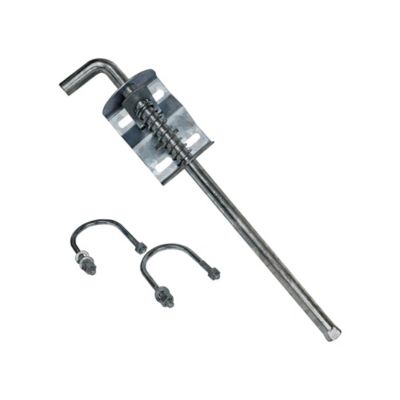
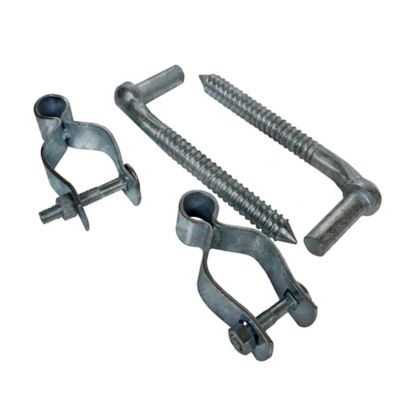
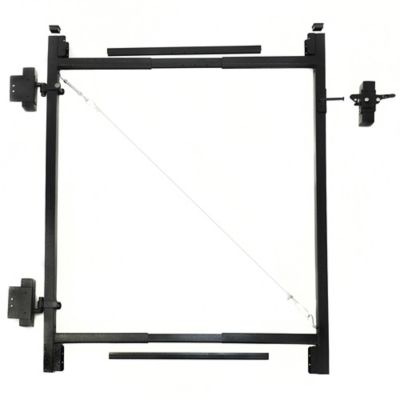
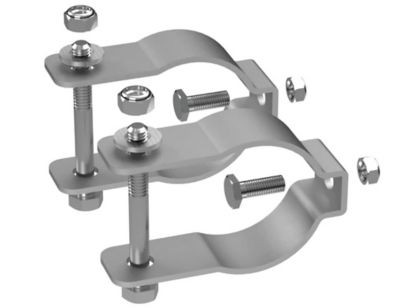
An anti-sag gate kit helps support a gate that has dropped at the latch end, bringing its frame closer to square so it can swing and latch more smoothly. A common cable-style kit combines a steel cable, attachment brackets, cable fasteners and a turnbuckle that adjusts tension. The cable typically runs diagonally from the upper hinge-side corner to the lower latch-side corner, helping hold up the free end of a wooden gate. That support can make a difference when a yard gate scrapes the ground, a garden gate catches on its latch post or a wide opening takes an extra lift every time someone passes through. Gate sag often develops when the rectangular frame shifts out of square under its own weight, especially when the latch side has little support. Anti-sag hardware addresses that movement, but it cannot make a loose hinge post steady or restore wood that has softened around the fasteners. A gate with firm posts, sound framing and properly attached hinges is a better candidate for added bracing than one with problems throughout the opening. Cable kits are one approach; corner-bracket and frame-bracing systems can also help keep compatible gates square, depending on their design. Some support an existing gate, while others are intended for building or reinforcing a frame. Those differences matter on a property where a narrow garden entrance and a broad wooden access gate have very different demands. For homeowners, gardeners and folks tending acreage, the goal is straightforward: a gate that clears the ground, meets the latch and opens without a tug-of-war. Anti-sag gate kits can support that goal without changing the gate’s purpose or replacing every part of the fence. The right choice starts with the gate’s construction and the source of the sag, rather than the appearance of the hardware alone.
Materials, dimensions and attachment points all affect how an anti-sag gate kit fits the job. Steel cables and brackets provide support, while zinc plating, galvanizing or other protective finishes help limit corrosion on exposed metal. The finish is worth considering alongside the strength and compatibility of the parts, particularly where hardware stays in contact with wood or collects dirt. Fasteners need to suit the gate material and reach sound framing; a thin picket or loose face board is not the same attachment surface as a solid rail or stile. Wood gates are a common application for cable-and-turnbuckle kits, but metal, vinyl and composite gates may require different mounting hardware or a bracing system intended for that construction. Gate width and height matter because a diagonal cable travels farther than the width alone. A tall, narrow gate and a short, wide gate can need different cable lengths, even when their openings seem similar at a glance. The stated gate-size limits, cable length, adjustment range and any weight limits help determine whether a kit is a sensible match. Enough adjustment should remain in the turnbuckle to tension the cable properly without taking threaded parts beyond their specified range. On a double gate, each moving leaf has its own frame and support needs, so the full opening width does not describe the dimensions of either leaf. Clearance matters, too. Brackets, cable ends and tensioning hardware should not interfere with the latch, rub against a post or catch nearby fencing as the gate swings. A tension cable normally supports the diagonal from the top hinge corner to the bottom latch corner; a compression brace generally follows the opposite diagonal, from the lower hinge corner toward the upper latch corner. They work differently, so their orientation is not interchangeable. Instructions for the particular system take priority over a general layout. Matching all these details helps avoid a gate that looks straighter but still binds, twists or puts unnecessary strain on its hinges.
Everyday use gives gate support its real purpose. At a garden entrance, a gate that closes cleanly helps keep the opening manageable while someone carries a basket, a shovel or a watering can. Around a backyard, it means less dragging when moving a mower through the fence. Beside a barn or equipment area, a properly supported wooden gate can make repeated trips easier without the familiar lift-and-pull motion at the latch end. Where animals are involved, bracing is only one part of the setup: the gate, posts, hinges and latch still need to suit the animals and the enclosure. An anti-sag kit is not a substitute for a secure latch or a gate designed to withstand livestock pressure. It also is not lifting equipment, and the cable should not serve as a place to hang tools, buckets or other loads. For a broader look at fitting a gate to its opening, visit
Gate Installation. Ongoing care for anti-sag hardware is mostly about noticing small changes before they become a bigger nuisance. Frayed cable, bent brackets, damaged finishes, loose screws and a turnbuckle that has shifted all deserve attention. Packed dirt around attachment points can hide trouble, while split wood near a screw can weaken the connection even if the metal parts still look sound. Any lubrication or finish touch-up should follow the hardware maker’s recommendations. A gate that begins dragging again may need an adjustment, but repeated sagging can also point to movement in the posts, hinges or frame. More cable tension is not always the answer; excessive tension can distort the gate or pull against weak attachment points. For property owners handling routine fence upkeep, choosing support that matches the gate and checking it alongside the hinges and latch makes practical sense. The result is less fuss at the opening and a gate that can get on with its daily job.