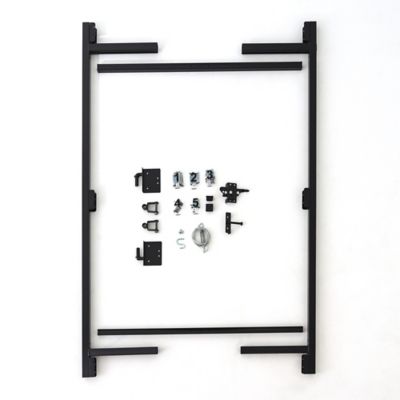
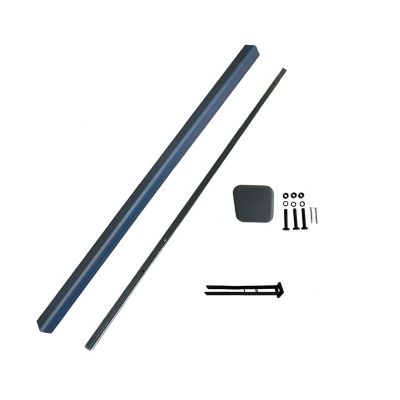
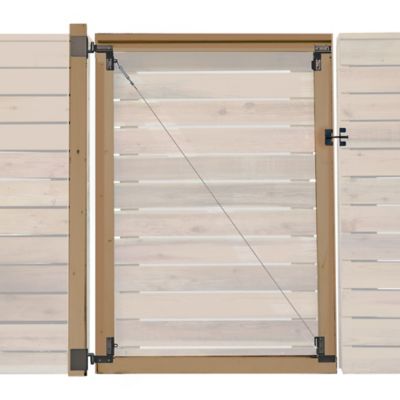
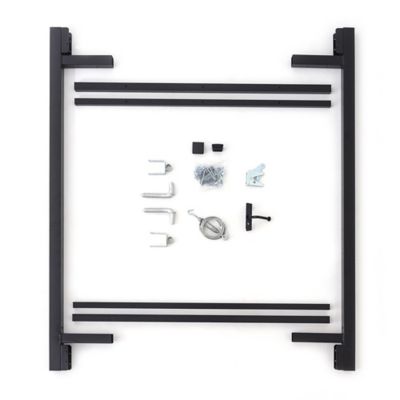
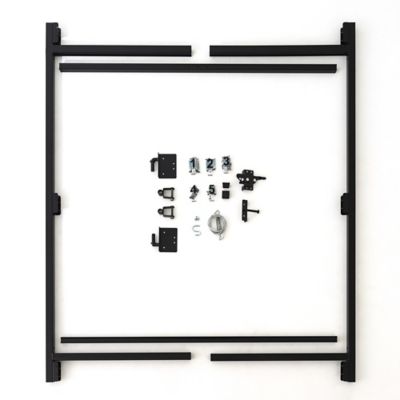
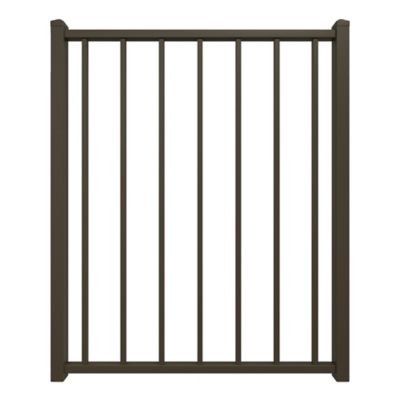
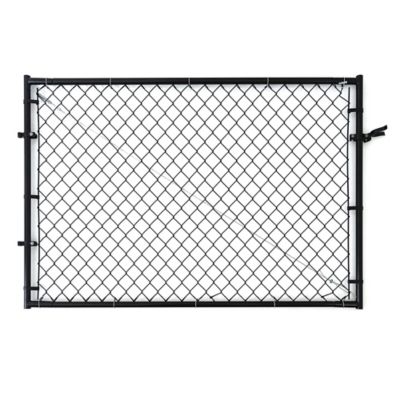
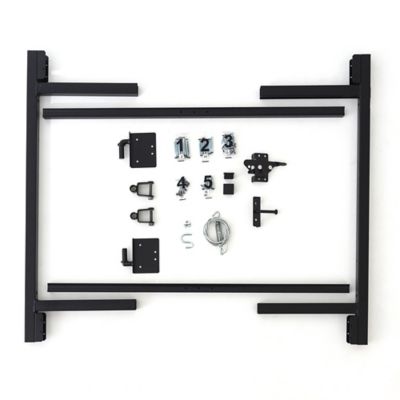
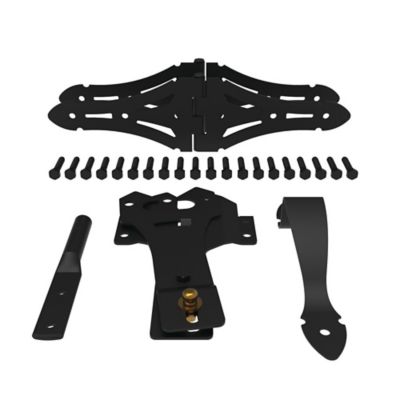
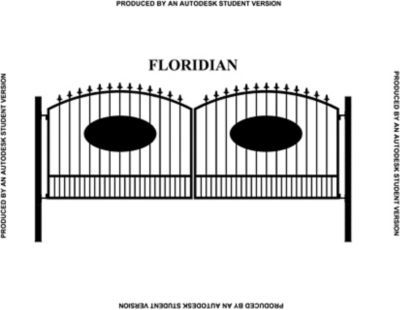
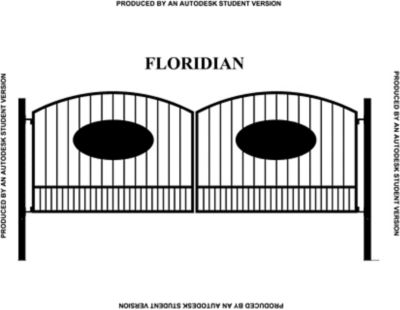
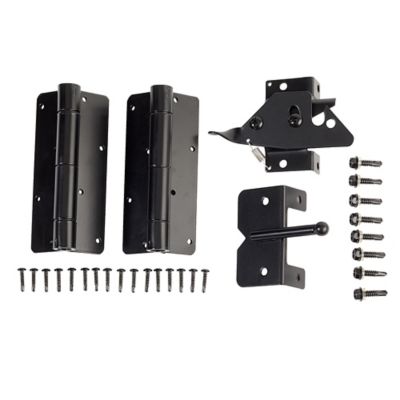
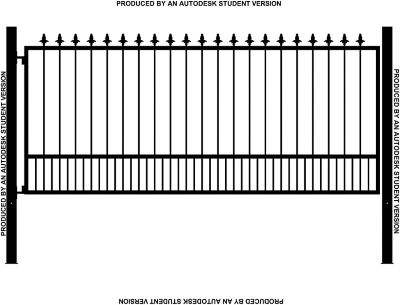
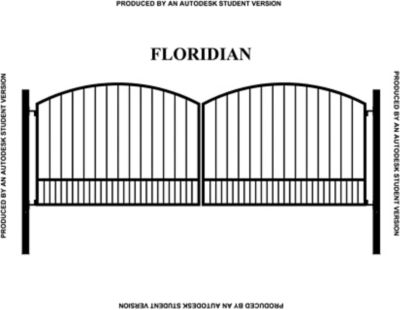
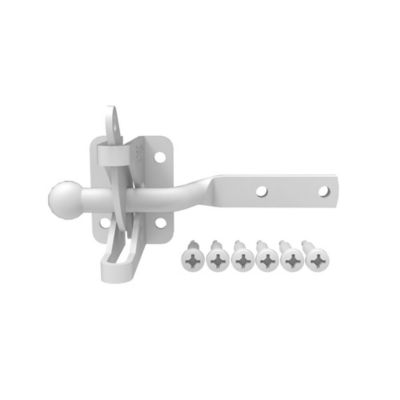
Deck gate kits bring together components for adding a swinging barrier across an opening in a deck or porch railing. They help manage access to stairs, separate a sitting area from a walkway, and give households with pets another way to organize their outdoor space. Depending on the design, a kit may include a gate frame, infill pieces, hinges, a latch, mounting brackets, or some combination of those parts. Some frame kits require separately selected boards or balusters, while other assemblies arrive with more of the gate already put together. That difference matters when matching an existing railing or planning the rest of the project. Materials also shape how a gate looks, feels, and holds up through repeated opening and closing. Aluminum offers a lighter frame and does not develop the red rust associated with iron-based metals. Steel offers a solid feel, with protective finishes helping shield the metal from corrosion. Wood can blend into a traditional deck railing and accepts compatible stains or paints, though it needs ongoing attention to its finish and condition. Vinyl and composite designs offer other ways to coordinate with existing rail systems, sometimes incorporating internal reinforcement for support. The frame material alone does not tell the whole story: hinge capacity, corner connections, fasteners, and the strength of the mounting posts all contribute to a gate that stays aligned. A kit built around a metal frame may support wood infill, for example, but the permitted board sizes and overall weight still depend on its design. For a back porch where a dog follows everyone to the door, or a deck where family members carry supper outside, a well-matched gate can make the opening easier to manage without looking out of place. Matching rail height, baluster spacing, finish, and hardware style helps the gate feel like part of the deck rather than an afterthought. It also keeps the finished space visually consistent, whether the railing has plain square pickets, horizontal boards, or a more open metal layout.
Fit involves more than finding a gate with roughly the same width as the opening. The finished space between mounting surfaces must accommodate the gate, its hinges, the latch, and the clearances specified for that assembly. An adjustable-width frame can offer flexibility, but its listed adjustment range still sets the limits; not every frame or infill panel can be shortened. Height matters, too, especially where the gate sits beside an existing guardrail. A gate that lines up with the railing can create a more continuous boundary, while the gap underneath must account for the deck surface and the intended purpose of the barrier. Small pets may squeeze through spaces that present no obstacle to a larger dog, so the opening between pickets and the clearance at the bottom deserve as much attention as the gate’s overall dimensions. Even then, a deck gate cannot guarantee pet containment, particularly for animals that climb, jump, or work at a latch. Posts need enough structural support for the weight and movement of the gate; a railing cap or thin trim board is not a substitute for a sound mounting point. The swing path also needs room to clear nearby furniture, siding, planters, and anything carried through the opening. At stairs, the gate must not create a fall hazard or interfere with the landing, and local building requirements may address height, openings, hardware, and swing direction. A deck gate is not automatically a child safety gate or a pool barrier, and a latch alone does not make it suitable for either purpose. Those applications call for assemblies that meet the relevant requirements and for appropriate supervision. For everyday deck access, latch placement and operation affect convenience: a handle that is comfortable to reach, hinges suited to the gate’s weight, and a closing action that does not require lifting or dragging the frame all make a difference when someone has a laundry basket against one hip or a pair of muddy boots waiting at the door.
Care needs vary with the materials and hardware, but every deck gate benefits from attention to alignment and moving parts. A gate that begins rubbing the deck, missing its latch, or leaning away from its post may have loose fasteners, shifting connections, or another support issue that needs attention. Hinges and latches should move as intended without forcing the gate into position. Cleaning methods should suit the finish, since abrasive pads and harsh cleaners can damage coated metal, vinyl, or composite surfaces. Wood needs checks for splitting, loose infill, and worn finish, while metal frames deserve a look at scratches, exposed edges, and signs of corrosion. Any cut ends or drilled areas should receive the treatment specified by the manufacturer, and replacement fasteners need to be compatible with both the gate and the material they attach to, including treated lumber where present. Hardware maintenance may include lubrication, but only where the component’s care instructions call for it. These details matter on a busy porch where the gate swings dozens of times as people head between the house, backyard, and outbuildings. They matter just as much on a quieter deck where an unnoticed loose latch could leave the opening unsecured. Deck gate kits serve a different purpose from gates intended for livestock, driveways, or larger property entrances, so the intended setting should remain central to the selection. For projects extending beyond the deck opening,
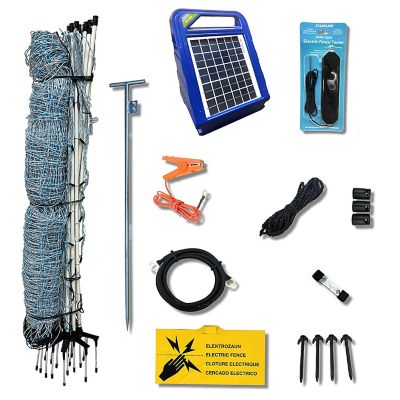
Fence Kits offer a related category for planning yard boundaries and separate enclosed areas. Keeping those boundaries in mind helps distinguish a convenient deck entrance from a complete containment system. The best fit for a particular deck brings together suitable materials, compatible mounting surfaces, manageable gate weight, and hardware that suits the people opening it. With those pieces working together, the gate can provide a practical entry point while keeping the deck comfortable to move through and straightforward to maintain.