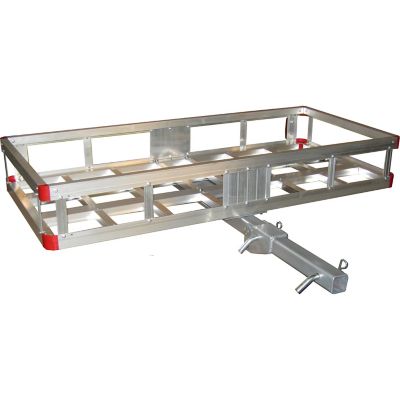
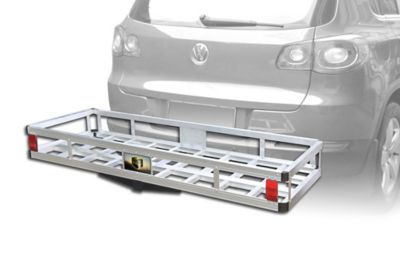
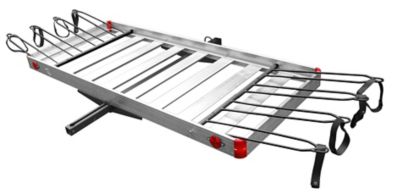
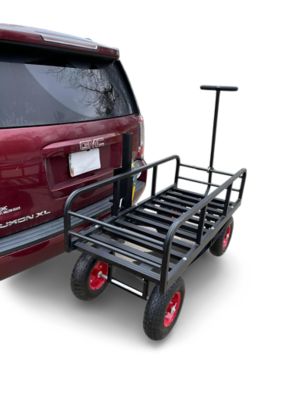
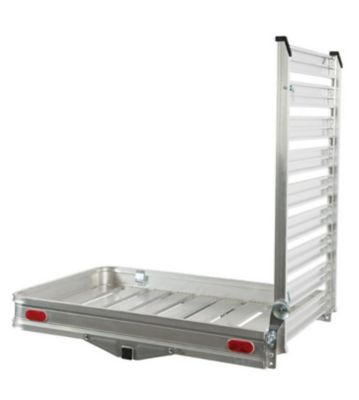
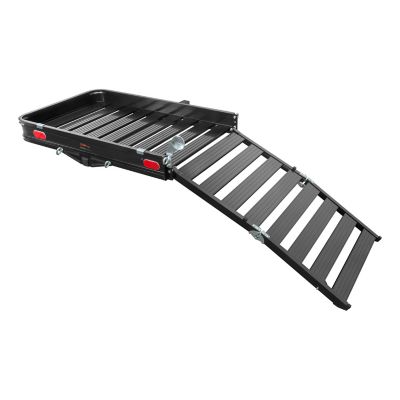
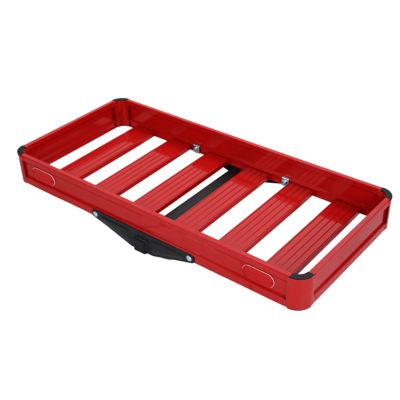
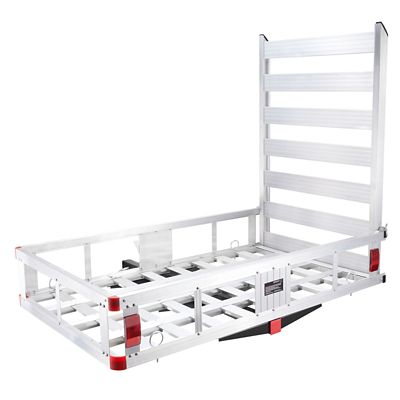
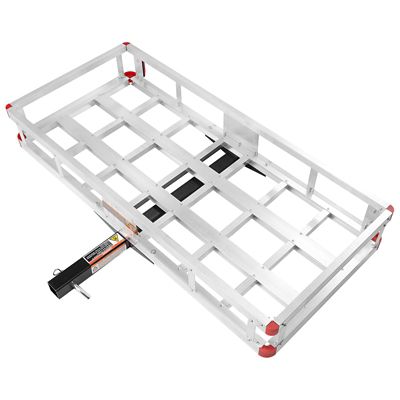
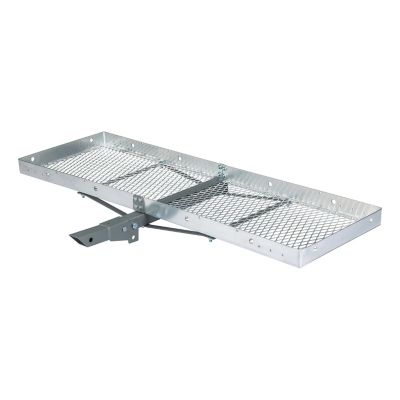
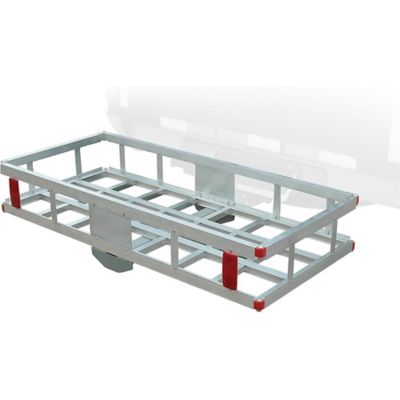
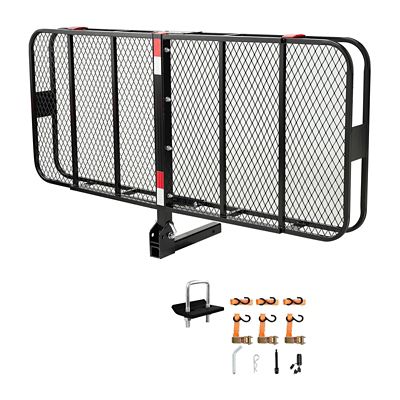
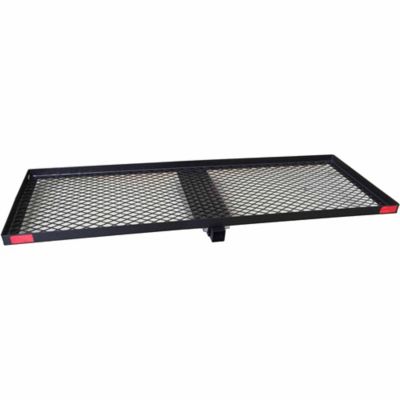
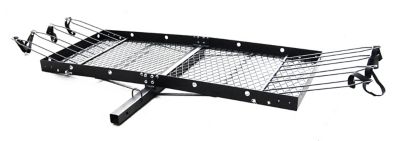
An aluminum hitch cargo carrier is a lightweight, rust-resistant platform that fits into a vehicle’s trailer hitch receiver to add exterior cargo space. It gives trucks, SUVs, vans, and other compatible vehicles another place to carry gear without filling the cab or stacking everything in the bed. For folks hauling supplies around the farm, packing for a campground, or bringing gardening materials home, that extra platform can make a full vehicle easier to manage. A sealed feed tote, muddy hand tools, or a strapped-down cooler can ride outside while seats stay open for passengers. Aluminum generally weighs less than a comparable steel platform, which can make installation, removal, and storage easier to handle. The material does not develop the reddish rust associated with steel, though it can still corrode and benefits from regular cleaning. Construction varies, with designs that may include aluminum tubing, expanded mesh, slatted flooring, or a combination of materials. An aluminum basket may also have a steel receiver shank or steel hardware, so the whole assembly deserves a close look rather than judging it by the platform alone. Open flooring lets loose dirt fall through and gives water a way to drain, while the spacing between supports affects how well smaller cargo sits on the deck. Raised sides help define the load area and provide a boundary around totes or bags, but they do not replace straps. Interior basket measurements matter more than the overall outside dimensions when fitting a storage chest or several containers side by side. A lower rail can make lifting a heavy tote less awkward, while a taller basket may suit stacked gear when the load stays within the manufacturer’s limits. Folding designs can reduce how far an empty carrier sticks out behind the vehicle, provided there is enough clearance for the basket to move and lock into position.
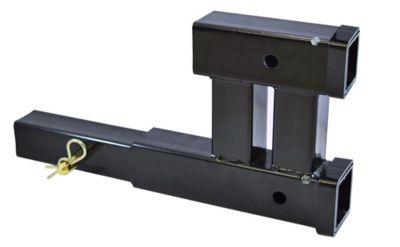
Fit involves more than matching a square shank to a square receiver. Aluminum hitch cargo carriers commonly fit 2-inch receivers, and some designs accommodate other receiver sizes, but the stated fit and ratings need to match the vehicle and hitch. A receiver opening alone does not establish how much weight the setup can carry. The carrier’s capacity, the hitch’s tongue-weight limit, and the vehicle manufacturer’s cargo-carrier guidance all matter, with the lowest applicable limit controlling the load. The weight of the carrier itself counts against the supported weight, and passengers, in-vehicle cargo, and accessories also count toward vehicle payload. Hitch extensions and adapters can change the permitted load and move the basket farther behind the vehicle, increasing leverage on the hitch. That makes the manufacturer’s instructions especially important for any setup that needs extra reach around a rear-mounted spare tire or bumper. Platform size and carrying capacity are separate considerations: a roomy basket is not permission to fill every inch with heavy material. Several bags of soil may fit easily while still approaching a weight limit faster than camping chairs or empty storage totes. Dense cargo belongs low, with its placement following the carrier’s loading instructions rather than hanging over an edge. Tie-down locations should allow straps to restrain movement forward, backward, and sideways without crushing containers or pulling against a weak basket rail. The receiver pin or locking hitch pin must fit the connection, and any anti-rattle device needs to be compatible with the assembly. Less movement at the receiver can make the setup feel steadier, but it does not raise its weight rating. Ground clearance also deserves attention, especially on vehicles with a low receiver or a long rear overhang. A steep driveway, a dip between the road and a field entrance, or a sharp rise into a parking lot can bring the back edge of a loaded platform closer to the ground. Hatch, tailgate, and rear-door clearance matter, too; access can change once a tall cooler or storage box is strapped in place.
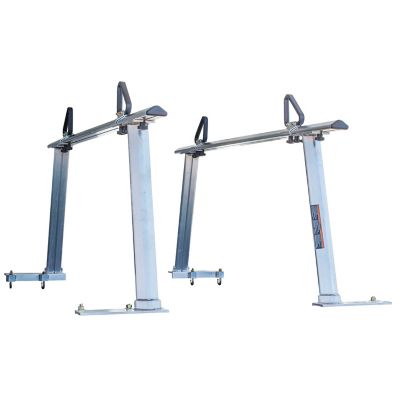
Everyday convenience comes down to how the carrier handles the gear and the vehicle together. Cargo should stay clear of the exhaust outlet because hot exhaust can damage plastic containers, bags, and other belongings even when they appear to have room around them. A loaded basket must not hide required lighting or the license plate; compatible lighting or plate-relocation equipment may be necessary, depending on the setup and applicable requirements. Reflective surfaces can help make the platform more noticeable, but they are not a substitute for required lights. Clearance for a backup camera or parking sensor is another practical consideration, since a basket or its load can obstruct the view or trigger alerts. Before heading onto the road, secure connections and snug straps help keep the load from shifting, and a stop to recheck them is worthwhile after cargo settles. Aluminum needs relatively straightforward care: dirt and feed dust can be rinsed away, followed by cleaning with a mild soap suited to the finish and thorough drying before storage. Harsh cleaners and abrasive scrubbing can damage finishes, while trapped debris around fasteners can make inspection harder. Steel parts may need separate attention to their protective coatings, following the manufacturer’s maintenance directions. Welds, mounting points, pins, and tie-down areas should remain free of cracks, bending, or looseness. An empty carrier is easier to inspect and store, and a spot off the ground helps keep the platform and hardware out of the way between trips. For taller loads or equipment better carried above a pickup bed,
Aluminum Truck Racks offer a different cargo arrangement. A hitch-mounted platform serves another purpose, keeping suitable gear at the rear of the vehicle without taking up bed space. The right match comes down to receiver fit, manageable platform weight, usable basket dimensions, and a load that can be secured with room to spare.