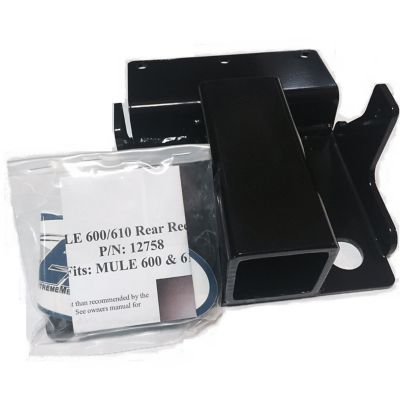
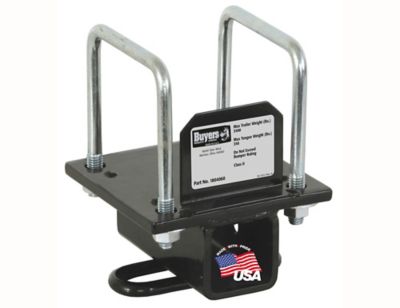
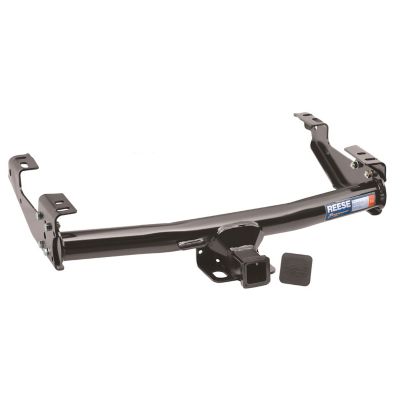
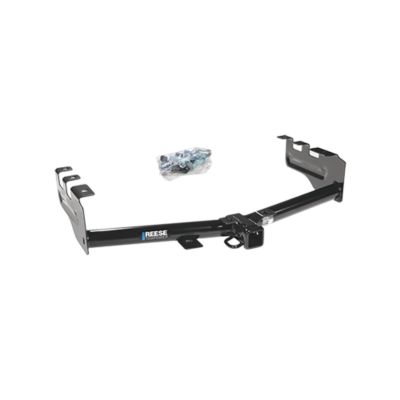
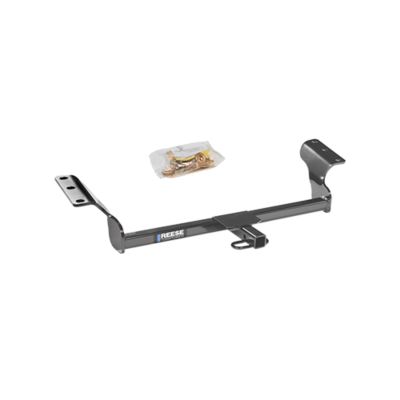
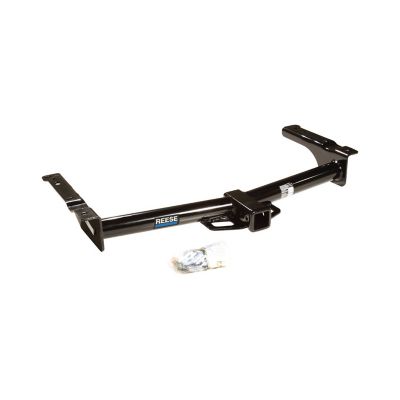
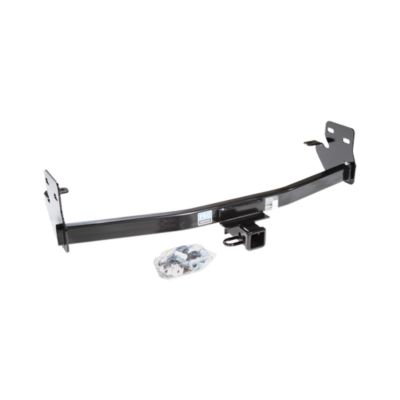
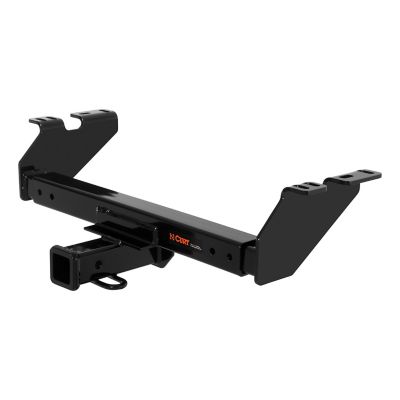
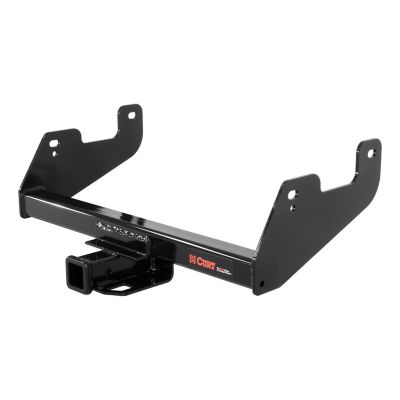
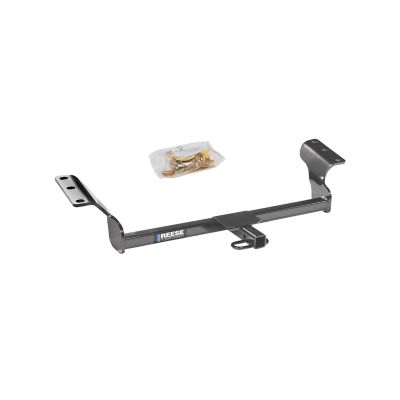
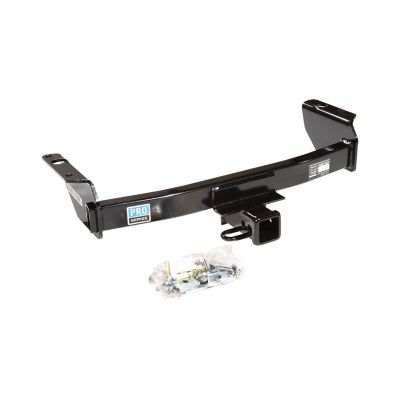
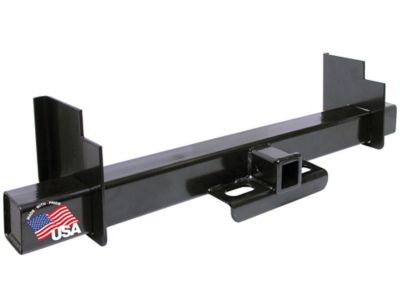
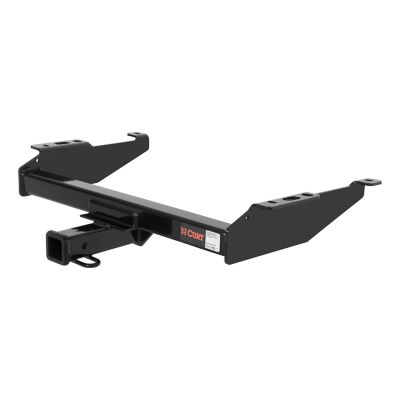
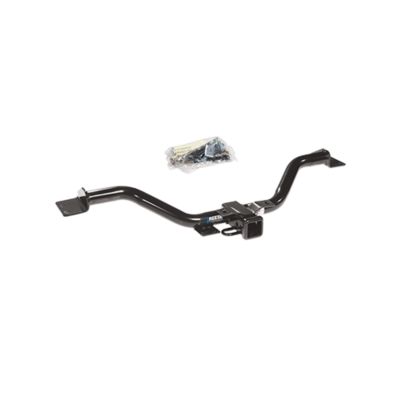
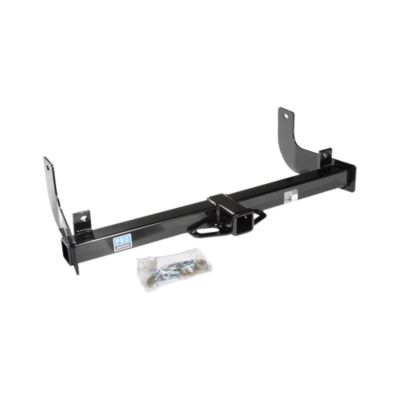
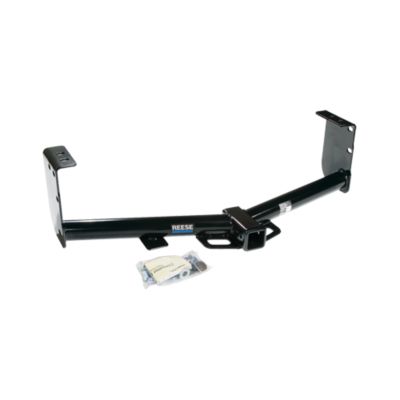
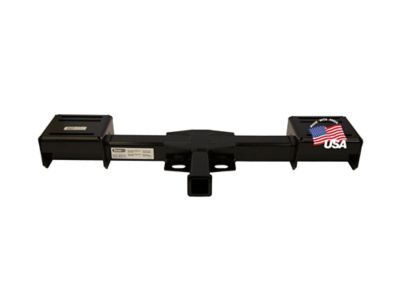
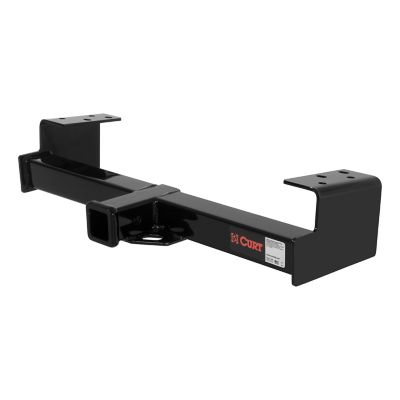
Trailer hitch receivers provide the connection point between a tow vehicle and a removable ball mount or other compatible hitch-mounted attachment. Most consist of a steel assembly with a square receiver tube and mounting brackets that attach to the vehicle’s frame or designated mounting points. That square opening accepts the attachment’s shank, while a properly sized hitch pin and clip or compatible locking pin keeps it secured. For a pickup hauling fence supplies, an SUV pulling a small utility trailer, or a work truck carrying equipment between properties, the right receiver starts with the vehicle application and the load. Vehicle year, make, model, frame configuration, and sometimes bed length or factory equipment all affect fit. A receiver that looks right beneath the bumper may still have different mounting holes, clearance requirements, or weight ratings. Hitch classes help describe general towing capability, but the rating on the individual hitch matters more than appearance alone. Class I receivers commonly have a 1-1/4-inch opening and ratings up to 2,000 pounds of gross trailer weight; Class II receivers commonly share that opening size with ratings up to 3,500 pounds. Class III and Class IV receivers generally have 2-inch openings, while Class V designs can have 2-inch, 2-1/2-inch, or 3-inch openings, depending on the application. Capacities vary by design, vehicle fit, and towing configuration, so receiver size alone does not establish how much a vehicle can pull. For many pickups and SUVs, a
2 In Receiver Hitch offers a common connection size for compatible towing attachments. The opening measurement refers to the inside dimensions of the receiver tube, not the outside of the steel. Receiver depth, hitch-pin hole location, and clearance around the bumper also affect how an attachment fits. Those details matter whether the job involves taking a mower across town or bringing a trailer load of lumber back to the farm.
A trailer hitch receiver is one part of a complete towing connection, not a substitute for the ball mount, hitch ball, trailer coupler, safety chains, or electrical connection. Each part has its own fit requirements and load rating. Gross trailer weight means the total weight of the loaded trailer, including cargo, while tongue weight is the downward force the trailer places on the hitch. A trailer carrying feed bags and gates can put a very different load on the connection than the same trailer sitting empty beside the barn. The tow vehicle, receiver, ball mount, hitch ball, and coupler must all support the planned load, and the lowest applicable rating sets the limit. Vehicle payload, axle ratings, and combined weight limits also remain part of that picture. Ball diameter must match the trailer coupler, and the ball’s shank must match the ball mount’s mounting hole and thickness requirements. Ball mount rise or drop helps account for the difference between receiver height and coupler height so the trailer can ride level as specified by its manufacturer. An extension or adapter changes the connection’s geometry and may reduce the permitted load, even when its pieces slide together neatly. Weight-distributing equipment requires a receiver, vehicle, and trailer approved for that arrangement; it does not override the vehicle manufacturer’s towing limits. Trailer lighting connections carry the signals for running lights, brake lights, and turn signals, while electric trailer brakes generally require compatible wiring and a brake controller. Safety-chain attachment points should remain accessible with the towing equipment installed. For hitch-mounted cargo carriers and bike racks, the attachment’s instructions, loaded weight, and receiver compatibility still matter, even without a trailer behind the vehicle. Extra weight farther behind the bumper places additional leverage on the connection. A setup suited to a short trip with an empty utility trailer may not suit that same trailer loaded with a compact tractor or building materials.
Steel is common in trailer hitch receivers because it provides the strength needed for towing loads, and welded crossmembers, formed brackets, and reinforced receiver openings are features worth considering alongside the stated ratings. Powder-coated or painted finishes help protect exposed steel from corrosion, though scraped areas and worn edges still need attention. Road grit, gravel, and dirt can collect around the receiver opening, pin holes, mounting hardware, and chain loops. Keeping those areas clean makes it easier to spot damage and helps compatible attachments slide into place without forcing them. A receiver cover can help keep loose debris out of an empty opening, but it does not replace inspection of the tube and mounting points. Cracks, significant corrosion, bent brackets, enlarged pin holes, or damaged welds call for evaluation before the next haul. Mounting bolts need the hardware, tightening specifications, and inspection intervals listed by the hitch manufacturer; a loose connection is not something to shrug off because the trailer feels light. Many vehicle-specific receivers attach through designated mounting locations, while weld-on designs require an approved application and proper installation. Drilling, cutting, or welding beyond the installation instructions can affect the vehicle or hitch, so a close visual match is not enough. Ground clearance, spare-tire access, exhaust routing, and access to the rear of the vehicle also influence everyday convenience. A receiver tucked close beneath the bumper may suit routine hauling, while a different mounting layout may be necessary for a particular frame or towing task. Farmers, property owners, contractors, and folks hauling recreation gear all have different demands, but the same basics hold: correct vehicle fit, sufficient ratings, compatible attachments, and regular care. A well-matched trailer hitch receiver keeps the connection straightforward, whether the trailer holds a riding mower, livestock supplies, or the tools needed for a day of fence work.