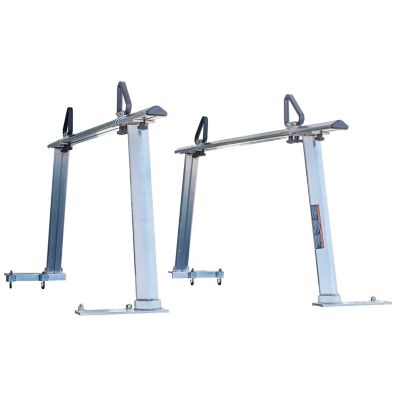
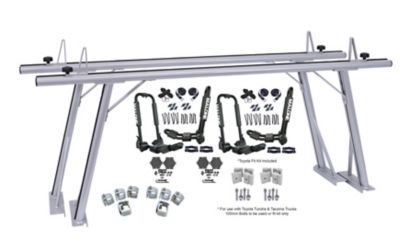
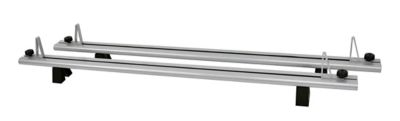
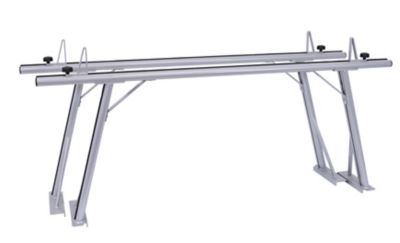
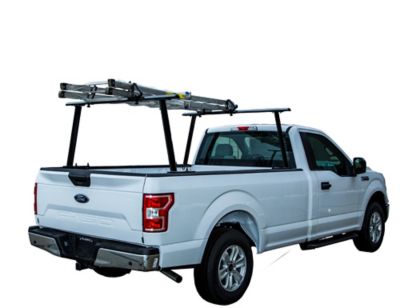
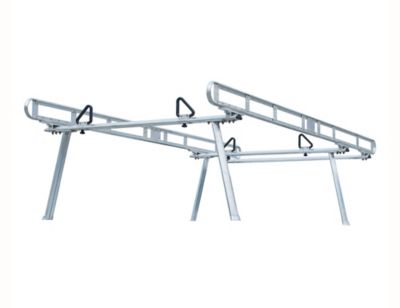
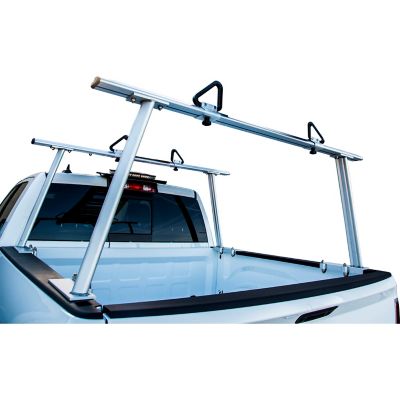
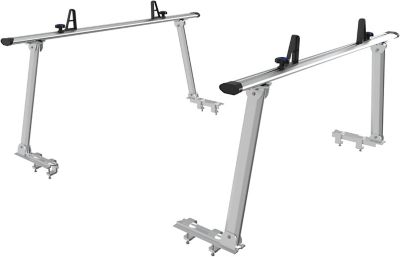
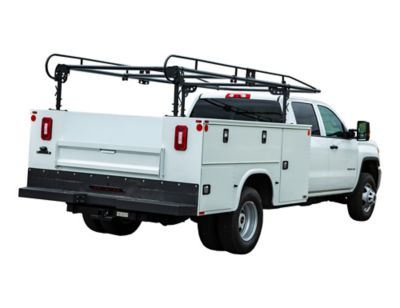
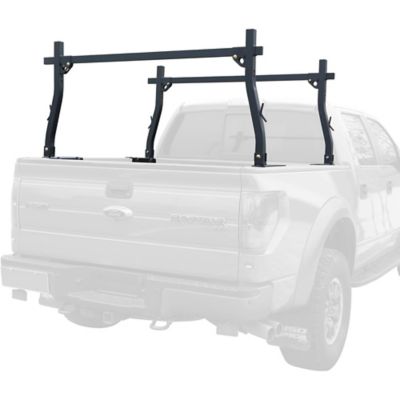
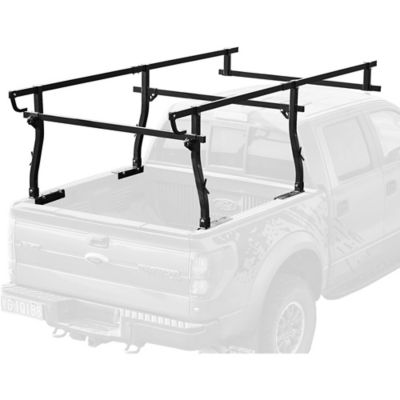
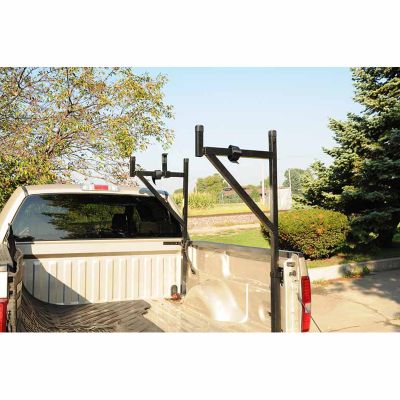
Aluminum truck racks give pickup owners a practical way to carry long, bulky loads above the bed while leaving room below for tools, coolers, feed, tie-downs and everyday cargo. They’re a handy fit for farm work, property maintenance, construction jobs, outdoor projects and weekend trips where lumber, pipe, ladders, conduit or other long materials would crowd the bed or hang too far past the tailgate. Aluminum keeps the rack easier to handle than many steel designs, which can matter when one person is loading up before daylight or taking the rack off for a different job. Look for a setup that matches your truck’s bed length, cab style and mounting points, then check the manufacturer’s load rating and installation instructions before bringing anything home. The right fit helps spread weight across the rack and keeps your load positioned where it belongs. Pay attention to the bed rail design, available clearance over the cab and the space needed for tonneau covers, toolboxes or other bed accessories. It also helps to measure the longest items you plan to carry, including the length of ladders, boards and pipe that regularly ride along. A rack should support the way you work, not create another obstacle when you’re reaching for a shovel or loading bags at the feed store.
Think about the details that make a rack comfortable for regular truck work. Broad support bars can give long materials a steady resting place, while properly placed tie-down points make it easier to secure a load without wrapping straps around mirrors, bumpers or tailgates. A finish that stands up to outdoor exposure is helpful when the truck spends long days in sun, dust, rain and road spray, especially during the cooler months when wet roads and muddy driveways are part of the routine. Aluminum construction can also be a good choice for owners who want a strong overhead hauling option without adding as much weight as heavier metal racks. Before installation, inspect the truck bed rails and mounting hardware, clear away grit that could interfere with a snug fit and follow the recommended tightening sequence. Give the rack a quick look before each trip, checking bolts, clamps, welds and tie-down points for movement or wear. Load the heaviest pieces low and toward the center when possible, place padding between materials that could scrape one another and keep the front of the load below the cab’s safe clearance. Straps should be snug rather than loose, with extra length secured so it cannot flap against the truck. When carrying ladders or boards, add a visible flag to any overhang required by local rules and drive with extra care around corners, low branches and overhead lines.
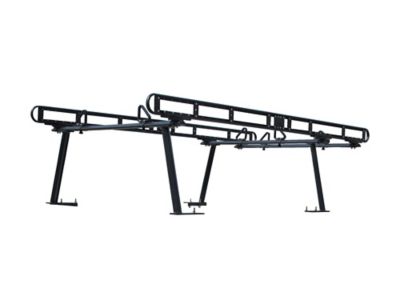
These racks can serve everyone from a ranch hand hauling fencing supplies to a contractor carrying ladders between job sites, as well as homeowners working on barns, sheds, trails and outbuildings. A landscaper may appreciate the open bed space left for mowers and hand tools, while a utility worker can keep long conduit or pipe raised above smaller supplies. Campers, anglers and hunters may also find an overhead rack helpful for hauling boats, canoes, kayaks or other long gear, provided the rack and vehicle are rated for the load and the items are secured for road travel. They can make a thoughtful gift for someone who spends Saturdays fixing up a place, tends livestock, or keeps a pickup ready for the next project; pair the rack with tie-down straps, protective pads or a load flag for a practical package that fits real work. Finish and appearance matter too, since a clean-looking rack can complement the truck without getting in the way of its working purpose. Shoppers who prefer a darker finish can browse
Black Ladder Racks for another look. Whether the truck is headed down a gravel lane at sunrise or pulling into a jobsite as the weather turns brisk, a well-matched aluminum rack helps make long-load hauling more organized, leaves valuable bed space open and adds confidence to the routine of loading, securing and heading out.