Camper Trailer Hitches
Find camper trailer hitches that fit your tow vehicle and camper setup. Browse hitch options with your trailer’s loaded weight, tongue weight and receiver size in mind, and check compatibility and towing limits before choosing a hitch for your next trip.
$116
.99
Sale Was $129.99 Save $13.00 (10%)
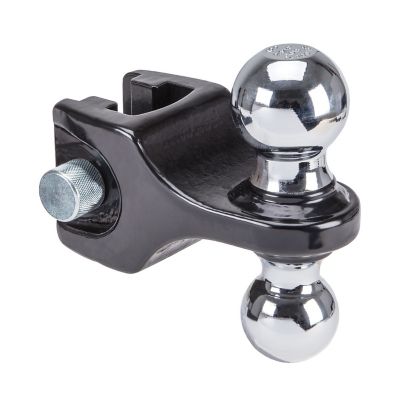
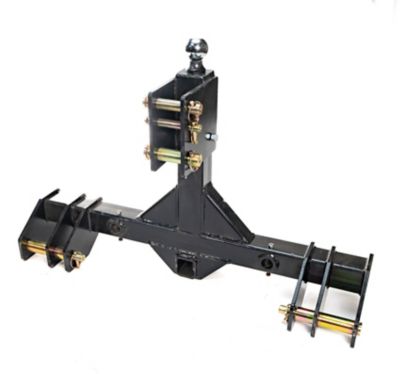
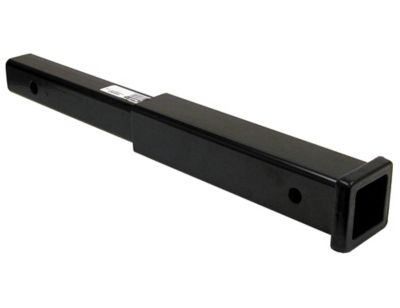
$71
.99
Sale Was $79.99 Save $8.00 (10%)
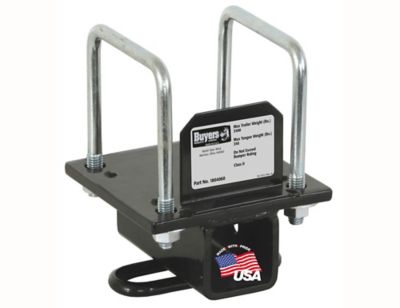
$125
.99
Sale Was $139.99 Save $14.00 (10%)
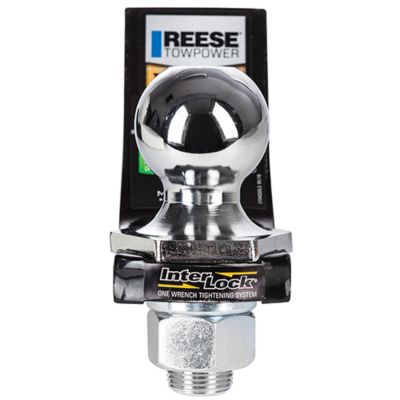
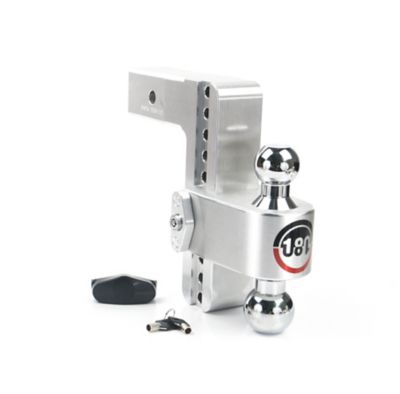
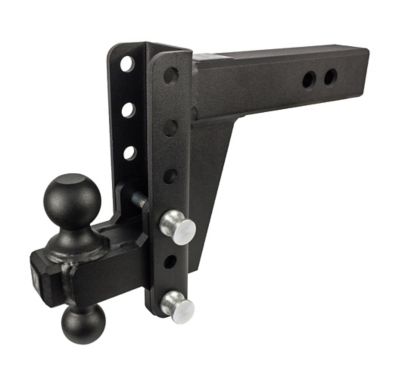
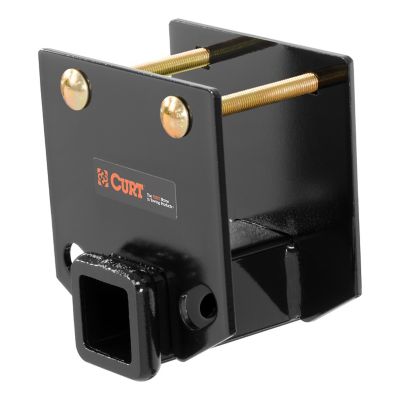
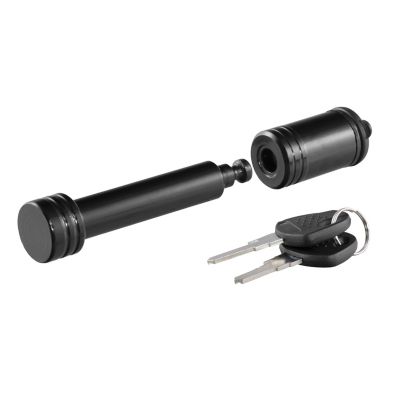
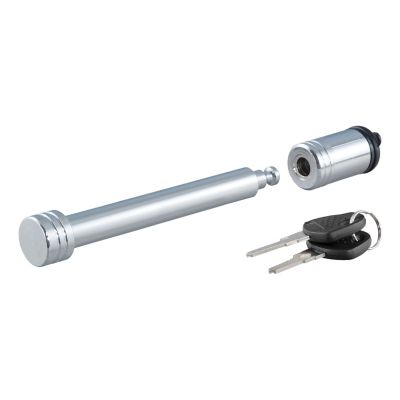
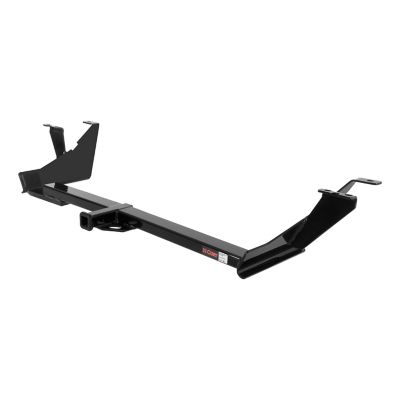
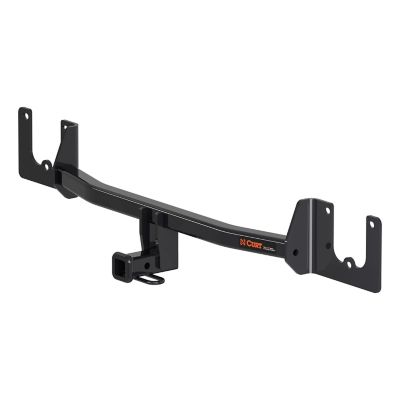
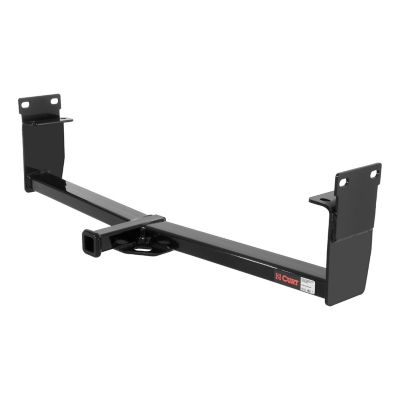
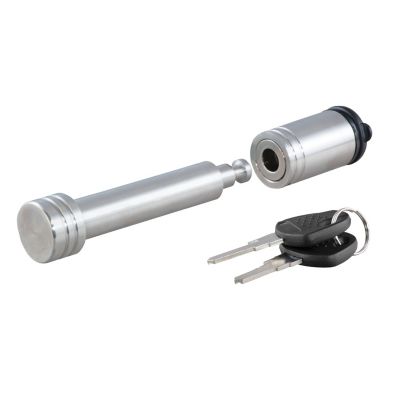
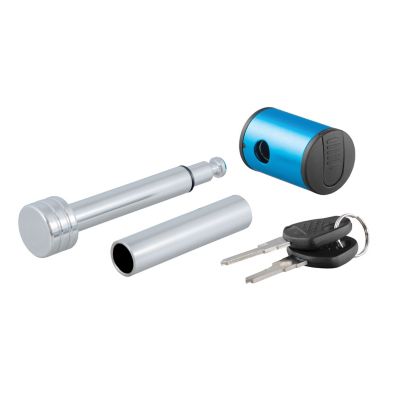
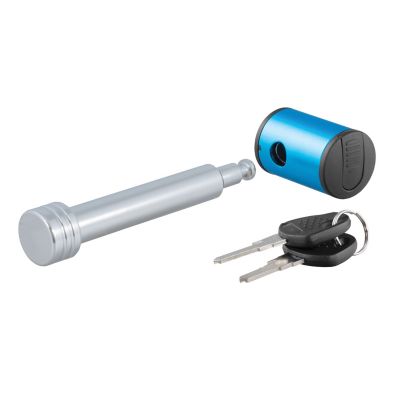
Best Of FAQ
What types of hitches are common for camper trailers?
Travel trailers commonly connect to a hitch ball on a receiver-mounted ball mount. Fifth-wheel campers connect to a hitch in the pickup bed. The camper’s coupling setup determines which hitch style it calls for.
What’s the difference between a hitch receiver and a ball mount?
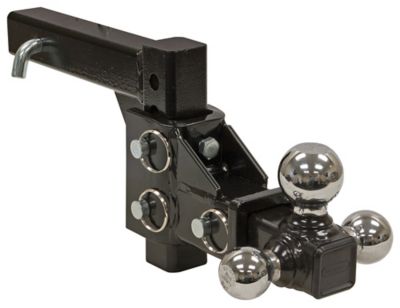
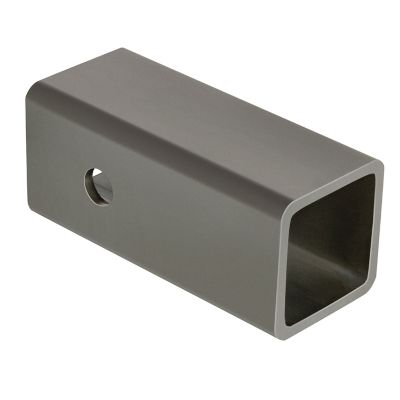
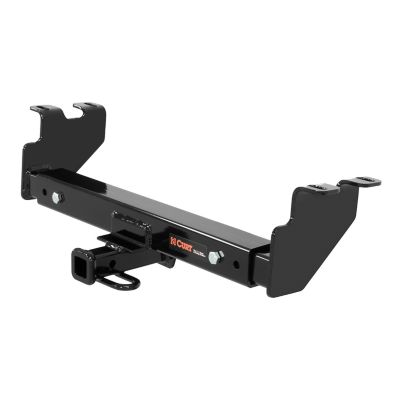
The receiver is the part attached to your tow vehicle with an opening for hitch attachments. The ball mount slides into that opening and holds the hitch ball that connects to the trailer’s coupler.
How do fifth-wheel and gooseneck hitch connections differ?
A fifth-wheel hitch connects to a kingpin on the trailer through a plate-and-jaw assembly in the pickup bed. A gooseneck setup connects to a hitch ball in the bed instead. They’re different coupling systems, not interchangeable connections.
What does bumper-pull mean when talking about camper hitches?
Bumper-pull describes a trailer that connects behind the tow vehicle rather than over the pickup bed. Despite the name, the hitch connection is commonly supported by a receiver attached to the vehicle’s frame, not the bumper itself.
Is a camper’s electrical connector part of the hitch?
The electrical connector is separate from the hitch connection. The hitch provides the mechanical link, while the wiring connector carries signals for trailer lights and, depending on the setup, circuits for trailer brakes and auxiliary power.
Best Sellers
-
"Works great. Love the adjustability. I recommend this hitch"
-
"Works great"
-
"Excellent it works great been looking for one finally found it it is amazing"
-
"I WORKS GREAT AND IS BETTER THAN THE STOCK ONE"
-
"Love it wonderful American made product !!!! Best that I have owned"