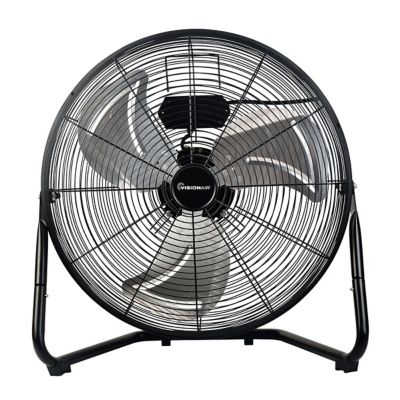
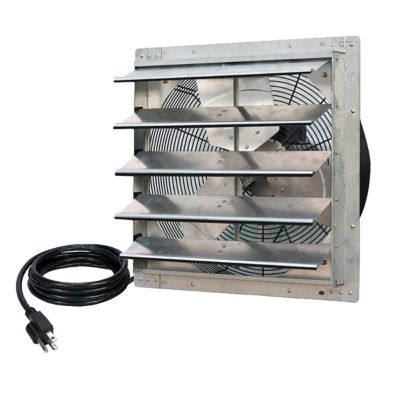
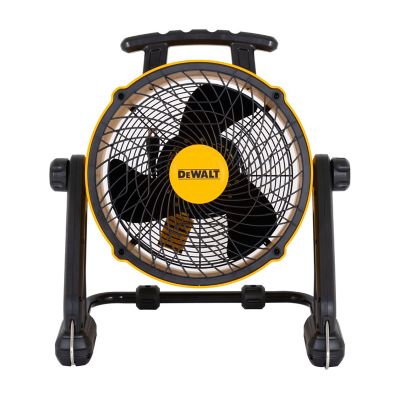
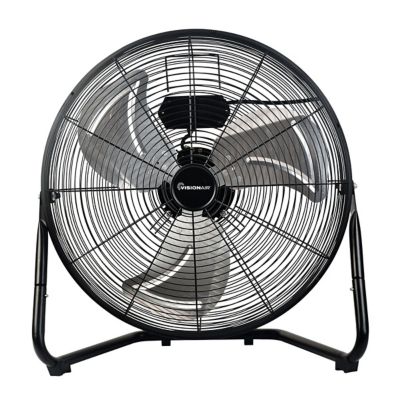
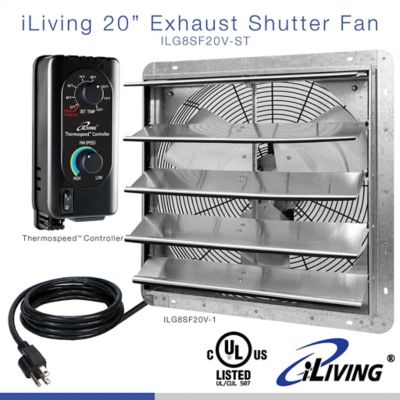
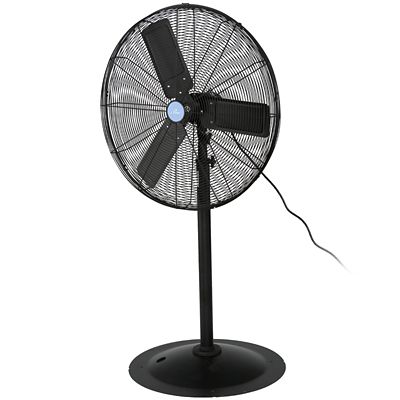
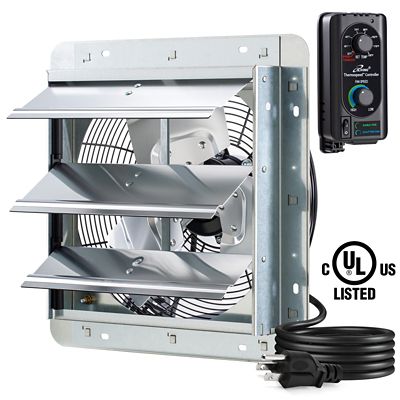
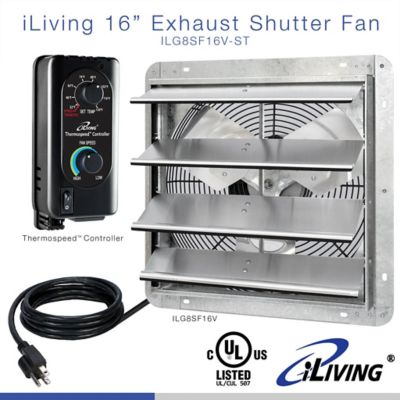
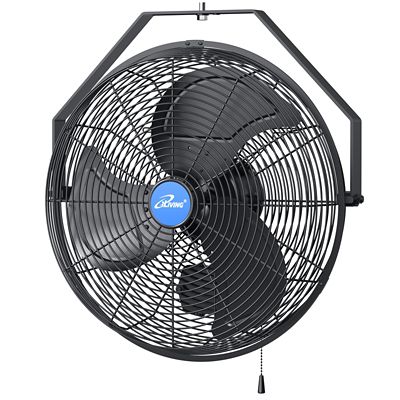
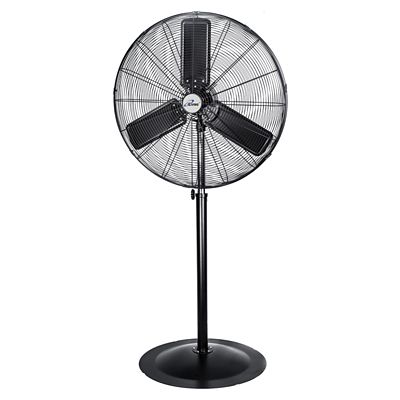
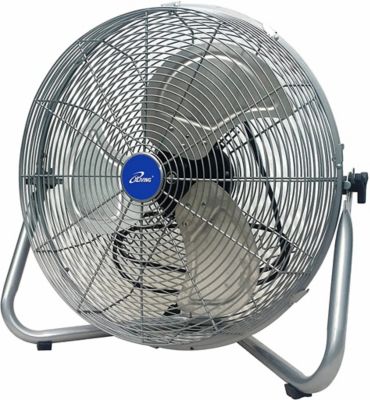
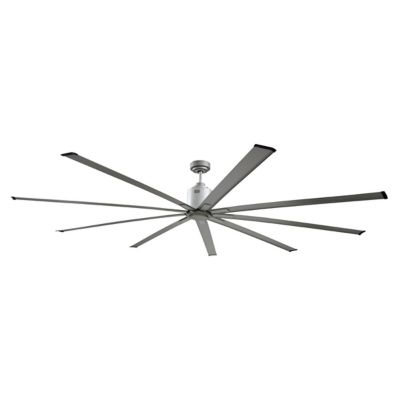
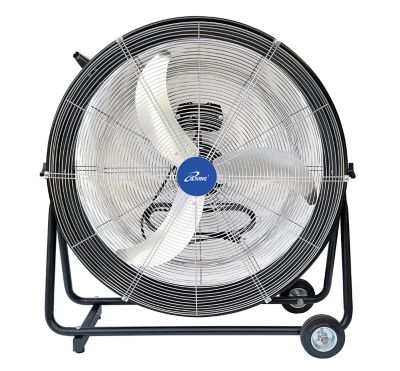
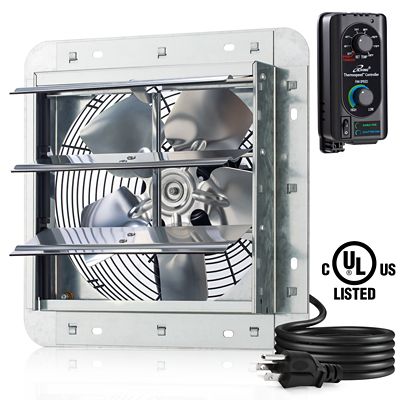
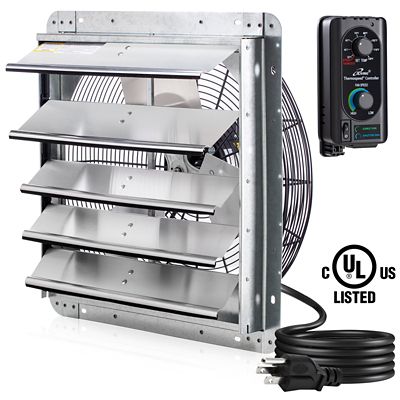
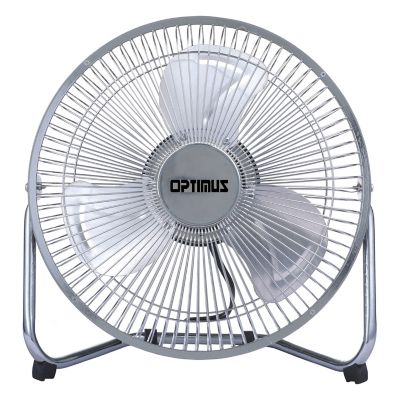
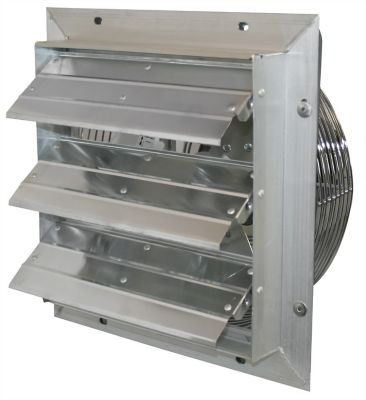
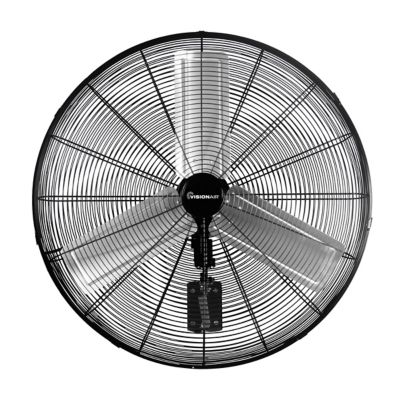
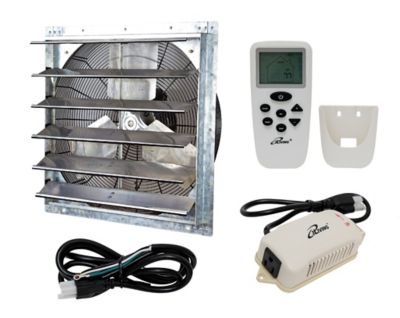
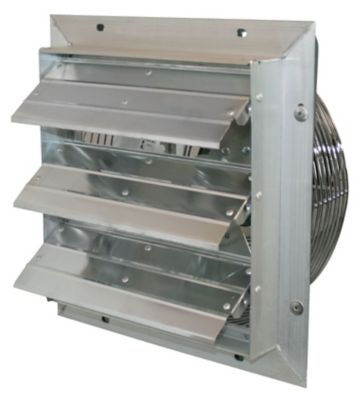
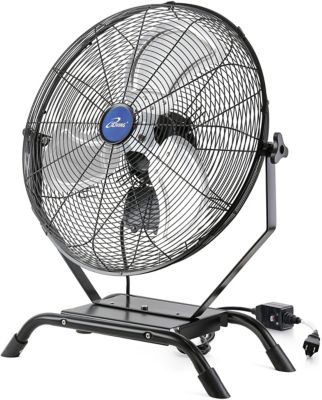
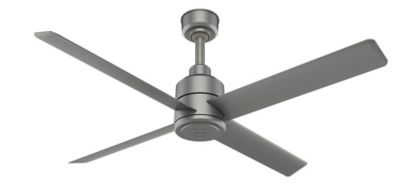
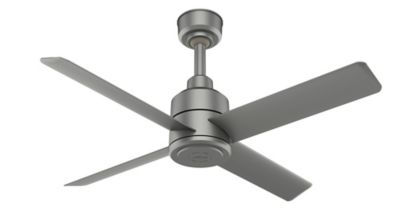
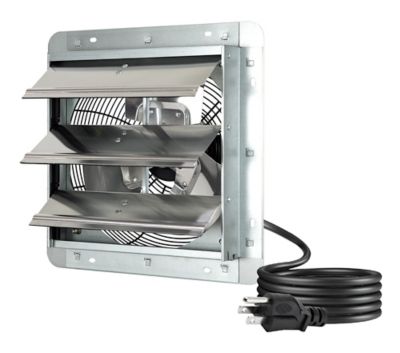
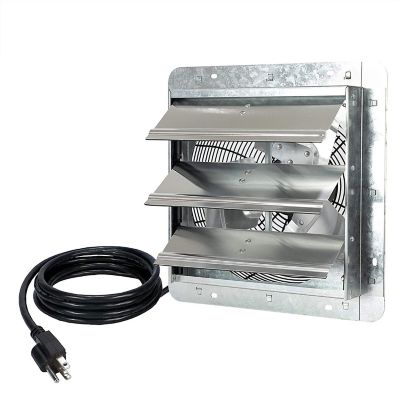
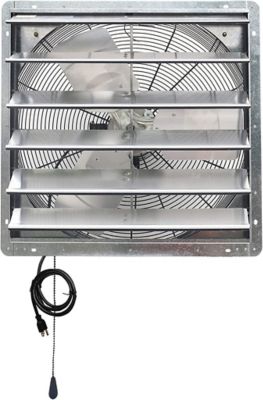
Aluminum blade fans bring together low weight, strong airflow, and a practical metal construction suited to many farm, shop, home, and commercial settings. An aluminum fan blade is a propeller-shaped part that attaches to a motor shaft and moves air through a system. You may find this style in HVAC equipment, condenser units, refrigeration systems, heat-powered wood stove fans, exhaust equipment, and ventilation setups in barns or workshops. Aluminum alloys such as 5052 sheet aluminum or cast A356 aluminum are often selected because they can handle heat and steady operation while adding less load to the motor and its bearings than a heavier blade material. That lighter build can help a motor spin smoothly, which matters in equipment that runs for long stretches while moving warm air, clearing fumes, or helping a work area stay more comfortable. In a rural shop, a fan may be part of a ventilation setup near a welding bench, a machinery bay, or a livestock area; at home, it may support an HVAC repair or help move air around a stove or utility room. The products listed on this page are suited to different equipment needs, so matching the blade to the fan assembly is the first step toward a proper fit and steady airflow.
Start by checking the blade diameter, measured straight across the circle from one outer edge to the other through the center. Common sizes range from about 6 inches for smaller residential equipment to 30 inches or more for larger ventilation systems. A blade that is too large may not clear the housing, while one that is too small may not move enough air for the space or equipment. Next, check the bore size, which is the hole in the center of the blade where it fits over the motor shaft. Common shaft openings include 1/4 inch, 5/16 inch, 1/2 inch, and 5/8 inch, though equipment can vary. The bore needs to match the shaft closely and seat properly with the hub, set screw, adapter, or other fastening parts called for by the assembly. Rotation direction also matters. Fan blades are commonly identified as clockwise or counterclockwise when viewed from the discharge side, meaning the side where air leaves the fan. Installing a blade with the wrong rotation can reduce airflow and may send air in the opposite direction from what the housing requires. Before ordering, write down the old blade’s diameter, bore, rotation marking, number of blades, and any pitch or hub measurements. A quick photo of the fan assembly can also help when comparing the existing setup with replacement options. If the blade is part of a condenser, exhaust unit, stove fan, or other powered equipment, check the equipment documentation and disconnect electrical power before inspecting the assembly.
Pitch is another key detail. This refers to the angle of the blade surface as it moves through the air, and it has a direct effect on air volume, pressure, motor load, and sound. A steeper pitch can move a greater volume of air in some applications, but it may also place more demand on the motor. A flatter pitch may suit a lighter ventilation task or a setup where lower resistance is expected. Airflow is often described in CFM, or cubic feet per minute, which indicates how much air a fan can move. The right CFM depends on the room, housing, ductwork, grille, condenser, or appliance surrounding the blade, not just the blade itself. A fan operating behind a clogged screen or in a restricted duct may not deliver the expected airflow even with a correctly sized blade. Look for a blade that matches the motor’s speed, shaft size, rotation, pitch, and rated operating conditions. Aluminum can be a practical choice in areas where heat, moisture, or repeated operation are part of the job, but the surrounding hardware still needs attention. Inspect the shaft, hub, bearings, guard, mounting points, and wiring for wear before putting the fan back into service. Replacing a bent blade without checking the rest of the assembly may leave vibration or noise in place. Keep the blade free from packed dust, grass, chaff, and oily buildup, especially in a barn or shop where airborne debris can collect quickly. A balanced, properly fitted blade can help air move through a space during cooler months and support ventilation when the weather warms again. For other farm and property projects involving lightweight metal materials, browse
Aluminum Fencing as another option for outdoor improvements.