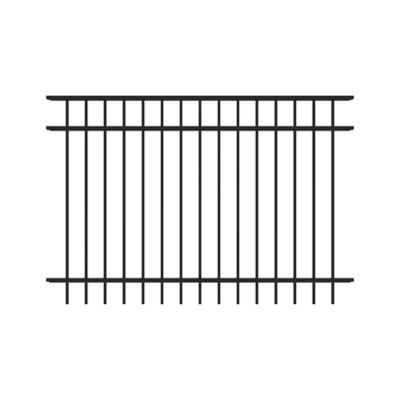
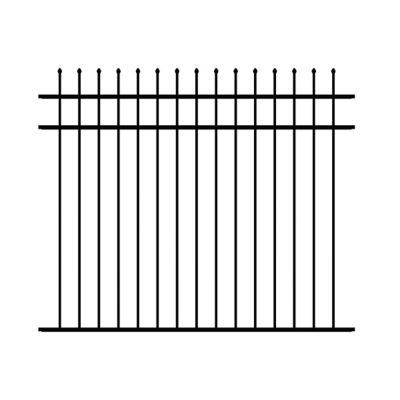
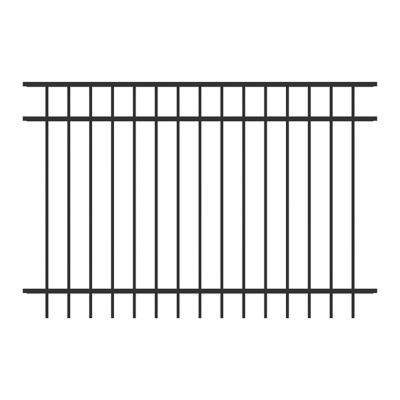
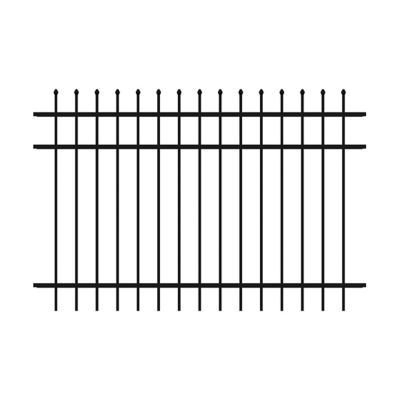
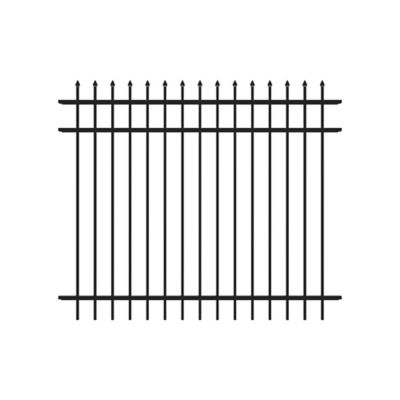
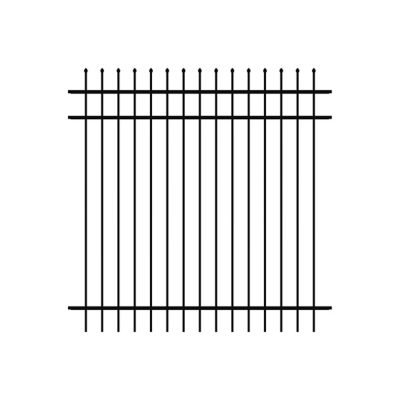
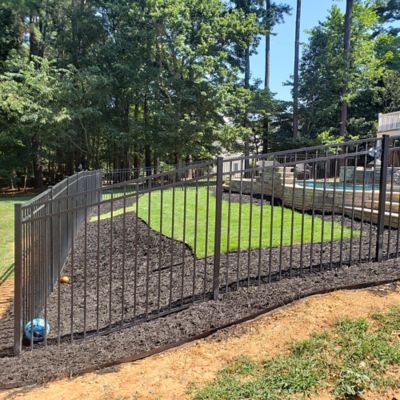
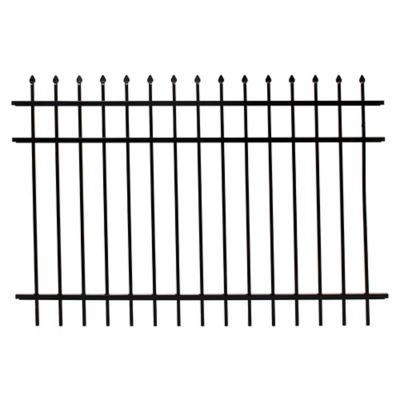
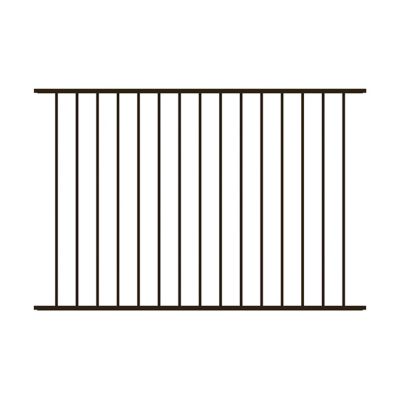
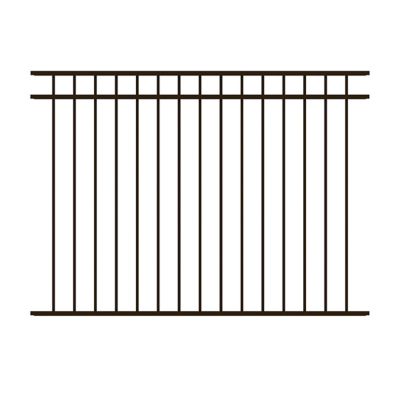
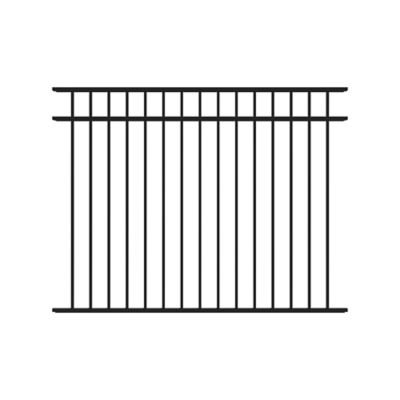
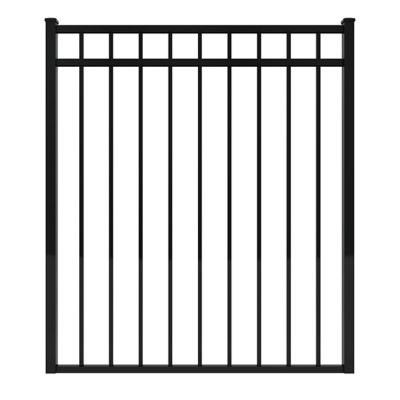
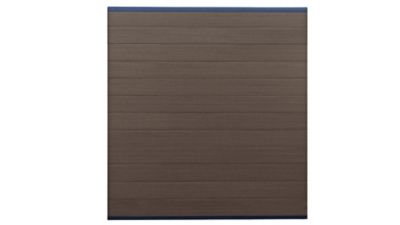
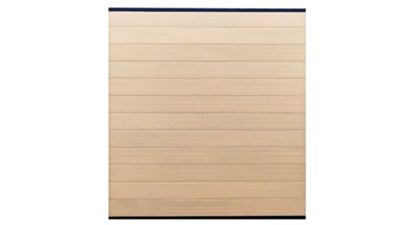
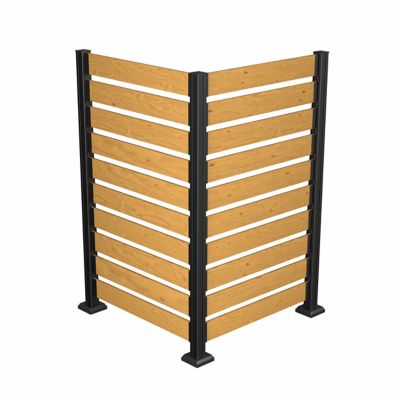
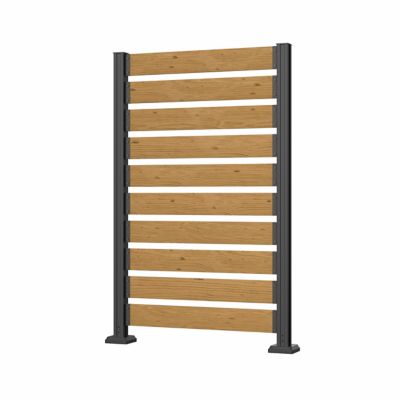
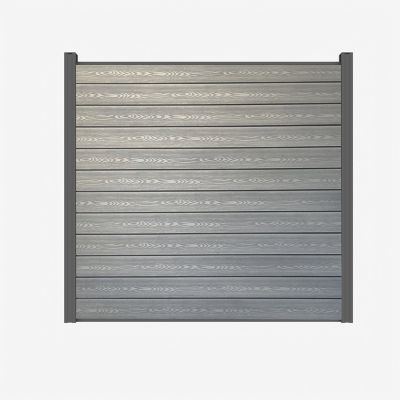
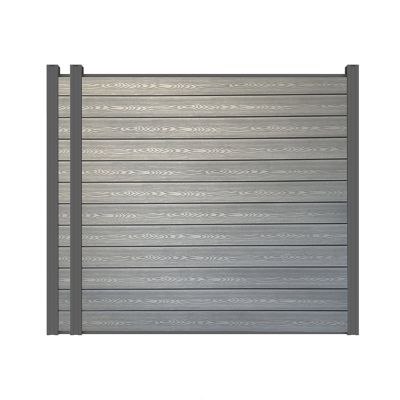
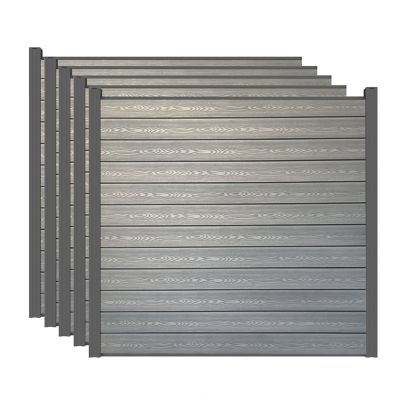
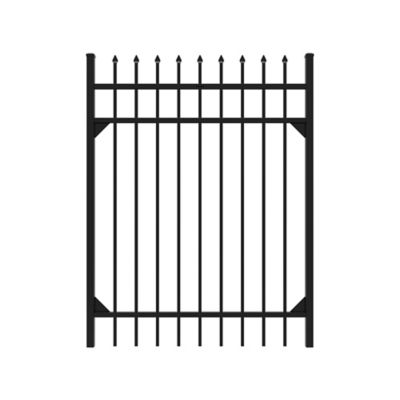
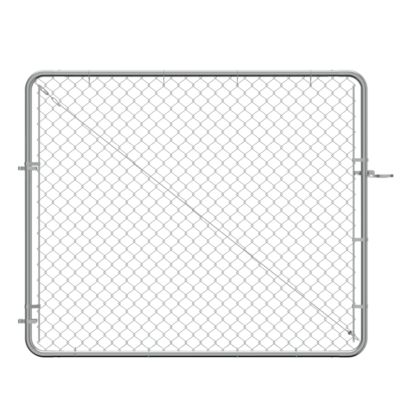
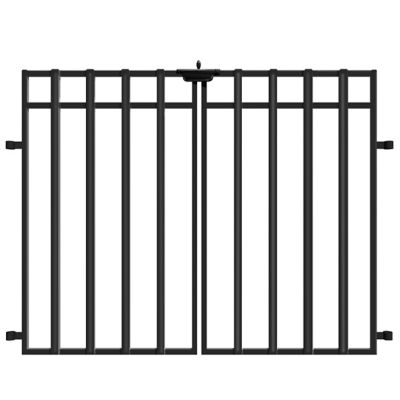
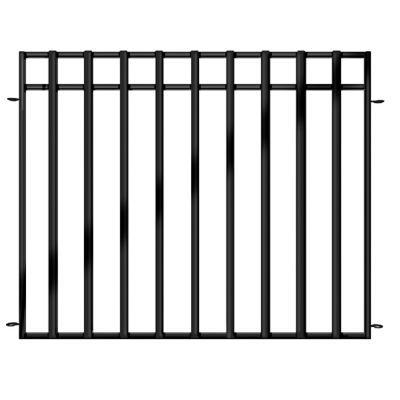
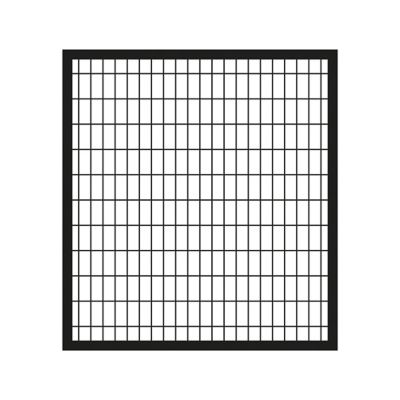
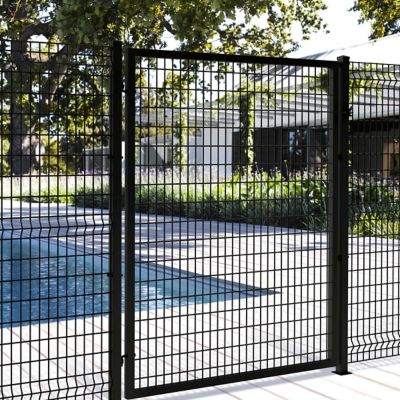
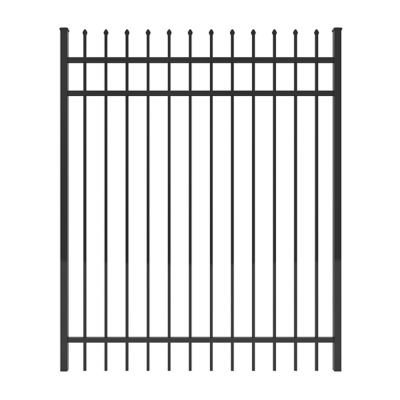
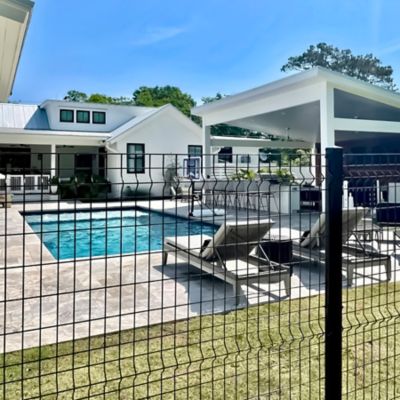
Aluminum fence panels give yards, gardens and outdoor gathering spots a defined boundary without closing off the view across the property. Their relatively light weight, resistance to red rust and modest upkeep make them a practical fit for homeowners who want a finished fence line without adding much to the weekend chore list. Along a gravel drive or around a farmhouse lawn, spaced pickets can frame the landscape while leaving room to see the trees, pasture or garden beyond. Aluminum does not contain the iron that causes red rust, though it can still corrode under certain conditions, particularly where salt or harsh chemicals collect. Many panels have a powder-coated finish that adds color and helps protect the surface from weathering. Black fencing tends to blend into the background from a distance, while lighter finishes can stand out against shrubs or a dark-sided building. Flat-top designs have a straightforward profile, and spear-top styles bring a more traditional appearance to an entrance or front yard. Horizontal slats create a different look, with the amount of screening depending on their spacing and arrangement. An open-picket aluminum fence is a boundary, not a privacy screen; closer-spaced or solid designs provide more visual separation, with different support requirements to consider. For a patio beside a neighboring driveway, that distinction matters more than color alone. Aluminum panels suit a range of residential settings, including front lawns, backyard boundaries and certain pool enclosure applications when the complete installation meets local requirements. They can also separate a flower bed from a busy walkway or keep foot traffic away from a newly planted area. For acreage owners, aluminum fencing often makes the most sense around the house and landscaped spaces rather than as a substitute for purpose-built livestock fencing. The right match comes down to what the fence needs to do each day, whether that is marking an entrance, enclosing a sitting area or providing a clearly defined edge beside the lawn.
Panel height, width, picket spacing and construction all affect how an aluminum fence fits the property and stands up to everyday activity. Taller panels create a stronger visual boundary, but height alone does not establish security or make an enclosure suitable for children, pets or swimming pools. Picket openings, horizontal rail placement, clearance beneath the panel and gate hardware matter just as much. A small dog may slip through an opening that keeps a larger dog inside, while a determined jumper or climber may need another type of enclosure altogether. Aluminum panels are not generally intended to take repeated pressure from horses, cattle or equipment, so a fence bordering a working area needs careful consideration of likely contact. Even within residential fencing, metal thickness, rail dimensions, picket attachment and post design influence rigidity. A wider panel is not automatically the better fit if a short run beside the garage would require awkward cuts or leave a narrow section at the end. Matching panels with compatible posts, brackets and gates helps the fence work as a complete system; similar-looking parts do not necessarily share the same measurements or connections. Preassembled sections reduce the amount of panel assembly on site, while other designs require more individual components to be fitted together. Sloping ground adds another consideration. Rackable panels can follow a grade within the limits specified by their manufacturer, helping maintain a more consistent space beneath the fence. A stepped layout keeps each section level but may leave larger gaps under parts of the run, which can matter around pets. Gates deserve room in the layout from the start, especially where a mower, garden cart or wheelbarrow needs to pass through. An opening that feels roomy on foot may be tight with equipment. Pool barriers also require particular attention to local rules for height, openings, climbability and self-closing, self-latching gates. No panel style alone establishes compliance; the full enclosure and its installation need to meet the applicable requirements.
Long-term performance depends on the installation as well as the panel material. Posts carry the fence, and their footing depth, spacing and anchoring need to suit the system, soil and local conditions. In areas with freezing ground, footing requirements help account for seasonal movement that can leave posts leaning or gates dragging. Surface-mounted installations need a suitable structural base and approved hardware rather than an assumption that any patio slab can carry the load. Before any digging, property boundaries, easements and underground utilities need to be identified, with utility marking arranged through 811 and any private lines addressed separately. Local permits and neighborhood restrictions may also affect the layout. Once the fence is in place, routine care is usually straightforward: rinse away dirt and pollen, wash with mild soap when needed and follow the finish manufacturer’s care directions. Salt spray, deicing residue and lawn chemicals should not sit on the surface longer than necessary. Abrasive cleaners, aggressive pressure washing and incompatible chemicals can harm a coating, while a string trimmer or mower can nick the finish near ground level. Leaving enough clearance for lawn equipment helps avoid repeated bumps along the fence line. During the cooler months, keep piled snow and heavy debris from bearing against panels, and check that shifting ground or fallen branches have not affected gate movement. Occasional checks of fasteners, hinges, latches and finish damage help catch small problems before they interfere with the fence’s function. For shoppers weighing different materials,
Vinyl Fence Panels offer another option to compare, particularly when a broader profile or greater visual screening is part of the plan. Aluminum often appeals where slim rails, open sightlines and less painting or staining are priorities. Neither material makes every fence suitable for every setting, and exposure, layout and intended use still shape the choice. A well-matched aluminum fence leaves space to enjoy the view, gives the yard a clear edge and fits into everyday life, from bringing the mower through the gate to watching the sunset beyond the back lawn.