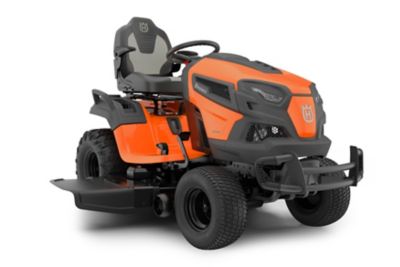
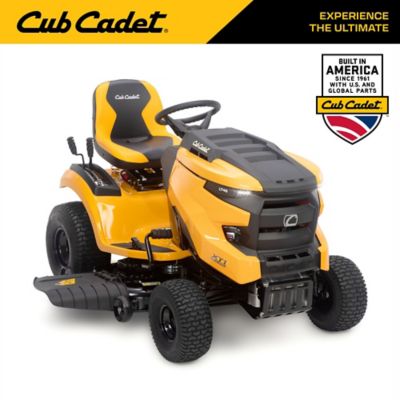
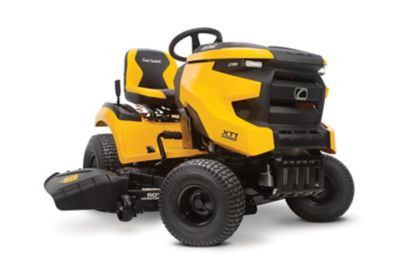
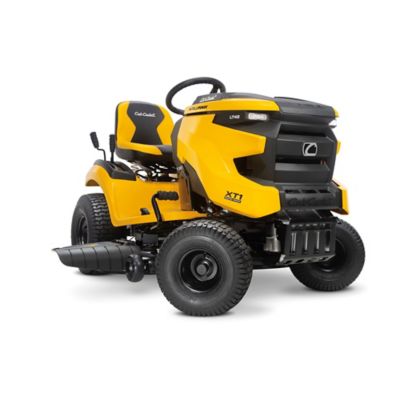
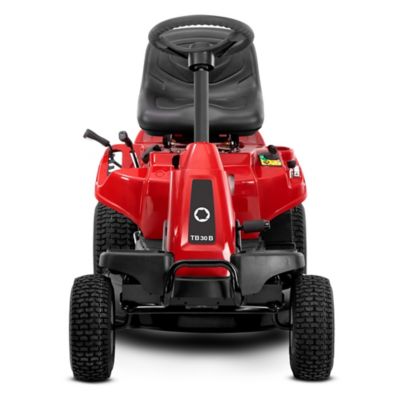
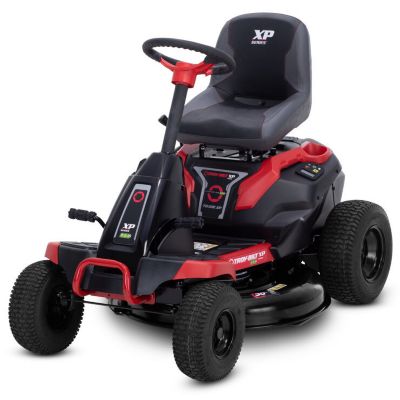
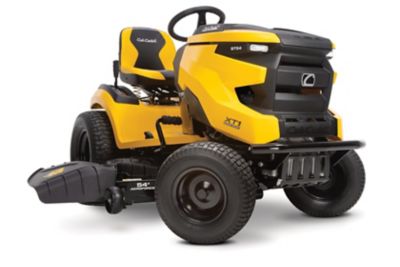
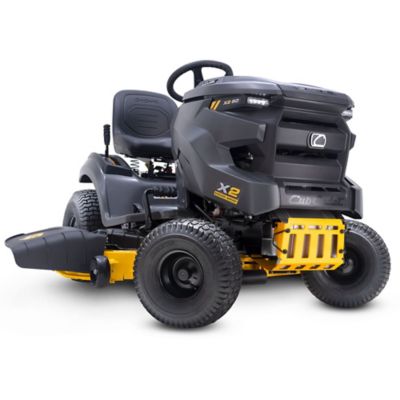
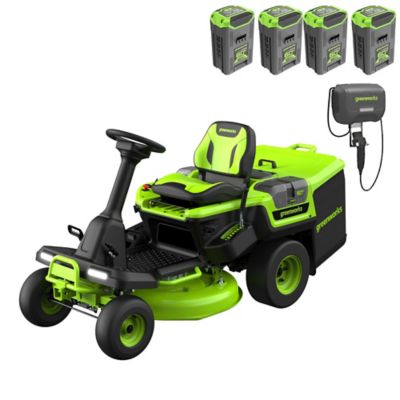
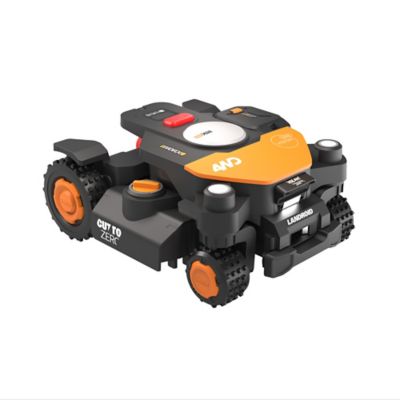
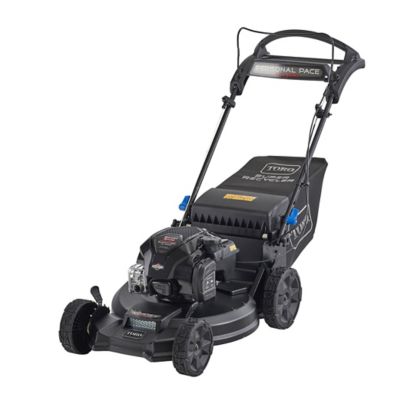
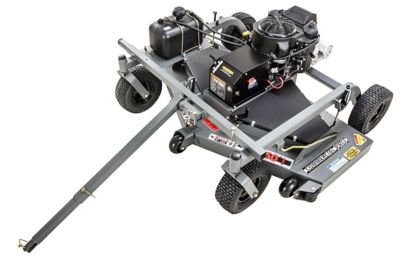
All-terrain riding lawn mowers bring riding-mower convenience to maintained grassy properties with uneven ground, rolling contours, and stretches that call for extra traction. Depending on the model, features may include a heavy-duty transmission, a locking differential, or tires with tread suited to the intended mowing surface. Those features can help manage demanding ground, but “all-terrain” does not mean a mower can safely travel anywhere. Every machine has operating limits, and its operator’s manual determines suitable terrain, slope limits, and safe travel directions. Steep banks, deep ruts, loose embankments, and ground near drop-offs may fall outside those limits. For a rural homeowner, acreage owner, or property caretaker, the appeal is a mower that fits the lay of the land rather than just the size of the lawn. A broad yard around a farmhouse presents different demands than narrow grassy lanes between outbuildings or an open stretch interrupted by tree roots. Frame construction, deck materials, ground clearance, and traction all play a part in that fit. Steel frames and steel cutting decks are common, while deck thickness, reinforcement, and mounting design vary across mower types. Stamped decks are formed from shaped steel, while fabricated decks are assembled from separate steel sections; neither description alone tells the whole story about service life or mowing performance. The complete design matters, including how the deck follows ground contours and how well the machine matches its workload. All-terrain riding lawn mowers are still mowing equipment, not substitutes for brush-clearing machines or off-road utility vehicles. Their intended job is cutting suitable grass within the manufacturer’s operating limits, not climbing over rocks, clearing woody growth, or crossing ditches. That distinction matters on a working property, where a tidy lawn can sit just a few feet from ground that calls for entirely different equipment.
Deck width, steering layout, and operator fit help determine how comfortably a mower handles the ground it is meant to cover. A wider cutting deck can reduce passes across open grass, but it also needs room through gates, around buildings, and between trees. On closely spaced rises and dips, deck width and suspension affect how closely the cutting path follows the surface. Anti-scalp wheels help limit deck contact in certain situations, though they cannot prevent every scrape or make severely uneven ground suitable for mowing. Adjustable cutting height gives operators room to match the cut to the grass and site, while deck lift controls can make transitions between approved mowing areas easier to manage. Steering style deserves the same attention as cutting width. A tight turning radius can help around a well house or a row of established trees, but maneuverability alone does not establish traction or slope capability. Zero-turn layouts and steering-wheel designs handle differently, particularly when one drive tire loses grip. Hydrostatic transmissions offer variable travel speed without repeated gear changes, helping operators match their pace to turns, contours, and grass density. Where a differential lock is fitted, its operation and turning restrictions depend on the machine. More aggressive tire tread may improve grip on some surfaces while leaving stronger marks on turf, so traction and lawn appearance need to work together. Engine output also needs context: grass height, cutting width, travel speed, and approved attachments all affect the load. Horsepower by itself does not establish hillside safety or overall mowing performance. For the person in the seat, practical details add up over a long stretch of mowing. Seat adjustment, room for boots, reachable pedals, clear controls, and an unobstructed view of the cutting path can make operation less tiring. A mower should fit its operator as well as its property, with enough control and visibility for careful work around fence corners, orchard rows, and other everyday obstacles.
Long-term ownership also comes down to how easily the mower can be inspected, cleaned, and serviced. Accessible oil service points, filters, belts, battery connections, and deck components make scheduled maintenance more straightforward. Grass buildup beneath a deck can interfere with cutting and discharge, while worn blades, damaged belts, or uneven tire pressure can show up as an uneven finish. Maintenance schedules and cleaning methods vary by machine, so the operator’s manual remains the reference for service intervals, approved procedures, and safe shutdown before any work begins. Blade service requires particular care, with the mower secured and its starting system disabled as directed by the manufacturer. A level parking spot, room to reach service areas, and covered storage all support regular upkeep. Inspection matters beyond the engine and deck, too: steering components, brakes, guards, and safety interlocks have jobs that should never be overlooked. Before mowing, the cutting area needs attention for wire, stones, fallen branches, and other objects that could damage equipment or become thrown debris. Children, pets, and bystanders belong well away from the operating area, and riding mowers are not passenger vehicles. Attachments bring another set of considerations. An approved cart or grass collection system can add useful capability, but attachment compatibility, hitch limits, added weight, and braking demands must stay within the mower’s specifications. For operators maintaining several properties or putting in longer mowing hours,
Commercial Riding Lawn Mowers offer another category to consider based on workload, service needs, and operator comfort; commercial classification does not automatically mean a machine is suitable for rougher ground or steeper slopes. The right match balances cutting performance, traction, maneuverability, and manageable upkeep. Whether the job is grass around a barn, a roomy home lawn, or maintained grounds across an acreage, a well-matched riding mower helps keep the work steady without asking the equipment—or its operator—to push beyond safe limits.