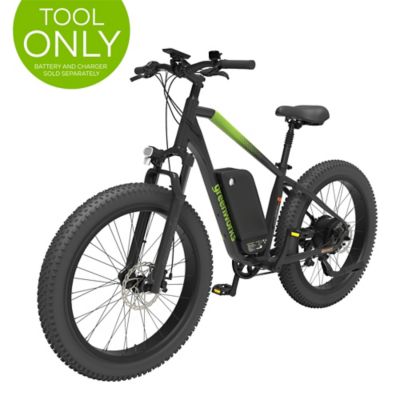
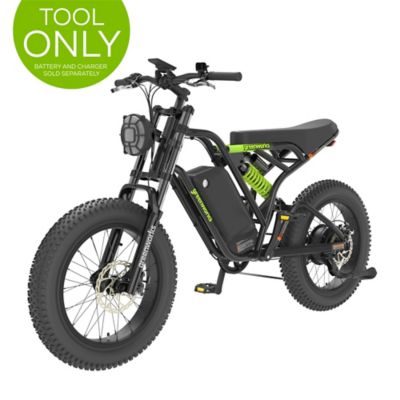
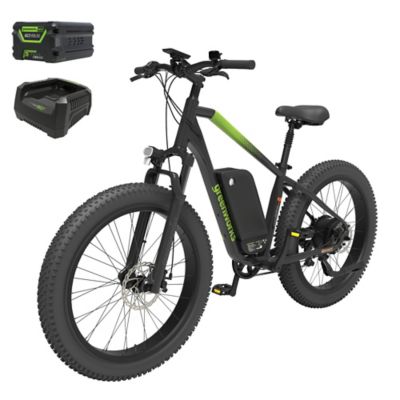
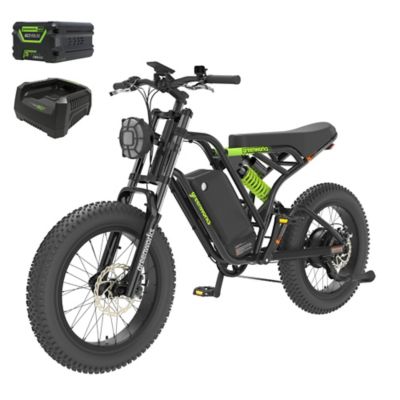
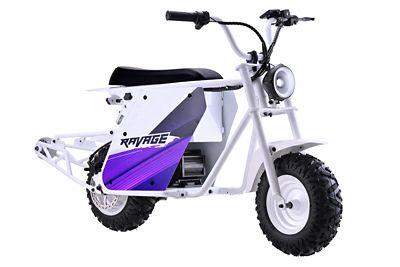
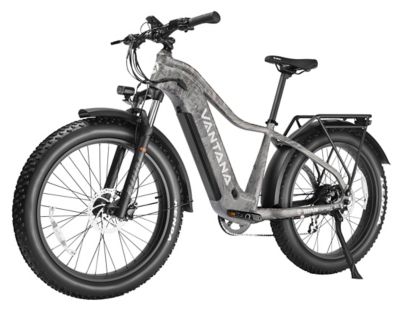
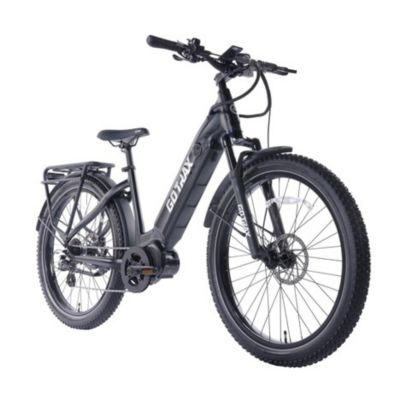
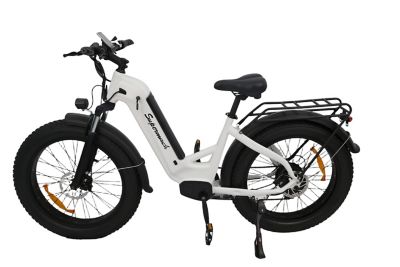
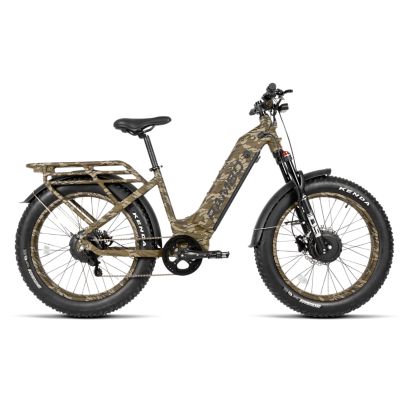
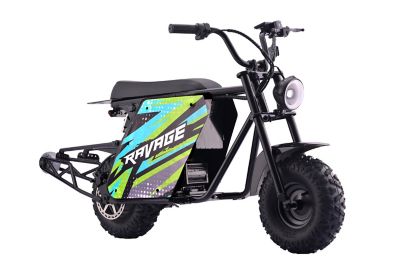
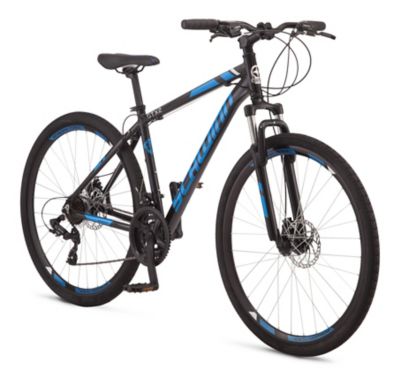
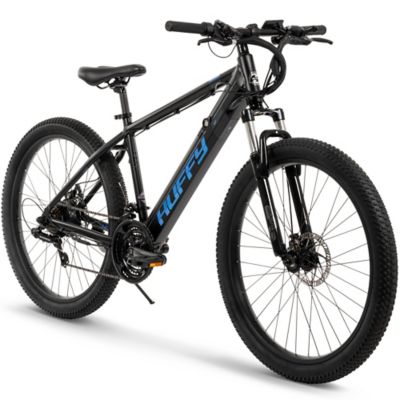
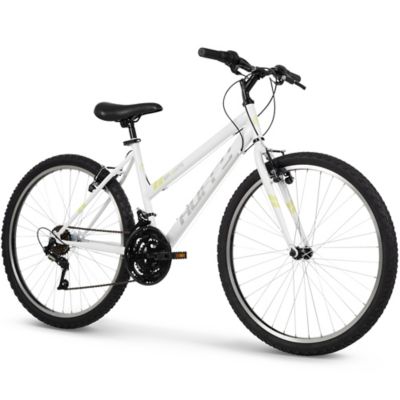
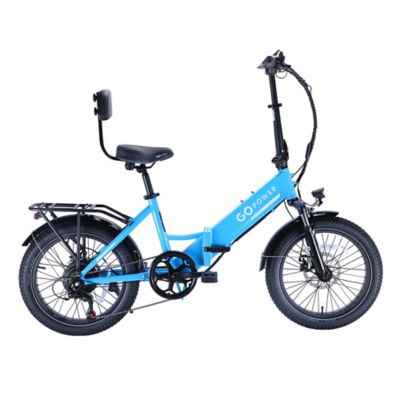
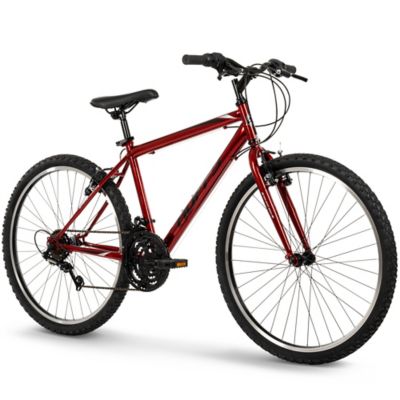
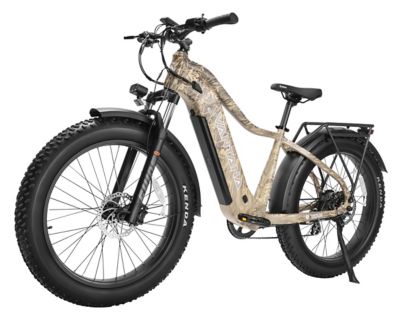
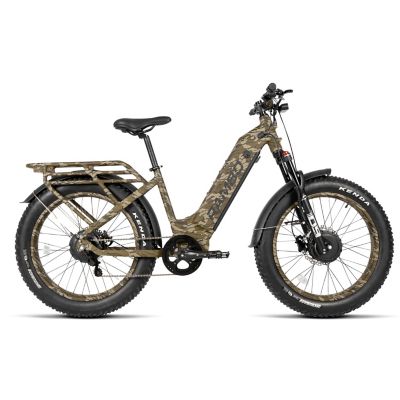
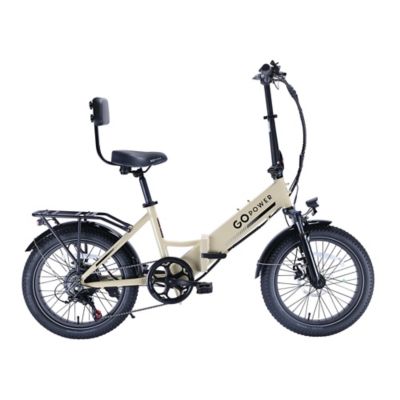
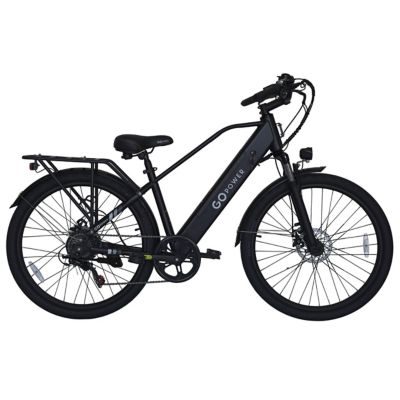
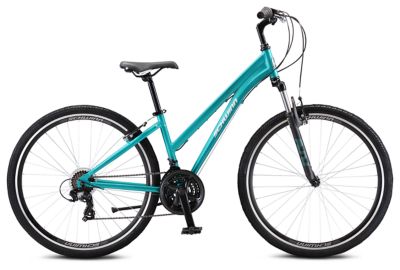
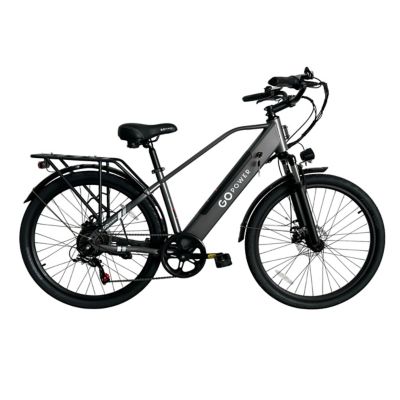
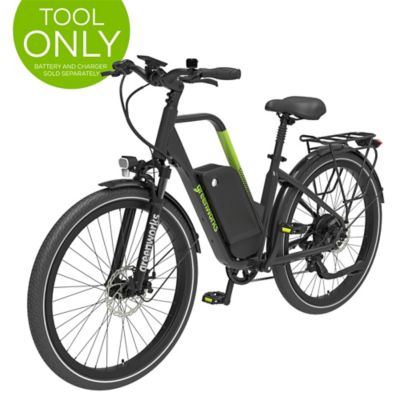
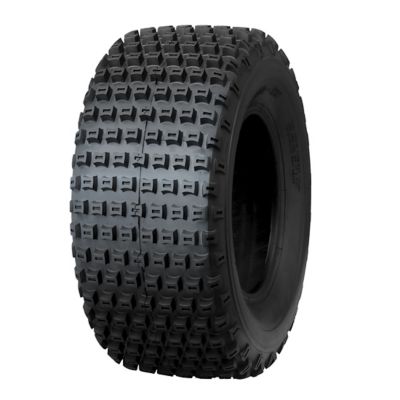
An all-terrain bike, also called an all-terrain bicycle or ATB, is a bicycle built for a mix of surfaces, including pavement, gravel roads, dirt paths, and uneven trails. Its appeal comes from that flexibility: a ride can start at the driveway, follow a hard-packed lane past the fields, and finish on a wooded path without requiring a different bicycle for each stretch. All-terrain bikes often combine wider tires, a sturdy frame, and gearing that helps riders manage changing grades. The term covers a broad range of designs rather than one fixed set of features, so intended riding conditions matter more than the label alone. Some lean toward comfortable travel over gravel and packed dirt, while others share more features with mountain bikes built for rougher trails. Tire tread makes a noticeable difference along the way. Closely spaced knobs can roll more smoothly over firm ground, while deeper, more widely spaced tread can provide bite on loose surfaces. Wider tires may add cushioning and traction, though width alone does not determine how a bike will handle. Tire construction, inflation, wheel size, and the rider’s weight all play a part. A bike that feels settled on a gravel lane may still have limits around deep ruts, large rocks, or steep drops. Suspension also shapes the ride. A rigid fork keeps the front end mechanically simple, a suspension fork can soften repeated bumps, and full suspension adds movement at the rear wheel as well. Those differences affect weight, maintenance, and how much feedback reaches the rider through the handlebar and saddle. For someone riding a few miles of pavement before reaching a dirt trail, a balanced design can make more sense than equipment aimed at technical descents. For a rider spending most of the day on root-covered paths, suspension performance and trail handling take on greater importance. That range makes all-terrain bicycles a practical category for recreational riders, families heading to designated trails, and folks whose everyday routes include more gravel than sidewalk.
Fit has just as much influence on the experience as tires or suspension. Frame size, standover clearance, handlebar reach, and saddle position work together to determine whether a rider feels comfortable and in control. A frame that is too long can leave the rider stretched out, while one that is too small can feel cramped even after the saddle is raised. Wheel diameter is a separate consideration from frame size; a larger wheel does not automatically mean a bicycle fits a taller rider. Smaller wheels can feel easier to maneuver, while larger wheels generally roll over small obstacles more readily, with handling also shaped by the rest of the bike’s geometry. For younger riders, manageable weight and easy access to the brake levers matter more than extra room to grow. An all-terrain bike can make a thoughtful gift for someone who enjoys exploring local paths, but the recipient’s height, riding experience, and preferred terrain belong at the center of that choice. Frame materials bring their own tradeoffs. Steel can offer a solid ride feel, though frame weight and corrosion protection deserve attention. Aluminum is common where lower weight is a priority, and its ride feel depends on frame design as well as the tires and other components. Strength and service life depend on construction, proper assembly, load limits, and care—not simply the material named on the frame. Gearing is another practical detail, especially where a route climbs out of a creek bottom or follows a long uphill grade. Lower gears let riders keep the pedals turning without forcing every stroke, while taller gears suit faster travel on flatter ground. Brakes should offer controllable stopping power with levers the rider can comfortably reach. Rim brakes and disc brakes have different service needs, and either requires sound adjustment. Saddle shape, grip feel, and riding position round out the picture, particularly when a short spin down the lane turns into a longer afternoon outing.
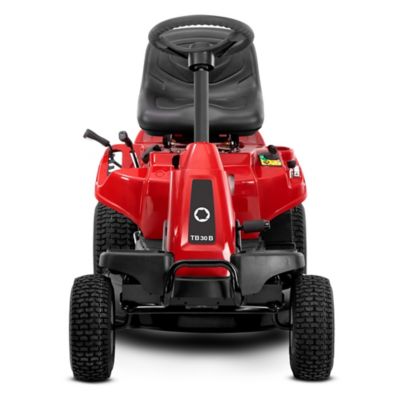
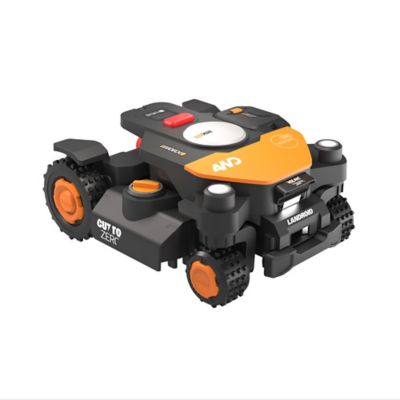
Everyday ownership is part of what makes an all-terrain bicycle a good match for its rider. Gravel dust works its way onto drivetrains, small stones can lodge in tread, and repeated bumps can loosen fasteners over time. Regular attention helps preserve smooth shifting, predictable braking, and a frame that stays ready for the next ride. Tire pressure belongs within the limits specified for the tire and rim, with adjustments suited to rider weight and terrain; pressure that is too low can increase the chance of rim damage or tire trouble, while excessive pressure can make rough ground feel harsher. Chains benefit from cleaning and an appropriate bicycle lubricant, with excess wiped away so it does not collect grit. Lubricant needs to stay off brake pads, rotors, and braking surfaces. Gentle cleaning and thorough drying are generally easier on bearings and moving parts than blasting them with high-pressure water. Indoor or covered storage helps protect the saddle, grips, cables, and exposed metal between rides. After a hard impact, unusual noises, wheel wobble, or changes in braking call for attention before more miles are added. A qualified bicycle technician can handle assembly, adjustments, and repairs beyond the rider’s experience. Accessories also need to match the bicycle and the trip. A properly fitted bicycle helmet, drinking water, and a way to handle a flat are sensible companions for a ride beyond the driveway. Bags, racks, and bottle mounts depend on frame fittings and load limits, and any carried gear should stay clear of the wheels and controls. On acreage with both riding paths and grass to maintain, all-terrain bicycles cover the recreation side, while
All Terrain Lawn Mowers serve a separate property-care purpose. Keeping those jobs distinct helps set sensible expectations: a bicycle is for riding within its design limits, on routes where bicycles are permitted. With the right fit and routine care, it can be a welcome companion for gravel-lane miles, trail outings, and the long way back home.