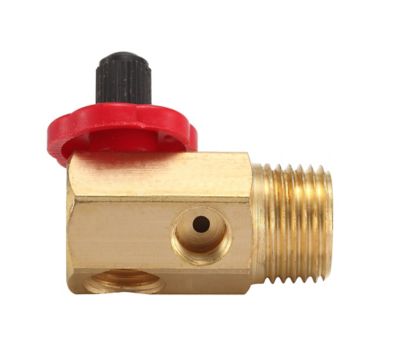
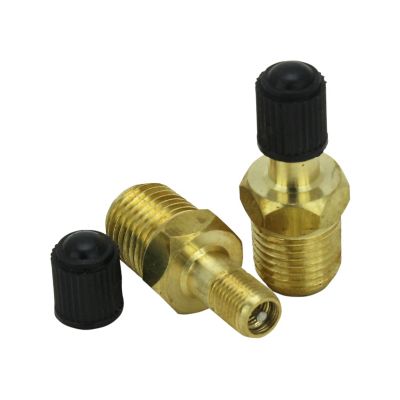
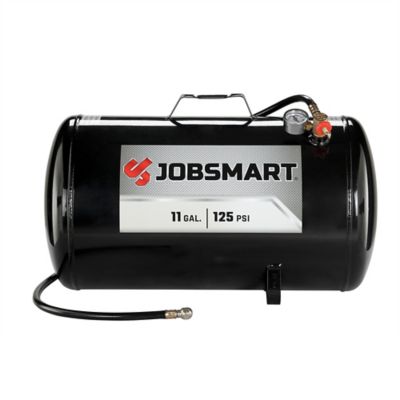
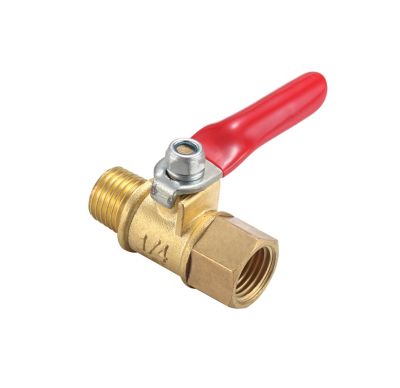
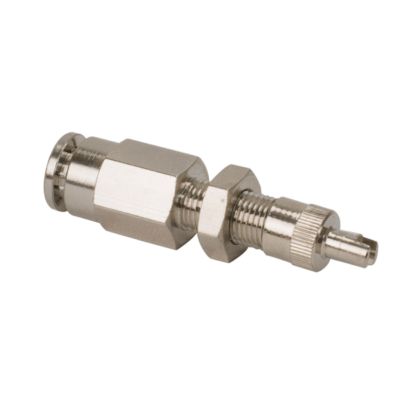
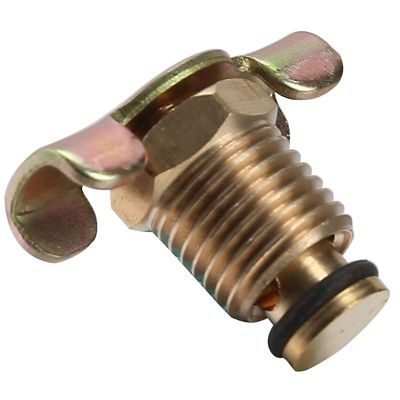
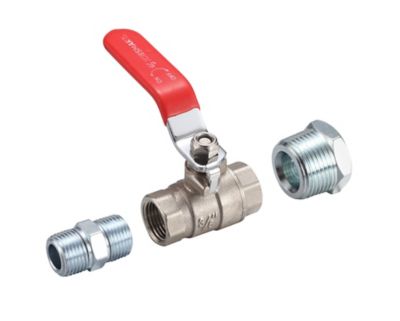
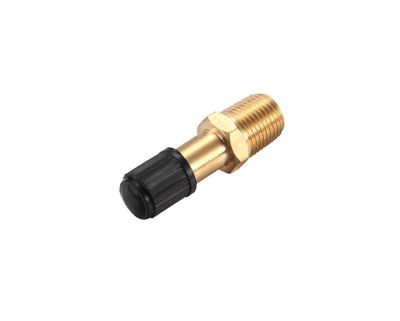
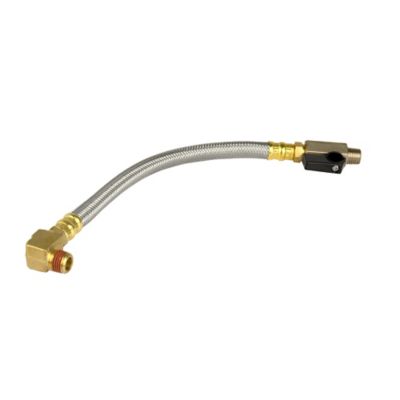
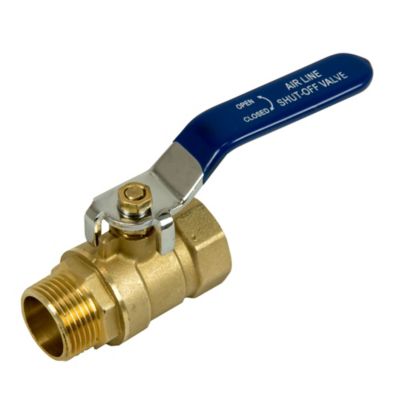
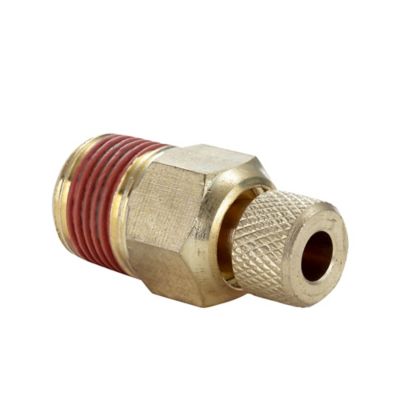
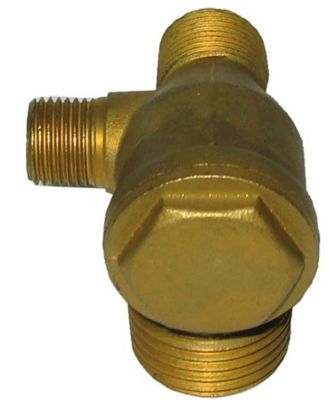
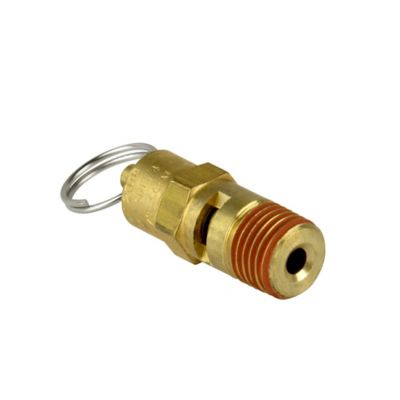
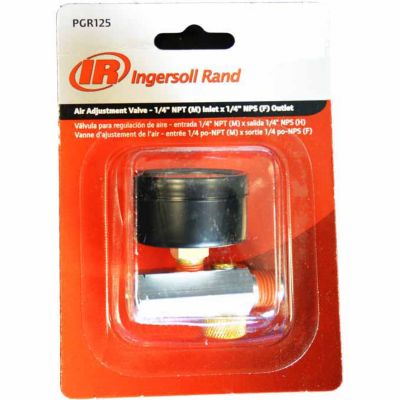
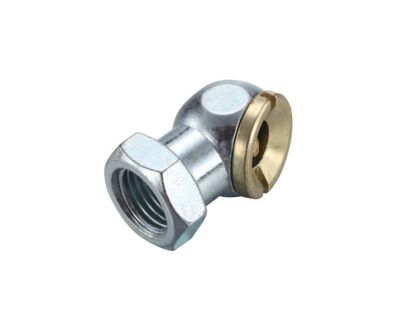
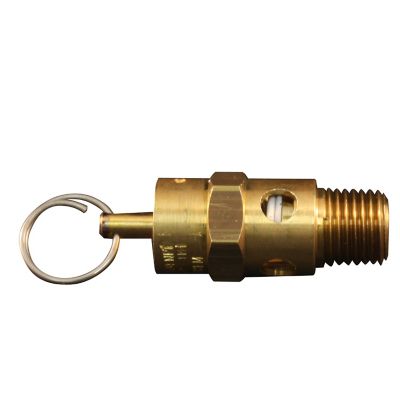
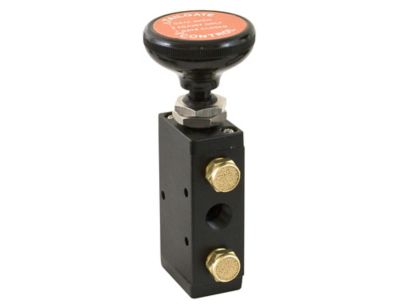
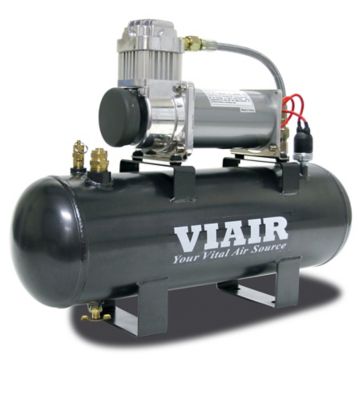
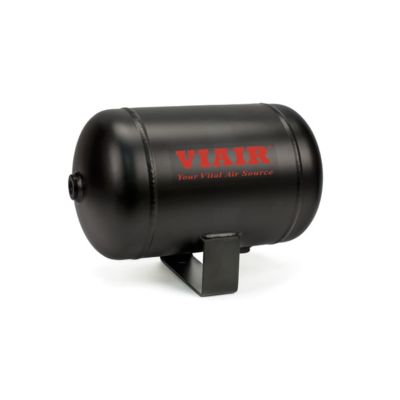
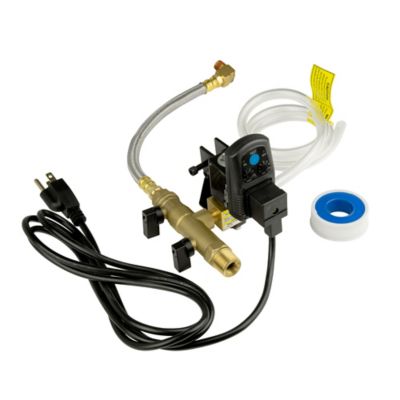
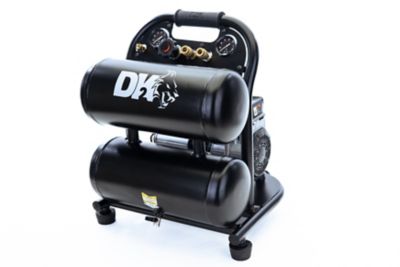
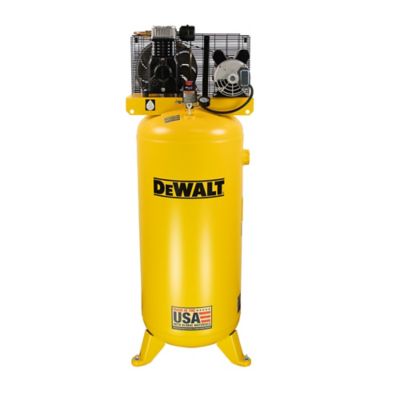
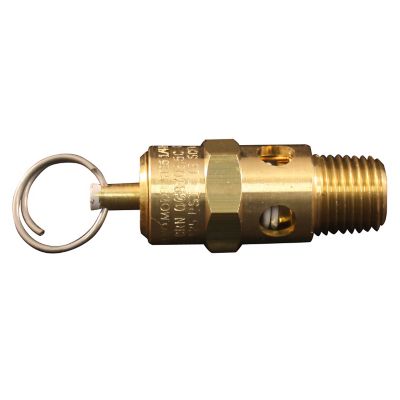
Air tank valves are small parts that do a big job in compressed-air systems. They help fill a tank, hold pressure, direct air where it needs to go and release moisture that collects inside the tank during normal use. When you are replacing a worn valve or keeping spare fittings on hand, start by identifying the kind of air tank you have, such as a portable carry tank, a stationary shop compressor or an air system used with a vehicle. The right valve depends on the tank’s connection size, pressure rating and job. Common fill and check valves use threaded connections, often 1/4-inch or 1/8-inch male National Pipe Thread, while drain valves are fitted at the lowest point of a tank so water and condensation can be emptied. Manifold or control valves may provide several ports for a hose, pressure gauge, relief feature or other accessories. Check the existing part, tank manual and manufacturer specifications before ordering, and match the thread type carefully. A valve can look close enough and still fail to seal if the threads, size or connection style are wrong. It also helps to compare the valve’s maximum working pressure with the tank’s rated pressure; never install a part with a lower rating than the system requires. For a broader selection of components that manage and direct compressed air, visit
Air Control Valves. A little time spent measuring the old fitting and reading the markings can save a trip back to the store and keep a repair from turning into a bigger job.
Fill valves and check valves are used when air needs to enter a tank while helping prevent unwanted backflow toward the compressor or filling source. Drain or release valves serve a different purpose: they let you purge collected water after the tank cools and pressure is safely reduced. That routine matters because warm, compressed air can leave moisture behind, and standing water may lead to rust inside a steel tank. Many folks make draining part of the same habit as putting tools away, especially after a long day of running an impact wrench, nailer or blow gun in the shop. Before servicing any valve, shut off the compressor, disconnect power, bleed pressure according to the equipment instructions and make sure the tank is fully depressurized. Do not remove a fitting from a pressurized tank, and do not try to repair or weld a tank that shows serious corrosion, deep pitting or other damage. Look for leaks around the threads and connections, listen for a steady hiss and inspect seals, handles and caps for wear. Thread sealant should be used only when appropriate for the fitting and compressed-air application, with care taken not to let pieces of tape or sealant enter the air passage. Air tank valves are practical replacements for farmers, ranchers, mechanics, maintenance crews, woodworkers and do-it-yourselfers who rely on dependable air for tire inflation, equipment upkeep and everyday repairs. They can also make a handy addition to a tool-loving friend’s workshop supplies, particularly when paired with other basic compressor accessories. During the cooler months, a dependable drain valve and properly sealed fill connection can help keep a compressor ready for tractor tires, trailer tires and shop work when equipment needs attention. Choose sturdy, pressure-rated parts that fit the tank, inspect them regularly and follow safe compressed-air practices so your setup stays useful from the garage to the barn.