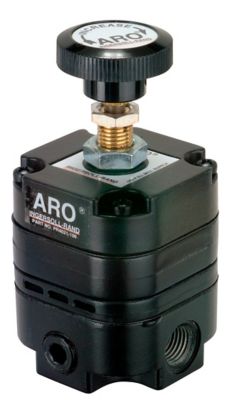
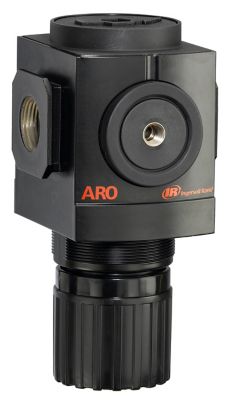
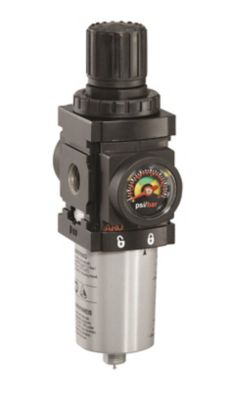
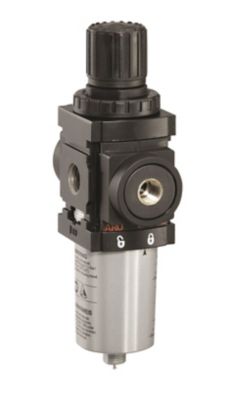
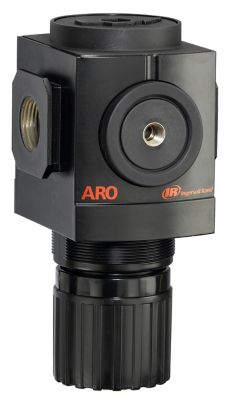
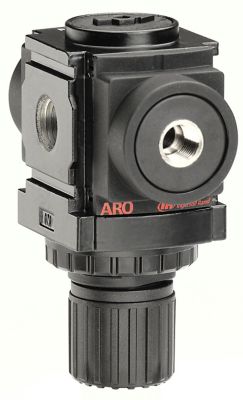
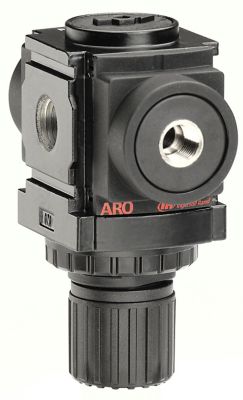
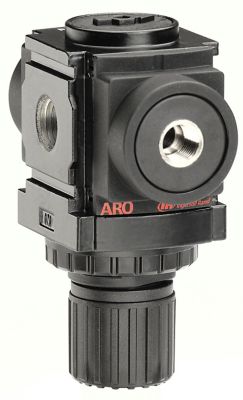
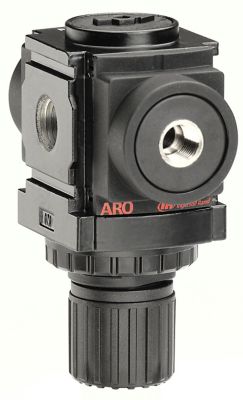
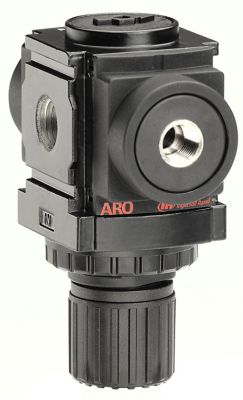
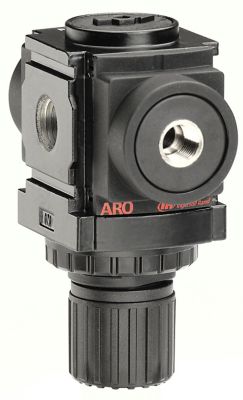
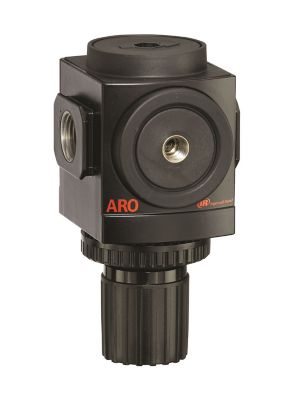
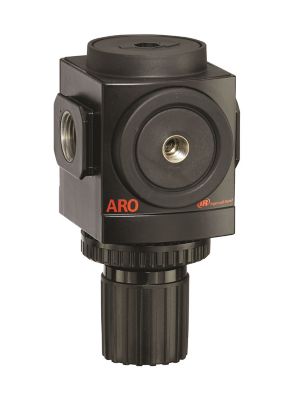
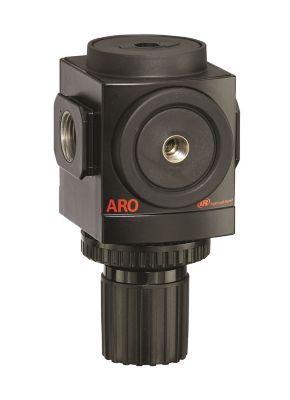
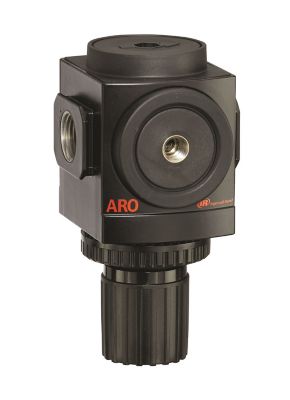
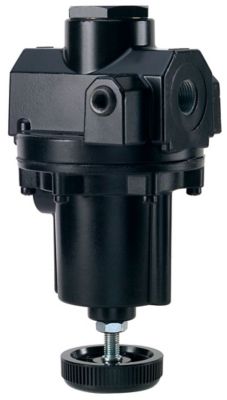
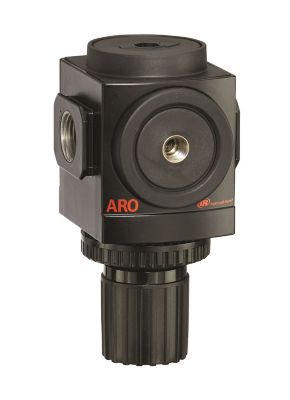
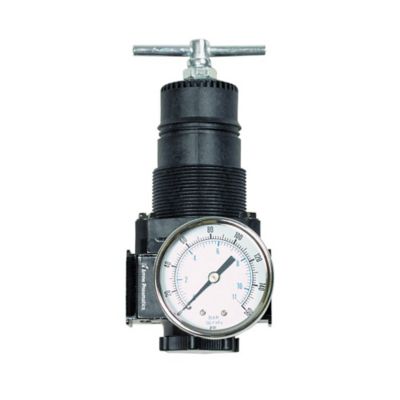
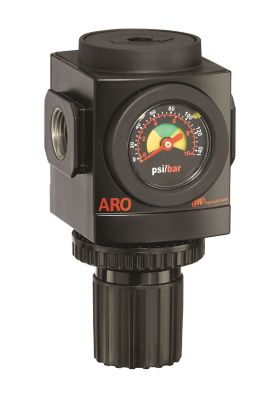
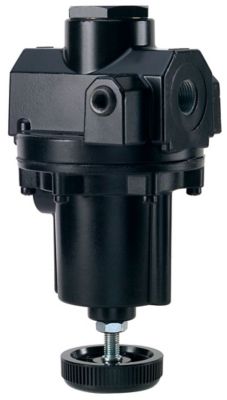
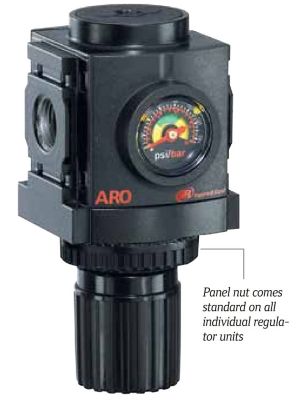
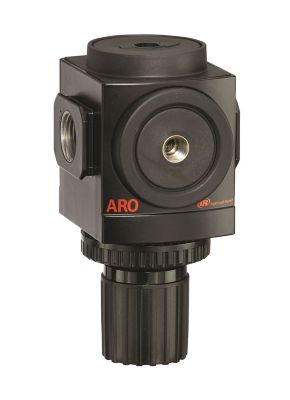
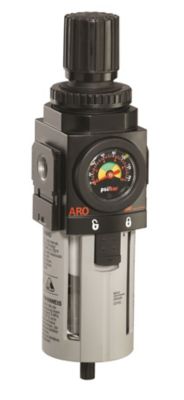
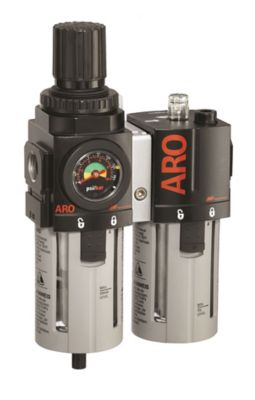
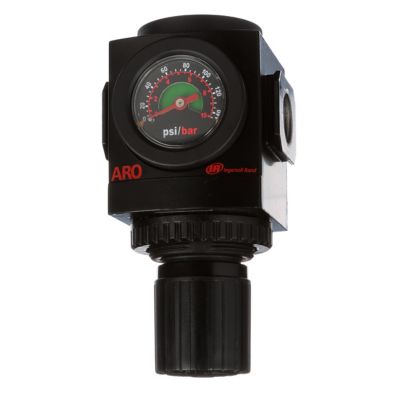
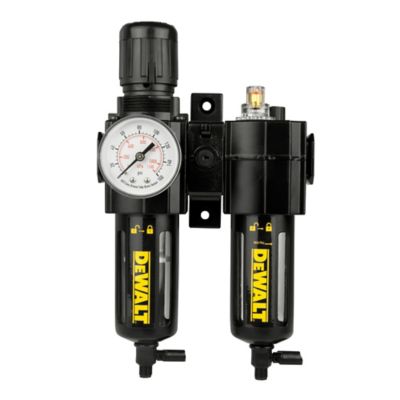
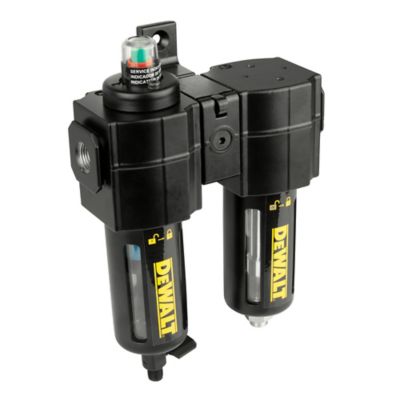
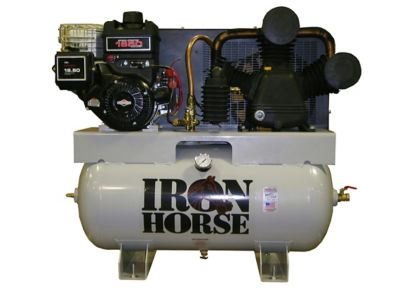
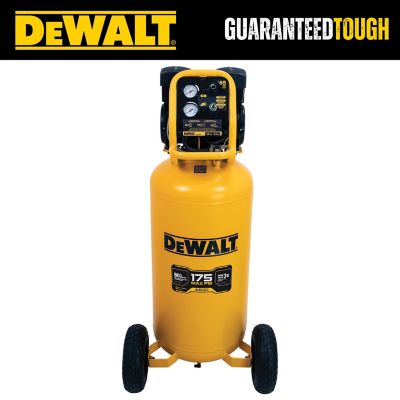
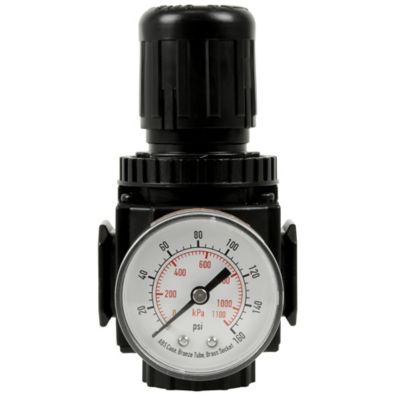
Air compressor regulators help turn the high pressure stored in a compressor tank into a steady, usable stream of air for the tool or job at hand. Rather than sending the full tank pressure straight to a nailer, blow gun, tire inflator, paint sprayer, impact wrench, or other pneumatic equipment, a regulator lets you dial in the working pressure that tool calls for and helps hold it there as air moves through the line. That control matters around the farm, shop, garage, and home. Too much pressure can damage delicate tools, leave an uneven finish when spraying, or drive fasteners too deeply, while too little pressure can make an impact tool sluggish or cause a sprayer to sputter. A regulator with a clear gauge gives you a quick read on outlet PSI, so you can make a careful adjustment instead of guessing by sound. When comparing air compressor regulators, check the pressure range, port size, connection type, gauge layout, airflow capacity, and compatibility with your compressor, hose, and fittings. Many air systems use common threaded connections, but thread size and style still need to match or be paired with the proper adapter. It also helps to consider the air volume your tools require. A small regulator may suit light-duty inflation, cleaning, or fastening, while a busy shop using air-hungry equipment needs a model that can maintain flow without becoming a bottleneck. For a broader selection and related options, visit
Air Pressure Regulators.
Most regulators use a simple adjustment knob and pressure gauge. To set one, make sure the compressor is connected correctly, then unlock or pull out the adjustment knob if the design calls for it. Open the connected air tool or blow gun so air is flowing, since pressure can read differently when the system is sitting idle. Watch the gauge while turning the knob slowly clockwise to raise outlet pressure or counterclockwise to lower it, stopping at the setting recommended for the tool. Once the pressure is where it belongs, press the knob back in or tighten the locking ring to help keep the setting from changing as you work. Always use the tool manufacturer’s pressure recommendation, and remember that the gauge on the regulator shows regulated outlet pressure, not necessarily the pressure remaining in the compressor tank. A tire inflator may need a different setting than a framing nailer, and a delicate spray application may call for a much lower, more controlled output than an impact wrench. If several tools share one compressor, check the regulator each time you change tasks. A quick glance at the gauge can prevent a rough spray pattern, a missed fastener, or unnecessary wear on an air tool. These parts are useful for farmers, ranchers, mechanics, woodworkers, construction crews, maintenance teams, and do-it-yourselfers who rely on dependable compressed air. They also make a practical gift for someone setting up a first workshop, restoring equipment, maintaining vehicles, or building a home garage, especially when paired with quality hose fittings, thread sealant made for pneumatic connections, and a selection of air tools.
A good regulator should deliver smooth, predictable pressure without constant knob adjustments or a steady hiss of escaping air. Before installation or replacement, shut off the compressor, release system pressure, and inspect the threads, seals, hose, and fittings for damage. Keeping dirt and moisture out of the air line helps protect the regulator’s internal seat and diaphragm, while an inline filter or water separator can be useful in humid conditions or during long periods of compressor use. If pressure slowly creeps above the selected setting while the tool is idle, debris may be keeping the valve seat from closing fully, or an internal diaphragm may be worn. Air leaking around the adjustment knob can point to a damaged seal or diaphragm. If turning the knob has little effect, or pressure falls sharply when a tool is running, the internal spring, valve, connection, or regulator capacity may need attention. A small amount of troubleshooting can often identify whether the issue is at the regulator or somewhere else in the system, such as a loose fitting, cracked hose, clogged filter, or compressor that cannot supply enough CFM for the tool. Replace worn parts promptly, follow the regulator’s installation instructions, and do not exceed the pressure rating of any connected equipment. During the warmer part of the year, regulated air can help with fence repairs, equipment cleanup, tire service, and outdoor projects; during cooler months, it remains handy for shop maintenance, woodworking, vehicle work, and preparing machinery for storage. With the right pressure range and connection setup, an air compressor regulator becomes a dependable link between the compressor and the tools that keep everyday work moving.