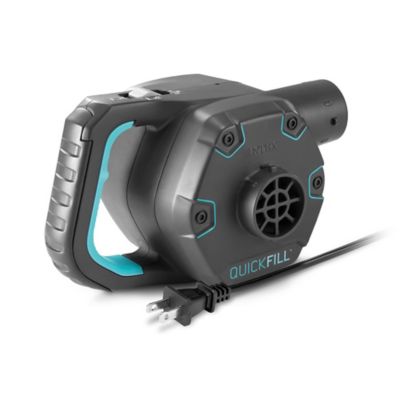
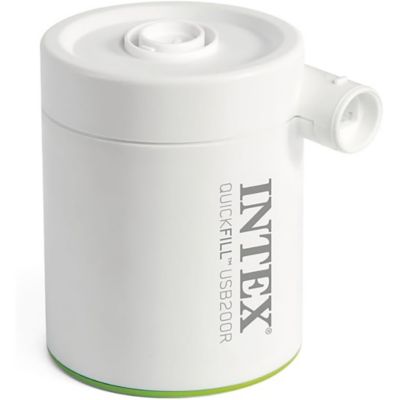
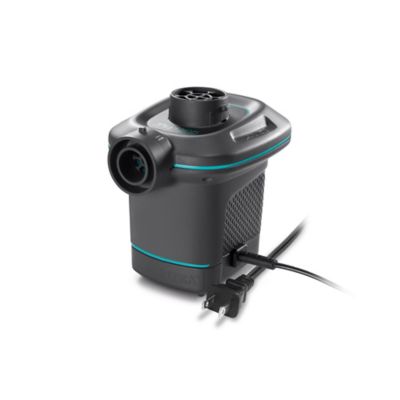
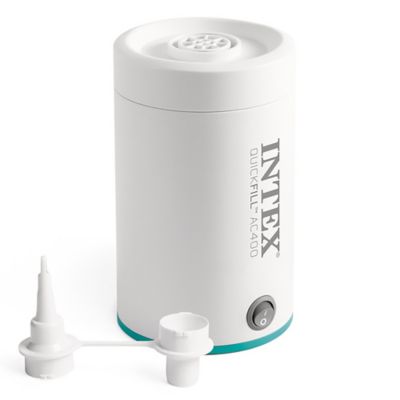
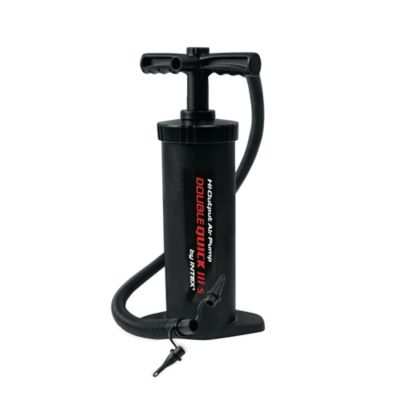
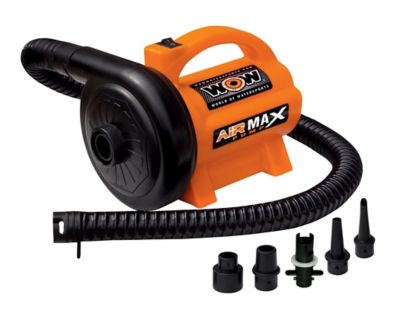
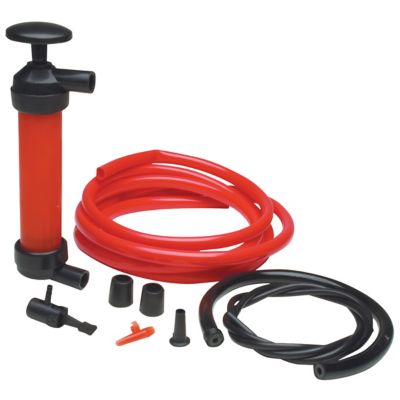
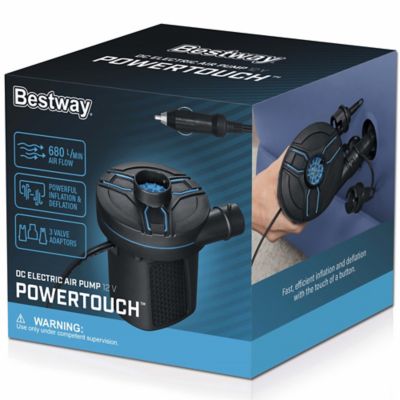
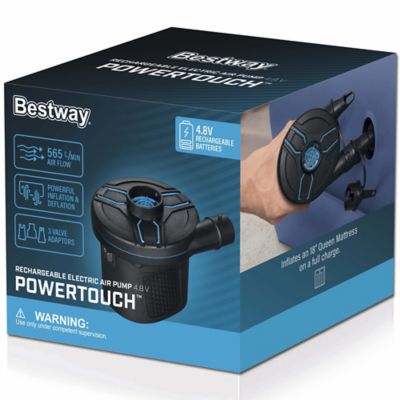
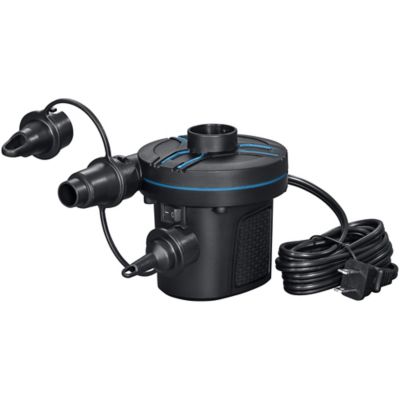
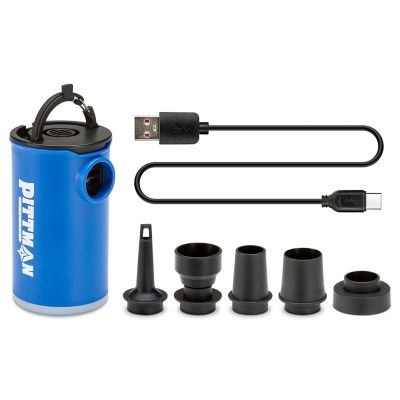
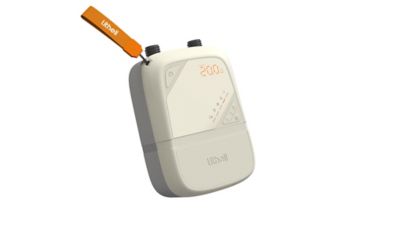
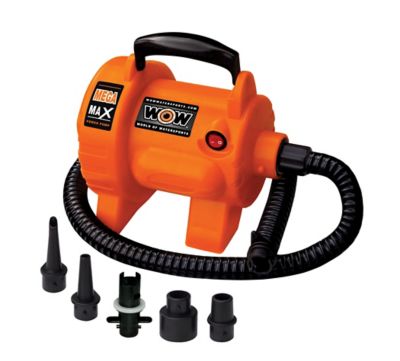
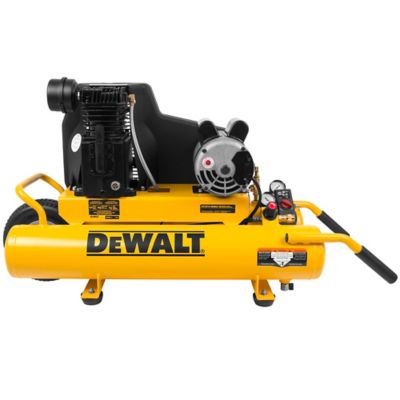
Air pumps earn their place around the house, garage and farm by handling the small jobs that can bring a busy day to a halt. A wheelbarrow tire that needs air, a bicycle waiting by the shed or an inflatable mattress for overnight guests can each call for a different kind of pump. The best fit comes down to what needs filling, how much pressure it takes and where the work happens. Hand pumps and foot pumps offer straightforward operation without an outlet or battery, making them practical companions for a bicycle ride or a tool kit that travels between buildings. A stable base, comfortable handle and hose with enough reach can make these manual options easier to manage, especially when a valve sits close to spokes or a wheel frame. Electric air pumps take much of the physical effort out of inflation, though their capabilities vary considerably. Some move a large amount of air at relatively low pressure for inflatable furnishings and recreational equipment, while tire inflators are built to reach the higher pressures required by compatible tires. A high maximum pressure rating does not automatically mean a pump will fill a large inflatable quickly; airflow and pressure describe different parts of the job. Power source matters, too. A corded pump makes sense near a suitable outlet, a vehicle-powered inflator can travel with a truck, and a battery-powered option offers more freedom away from a cord. Cord length, battery runtime and the power connection all deserve a look before choosing a setup for the driveway or an outbuilding. For frequent chores, a comfortable grip, protected controls and a housing that stands up to ordinary bumps help make the pump easier to live with. Metal barrels, molded housings and reinforced bases each serve different purposes, so construction is worth considering alongside weight and portability. A compact pump may tuck neatly into a storage compartment, while a larger unit may be a better match for repeated inflation tasks.
Valve fit is just as important as power, since a pump needs a secure connection to move air where it belongs. Bicycle tubes may have different valve styles, and inflatable beds, toys and recreational gear often require their own nozzle shapes. Adapters can broaden a pump’s usefulness, but the connection still needs to match the valve without forcing threads or stretching an opening. A snug connection limits escaping air and helps keep the hose from slipping loose halfway through the job. Hose length can also make a noticeable difference when reaching a trailer tire, working around a wheelbarrow frame or keeping the pump on level ground instead of hanging it from the valve. Compatible
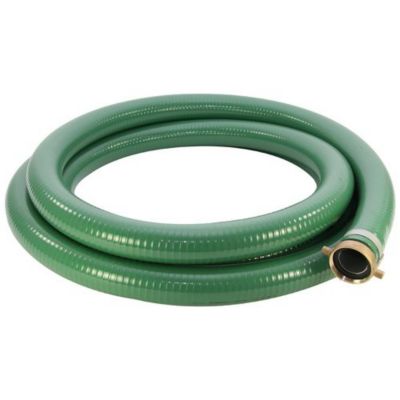
Air Pump Hoses can help round out a setup, with attention to connector type, pressure rating and the fittings required by the pump. A longer hose offers reach, while a shorter one can be easier to pack and keep clear of moving parts. For tires, a readable pressure gauge helps with checking the inflation level against the vehicle or equipment manufacturer’s recommendation; the maximum pressure marked on a tire is not automatically the right operating target. Automatic shutoff, where included, can simplify the task, but the target setting still needs to suit the tire or inflatable. Air mattresses and other low-pressure inflatables need particular care because a pump intended for higher-pressure work can damage them if the connection or operating method is unsuitable. Pump runtime deserves attention as well. Many portable inflators require rest periods, and a duty-cycle rating helps explain how long a unit can run before it needs a break. Keeping vents clear and following the manufacturer’s operating limits helps reduce strain on the motor. Routine care is usually simple: keep fittings free of grit, check hoses for cracks or worn spots, protect cords from pinching and put loose adapters somewhere they will not disappear into the bottom of a toolbox. A pump can restore pressure, but a tire that repeatedly loses air still needs its leak addressed.
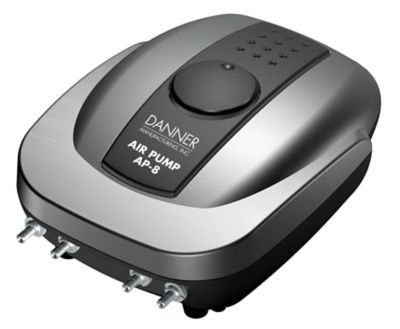
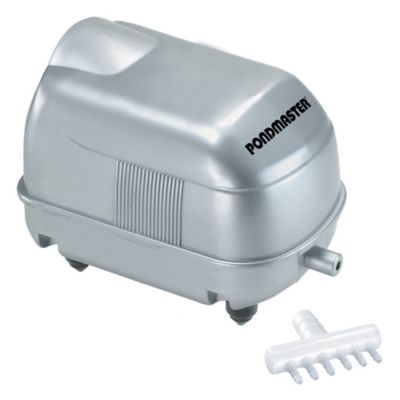
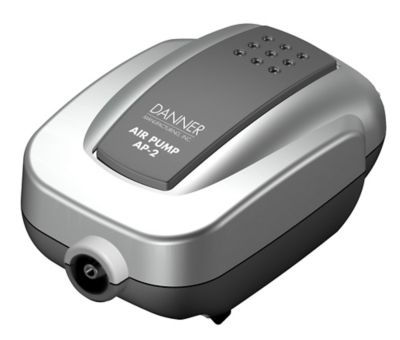
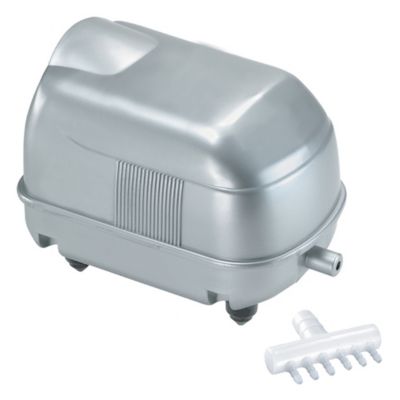
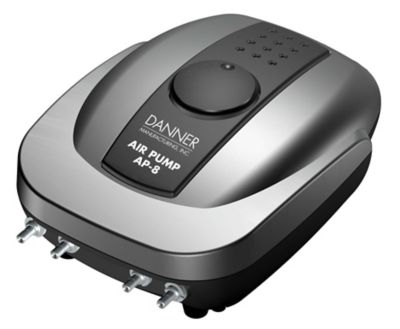
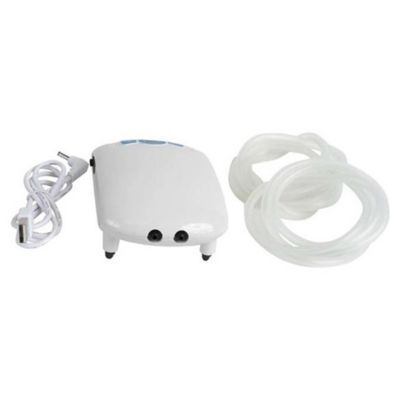
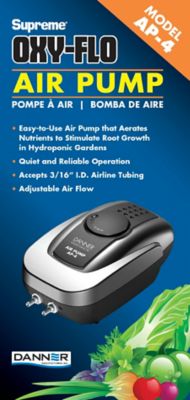
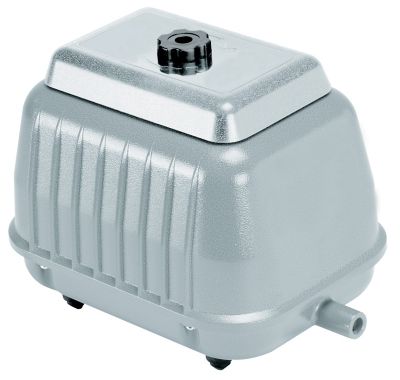
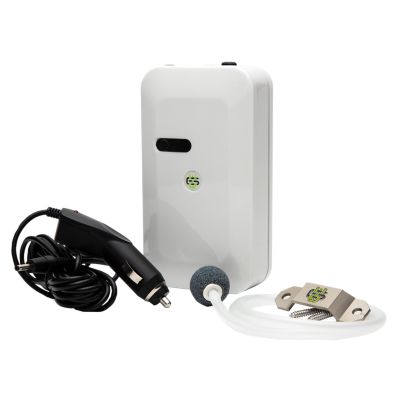
Air pumps also have a role beyond filling tires and inflatables. In aquariums and suitable pond setups, an air pump sends air through tubing to diffusers or air stones, creating bubbles and water movement that support gas exchange. That is a different job from inflation, with its own requirements for airflow, operating time and protection around water. An aquarium air pump is not a substitute for a tire inflator, and an inflation pump is not meant to run an aeration system. For aquatic applications, tank size, water depth, tubing length and the number of outlets all influence the right match. Deeper water creates more resistance, so a pump’s performance at the intended depth matters more than a general airflow figure by itself. Some setups need gentle movement, while others require enough output to serve multiple diffusers. Aeration supports the system, but it does not replace appropriate filtration, cleaning or attention to water conditions. A pump designed for continuous operation is important for applications that need ongoing airflow, and sound level matters when equipment sits in a living area or near a regularly occupied workspace. Indoor and outdoor suitability should come from the equipment’s rating, not simply from where there is room to set it. Placement, electrical protection and any required check valve also need to follow the manufacturer’s directions. Across inflation and aeration tasks alike, thoughtful storage helps keep equipment ready for its next job. Hoses are easier to handle when coiled without sharp bends, connections stay cleaner when protected from dirt, and rechargeable batteries benefit from care that follows their charging and storage instructions. For a cyclist, a handy neighbor or someone responsible for equipment around the property, an air pump can make a practical gift when its valve compatibility and power needs match the work. Whether it stays beside the workbench, rides in the truck or supports an aquatic setup, its value comes from being suited to the task and easy to operate when needed.