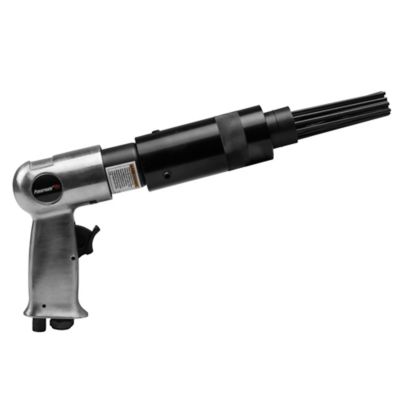
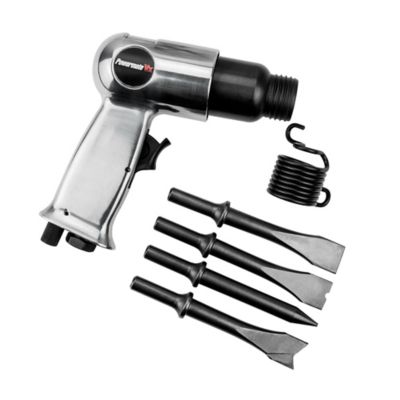
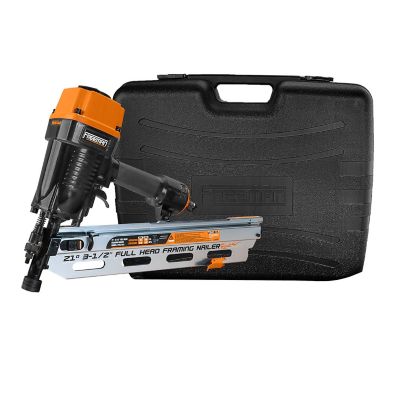
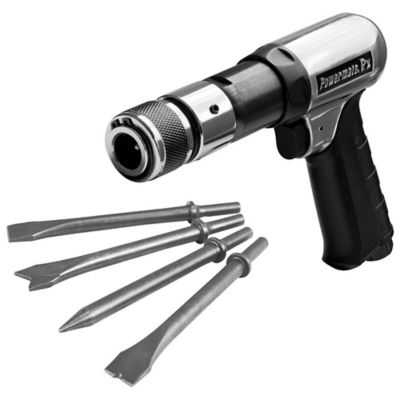
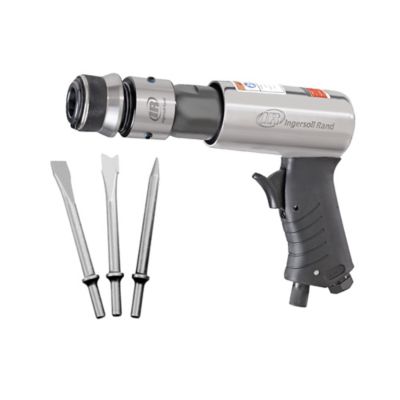
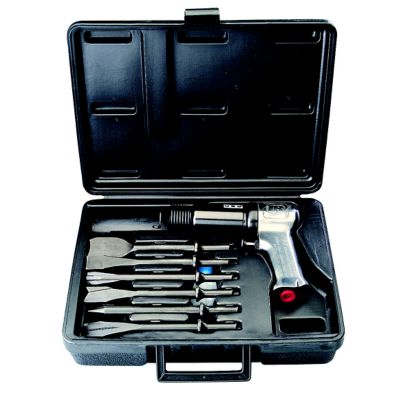
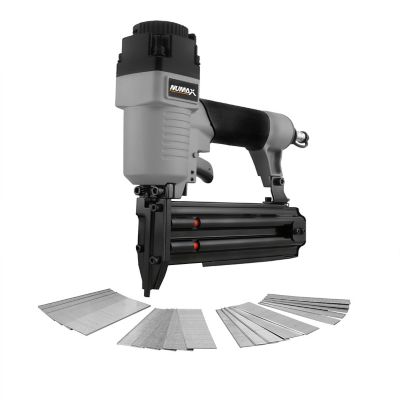
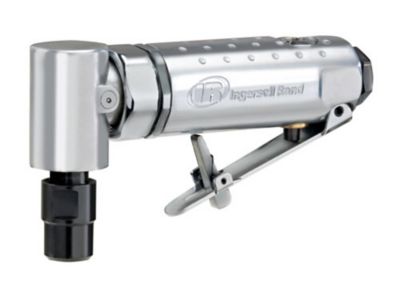
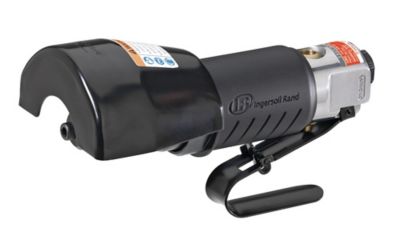
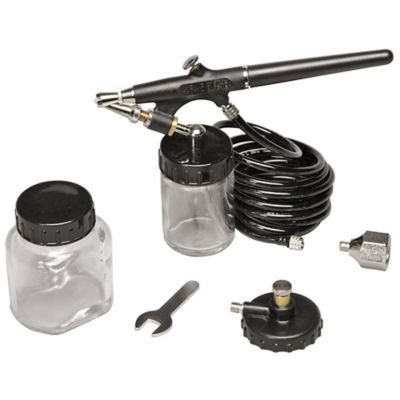
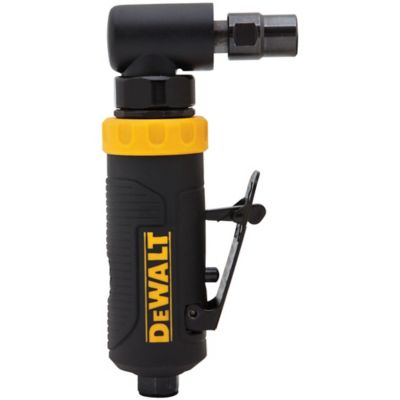
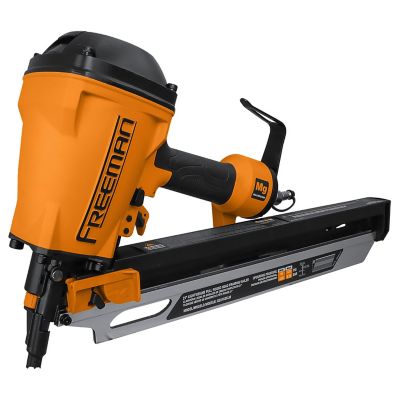
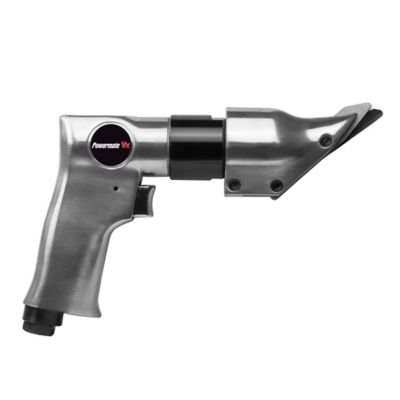
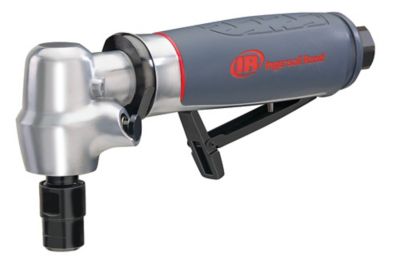
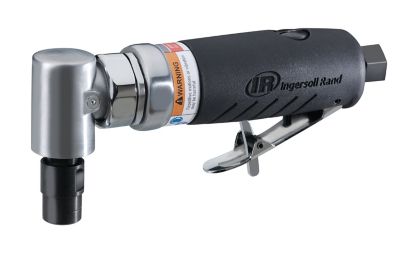
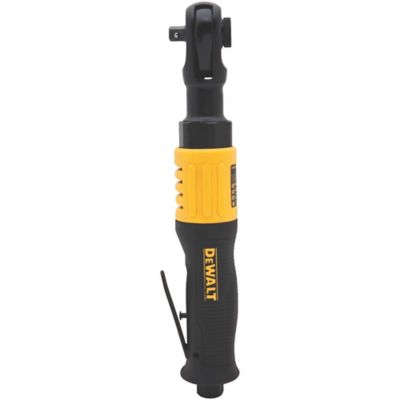
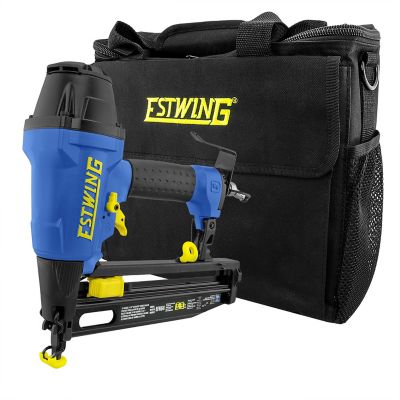
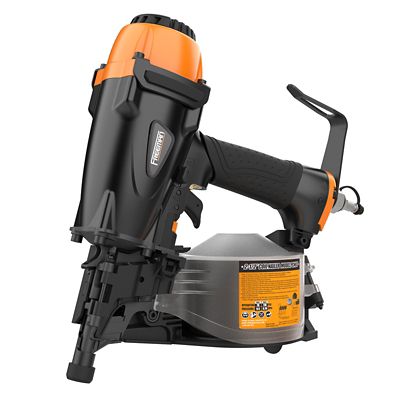
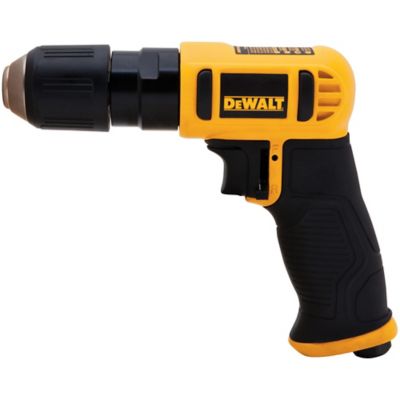
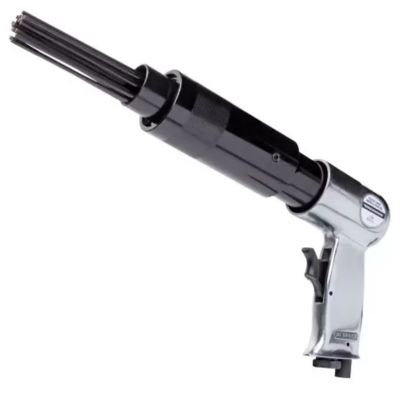
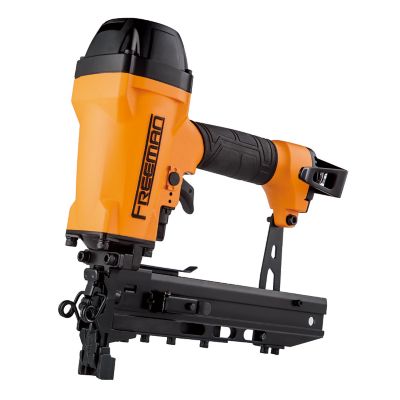
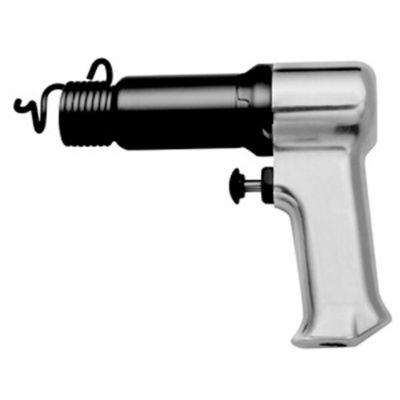
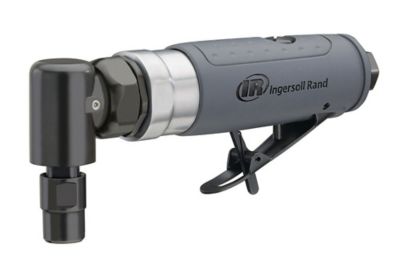
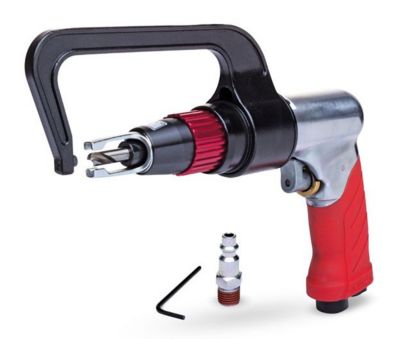
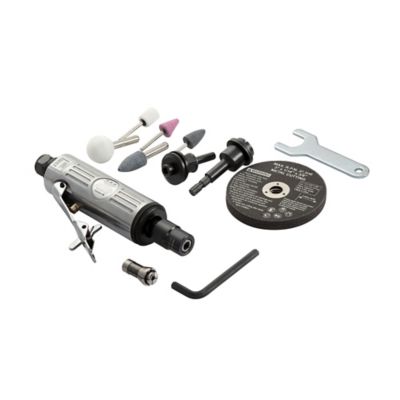
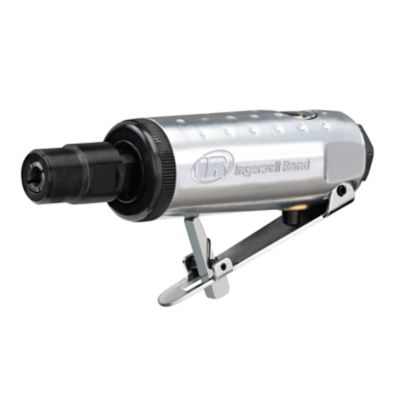
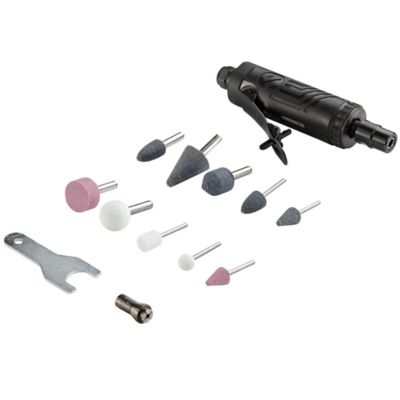
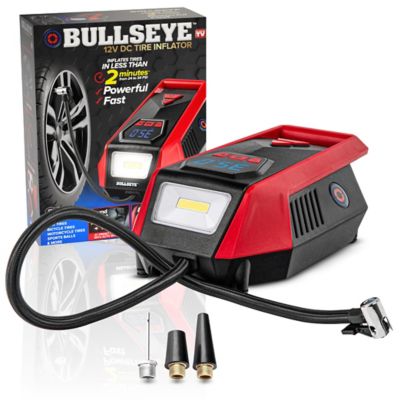
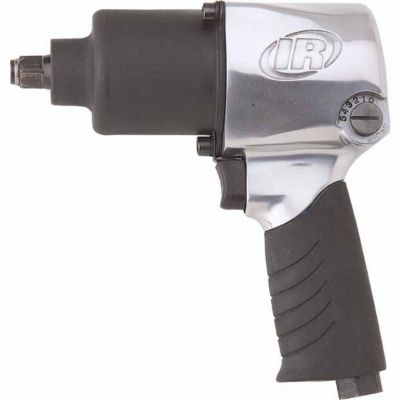
Air tools, also called pneumatic tools, run on compressed air supplied by an air compressor through a hose. They turn that airflow into the twisting, striking, sanding or fastening action needed for work around the shop, garage and farm. For someone maintaining equipment, fixing a trailer or building shop cabinets, the appeal is straightforward: the right tool can take much of the repetition and muscle out of a job. An air impact wrench delivers bursts of rotational force to loosen stubborn nuts and bolts, while an air ratchet helps run fasteners in and out where there’s little room to swing a handle. Their jobs overlap, but they aren’t interchangeable; working torque, tool dimensions and access to the fastener all matter. Air hammers provide repeated blows for tasks such as separating parts, removing rivets or chipping material with the appropriate attachment. Die grinders handle localized grinding and surface preparation, while air sanders cover broader surfaces on metal or wood. Pneumatic nailers and staplers bring steady fastening to woodworking and construction projects, with each tool built around particular fastener sizes and materials. A framing nailer, for example, serves a different purpose from a finish nailer intended for trim. Many air tools put substantial working power into a compact body without carrying a battery or an electric motor, though weight and handling vary by tool. That can be handy during repeated fastening or when reaching around an equipment frame. The hose remains part of the setup, so bench space, access around machinery and distance from the compressor all shape how comfortably the tools fit into the workday. Mechanics, woodworkers, maintenance crews and folks tending their own acreage may reach for different pneumatic tools, but the common goal is getting a particular job done with less wrestling and more control.
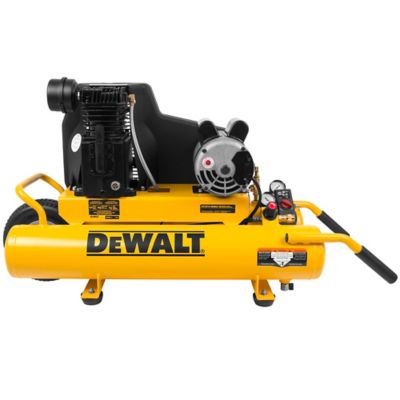
A good air tool setup starts with matching the tool’s air demand to the compressor’s output. Air pressure, measured in pounds per square inch, or PSI, and airflow, measured in cubic feet per minute, or CFM, describe different parts of that match. The compressor needs to deliver the required airflow at the tool’s specified operating pressure; a high pressure rating by itself doesn’t tell the whole story. Tank capacity provides stored air, but it doesn’t replace the compressor’s ability to keep up. An impact wrench working in short bursts places a different demand on the system than a sander or grinder running for longer stretches. Published air-consumption figures may also reflect a particular duty cycle, so the manufacturer’s specifications deserve a close look, especially when several tools share one compressor. Hose diameter, hose length, fittings and couplers affect airflow between the tank and the tool. A long, narrow hose or restrictive connection can leave a capable wrench feeling weak at the working end. Connection fit matters, too: matching thread sizes doesn’t necessarily mean two quick-connect coupling profiles fit together. Beyond the air supply, the tool’s working end needs to match the job. Square-drive size determines socket compatibility, and impact wrenches call for impact-rated sockets and accessories rather than ordinary hand-tool sockets. Final tightening on lug nuts and other torque-sensitive fasteners belongs to a torque wrench set to the equipment manufacturer’s specification. Grinding accessories need the correct shank or arbor fit and a speed rating suitable for the tool. For nailers and staplers, fastener gauge, length and collation style must match the tool’s requirements. Materials and handling deserve attention alongside those specifications. Metal housings, composite bodies, grip shapes and protective bumpers each influence weight, balance and comfort. A shorter tool body can help near a frame rail, while an extended reach may suit recessed fasteners. Trigger control, exhaust direction and room for gloved hands also become noticeable during a long repair, particularly when the tool spends more time overhead or tucked beside an engine than sitting on the bench.
Regular care helps air tools stay ready for the next repair rather than turning a small job into an afternoon at the workbench. Clean compressed air is a big part of that care. Moisture, grit and debris can affect internal parts, so compressor drainage and suitable filtration matter throughout the system. Lubrication requirements vary: some pneumatic tools need the specified air-tool oil at stated intervals, while others have different maintenance needs. The tool’s manual is the right reference for oil type, service points and any lubrication restrictions. Air intended for spray finishing also needs suitable filtration and separation from oil-lubricated tool lines to help prevent finish contamination. On the outside, clean housings and clear exhaust openings make routine inspection easier. Cracked hoses, loose fittings and damaged accessories need attention before the tool goes back into service. Protected air inlets and storage away from moisture and grinding dust help keep contamination out between jobs. The same care extends to safe handling. Disconnecting the air supply before changing attachments, clearing a jam or servicing a tool prevents an unexpected trigger pull from becoming an injury. Eye protection, hearing protection and any task-specific face or respiratory protection belong with the work, along with guards specified for the tool and attachment. Compressed air should never be directed at skin or clothing, and a pneumatic tool is not automatically safe around water or flammable materials simply because it doesn’t have an electric motor. A tidy hose route helps keep walkways clear and limits snagging around jack stands, benches and equipment. For shops that tackle a mix of repairs and building projects, air tools can work alongside corded and cordless
power tools, with each earning its place according to access, runtime and the task at hand. A well-matched pneumatic setup brings together the tool, compressor, hose and attachments as one working system, whether the next job is freeing a seized bolt, preparing a bracket for finishing or fastening the pieces of a new shop fixture.