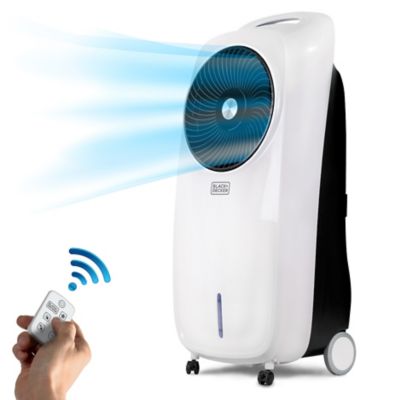
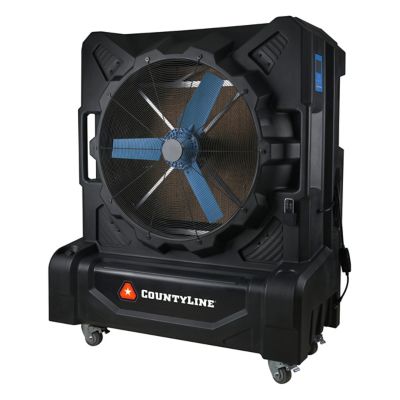
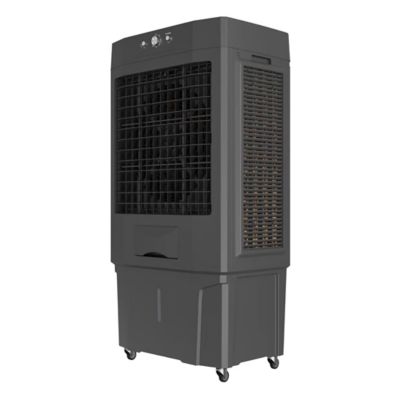
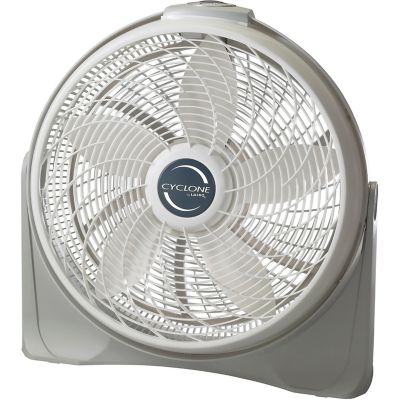
Air conditioning alternatives offer several ways to make a room, workshop or covered outdoor space feel more comfortable, but they do not all cool in the same way. Electric fans move air across the skin, helping sweat evaporate without lowering the room’s temperature. Evaporative coolers draw warm air through wet pads and can lower the temperature of that air, with the strongest results in dry climates. Ventilation fans help carry indoor heat outside when there is a suitable path for replacement air. The right choice depends on humidity, the size and layout of the space, and whether the goal is a breeze at a workbench or airflow across a larger area. Around the house, a compact fan can keep air moving beside a favorite chair, while a taller floor fan can send a breeze across a seating area without taking up table space. Out in the garage, a larger air circulator may be a better match for an open work area where people move between benches and equipment. Oscillation spreads airflow from side to side, while a tilting head directs it toward a particular spot. Multiple speed settings allow a gentler breeze during quiet time and stronger movement during active chores. Fans generally draw less electricity than compressor-based cooling equipment, though actual consumption varies by motor, speed and operating time. Their main benefit is personal comfort, so running one in an empty room usually adds little unless it serves a ventilation purpose. For homes that need actual temperature reduction and moisture removal,
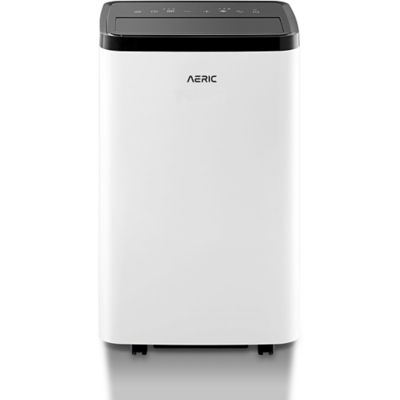
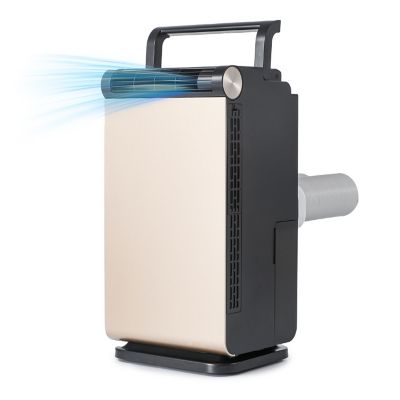
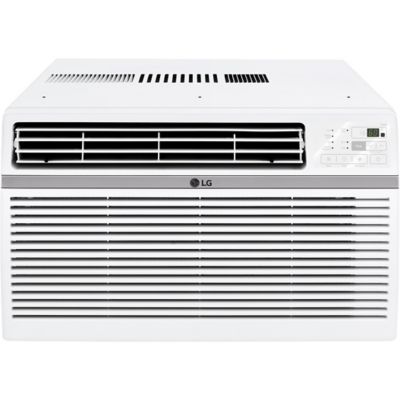
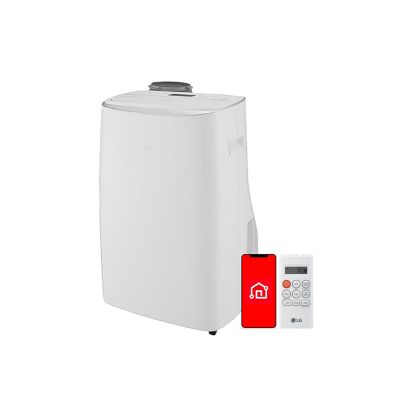
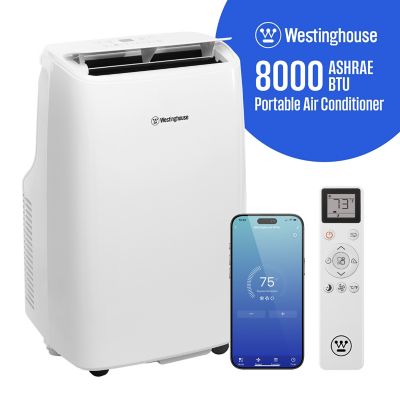
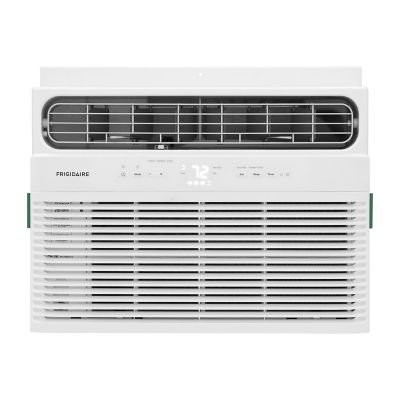
Indoor Air Conditioners provide another category to consider. Ductless mini-splits also provide compressor-based cooling without ductwork; they are alternatives to a traditional central system, not alternatives to air conditioning itself. Keeping those differences in mind helps match cooling equipment to the job rather than expecting every fan or water-fed cooler to perform like a refrigerated system.
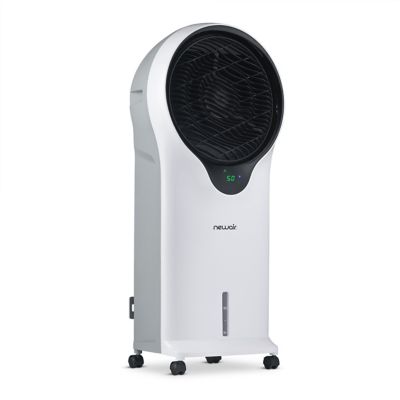
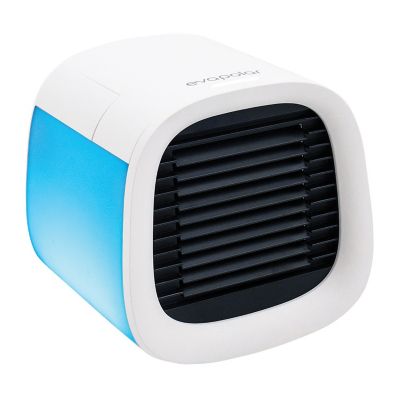
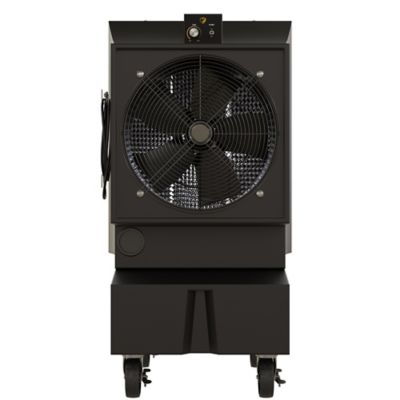
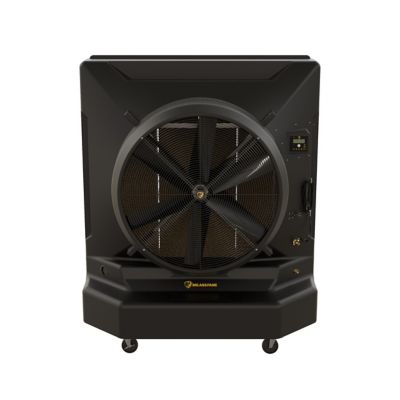
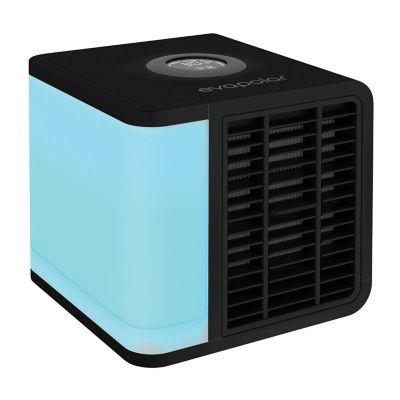
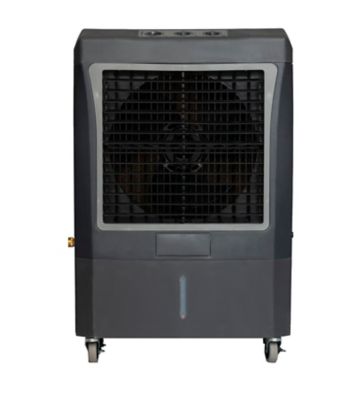
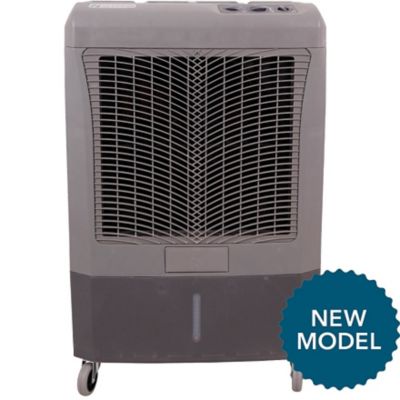
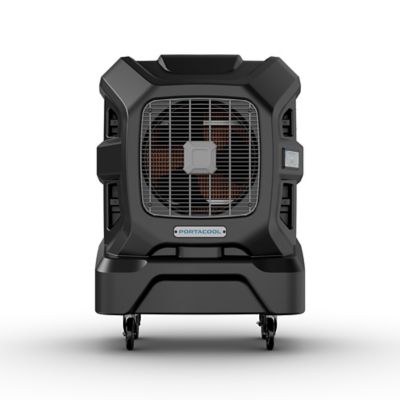
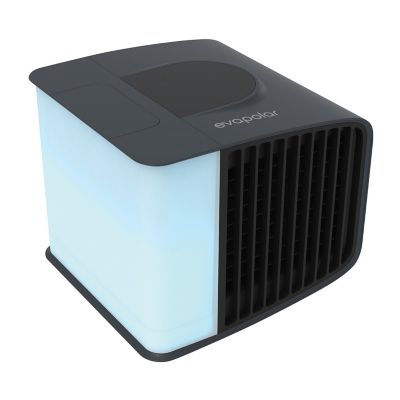
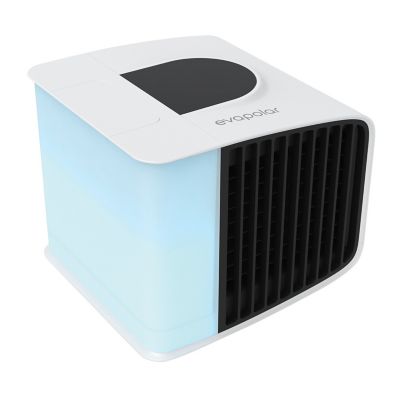
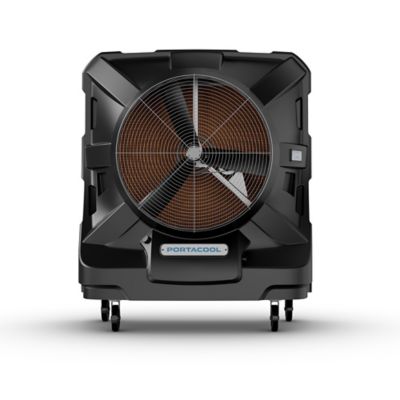
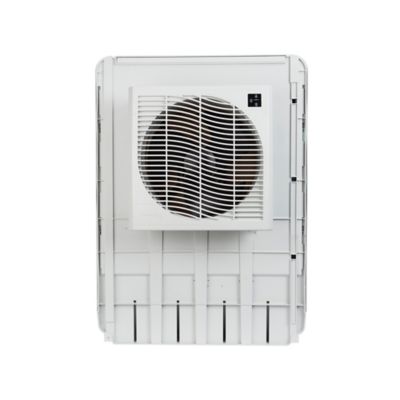
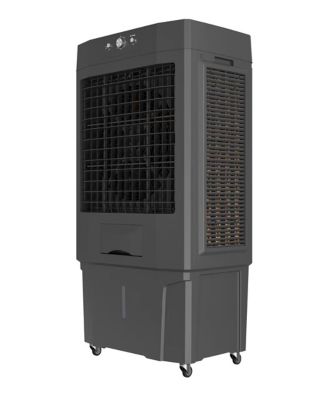
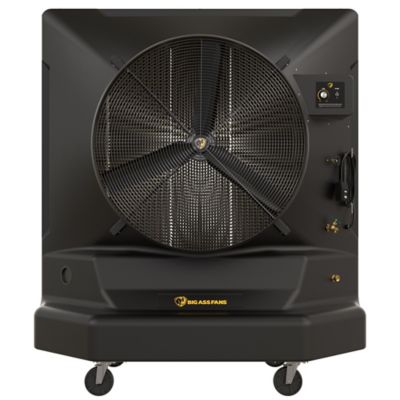
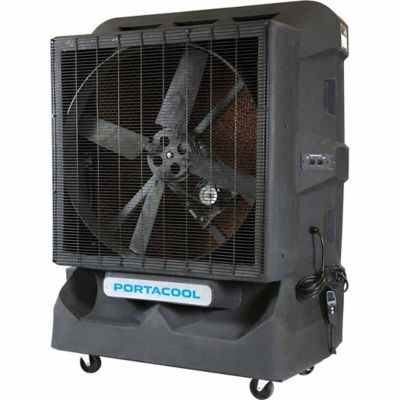
Evaporative air coolers are especially suited to places where the air is hot and dry, such as an open garage or a sheltered work area in an arid climate. As water evaporates from the cooling pads, it absorbs heat and adds moisture to the passing air. That moisture is part of the cooling process, which explains why these units need ventilation and why performance drops as humidity rises. In a muggy enclosed room, adding more moisture can leave the space feeling clammy instead of comfortable. A steady supply of fresh air and an exit for humid air help an evaporative cooler do its job. Placement matters, too: someone sorting hardware at a bench may benefit most from a cooler aimed toward that work zone rather than across an empty section of the building. Airflow ratings, often listed in cubic feet per minute, describe how much air equipment moves, but that number alone does not establish how much cooling a person will feel. Ceiling height, open doors, direct sunlight and heat from equipment all affect the result. Coverage estimates are most helpful when considered alongside the conditions behind them. Water tank capacity influences how often refilling is necessary, while a compatible continuous water connection can reduce refill trips where the manufacturer permits that setup. Water-level indicators, drain access and accessible pads also matter for routine upkeep. Wheels and handles can make a larger unit easier to move between suitable locations, although a full water tank adds weight and may need draining before transport. Equipment intended for a sheltered indoor area should not be treated as weatherproof simply because it sits near a garage door. Patios, porches and other exposed locations call for equipment specifically rated for the conditions it will encounter. For livestock areas, cooling and ventilation need to fit the animals, building and moisture levels; a household fan or portable cooler does not replace a properly planned barn ventilation system.
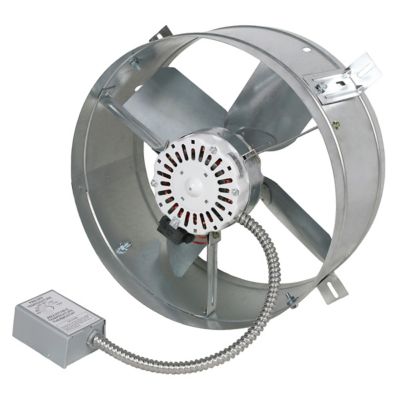
Construction, footprint and everyday upkeep help determine whether an air conditioning alternative fits into the way a space works. Metal fan housings and guards can suit busy utility areas, while lighter molded housings make some portable units easier to carry from room to room. Neither material tells the whole story: a stable base, protected moving parts, secure adjustment points and a motor suited to the operating environment matter just as much. A narrow footprint may fit neatly beside a desk, but it still needs room for unobstructed intake and discharge. In a workshop, the best spot is out of walking paths, away from loose materials that could blow into the guard, and clear of sawdust buildup. Ordinary household fans are not a substitute for equipment designed for combustible dust or flammable vapors. Wall-mounted fans can free up floor space, provided the mounting surface and hardware meet the manufacturer’s requirements. Cord length and outlet location deserve attention before placement, especially around doors, water sources and areas where children or animals pass through. Sound is another practical consideration. Strong airflow that feels welcome over the clatter of a garage may be distracting beside a bed or during a phone call. Fan speed, blade design, vibration and the room itself all influence what reaches the ear. For everyday care, disconnect power before cleaning and follow the equipment instructions for removing dust from guards, blades and intake openings. Evaporative coolers also need attention to the tank, pads and water distribution system; standing water and mineral deposits can interfere with performance and lead to odors. Draining and drying water-bearing parts before extended storage helps keep them ready for the next stretch of warm weather. Even during cooler months, afternoon sun or working machinery can leave an enclosed space stuffy, making adjustable airflow useful beyond the hottest part of the year. Fans and evaporative coolers can support comfort, but they are not a dependable safeguard against dangerous indoor heat. Older adults, young children and anyone especially sensitive to heat may need an air-conditioned space when temperatures climb. For ordinary days, equipment matched to the room, climate and routine can make time spent folding laundry, tending plants or finishing chores a good deal more pleasant.