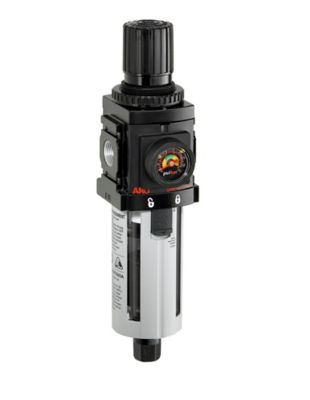
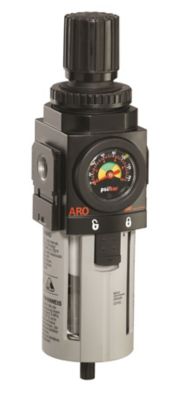
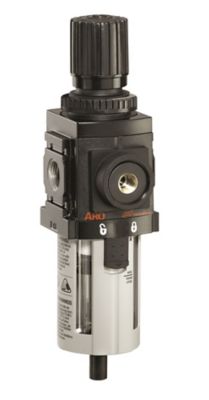
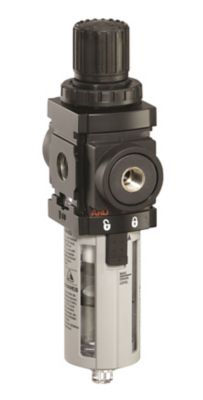
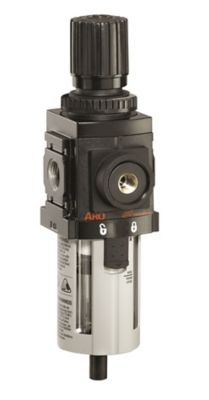
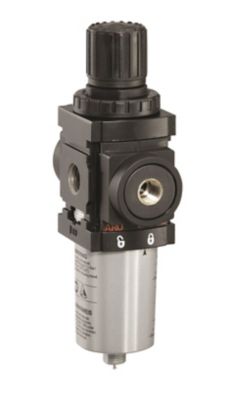
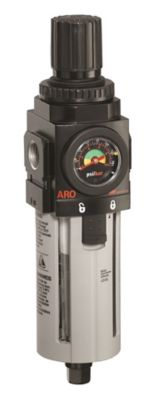
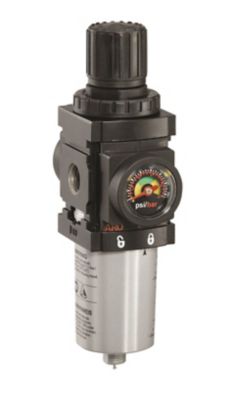
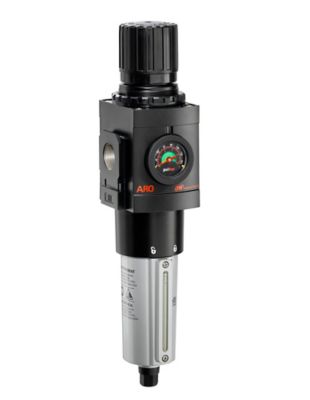
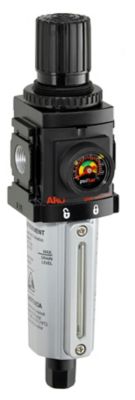
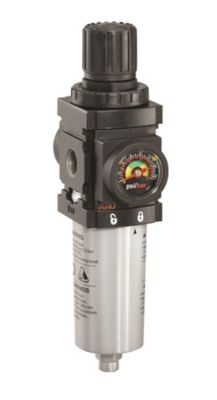
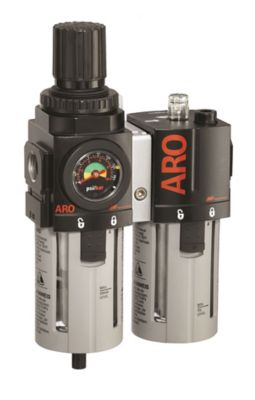
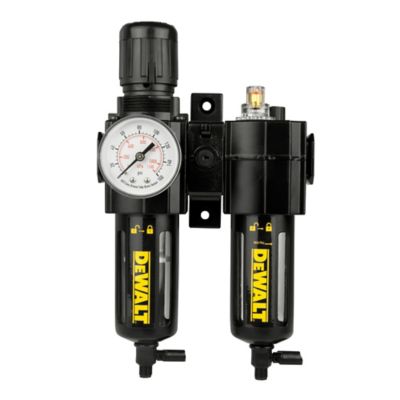
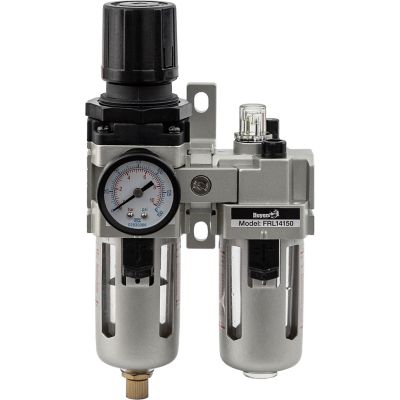
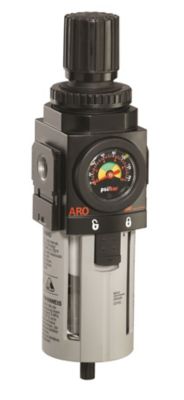
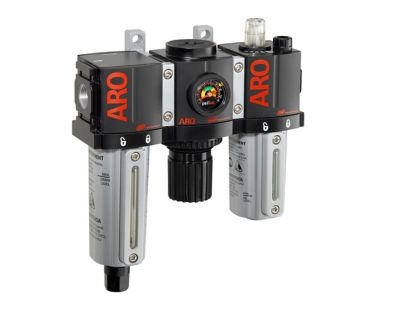
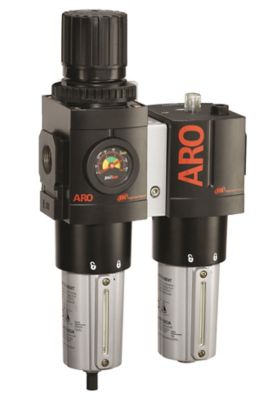
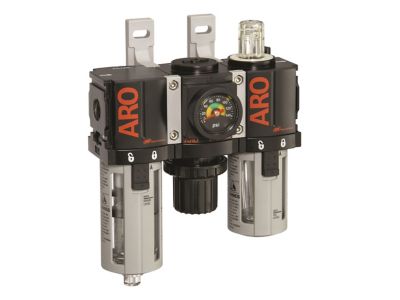
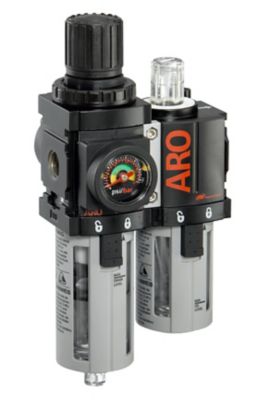
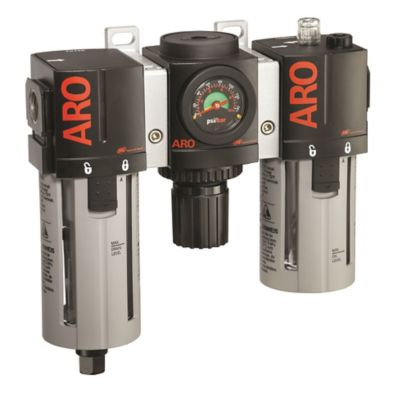
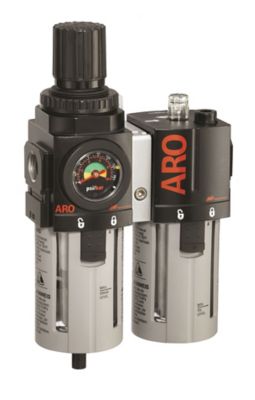
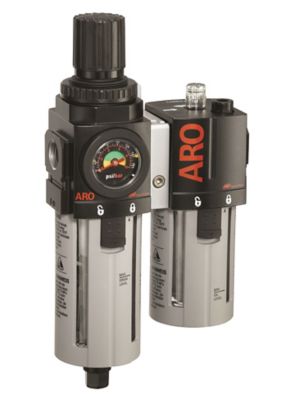
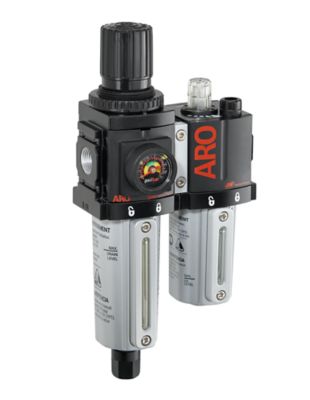
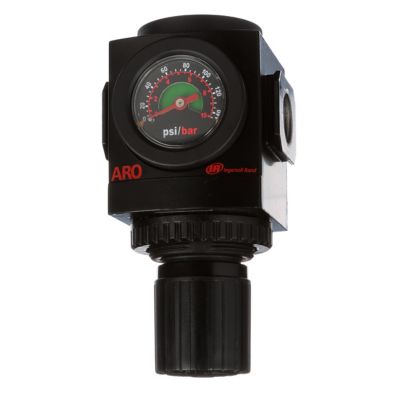
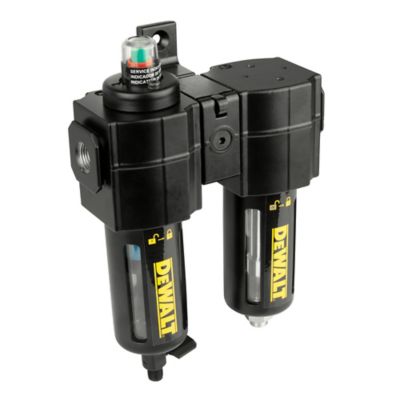
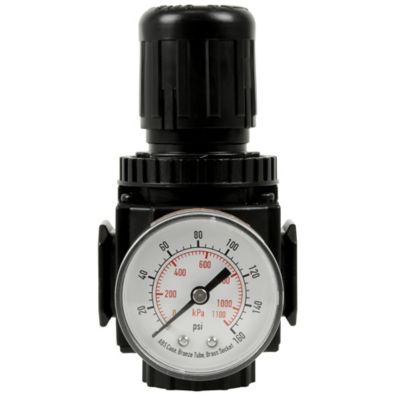
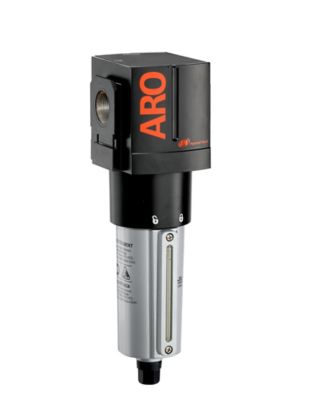
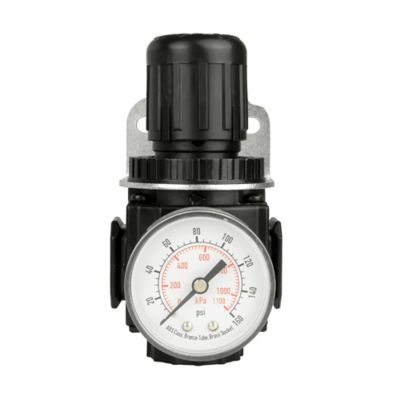
Air compressor filter regulators help make compressed air cleaner, steadier and easier to use around the shop, garage, barn or jobsite. Often called piggyback units because the filter and regulator are joined together, these assemblies combine two important jobs in one compact setup. The filter catches moisture, oil carryover, rust particles, dust and other debris before they reach an air tool or spray system. The regulator then lowers the pressure coming from the compressor tank and keeps the output at a controlled, consistent level. That matters whether you are airing up a tractor tire, blowing sawdust from a workbench, running an impact wrench, using a brad nailer or applying finish with a spray gun. Clean, regulated air can help tools perform more smoothly and can reduce the chance of water spots, clogged passages or uneven results. In a busy farm shop, a filter regulator may be installed near a wall-mounted air line, at the end of a hose reel or close to a frequently used tool. In a home workshop, it can be a simple way to get more dependable performance from a portable compressor. These units are useful for farmers, mechanics, woodworkers, builders, maintenance crews and do-it-yourselfers who want better control over the air coming out of their compressor. They can also make a practical gift for someone setting up a first workshop, restoring equipment in a barn or adding air tools to a garage. For related replacement and maintenance needs, browse
Filter For Air Compressors to help keep a compressed-air system working cleanly.
Choosing the right air compressor filter regulator starts with matching the unit to the compressor, air line and tool. Check the compressor’s maximum working pressure and select a filter regulator with a pressure rating that meets or exceeds that output. Many shop units are built for compressor systems in the general 145 to 175 PSI range, but the rating can vary, so the specifications should always be checked before installation. Port size is another key detail. Common National Pipe Thread sizes include 1/4 inch, 3/8 inch and 1/2 inch, and the inlet and outlet must work with the fittings, pipe or hose used in the system. An adapter may help with a mismatch, but keeping the connections properly sized can support good airflow and help prevent unnecessary restrictions. Flow capacity matters, too. A small unit may be a good fit for a nailer, blow gun or light-duty inflator, while a high-demand impact tool, die grinder or spray setup may need a larger body and greater air volume. Filter ratings are commonly described in microns. A smaller micron rating can capture finer particles, while a more open element may provide higher airflow for less demanding filtration. Consider the kind of contamination in the work area, as a dusty woodshop, muddy equipment shed and clean finishing area may place different demands on the filter. The regulator should have an easy-to-read pressure gauge and a control knob that can be adjusted without a struggle, especially when working with gloves. For safety and repeatable results, set pressure while air is flowing through the tool or system, since a static reading may not show the same pressure under load.
Moisture management is one of the biggest reasons to add a filter regulator to a compressed-air setup. Air naturally holds water vapor, and that vapor can condense as it cools inside the tank, hose and piping. Water may collect in the filter bowl, particularly during humid conditions or extended compressor use. A drain at the bottom of the bowl allows that moisture to be emptied before it moves farther down the air line. Manual drains require someone to open them, while semi-automatic drains may release collected water when pressure drops. Automatic float-style drains can discharge water with less hands-on attention, which may be useful on a frequently used or harder-to-reach line. Even with an automatic drain, it is smart to inspect the bowl and drain area from time to time. Look for cracks, cloudiness, oil buildup or other signs that a component needs attention, and replace damaged bowls or seals before putting the system back to work. Installation is typically placed downstream from the compressor and after an air tank or primary moisture separator, with the airflow arrow pointed in the correct direction. Use the proper pipe sealant on threaded connections where appropriate, avoid overtightening, and mount the unit securely so the fittings are not carrying the weight of the assembly. During the cooler months, temperature swings can encourage condensation in an unheated shop, while changing weather and long work sessions can add moisture to the air system. Draining the compressor tank, checking the filter bowl and keeping the regulator adjusted to the tool’s recommended pressure are simple habits that help protect equipment throughout the year. With the right port size, pressure rating, filtration level, drain style and airflow capacity, an air compressor filter regulator can bring cleaner air and steadier pressure to everyday work, from quick repairs beside the barn to detailed projects at the workbench.