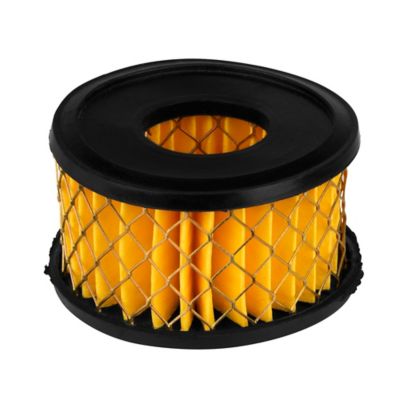
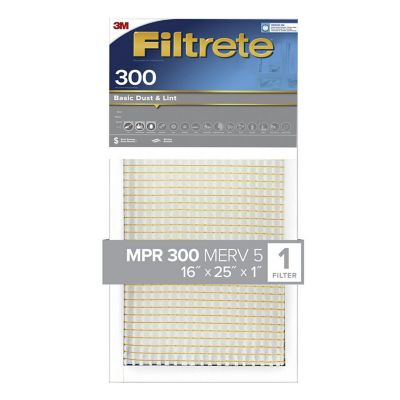
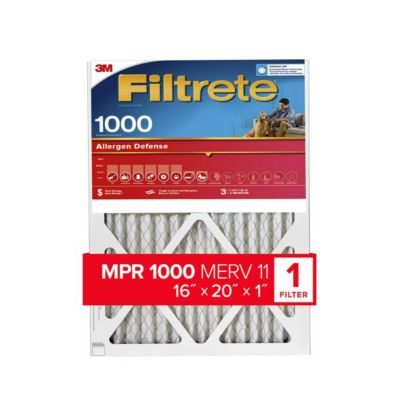
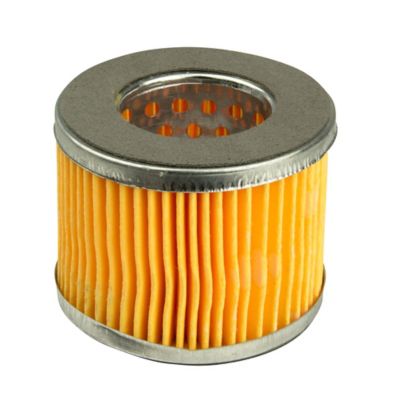
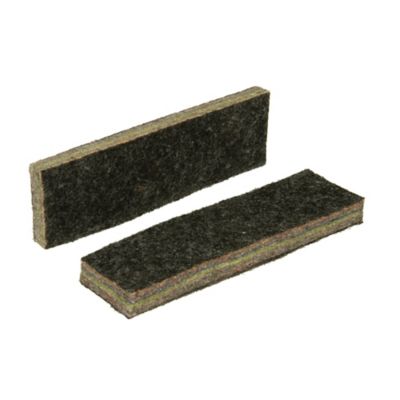
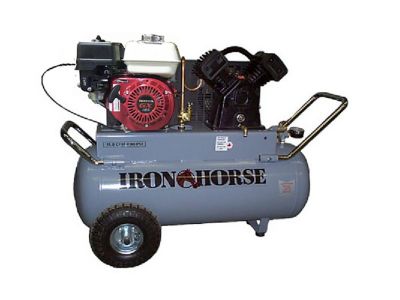
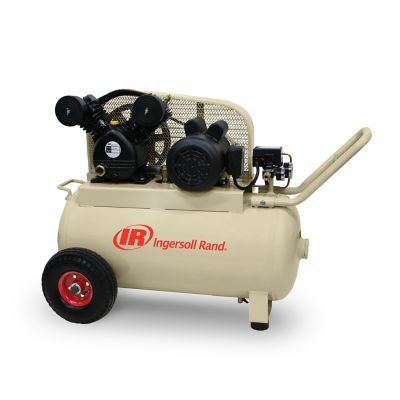
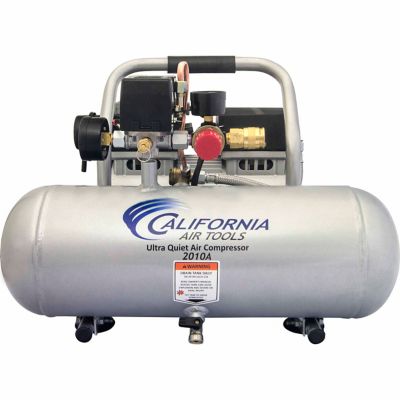
A filter for an air compressor helps keep unwanted material out of the pump or the compressed air headed to your tools, depending on where it sits in the system. That distinction matters in a farm shop, garage, or equipment shed, where airborne dust and moisture in an air line can create different problems. An intake filter sits at the compressor’s air inlet and catches dust and debris before they enter the pump. An in-line air compressor filter works farther downstream, removing certain contaminants from compressed air before it reaches a hose, tool, or other equipment. Neither type takes the place of the other. Picture a shop where an impact wrench handles tractor wheel repairs and a blow gun clears shavings from a workbench: the compressor needs protection at its inlet, while the tools benefit from air treatment matched to their requirements. Intake filter elements may contain pleated paper, foam, or other media, with the housing and element shape built around a particular compressor design. A replacement needs to match more than its general appearance. Element dimensions, mounting style, sealing surfaces, and the compressor manufacturer’s specifications all affect whether air travels through the filter instead of slipping around it. A snug, properly seated element helps keep gritty shop dust away from internal pump components. Restricted airflow from a clogged intake element can reduce compressor performance, making routine inspection worthwhile, especially around sawdust or other airborne debris. Some elements permit cleaning according to their instructions; others call for replacement rather than washing or blowing out. There is no single service interval that fits every compressor and workspace. The equipment manual, operating hours, and the amount of dust in the area provide a better basis for upkeep than a blanket schedule. For folks maintaining mowers, tending farm equipment, or working on trucks, the right intake filter is a small part with an important job.
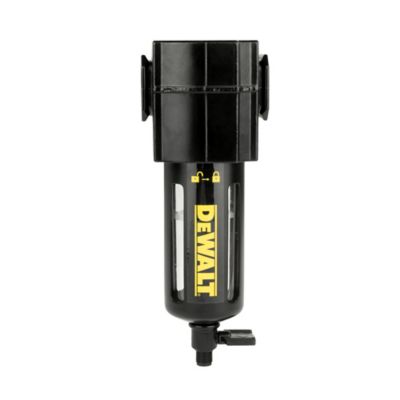
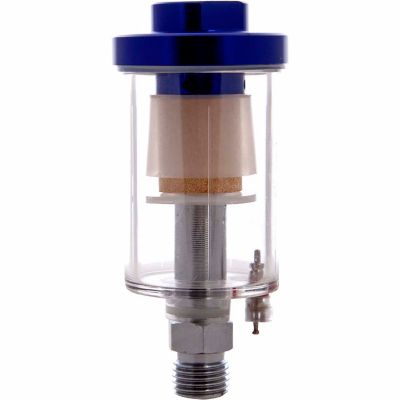
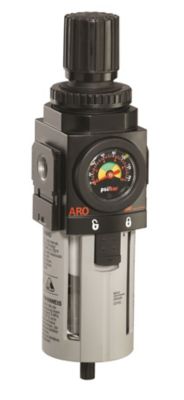
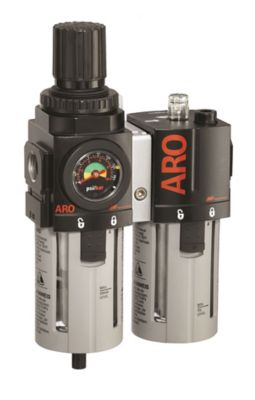
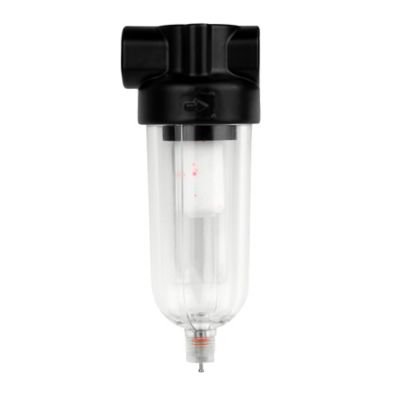
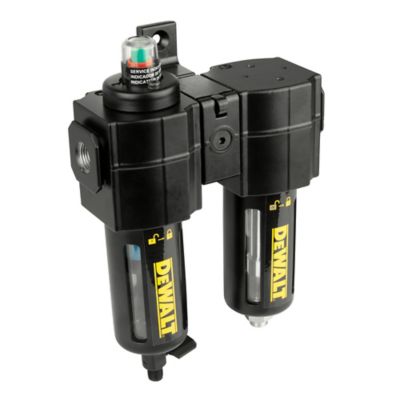
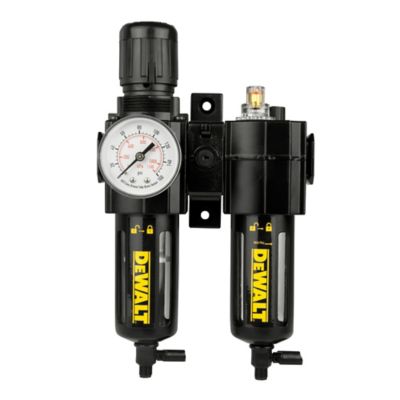
Downstream filtration handles a different mix of concerns. Water separators remove entrained liquid droplets, while particulate filters capture solid contaminants such as pipe scale, rust, and dirt. Many in-line assemblies combine water separation with a particulate element, collecting liquid and debris in a bowl below the filter head. Their performance depends on the design, operating conditions, and airflow, so the filter’s specifications matter more than a general description alone. A micron rating describes the particle size a filter is rated to capture under stated conditions; the stated removal efficiency helps explain how much of that material it can capture. A smaller micron number does not automatically make a filter the best match for every job. Finer filtration can add airflow resistance, and excessive restriction can leave an air-hungry tool short of pressure while it runs. Coalescing filters serve another purpose by gathering fine liquid aerosols, including oil and water, into larger droplets that can drain away. They do not remove oil vapor or water vapor simply because they have a fine micron rating. Oil vapor may require activated-carbon treatment, and water vapor requires suitable drying equipment when the application calls for drier air. Those differences are especially important for spray finishing, where contamination can spoil a surface after the sanding and preparation are already done. General repair work may call for a different level of treatment than a paint setup, and tool lubrication requirements also vary. A lubricator serving certain pneumatic tools belongs downstream of suitable filtration, on a branch separate from applications that need oil-free air. Filters also do not turn ordinary shop compressed air into breathing air. For everyday shop layouts,
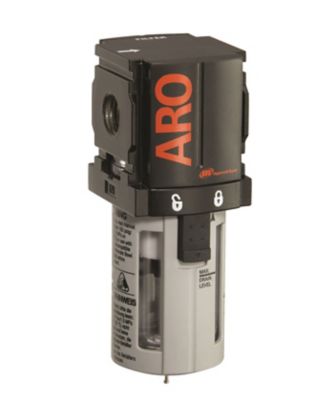
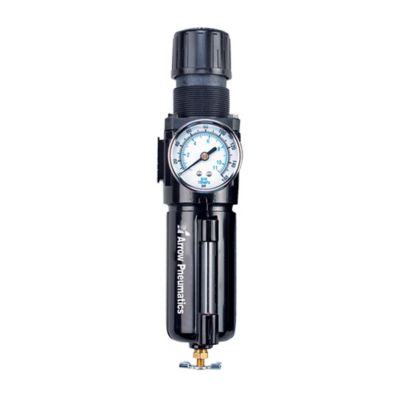
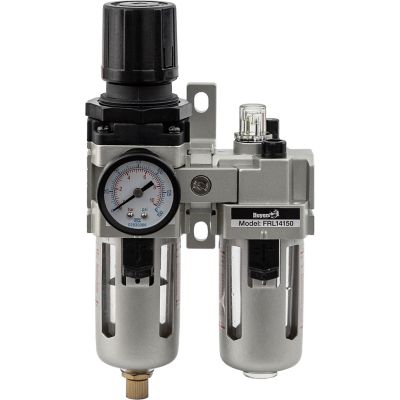
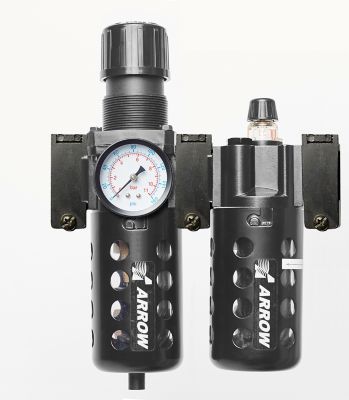
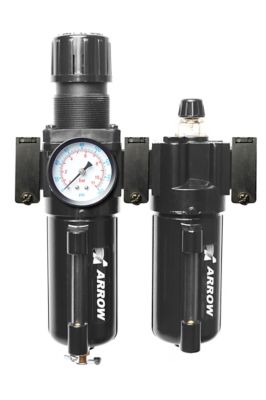
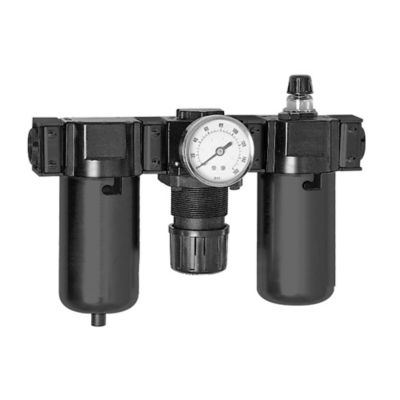
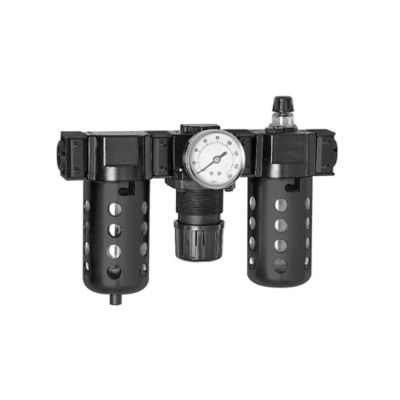
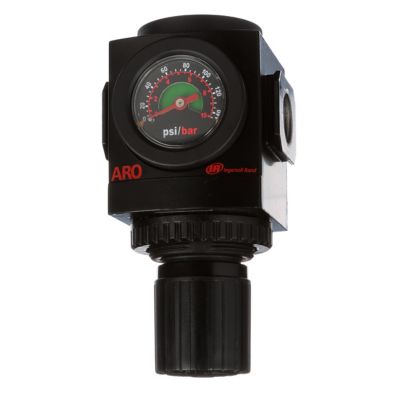
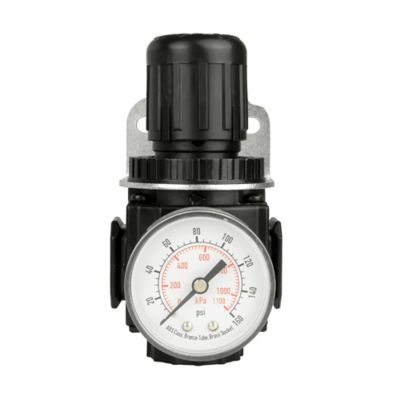
Air Compressor Filter Regulators combine filtration and pressure adjustment in one assembly, helping manage contaminants and working pressure at the point of service. A regulator controls outlet pressure within its operating limits, but it does not increase the compressor’s airflow capacity. Keeping those functions straight makes it easier to match air treatment to the work rather than expecting one component to handle everything.
Fit and construction deserve just as much attention as the filtration rating. For an in-line air compressor filter, connection size, thread type, maximum working pressure, and rated airflow all need to suit the system. Matching thread size alone does not establish that a filter can supply enough air. An impact wrench loosening stubborn fasteners or a sander running through a long pass may draw considerably more air than a brief inflation task. Flow ratings should be compared at the manufacturer’s stated conditions, with room for the demands of the connected equipment. Inlet and outlet markings identify airflow direction, and many bowl-style assemblies require upright mounting so collected liquid can drain as intended. Bowl clearance matters, too: a filter tucked tight against a bench leg can be awkward to drain or service. Metal housings, clear bowls, bowl guards, and seal materials each bring practical considerations. A clear bowl makes collected liquid easier to see, while certain shop chemicals can damage some bowl materials; compatibility and cleaning instructions are worth checking before installation. A manual drain offers straightforward control, while an automatic drain can reduce hands-on draining when its operating requirements suit the setup. Neither arrangement eliminates the need to check for leaks, a sticking drain, or a loaded element. The compressor tank still needs draining according to its manual, since a downstream filter does not remove water already sitting in the tank. Filter bowls and housings must be depressurized before opening, and replacement elements should match the assembly’s specifications. Over time, damaged seals, cracked bowls, and increasing pressure drop can signal a need for attention. For a homeowner keeping a small garage setup running or a farm crew sharing several air tools, accessible placement and straightforward servicing help keep maintenance from becoming a chore. The best match balances contaminant removal, airflow, secure connections, and service needs, giving the compressor and the tools attached to it the protection their work calls for.