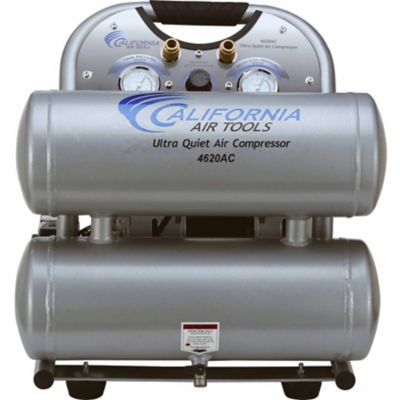
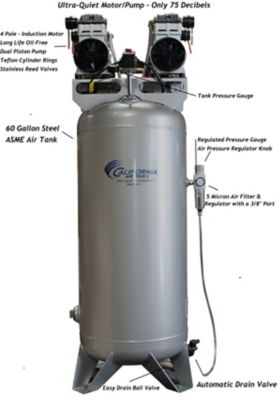
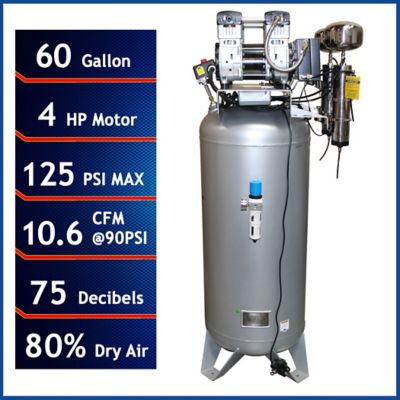
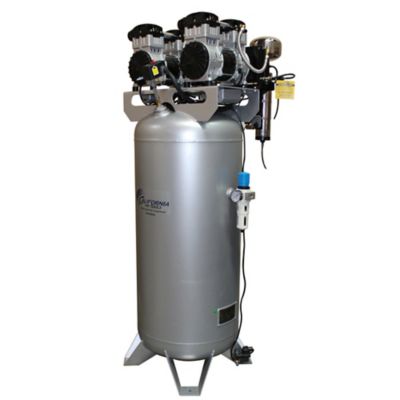
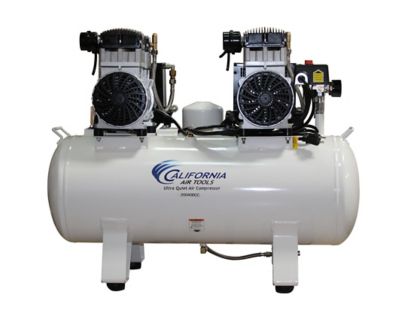
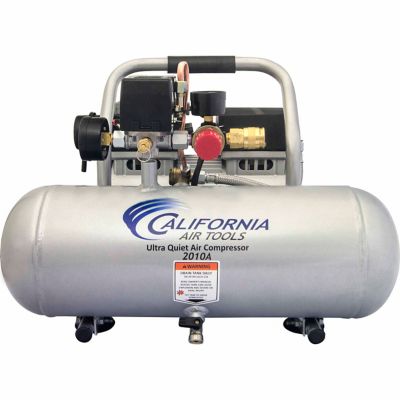
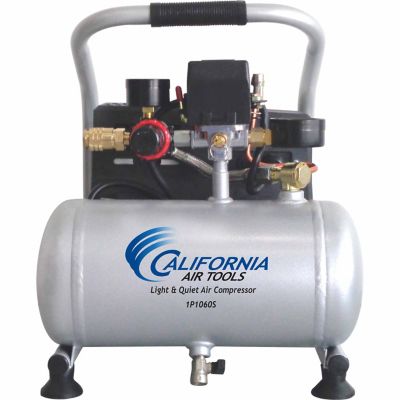
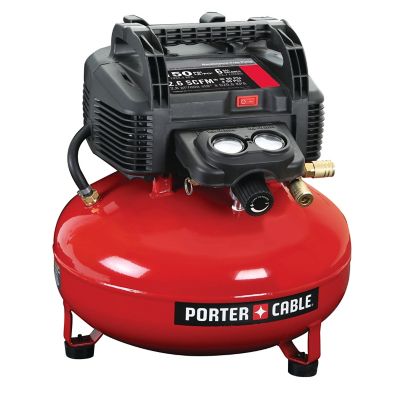
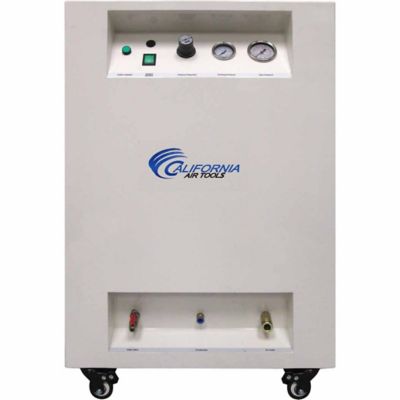
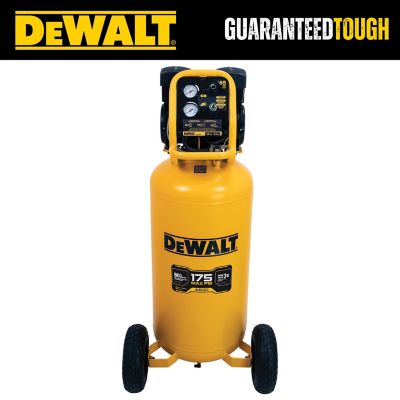
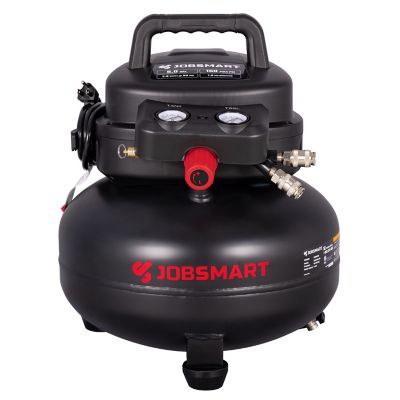
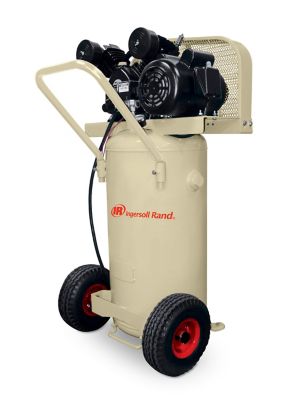
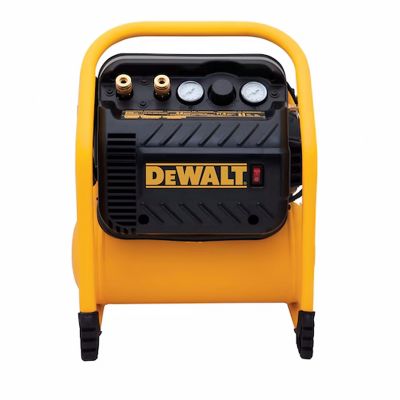
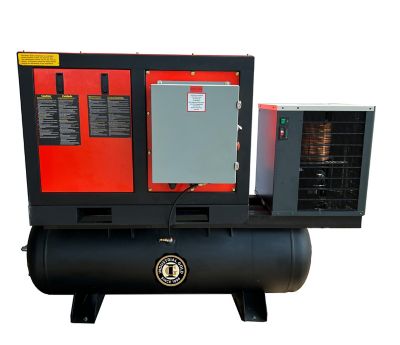
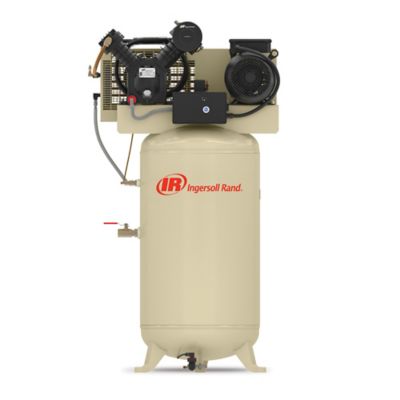
An air compressor with filter equipment pairs a source of compressed air with filtration that helps keep unwanted material from reaching air tools, hoses, and work surfaces. Around a farm shop, garage, or equipment shed, that can mean less grit entering an impact wrench and less liquid water reaching a paint sprayer. Compressing air concentrates the moisture already present in it, and some of that moisture condenses as the air cools in the tank and piping. Dust, pipe scale, and oil carried over from certain compressor pumps can also travel through the system. The important distinction is where the filter sits: an intake filter helps protect the compressor pump from airborne dirt, while a compressed air line filter treats air after compression. A compressor’s intake filter alone does not provide the moisture and oil control that some downstream jobs need. Water separators remove entrained liquid droplets, particulate filters trap solid debris, and coalescing filters capture fine oil and water aerosols. Activated carbon filtration targets certain oil vapors and odors, while an air dryer addresses water vapor that ordinary separators and filters cannot remove. Those functions matter whether the day’s work involves driving nails for a shed repair, loosening wheel fasteners, or spraying a smooth finish on a metal gate. No single filter stage handles every contaminant, and cleaner-looking air is not necessarily dry air. For everyday pneumatic tools, the goal is filtration and moisture control that meet the tool manufacturer’s requirements without choking airflow. Painting and other finish work may call for several treatment stages because a small amount of oil or moisture can spoil a surface. Compressed shop air is not breathing air; ordinary filters do not make it safe for respirators or other breathing equipment. An air compressor with a filter is best understood as a matched system, with the compressor, treatment equipment, and connected tools all suited to the same work.
Matching that system starts with airflow, pressure, and connection size rather than tank size alone. A large tank provides stored air, but the pump’s delivered airflow at the required working pressure determines how well it keeps up with a tool. Filter flow ratings also depend on operating conditions, so a rating in cubic feet per minute needs to be considered alongside working pressure and the manufacturer’s specifications. A filter that restricts flow can leave a grinder feeling weak or make an impact wrench struggle even when the tank gauge shows plenty of pressure. Hose length, hose diameter, couplers, and fittings contribute to that restriction, too. Port diameter and thread type need to match the plumbing, and every component must carry a pressure rating suitable for its installation. Micron ratings describe particle capture, but the stated efficiency and test conditions matter; a smaller number alone does not tell the whole story. General-purpose particulate elements address dirt and scale, while finer coalescing elements serve jobs that need tighter control of oil mist and tiny droplets. Coalescing elements often need upstream protection from heavier contamination, and their placement should follow the equipment maker’s directions. For a compact way to combine filtration with downstream pressure adjustment,
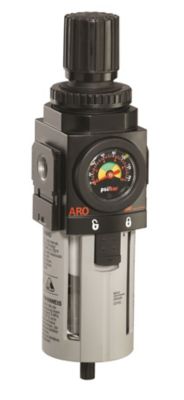
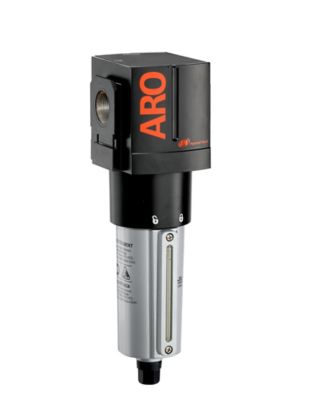
Air Compressor Filter Regulators bring those two functions into one assembly. A regulator controls outlet pressure; it does not increase the compressor’s airflow capacity or take the place of an air dryer. That distinction helps when one shop handles both rough mechanical work and finish spraying. Some pneumatic tools require lubrication according to their manuals, but oil introduced for those tools should stay out of a painting branch. Separate air paths can keep those needs from working against each other. Farmers maintaining machinery, mechanics handling daily repairs, and woodworkers running pneumatic fastening tools may all need different combinations of filtration, pressure control, and moisture treatment. The right arrangement reflects the tools that actually run together and the length of each work session.
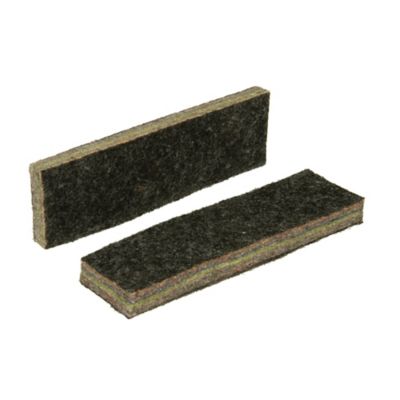
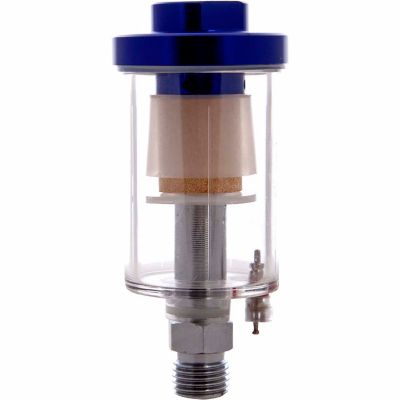
Construction and upkeep matter just as much once the equipment settles into a working shop. Filter housings may feature metal bodies, transparent collection bowls, or guarded bowls, with materials selected for particular pressures, temperatures, and environments. A clear bowl makes collected liquid easier to spot, but some bowl materials can be damaged by solvents or cleaning chemicals. Metal bowls may suit tougher surroundings, though they still need inspections and a practical way to monitor drainage. Compatibility with the shop environment matters more than appearance, especially near spray work, chemical storage, or places where a hose could strike the assembly. Secure mounting helps prevent piping strain, and room beneath the bowl makes draining and element changes less of a chore. Most separators and filters have a specified mounting orientation and flow direction that affect their operation. Placement matters because moisture often condenses as hot compressed air cools; treatment equipment needs an installation location that fits its temperature limits and system design. Manual drains require regular attention, while automatic drains still need checks for sticking, leaks, or blockages. Tank drainage remains necessary even when an air line filter is fitted, and collected condensate should be handled according to local requirements, particularly when it contains oil. As filter elements load with contamination, pressure drop can increase, making scheduled inspection and replacement part of keeping tools working properly. Washable elements should only be cleaned when the manufacturer allows it; disposable elements need replacement rather than an improvised cleaning method. Before opening a housing or servicing the system, shut off the compressor, isolate the equipment, and release stored pressure according to its instructions. During cooler weather, freezing conditions can threaten bowls, drains, and lines holding water, so the installation needs protection appropriate to the building and climate. A wheeled compressor moved between outbuildings has different mounting and protection needs from a stationary unit feeding a permanent shop line. In either setting, accessible filters, sensible hose routing, and attention to moisture help keep compressed air ready for the next repair without turning routine upkeep into an all-afternoon job.