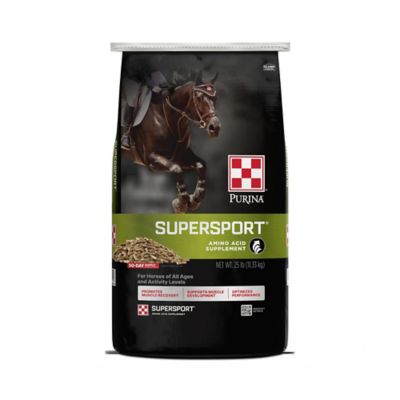
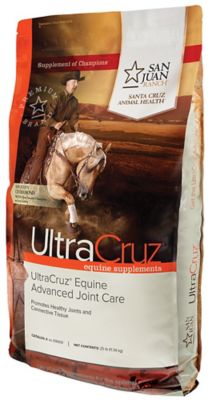
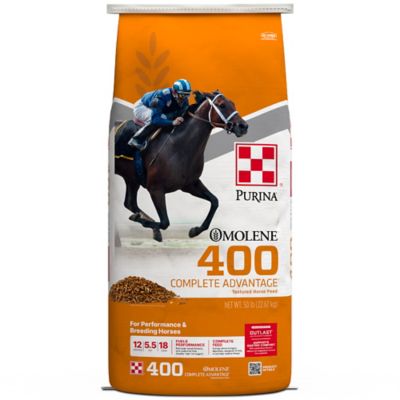
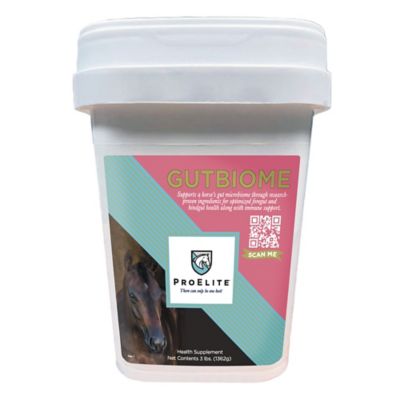
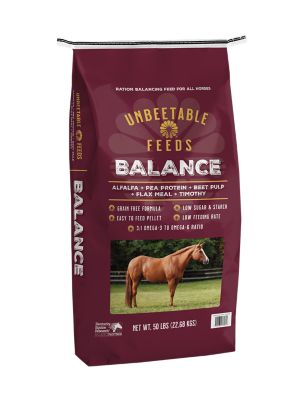
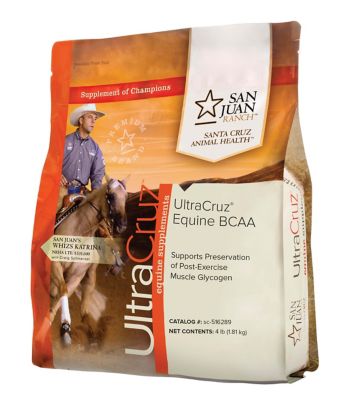
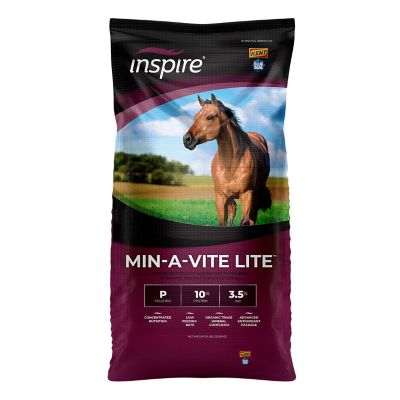
Advanced equine nutrition is about more than filling a feed bucket. A horse’s nutritional needs can shift with age, workload, stress, forage quality, weather, and the demands of training or competition. A hard-working barrel horse, a trail horse covering rolling pasture, a young horse building a strong foundation, and a senior gelding trying to hold condition may all need different support. Specialized equine supplements and targeted formulas can help fill nutritional gaps when used alongside good-quality forage, balanced feed, clean water, and regular veterinary care. Many horse owners look for advanced nutrition products that support several areas at once, including muscle strength, topline development, stamina, recovery, joint mobility, connective tissue, digestive comfort, and overall wellness. Performance horses may benefit from nutrition plans that support cellular energy and muscle function before work, while recovery-focused support can be useful after long rides, strenuous schooling, hauling, or competition. Digestive formulas are often selected for horses that are sensitive to feed changes, prone to stress when traveling, or challenged by inconsistent appetite and routine. Gut health deserves special attention because a horse’s digestive system is closely tied to condition, attitude, and performance. Even small changes in hay, turnout, feeding schedule, or workload can show up as a dull coat, loose manure, weight loss, girthiness, or a horse that simply does not feel like itself. Advanced equine nutrition products may include carefully selected vitamins, minerals, amino acids, antioxidants, botanical ingredients, or digestive-support ingredients designed for a specific purpose. Since formulas vary, read the guaranteed analysis and feeding directions closely, and check whether the product is suitable for your horse’s age, activity level, and current ration. A scoop that works well for a 1,200-pound show horse may not be appropriate for a small pony or an easy keeper. Feed supplements by weight whenever directions call for it, measure consistently, and make changes gradually so your horse has time to adjust.
When choosing targeted equine nutrition support, start with the basics and take an honest look at the whole feeding program. Hay or pasture should make up the foundation of most horses’ diets, and forage quality can vary widely from one cutting, field, or supplier to the next. A ration balancer or complete feed may already provide certain vitamins and minerals, so adding several overlapping supplements can create unnecessary expense or push some nutrients beyond the intended amount. Keep a simple record of what your horse eats, how much, and how often, along with changes in body condition, manure, coat quality, energy, and recovery after exercise. This kind of everyday information is valuable when talking with a veterinarian, equine nutritionist, or feed specialist. Horses in regular work may need support for lean muscle, topline tone, joint comfort, and efficient recovery, especially when training on hard ground or carrying weight over distance. Horses that travel or compete can face added stress from hauling, unfamiliar stalls, altered water, and disrupted feeding schedules. Respiratory-support formulas may appeal to owners managing horses exposed to dust, dry bedding, or dusty arenas, but no supplement should take the place of clean ventilation, low-dust forage, proper stable management, or veterinary evaluation when coughing or breathing changes appear. Likewise, joint and connective-tissue support can be part of a thoughtful conditioning plan, but swelling, lameness, stiffness, or a shortened stride deserves professional attention. During the cooler months, some horses burn more energy staying warm, while others get less turnout and move less than they do during warmer stretches. Watch body condition under the winter coat, keep water fresh and accessible, and adjust feed with guidance rather than guessing by eye. A well-chosen nutritional supplement can be a practical addition to the tack room for an owner who keeps careful feeding records, competes with a performance horse, manages a senior horse, or wants to support a horse through a demanding season. It can also make a considerate gift for a horse-owning friend when you know the horse’s diet, health needs, and competition rules; otherwise, a gift card or a conversation about the horse’s current routine is the safer choice.
For many owners, the best advanced nutrition plan is the one that fits real barn life and can be followed every day. Look for clear ingredient information, straightforward serving directions, appropriate packaging, and a format that works with your feeding routine, whether that means a powder stirred into a small meal, a liquid measured into the bucket, or another easy-to-administer option. Palatability matters, since even a well-designed formula will not help if a horse leaves it behind. Introduce any new nutritional product slowly, preferably one change at a time, and keep an eye out for changes in appetite, manure, behavior, skin, coat, and work quality. Horses with metabolic concerns, kidney or liver disease, ulcers, allergies, medication needs, or a history of digestive trouble should be managed with veterinary input before adding specialized support. Owners of competition horses should also review the rules for their discipline and confirm that ingredients meet the requirements of the governing organization. Advanced equine nutrition is not a replacement for balanced feed, quality forage, dental care, deworming guidance, hoof care, conditioning, rest, or routine veterinary exams. Instead, it can help fine-tune a complete care plan for horses with greater demands or specific nutritional goals. If you are still building that foundation, explore
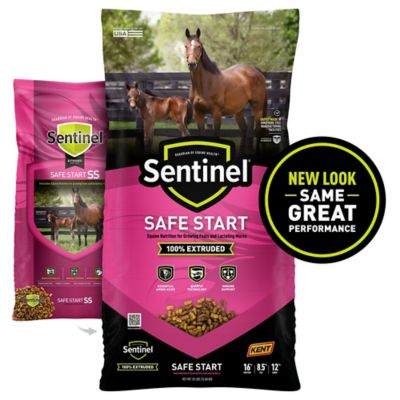
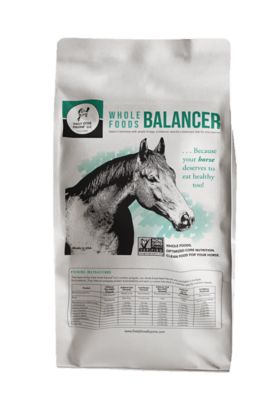
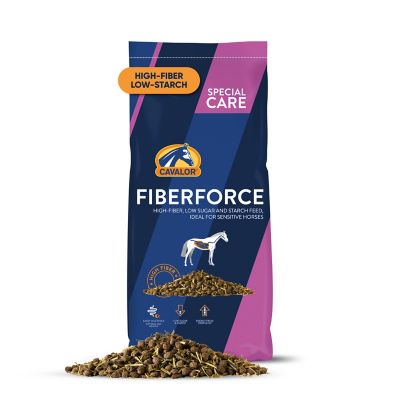
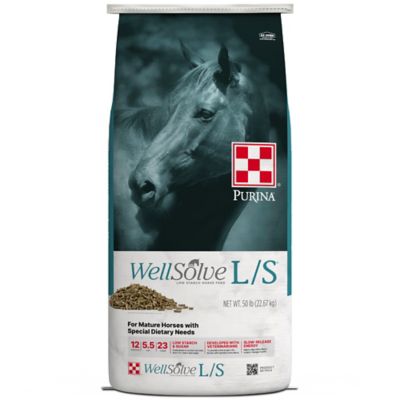
Extruded Horse Feeds as another feeding option to consider alongside your horse’s forage and overall ration. Whether the goal is steadier energy on the trail, stronger topline through training, easier recovery after a long ride, digestive support during travel, or comfortable movement as a horse ages, pay attention to the small signs. The horse that finishes feed with a bright eye, walks out freely from the stall, settles after exercise, and holds good condition through changing weather is giving you useful feedback. Consistent care, careful observation, and advice from qualified equine professionals can help you choose nutritional support that suits the individual horse standing in your barn.