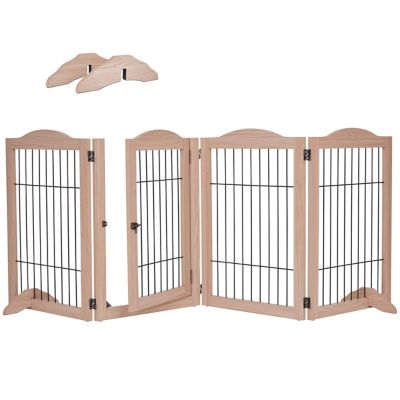
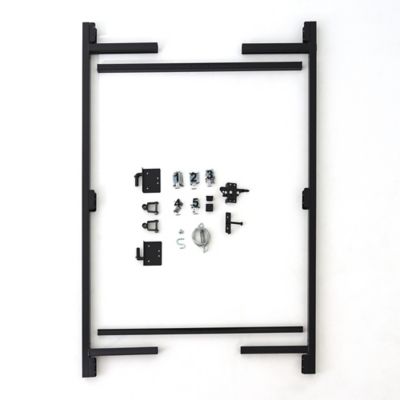
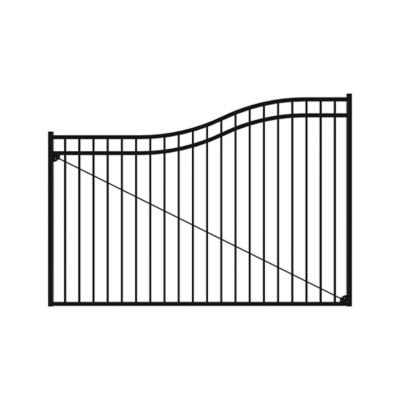
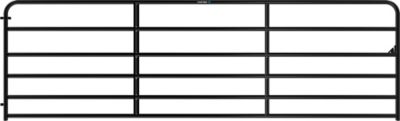
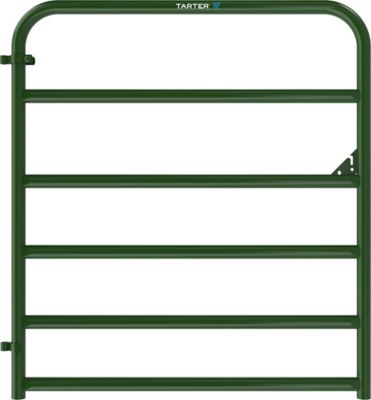
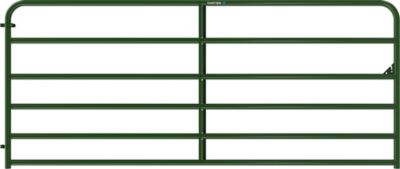
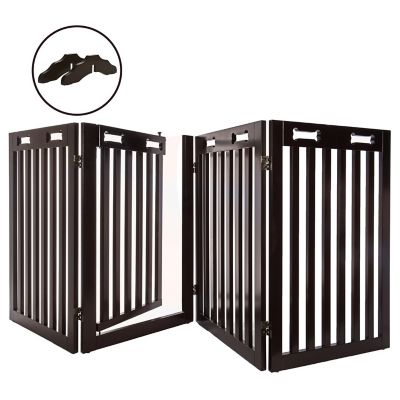
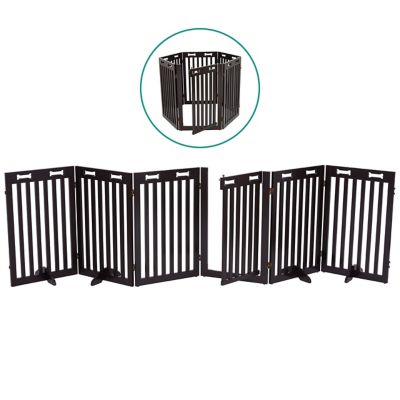
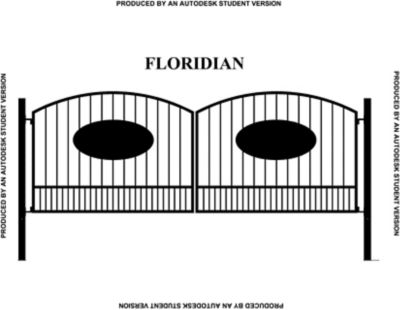
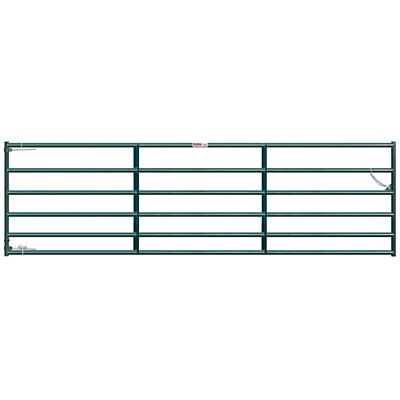
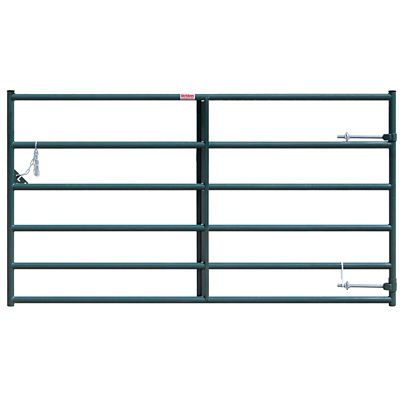
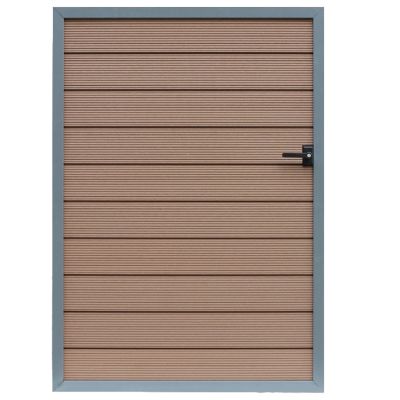
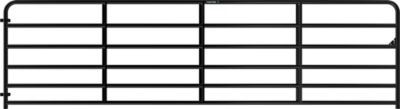
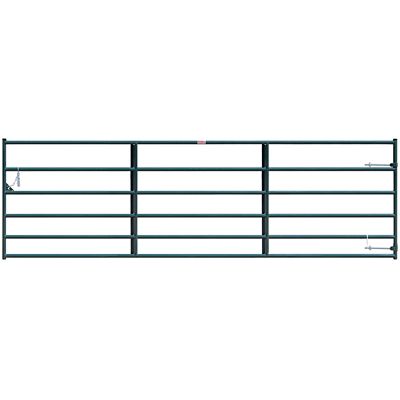
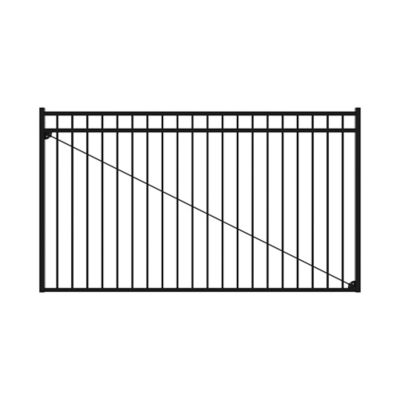
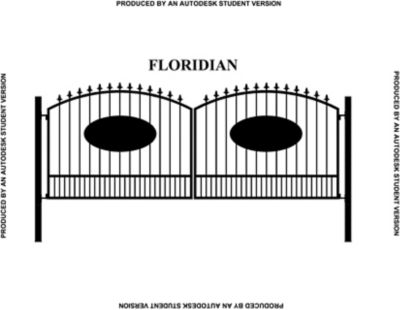
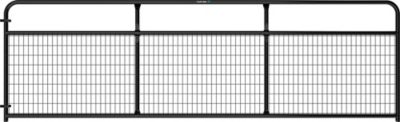
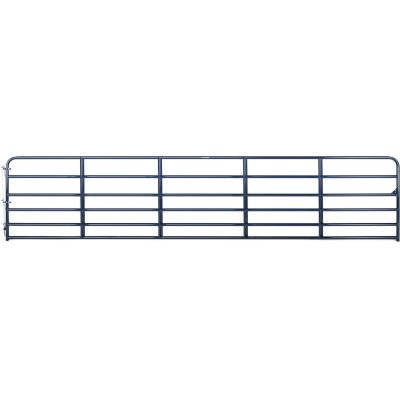
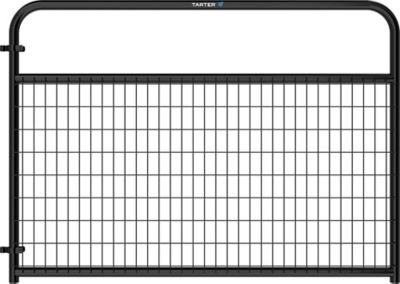
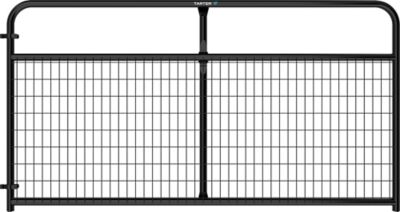
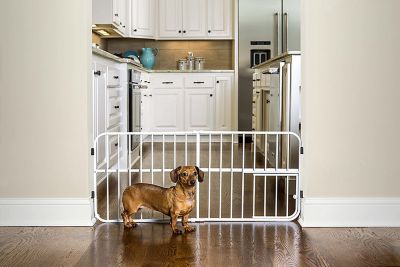
Folding gates are practical barriers that help control access without taking up the room needed by a traditional swinging gate. Also called accordion gates, scissor gates or retractable gates, they fold into a compact stack along a wall, fence line or edge of an opening. That space-saving design makes them useful in farm shops, garages, barns, sheds, storefronts, basements, hallways, driveways and other places where a wide swing could get in the way. A folding gate can help secure tools, equipment, animal areas, storage rooms or property entrances while still allowing light, air and a clear line of sight through the opening. Many styles use a connected lattice of steel bars or channels that expands across an opening and contracts neatly when access is needed. Others are designed as bi-fold driveway gates made from metal, wood or a combination of materials. Single folding gates generally move from one side of an opening, while double folding gates meet in the center and can cover a wider span. The right style depends on the opening width, available clearance and the way people, vehicles or equipment move through the space. A narrow passage beside a building may work well with a single gate that folds flat against the wall, while a broad driveway or equipment entrance may call for a double-folding arrangement. For a working property, this compact movement can make a real difference. A gate that folds out of the way leaves more room for a tractor, mower, trailer or wheelbarrow, especially where buildings, fence corners and parked equipment already compete for space.
When choosing folding gates, start by measuring the opening at several points, since older buildings, poured slabs and fence lines are not always perfectly square. Note the clear width and height, the direction the gate will fold, and the amount of wall or fence space available for the folded sections. Check that the gate will not interfere with lights, shelving, downspouts, feed bins, vehicles or nearby doors. Construction is another important consideration. Steel folding gates are often selected for security and everyday durability, with heavier channel construction suited to busy commercial areas, workshops and outbuildings. Aluminum can offer a lighter option where ease of handling and resistance to rust are priorities, while wood folding gates can complement a rural property or finished driveway. Outdoor gates should have a finish suited to changing weather, moisture and temperature swings. Look for sturdy frames, smooth-moving pivots, dependable rollers where included and hardware that feels solid rather than flimsy. A gate is only as useful as its mounting points, so the wall, post or fence section must be strong enough to support the weight and repeated movement. Concrete, masonry and sound wood framing may require different fasteners, and a sagging post can keep even a well-made gate from lining up properly. Before installation, confirm the hardware and mounting method are appropriate for the surface. The right
Gate Hinges can help a gate swing and fold smoothly, but hinges, brackets and fasteners should all be matched to the gate’s size and weight. For powered or automated bi-folding driveway gates, make sure the gate is compatible with the operator and that safety equipment, clearance and local requirements are addressed by a qualified installer.
Folding gates serve several different needs around a home, farm or business. A shop owner may use one after closing to secure a sales floor or service counter without building a permanent wall. A homeowner may place one across a side passage, porch opening or driveway to discourage unwanted entry while keeping the area open and visible. In a barn or livestock building, a folding barrier can help separate work areas or limit access to equipment, though gates used around animals should be selected and installed with animal size, behavior and pinch points in mind. They are also handy for temporary changes in how a space is used. During the warmer part of the year, a gate can help manage access to a breezeway, garden area or open-sided shed while keeping airflow moving. As the weather turns cooler, the same gate may secure a workshop, storage room or equipment bay when doors stay closed more often. Security features vary, so consider whether you need a simple latch, a hasp for a padlock, an integrated lock or a setup that works with an existing access-control system. Visibility matters, too: an open-pattern gate can provide a view of the other side, helping you see visitors, pets, livestock or equipment without leaving the area unsecured. Keep moving parts free of dirt and debris, inspect fasteners after periods of heavy use and touch up damaged finishes before rust or moisture can spread. Folding gates are not usually chosen as gifts, but they can be a thoughtful, useful addition for someone moving into a rural home, opening a small shop, upgrading a barn or improving security around a workshop. Whether the goal is to protect valuable tools, manage a driveway or make better use of a tight opening, the best folding gate fits the space, matches the daily traffic and stands up to the conditions where it will be used.