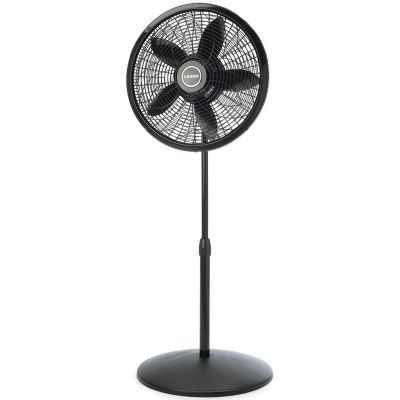
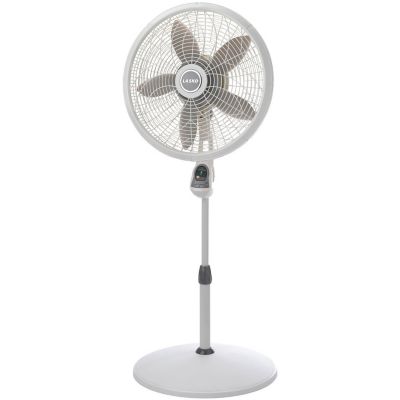
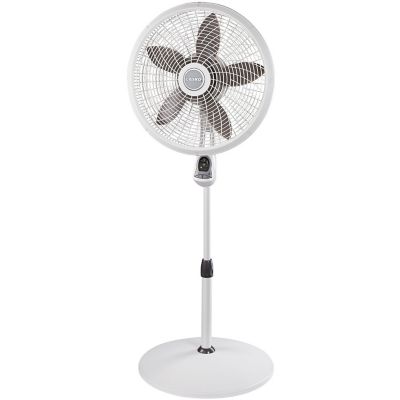
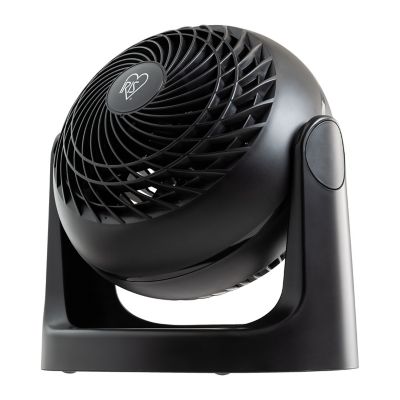
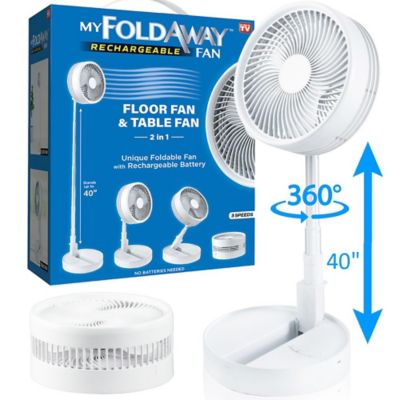
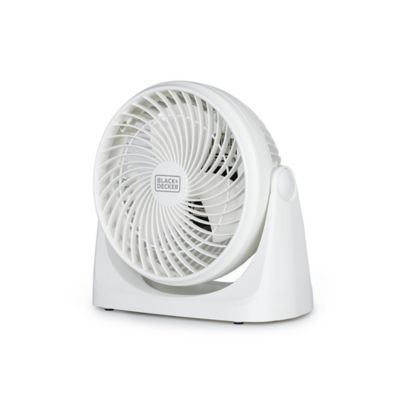
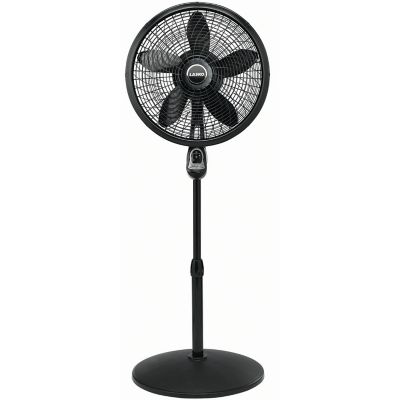
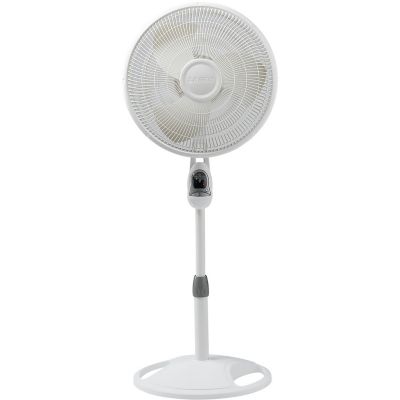
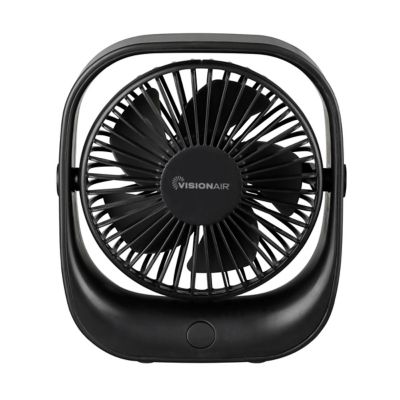
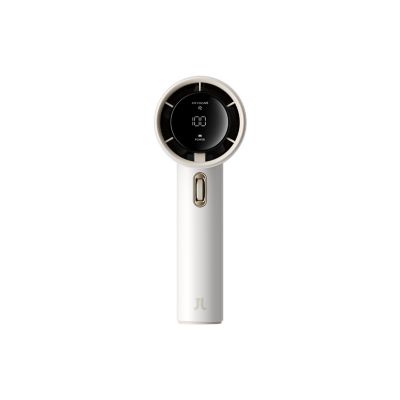
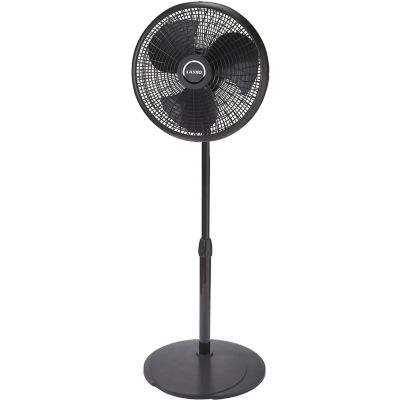
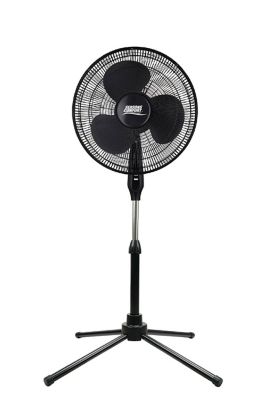
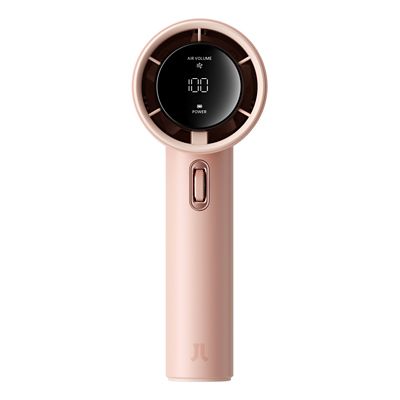
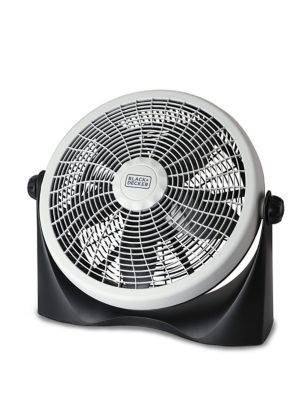
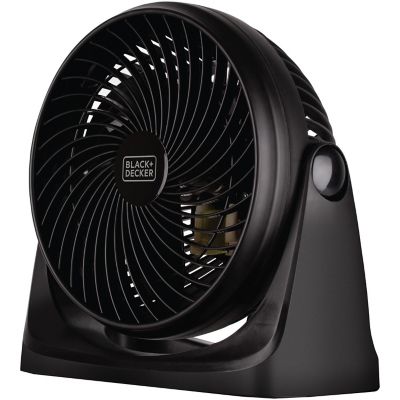
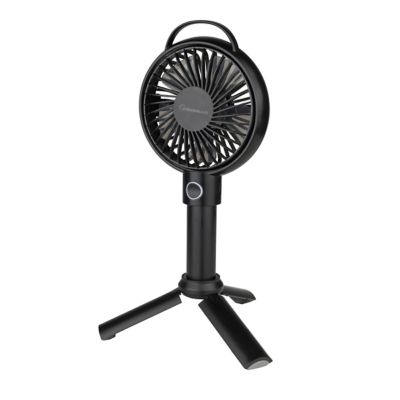
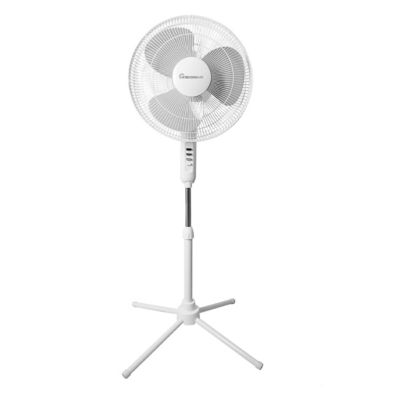
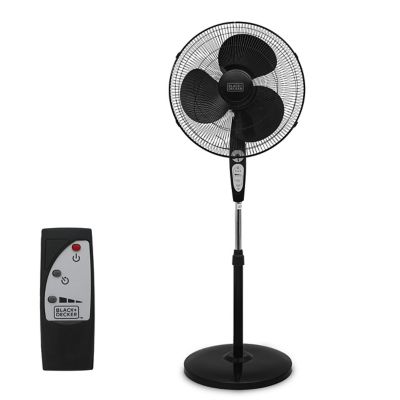
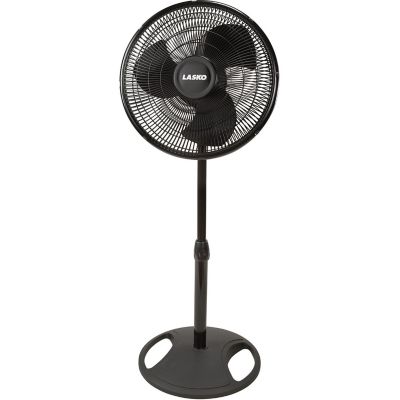
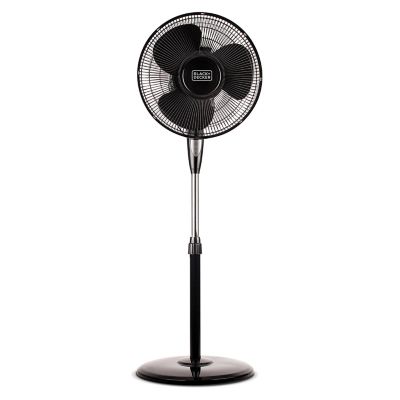
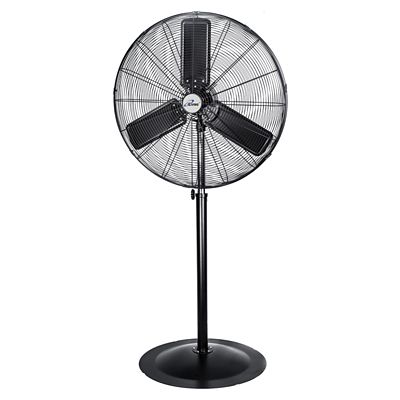
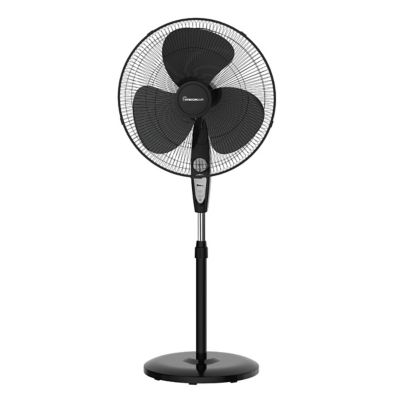
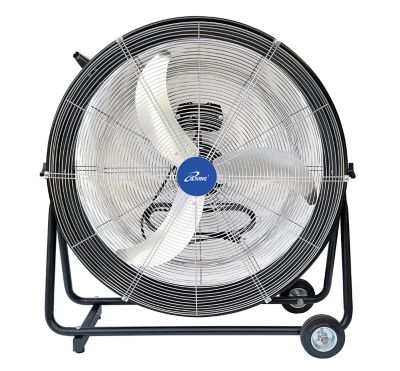
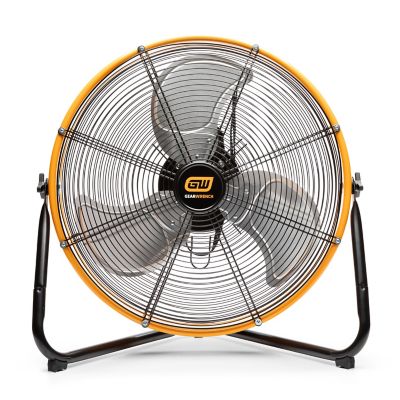
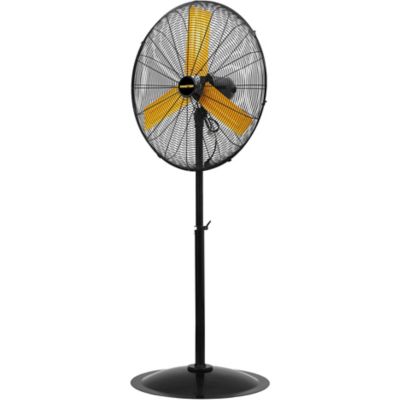
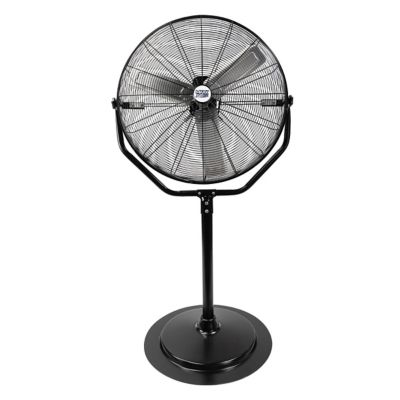
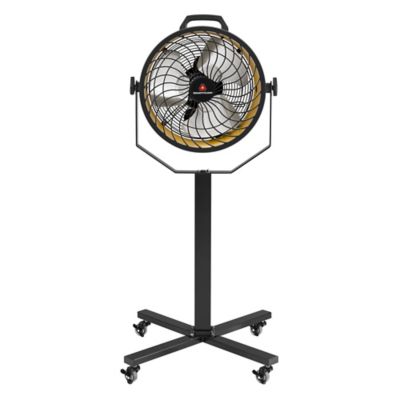
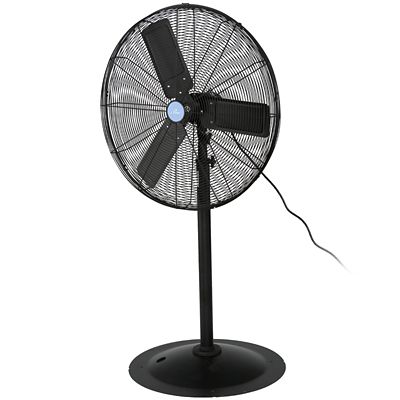
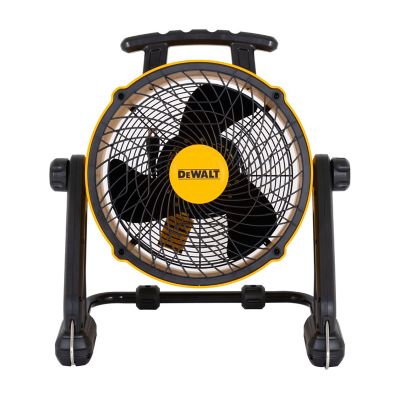
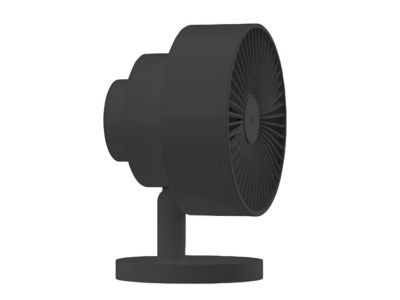
Adjustable fans let you change the direction, strength, or height of airflow to suit the space and the job at hand. Depending on the design, adjustments may include a telescoping stand, a tilting fan head, multiple speed settings, or oscillation that sweeps air from side to side. Not every fan offers every adjustment, so the controls and range of movement matter as much as the overall size. A height-adjustable fan can move air across a seating area or send a breeze over a workbench, while a pivoting head helps aim airflow without moving the entire base. Oscillation spreads that breeze across a wider area; a fixed position keeps it pointed toward one spot. That flexibility comes in handy in a farmhouse kitchen, a garage, or a hobby room where the work moves around throughout the day. Picture a workbench with a half-finished repair, a stool tucked underneath, and tools laid out within reach: a fan that tilts toward where you’re sitting can make the space more comfortable without taking over the bench. Pedestal designs offer elevation and adjustable reach, while compact tabletop and floor designs can fit spaces where a tall stand would be in the way. Wall-mounted options may free up floor space when the mounting surface and installation meet the manufacturer’s requirements. During the cooler months, adjustable airflow still has a place in rooms that feel stuffy or have uneven temperatures. A fan moves air rather than lowering the room’s temperature, and the breeze helps people feel cooler by increasing heat loss from the skin. Gentle circulation can also help mix warmer and cooler air, though results depend on the room layout and placement. For households where one person wants a breeze and another would rather keep it still, being able to aim the fan toward a single chair can be just as useful as a wide sweep.
The best fit starts with the space you want to reach, not simply the largest fan that will fit through the door. Fan diameter offers some sense of size, but airflow ratings, when provided, make a better starting point for comparing air movement. Cubic feet per minute, or CFM, describes the volume of air a fan moves in a minute; compare ratings taken under similar conditions rather than treating blade size as a promise of performance. An open garage bay and a small bedroom call for different combinations of airflow, noise, and footprint. Strong airflow may be welcome near a busy work area, while a gentler low setting is often more comfortable beside a reading chair. Check the minimum and maximum stand height, tilt range, and oscillation coverage to see whether the breeze can reach your usual sitting or standing position. A telescoping pole should lock firmly at the selected height, and adjustment knobs should be easy to grip. The base needs enough room to sit level without crowding a walkway, especially where boots, pet bowls, and everyday traffic already compete for floor space. Noise deserves a close look, too. Published decibel figures are most helpful when the listed speed and measurement distance are comparable. Motor type alone does not tell the whole story: some DC-motor designs offer lower power draw and finer speed control, but the fan’s construction and operating setting also affect sound and energy use. Compare wattage and speed options for the settings you expect to run most often. Straightforward manual controls may be all you need in a shop, while a remote control or timer can be handy across a living room or beside a bed. Electronic features can add convenience, but they should match how you actually spend time in the space. Cord length, handle placement, total weight, and access for cleaning round out the practical details. A fan that is easy to move and maintain is a better match for a room that serves several purposes than one that is awkward to carry or difficult to clean.
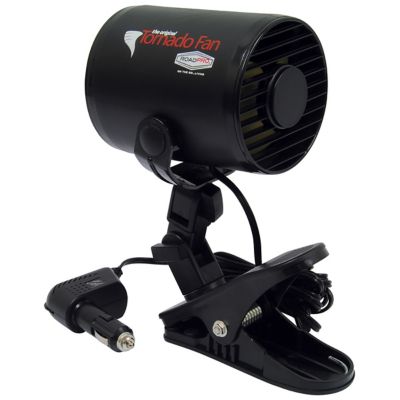
Adjustable fans suit homeowners, renters, home-office workers, and folks who spend their spare time fixing equipment, sorting supplies, or working on hobbies. They can also make a practical housewarming gift when you know the recipient’s available space and power setup. Someone settling into a first apartment may appreciate compact dimensions and quiet operation more than high-output airflow, while a person setting up a garage workspace may put an easy-carry handle and a sturdy base first. For spaces supplied by a compatible low-voltage system,
12 Volt Fans are another category to consider; check the required voltage, connector, current draw, and intended application before choosing. Battery-powered options bring their own considerations, including battery compatibility, whether a battery and charger are included, and expected runtime at different speeds. Wherever the fan gets to work, match its rating to the surroundings. A covered porch can still expose electrical equipment to moisture, and an ordinary household fan is not automatically suited to a damp outbuilding or a dusty barn. Follow the manufacturer’s location restrictions, and look for an appropriate outdoor or damp-location rating where needed. Keep fans away from rain, washdown areas, combustible dust, and flammable vapors unless they are specifically rated for those conditions. Air movement is not a substitute for proper ventilation or local exhaust when a task produces fumes or airborne particles. Around children and animals, a secure guard, stable placement, and a cord kept out of reach are important. Set the fan where its intake and outlet stay clear, and avoid pointing a strong stream at loose bedding, paperwork, or a pile of sawdust. Shut it off and disconnect power before cleaning or making adjustments that require reaching near the blades, following the care instructions. The everyday payoff is simple: airflow that meets you where you are, whether that means a light breeze while folding laundry or steady circulation near a project bench. Choosing the right adjustment range, power source, and operating features helps make that comfort part of the space without adding another obstacle to work around.