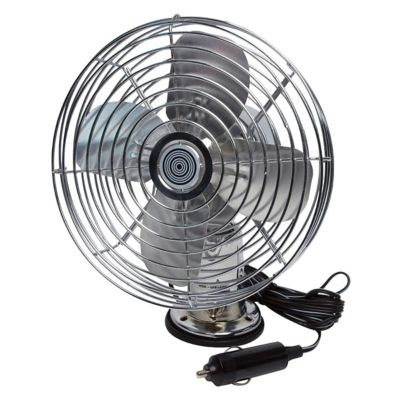
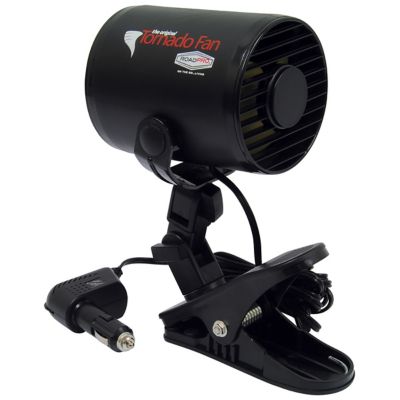
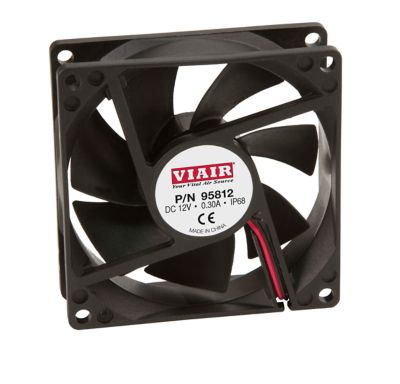
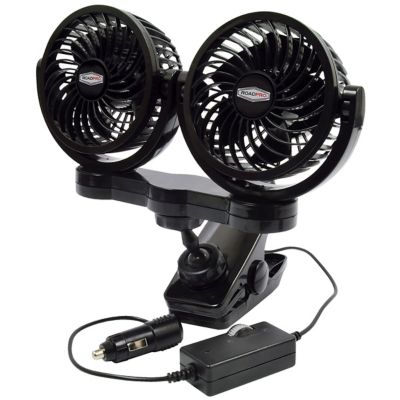
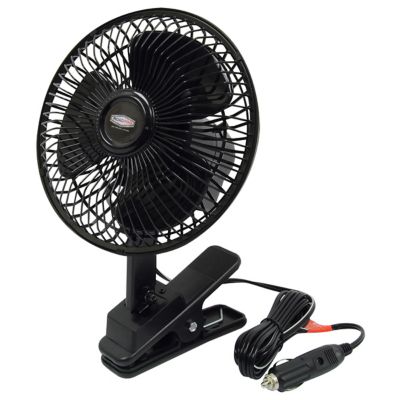
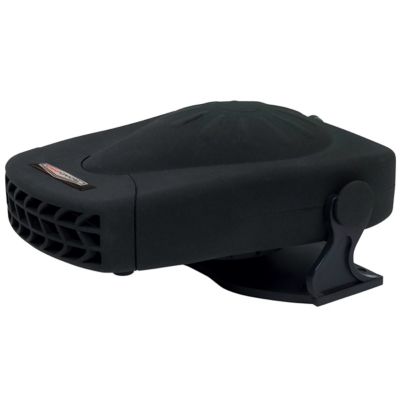
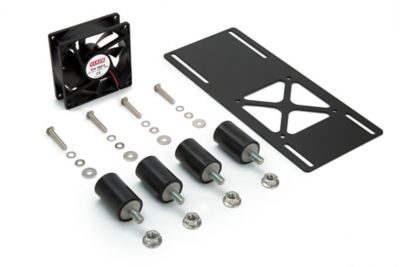
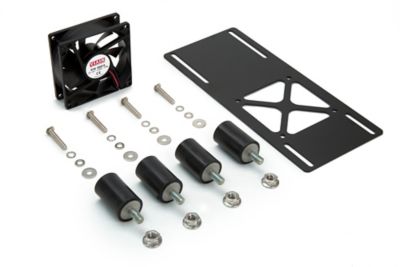
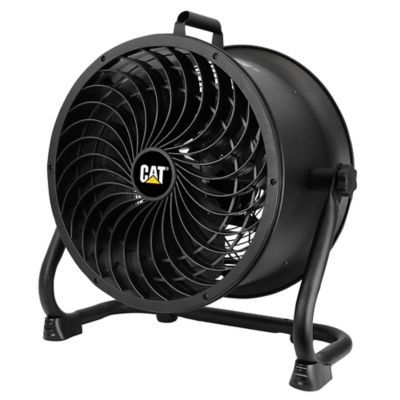
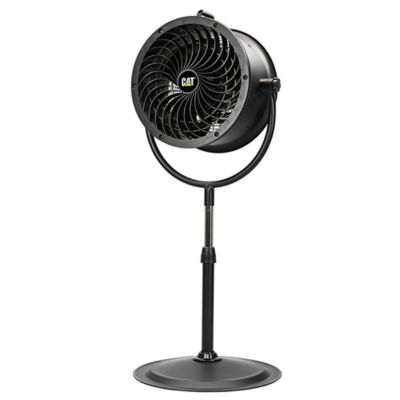
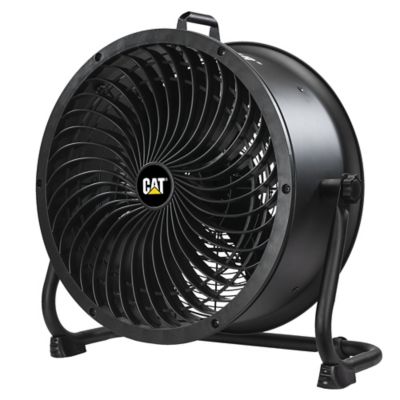
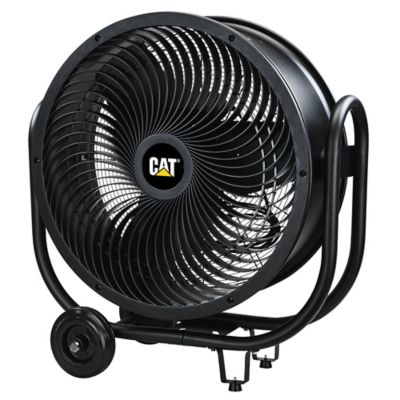
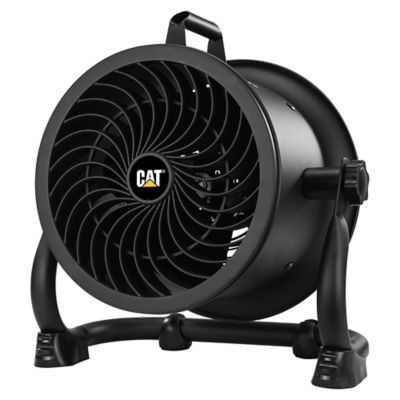
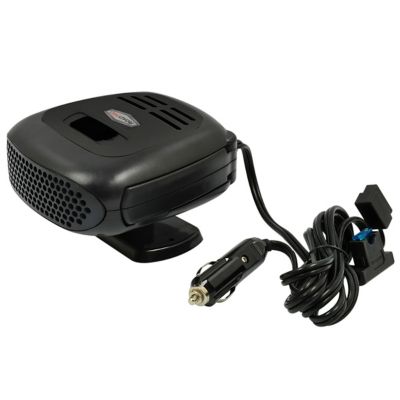
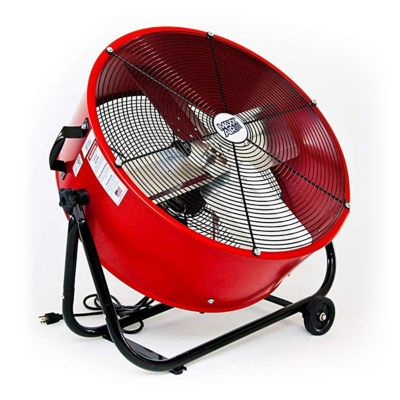
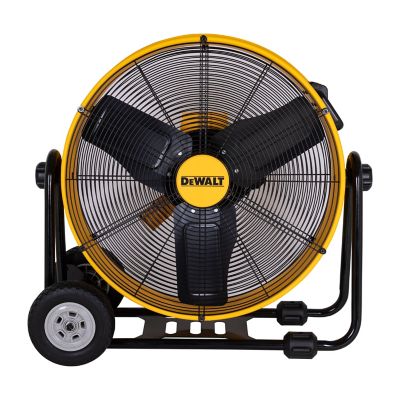
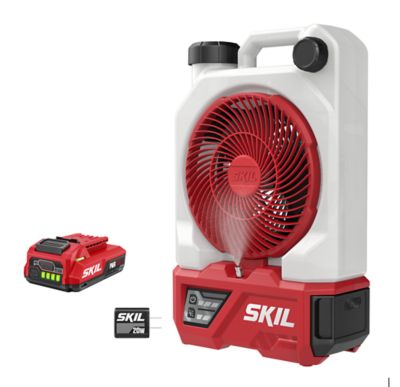
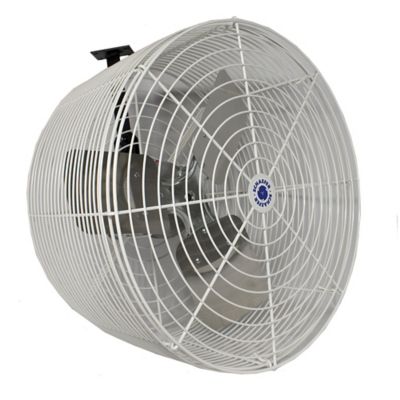
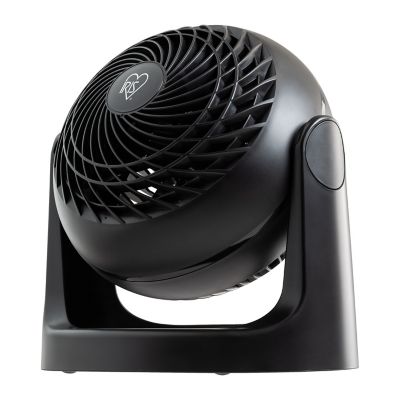
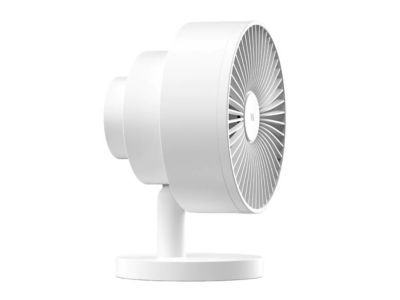
12-volt fans are electric fans designed to run on compatible 12-volt DC power, making them a practical way to move air in pickup cabs, RVs, boats and other spaces with a suitable low-voltage power source. They circulate air rather than refrigerate it, so their usefulness depends on where that air goes and how much room the fan has to work. A driver spending long stretches behind the wheel may want a directed breeze near the seat, while someone settling into a camper bunk may prefer broader airflow and a quieter motor. In a tractor cab or utility vehicle, a compact fan can help air reach a corner that the main vents miss, provided the fan is approved for that setting and mounted securely. Common designs include adjustable heads, fixed brackets, mounting clips and freestanding bases, with each style suited to a different space. A clip needs an edge that matches its opening and holds firmly without damaging the surface. A bracket needs a sound mounting point, while a base needs enough support to keep the fan from tipping or sliding. Fan size includes more than the blade diameter: the guard, base, adjustment knobs and plug all take up room. In a tight cab, that extra inch can be the difference between a comfortable setup and something that bumps a knee or blocks a control. A swiveling head helps aim the airflow without moving the whole fan, and oscillation can spread the breeze across a wider seating area. Speed settings offer flexibility when a strong stream of air feels right for one task but too much for another. For close quarters, the shape of the airflow and the sound of the motor can matter just as much as overall size. A smaller fan aimed well may suit one seat better than a larger fan blowing across the whole cabin. Placement should leave sightlines, mirrors, airbags and vehicle controls clear, with cords kept away from pedals and moving parts.
The power connection is another big part of finding the right fit. Many 12-volt fans connect through a vehicle accessory outlet, while others have leads intended for a properly installed electrical connection. A fan’s plug, rated input voltage and current draw need to match the intended power source; a familiar-looking connector alone does not establish compatibility. A vehicle’s nominal 12-volt electrical system can operate above 12 volts while charging, so equipment should be rated for the actual application. Likewise, a household wall outlet is not a direct power source for a DC fan. Operation from household electricity requires an appropriate AC-to-DC power supply with the correct output, connector, polarity and current capacity, when the fan manufacturer permits that arrangement. These details matter in a camper, a truck sleeper or a small workspace where the same fan may stay running for an extended stretch. Power draw also affects battery runtime. Higher speeds generally demand more power, and a battery serving lights, charging ports or other equipment has less capacity left for a fan. Actual runtime depends on the battery’s usable capacity, condition and other connected loads, not just the fan’s size. Some vehicle outlets shut off with the ignition, while others remain powered, which makes the outlet’s behavior worth knowing before leaving a fan connected. A fan should not be left running on a starting battery without considering the power needed to start the vehicle afterward. For hardwired setups, proper wire sizing, circuit protection and secure connections belong in the installation, following the equipment and vehicle instructions. In everyday use, a cord that reaches the outlet without stretching is easier to route neatly than one pulled tight across a seat. Secure connections also matter on a gravel lane, where vibration can shake a loose plug or poorly supported mount. A fan provides circulation, not a substitute for safe ventilation, air conditioning or precautions for people and animals in enclosed vehicles.
Construction and care help determine how a 12-volt fan stands up to everyday work. Metal guards and housings can provide a solid structure, while molded plastic can keep weight down and make a fan easier to reposition. Neither material tells the whole story on its own: the strength of the mount, the stability of the adjustment joint and the protection around the blades all deserve attention. A fan riding in a farm truck faces vibration and dust that a bedside fan in a parked RV may never encounter. For a boat cabin or another damp setting, the manufacturer’s environmental rating matters more than appearance; a metal housing does not automatically mean corrosion resistance, and a compact fan is not necessarily protected against water. Ordinary circulation fans also are not substitutes for equipment rated to ventilate fuel vapors, hazardous fumes or heavy airborne dust. Around work areas, the guard should help keep fingers and loose objects away from the blades, with the fan positioned clear of hanging straps, loose clothing and shifting gear. Routine care is usually straightforward, but it should follow the manufacturer’s directions. Disconnecting power before cleaning, wiping accessible surfaces and keeping air openings free of buildup can help maintain airflow without forcing the motor to work against a clogged guard. Water should stay away from electrical parts unless the equipment is specifically designed for that exposure. A cracked mount, frayed cord or damaged plug calls for attention before the next trip, especially when the fan travels between vehicles. For other compact airflow options,
Small Cooling Fans offers a related category to explore when size and placement are the main concerns. A 12-volt fan can also make a useful gift for a truck owner, camper or boat owner when the mounting space and power connection are known. The best fit is a fan that puts air where it is wanted, stays secure through everyday movement and fits naturally into the space without becoming another thing to work around.