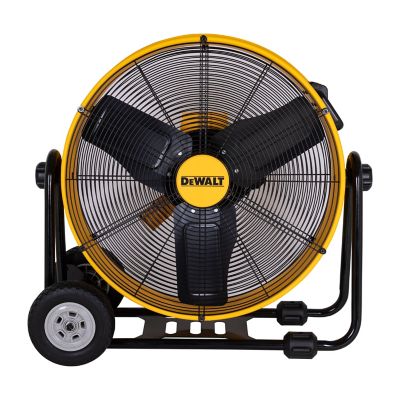
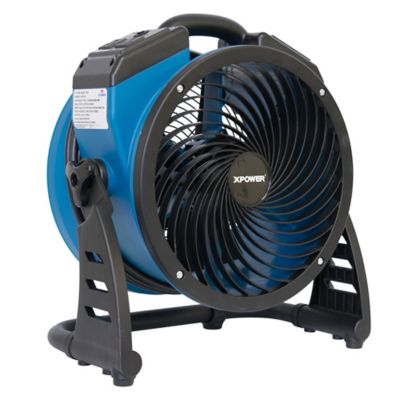
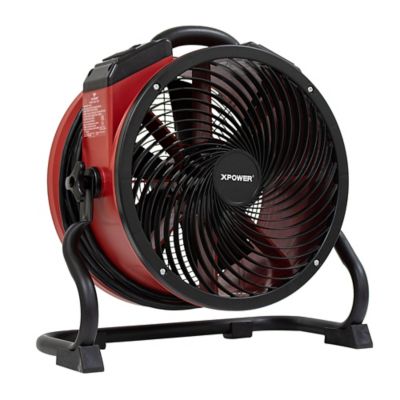
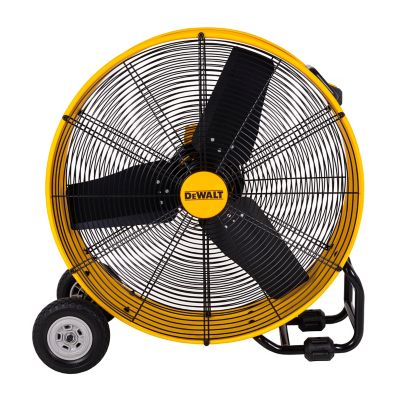
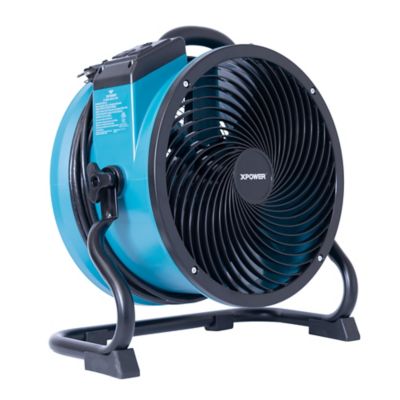
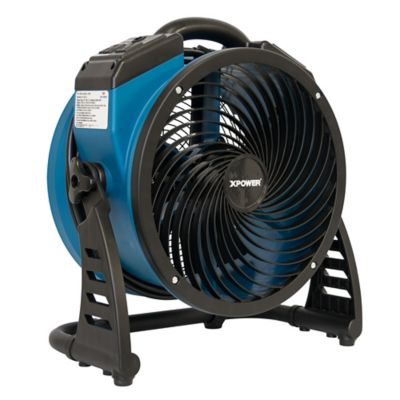
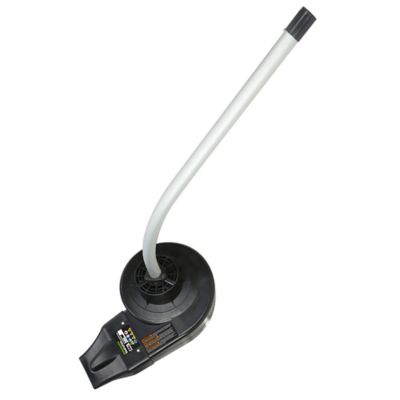
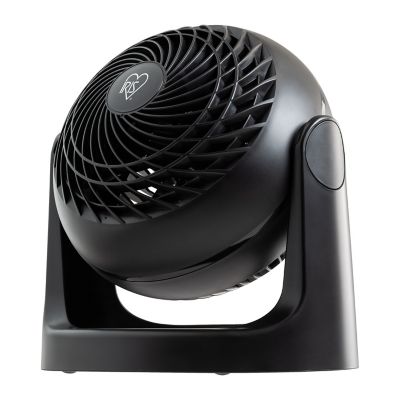
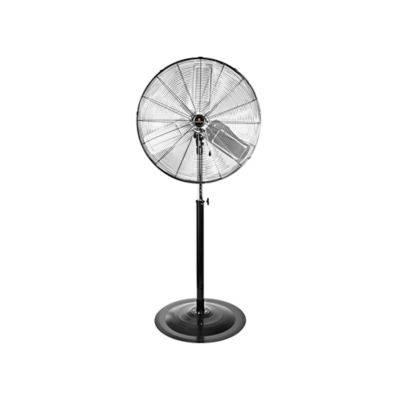
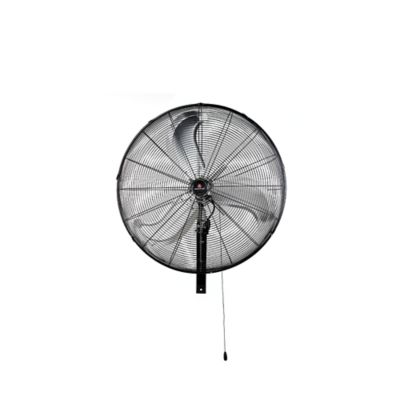
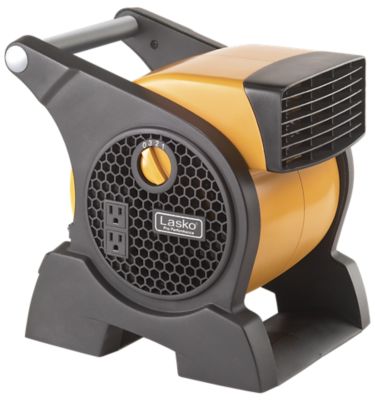
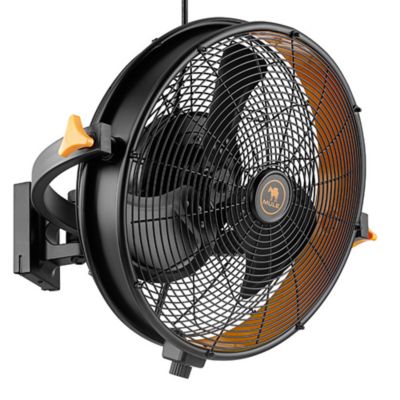
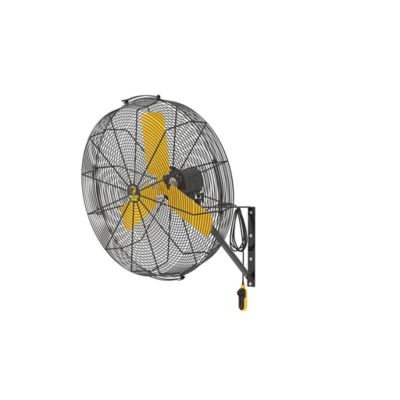
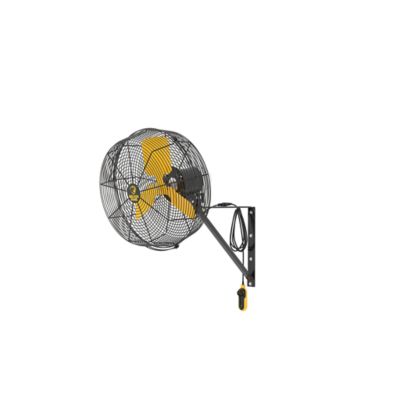
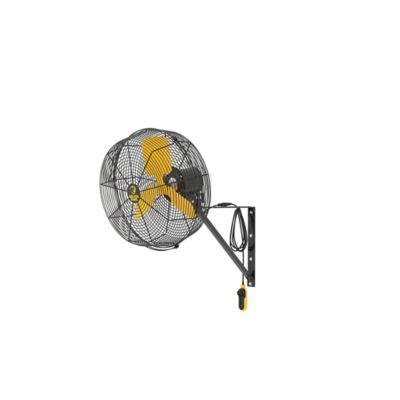
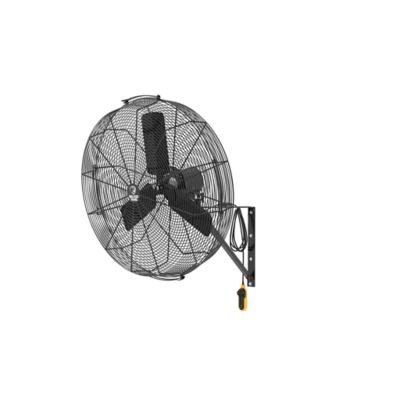
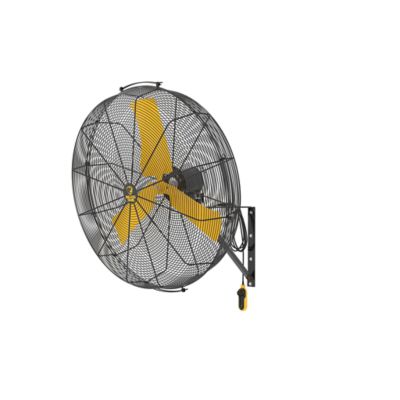
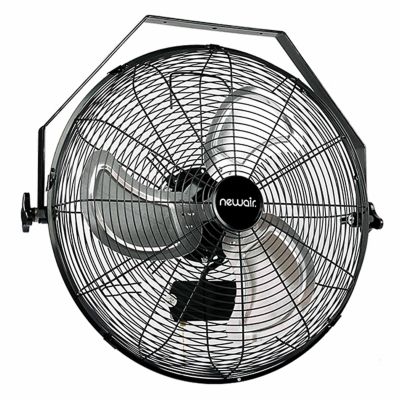
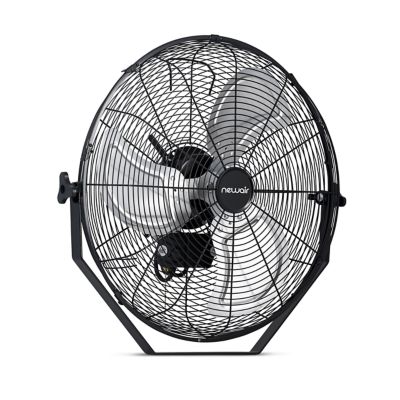
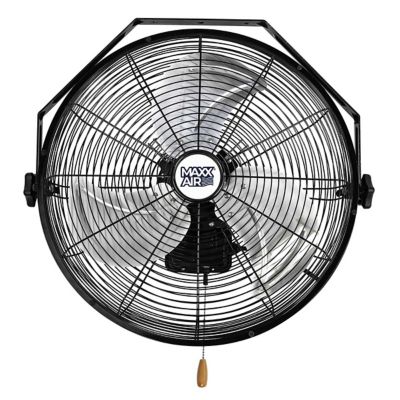
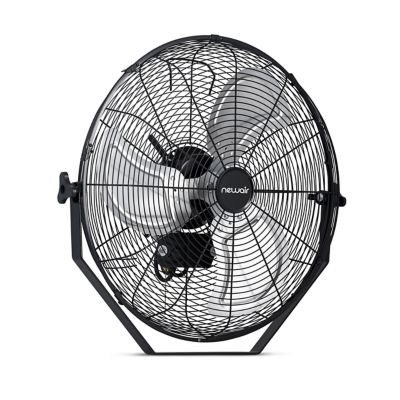
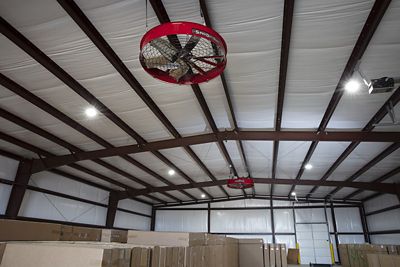
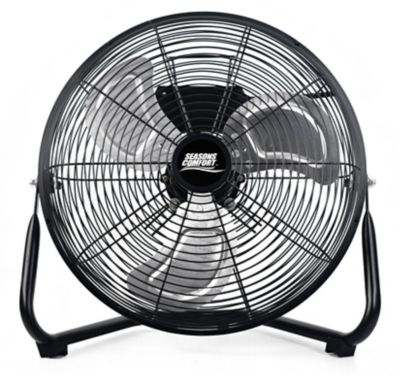
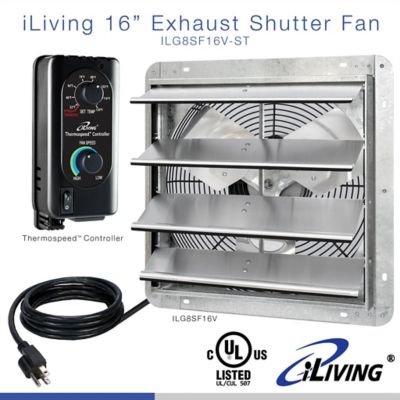
Axial fans move air in a straight path parallel to the shaft that turns their blades. Their propeller-like blades draw air in from one side and push it out the other, making them a practical choice for moving substantial amounts of air through relatively open spaces. That straight-through airflow sets an axial fan apart from a centrifugal blower, which redirects air through its housing and is generally better suited to overcoming higher resistance. Around a farm, shop, garage, or equipment building, axial fans can provide air circulation or serve as part of an intake or exhaust system, depending on their design and installation. A portable fan aimed down a work aisle does a different job from a wall-mounted exhaust fan that carries indoor air outside. Circulation moves air within a space, while ventilation exchanges indoor air with outside air; the two are related, but they are not interchangeable. For exhaust applications, a suitable path for replacement air matters just as much as the fan itself. Without that incoming air, even a large fan may struggle to deliver its expected airflow. The layout of the building also makes a difference. Shelving, parked equipment, partitions, and closed doors can interrupt an otherwise clear air path. A long shop bay with an open doorway has different requirements from a utility room with a dedicated ventilation opening. In animal buildings, the fan’s suitability for dust, moisture, and the installation location deserves particular attention. Guards and placement also matter wherever livestock, pets, or people could come near moving blades. Axial fans fit a broad range of everyday airflow needs, but the best match comes from the space and the job rather than blade diameter alone. For portable options that direct airflow across a work area without a permanent installation, the
Floor Fans category offers another way to explore ground-level air movement.
Airflow ratings help explain what an axial fan can do, especially when those ratings include the conditions under which the fan was tested. Cubic feet per minute, commonly shown as CFM, describes the volume of air a fan moves in one minute. A free-air CFM rating reflects operation with little resistance; airflow can drop when screens, shutters, ductwork, or other restrictions enter the picture. Static pressure describes the resistance the fan must work against, so a fan’s performance at the intended pressure is more useful than a large airflow number by itself. For a wall opening or duct connection, housing dimensions, mounting requirements, and connection size all affect fit. The space around the fan matters, too, including clearance for guards, shutters, maintenance access, and unobstructed airflow. Portable designs bring a different set of considerations: a broad base can help with stability, an adjustable frame can direct the air, and handles or wheels can make moves between work areas more manageable. Materials influence how a fan handles its surroundings and how much effort it takes to move. Steel housings and frames can provide substantial support, while aluminum components may reduce weight. Molded plastic housings or blades can offer other weight and corrosion advantages, depending on the material and application. Protective finishes, fasteners, and the condition of the blade guard are worth considering in spaces where equipment gets bumped or exposed to moisture. Motor design and the manufacturer’s environmental rating determine whether a fan belongs in a clean indoor workspace, a damp location, or another permitted setting. Noise is another practical part of the fit. A fan beside a repair bench may need a different sound profile from one mounted across a large equipment shed. Sound ratings are most helpful when compared under similar test conditions, since distance and surroundings affect what people hear. Where multiple speeds or compatible speed controls are provided, they can offer flexibility for different tasks without requiring the same airflow every time.
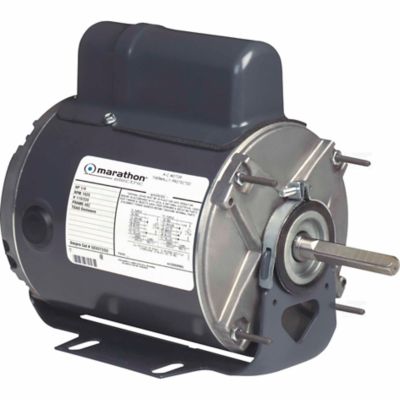
Day-to-day practicality often comes down to details that are easy to overlook until a fan becomes part of the work routine. A power cord needs a safe route away from traffic, doors, moving equipment, and animal reach. Voltage, plug type, and circuit requirements need to match the electrical supply, while permanently installed fans may require professional installation and attention to local codes. Mounting hardware must suit both the fan and the supporting wall, ceiling, or frame; a thin panel alone may not provide the support the installation requires. In a busy shop, a well-positioned fan should move air without blocking a walkway or sending loose paperwork and debris across a bench. In an animal area, protected wiring and secure guards help keep the equipment separated from curious noses, feed carts, and routine chores. A general-purpose axial fan is not a substitute for equipment specifically rated for flammable vapors, combustible dust, or other hazardous atmospheres. Air movement also does not replace source capture, filtration, or a properly designed exhaust system where airborne contaminants require control. Care requirements vary, but keeping blades, guards, and accessible housing surfaces clear of buildup helps preserve airflow and balance. Power should be disconnected before cleaning or inspection, and cleaning methods should follow the manufacturer’s directions rather than sending water into electrical components. Bearings may be sealed or may have specified lubrication requirements, so maintenance needs depend on the motor and fan design. Loose fasteners, damaged guards, unusual vibration, or a change in sound call for attention before further operation. Replacement parts and access to service points can make upkeep more straightforward over time. For farm owners, mechanics, property managers, and folks maintaining a home workshop, the right axial fan brings together the required airflow, a sensible footprint, suitable construction, and manageable upkeep. Those details make a meaningful difference whether the fan stays mounted in one spot or travels wherever the next job needs air movement.