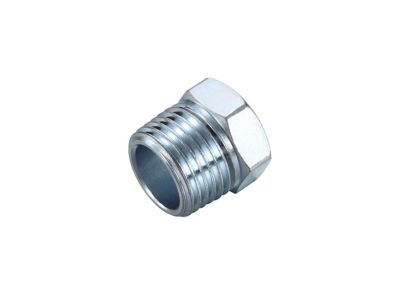
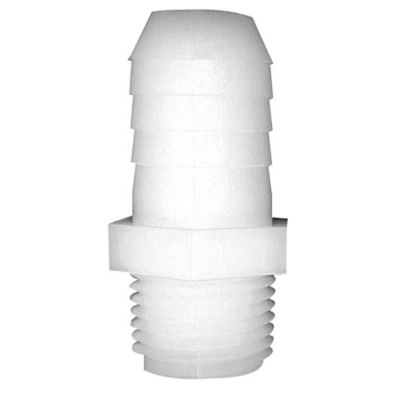
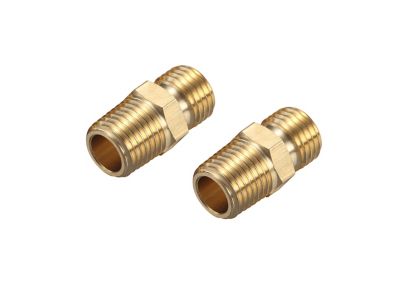
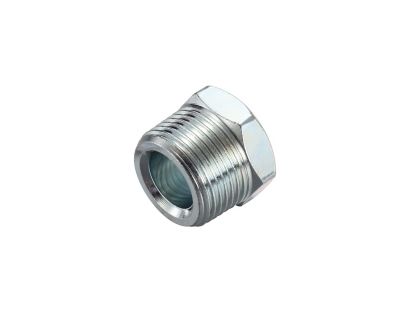
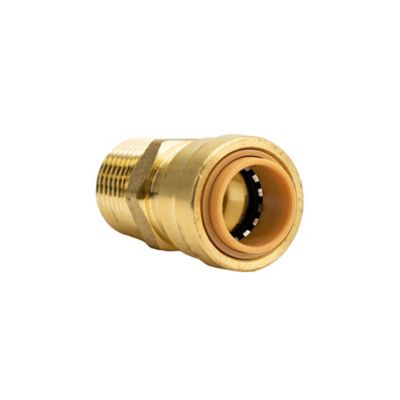
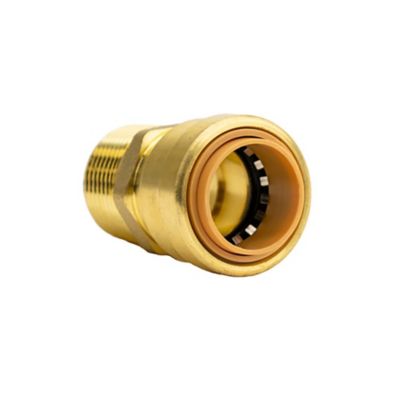
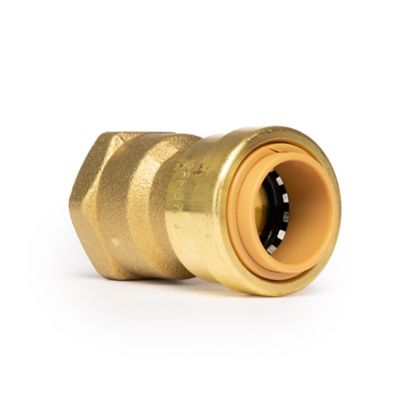
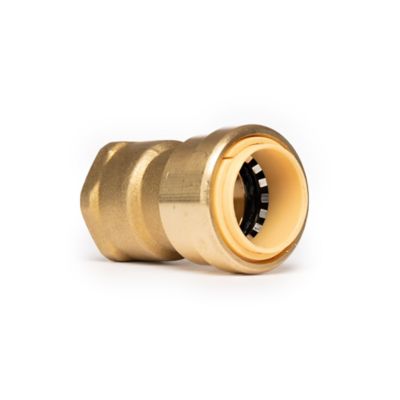
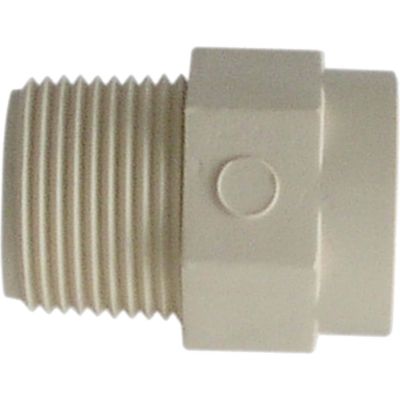
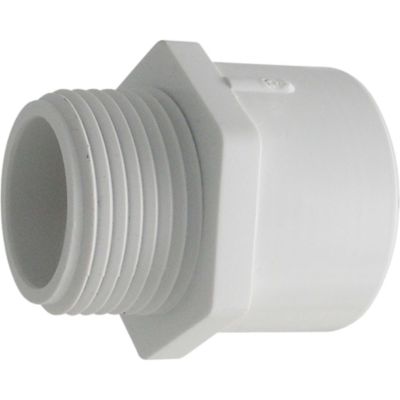
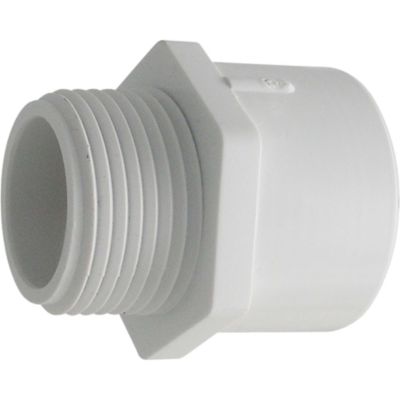
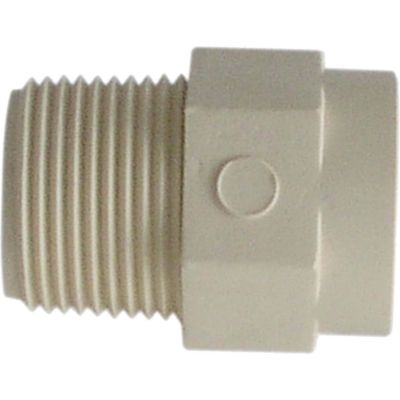
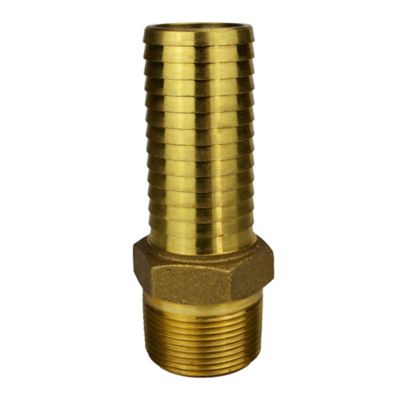
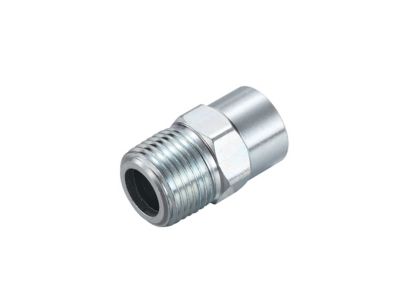
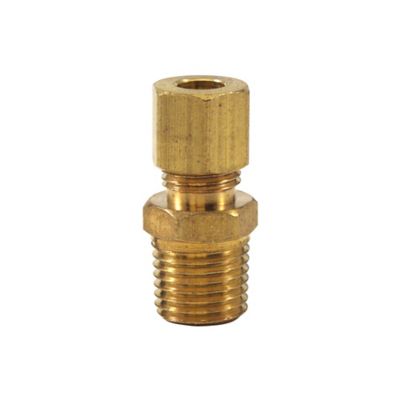
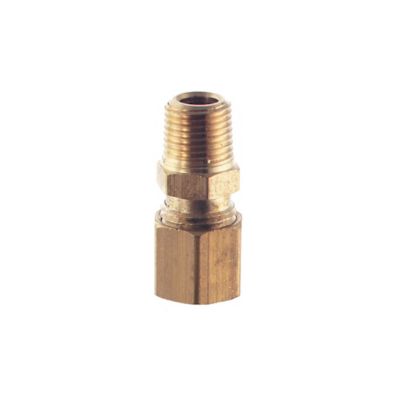
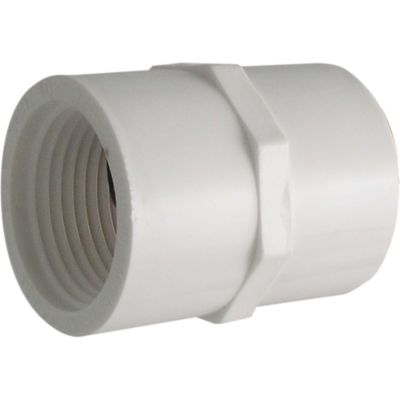
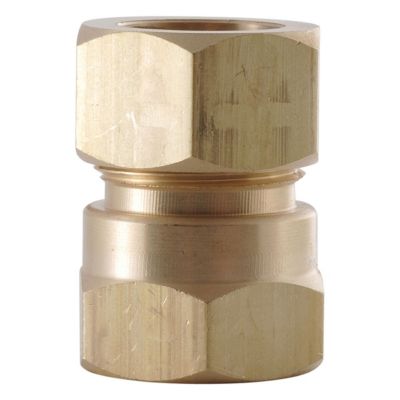
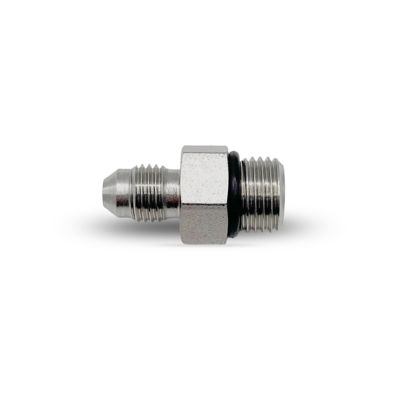
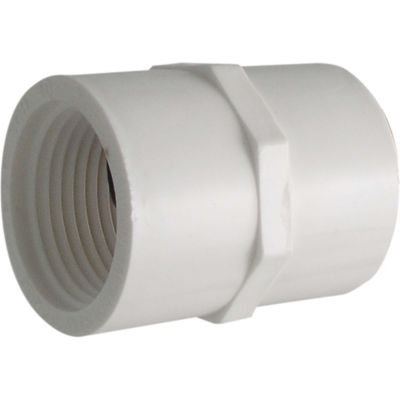
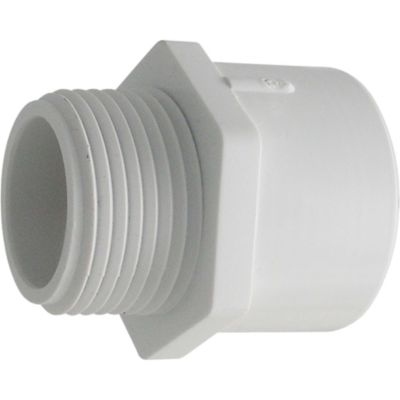
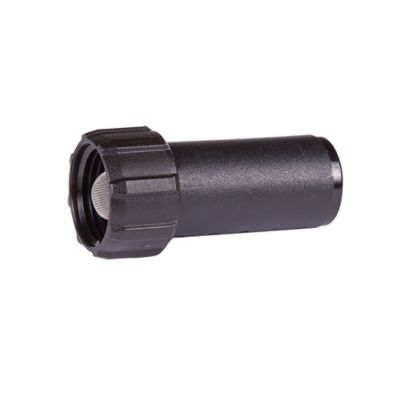
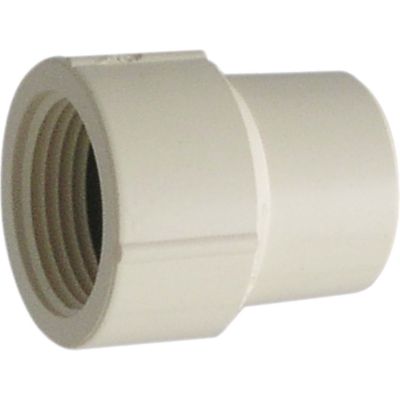
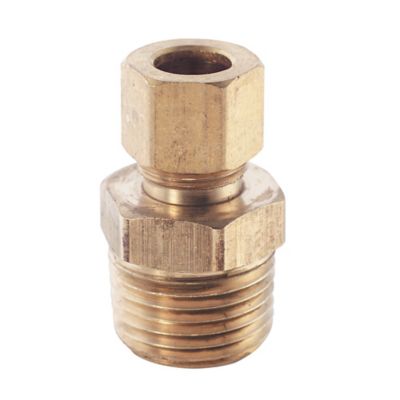
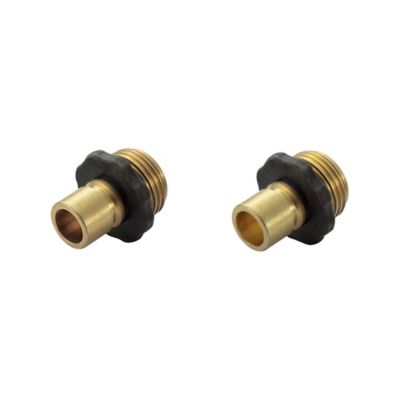
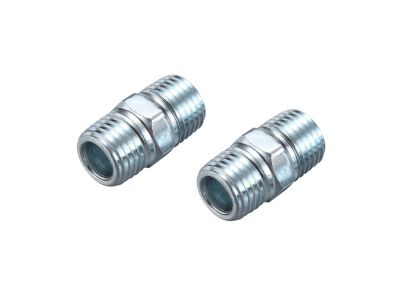
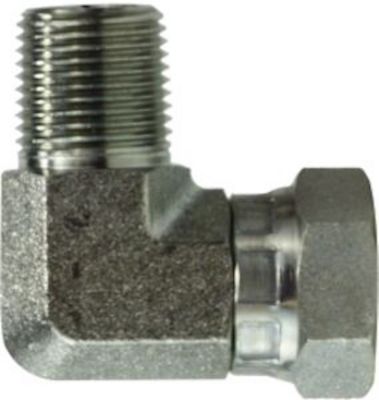
Adapter fittings are handy connectors for joining pipes, hoses, and equipment when the ends do not match up on their own. They can bridge different sizes, thread patterns, materials, or connection styles, making them useful around the farm, shop, garden, garage, and home. A male adapter has external threads that screw into a female-threaded opening, while a female adapter has internal threads that fit over a male-threaded pipe or fitting. Some adapters connect threaded pipe to hose, while others transition between copper, PEX, CPVC, PVC, tubing, or equipment ports. Push-to-connect adapters are designed to join compatible tubing without glue, solder, or special tools, which can be a real help when a quick repair is needed at a sink, livestock watering area, utility room, or irrigation line. Garden hose adapters can connect a standard hose to another hose, an indoor water supply, a faucet, a sprayer, or a piece of watering equipment. When a simple connection between two matching ends is all that is needed,
Coupler Fittings may be a better fit. Adapter fittings are often used for water lines, air lines, low-pressure utility connections, irrigation setups, and equipment maintenance, but the right fitting depends on the job and the system’s pressure, temperature, and intended fluid. Before ordering, identify exactly what you are connecting and take a close look at both openings. Measure the outside diameter of tubing, check the inside diameter where appropriate, and confirm whether the threads are pipe threads, hose threads, or another standard. A fitting that looks close may still leak or fail to seat if the thread type, pitch, or size is different. It also helps to note whether each end is male or female and whether the connection needs to swivel, disconnect often, or remain fixed for a long stretch of service.
Material makes a difference, especially when an adapter will live outdoors or handle regular wear. Brass fittings are strong, durable, and resistant to corrosion, so they are commonly chosen for water, air, and oil lines when the application calls for a dependable metal connection. Their solid feel is reassuring when working beside a pump, compressor, stock tank, or garden hydrant, and they tend to hold up well through repeated assembly and removal. PVC adapters are lightweight, rust-proof, and often a practical choice for plastic pressure lines, irrigation, drainage, and other compatible plumbing applications. They are easy to handle when you are working in a muddy garden bed or reaching into a cramped utility box, though they must be used within the pressure and temperature limits of the system. Other materials may be suited to particular tubing or equipment, so match the adapter to the pipe material instead of relying on appearance alone. For threaded connections, use the sealing method recommended for the fitting and the application, taking care not to over-tighten. Too little sealing can allow a slow drip, while too much force can damage threads or crack a plastic fitting. Push-to-connect styles require clean, square tubing that is inserted to the proper depth, and a gentle tug after assembly can help confirm that the connection is seated. For hose connections, check that washers are present and in good condition; a worn washer can cause a leak even when the adapter itself is the correct size. These small details matter when you are trying to keep water from pooling under a barn sink, protect a pressure washer connection, or prevent an air line from hissing down before a job is finished. Keep thread sizes, tubing measurements, and photos of existing connections handy when shopping. If an old fitting is available, bringing it along or comparing its markings can save a second trip to the store.
Adapter fittings suit a wide range of people and projects. A homeowner may use one to connect a hose to a rain barrel, replace a mismatched faucet connection, or adapt a water line while updating a utility sink. Gardeners and small growers use them to build or repair irrigation runs, connect hose-end tools, and route water around raised beds, greenhouse benches, or newly planted trees as the weather warms. Livestock owners may need adapters for watering equipment, wash-down areas, and lines that run between a supply pipe and a trough, with special attention to cleanable, compatible materials and safe operating pressure. In the shop, an adapter can help connect air hoses to tools, change a compressor outlet to a different hose size, or make equipment easier to store and service. They are also useful to keep in a maintenance drawer alongside washers, clamps, sealant, and spare hose ends. During the cooler months, having a few correctly sized fittings on hand can make it easier to adjust a line, move equipment indoors, or handle a repair before a small leak becomes a frozen or costly problem. For anyone putting together a practical housewarming, homesteading, gardening, or workshop gift, adapter fittings can be a thoughtful addition when the recipient enjoys fixing things and the correct sizes are known. Choose fittings based on the actual connection rather than buying by general description alone, and verify pressure ratings, temperature limits, fluid compatibility, and local plumbing requirements before installation. Shut off water or air pressure before taking a line apart, support the connected pipe so the fitting is not carrying unnecessary strain, and test the finished connection slowly while checking for drips, movement, or unusual sounds. With the right size, material, thread pattern, and connection style, an adapter fitting can turn an awkward mismatch into a clean, useful setup that keeps water flowing, air moving, and everyday chores on track.